An anniversary trip that marks a milestone in your lives is a rare chance to deepen your bond. Spending a night in a traditional Japanese ryokan elevates that special day, framing it like a beautifully crafted work of art.
In this guide, you’ll find practical ways to shape a luxurious ryokan stay into an unforgettable memory—focusing on privacy, photogenic moments, and thoughtful touches. You’ll also discover time‑honored hotels in Tokyo where you can feel the grace of Japanese aesthetics, along with ideas to stage a stay you’ll talk about for years. If you plan to base yourselves in the capital, searches like “traditional hotel Tokyo” will surface venerable properties that deliver Japanese calm without leaving the city.
This article is one doorway into the wider art of marking a milestone in Tokyo. The Tokyo for Two Digital Guide gathers intimate stays, quiet celebrations, and the city's most personal corners into a single, connected reading.
What Is a Ryokan? How It Differs from a Hotel—and Why It’s Ideal for Anniversaries
A Japanese “ryokan” is, in short, a traditional inn beloved by travelers in Japan for generations (*1). It’s more than a place to sleep; it’s a setting where you can experience Japanese ways of life and cultural traditions firsthand (*1).
From the moment you step through the entrance, you’re welcomed as if visiting the home of a close friend or family member. Yukata robes laid out, tea served on arrival, futons prepared at night—these small gestures help you unwind as if you were at home (*1). This uniquely ryokan atmosphere and its attentive service are powerful ingredients for a memorable anniversary.
The Intimacy Created by “Ma”: The Beauty of Space and Pause
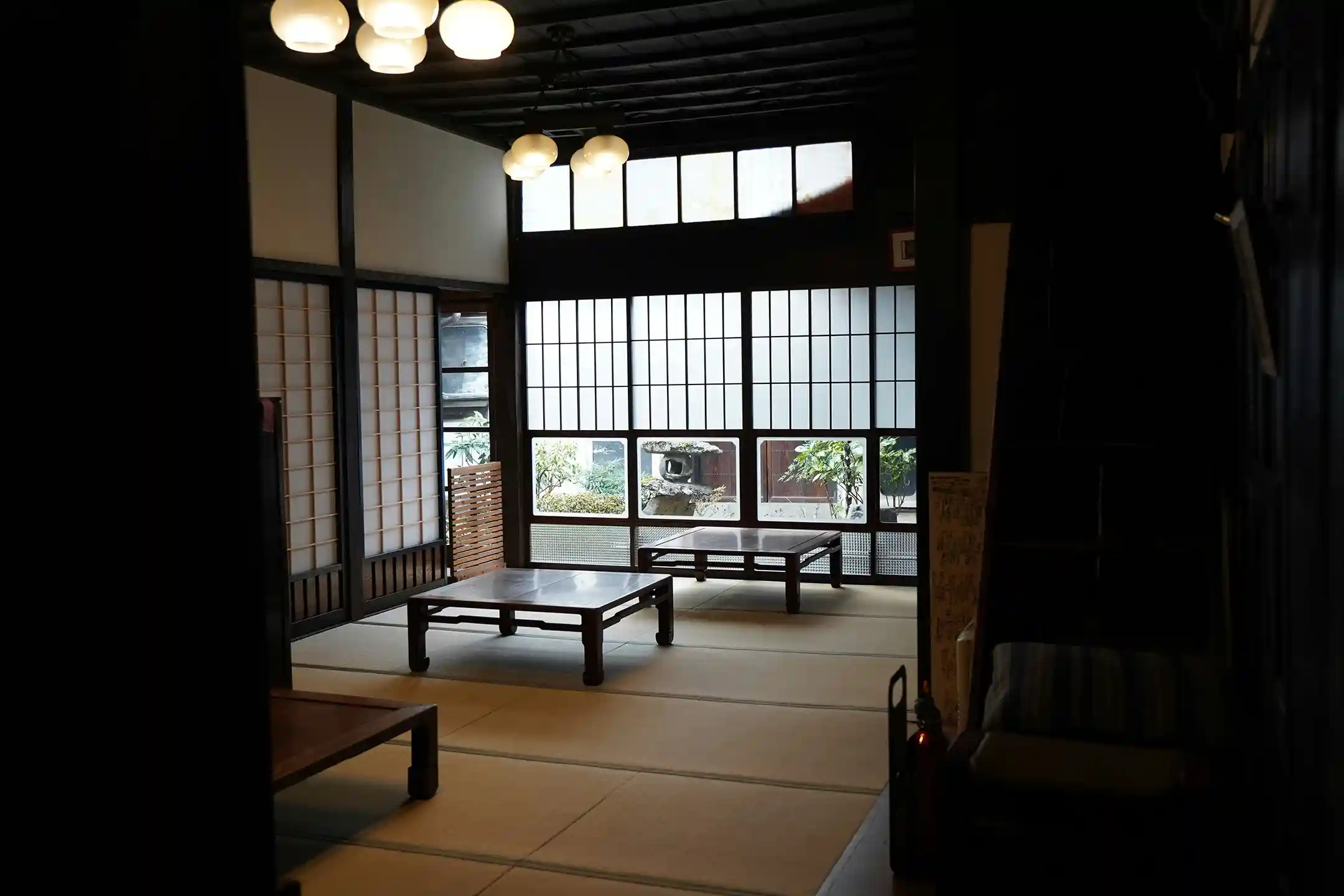
When you cross a ryokan’s threshold, you immediately feel a calm apart from the city’s bustle and an intentional spaciousness often called “ma”—the art of interval and pause. Tatami’s gentle texture and the glow of soft lighting create a setting where you feel close to one another even without words. At Hoshinoya Tokyo, for example, you remove your shoes and step onto tatami throughout the building; the property treats this as a small ritual that shifts you from the everyday to an extraordinary state. The scent and feel of the tatami ground you both, easing you into the evening (*2). With lighting and furnishings kept in restful tones, conversation naturally finds an unhurried rhythm.
Clarifying the Differences Between a Ryokan and a Hotel
Ryokans and hotels diverge in many ways, especially in the style of stay and service. At ryokans, the standard is “one night with two meals included,” and dinner and breakfast—often seasonal kaiseki—are served in your room or in a private dining room (*3).
Hotels, by contrast, usually separate lodging and meals; you choose what you like at on‑site restaurants. In service style, ryokans offer hands‑on hospitality—from welcoming you at arrival to preparing and putting away futons and serving tea—while hotels tend to prioritize privacy and limit contact to what’s necessary (*3).
In short, a ryokan delivers “at‑home comfort” and “attentive care,” while a hotel offers “private freedom” and “efficient ease.” For a once‑a‑year celebration, many couples find the warmth of Japanese omotenashi at a ryokan resonates most deeply.
Why a Ryokan Pairs So Well with Anniversaries
So why does a ryokan suit a couple’s anniversary? First, it’s easy to arrange surprises and special touches. With a little advance planning, you can ask staff to add a message to dessert, coordinate the timing for commemorative photos, and more.
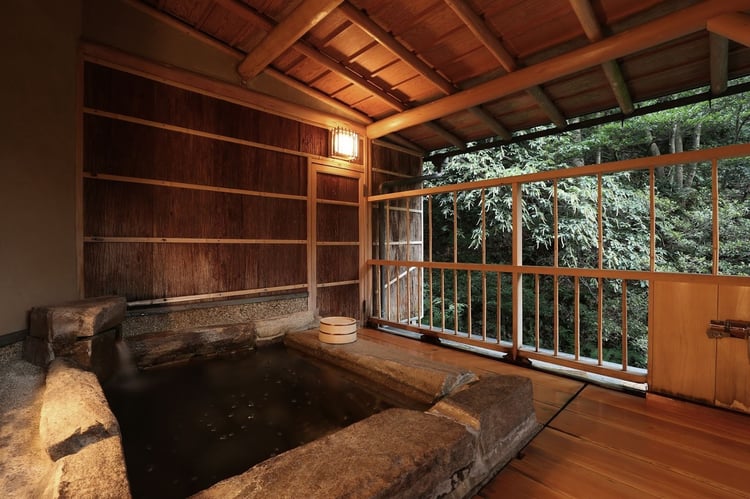
Second, many ryokans offer spaces you can enjoy entirely on your own. Rooms with open‑air baths and reservable private baths mean the two of you can relax without worrying about anyone else. In fact, you’ll often hear: “If your goal is to celebrate an anniversary or enjoy hot springs, choose a ryokan with an open‑air bath in your room—you’ll have a wonderful time together and make lasting memories” (*4). All told, a ryokan is an exceptionally natural match for marking a cherished day together.
The Basics of Choosing a Ryokan—Booking, Budget, and Season Planning
Ryokan rates fluctuate significantly by season and day of the week. Weekdays and weekends often differ; a property that’s around ¥15,000 per person on a weekday may cost ¥25,000 or more on a Saturday (*1).
If you can, choose weekdays or the off‑season to stretch your budget into a higher tier of ryokan. During peak holidays—Golden Week, Obon, New Year’s—the rates climb sharply and rooms book fast, so plan with care.
Budget Ranges and a Sense of Value for Money
Keep “value for money” in mind when setting your budget. Plans vary widely by cuisine grade and room type.
Even at the same ryokan, a standard room with basic kaiseki and a special suite with an open‑air bath plus the top kaiseki menu can differ in price by nearly double. Decide what matters most—“Let’s go all‑in on the food,” or “We don’t mind a simpler room”—and allocate your budget accordingly.
Generally, weekday stays and last‑minute deals are more affordable, while Saturdays and dates around major holidays are more expensive. To maximize value, consider choosing a well‑reviewed standard plan and skipping excessive add‑ons.
Best Seasons and How to Avoid Crowds
Plan with seasonal highlights in mind—but remember that famous seasons also bring crowds and higher prices. Cherry‑blossom spring and autumn foliage are hugely popular; some ryokans sell out as soon as bookings open.
To avoid congestion, aim for just before full bloom or as petals begin to fall in spring, and for the early stages of color in autumn. You’ll often find fewer people and gentler prices. During the rainy season and winter off‑peak periods, many properties offer discounted stays or perks; taking advantage of these “low‑season benefits” is a smart move.
A Booking Timeline—and How to Make Requests
Top luxury ryokans fill up the moment reservations open, so once your dates are set, act early. Many accept bookings from six months prior; for peak periods, be ready to reserve on the release date roughly half a year ahead (*2).
Last‑minute openings do appear due to cancellations, but timing is hit‑or‑miss. Always check the cancellation policy: many ryokans charge from 2–3 days before your stay, commonly 50–80% the day before and 100% on the day of arrival (*3).
For an anniversary trip, it’s best to lock in dates that won’t change—but knowing the policy means you can handle surprises calmly.
Guest Rooms and the Design of Private Space\
At ryokans, room types directly affect your sense of privacy, from suites with open‑air baths to detached villa‑style rooms.
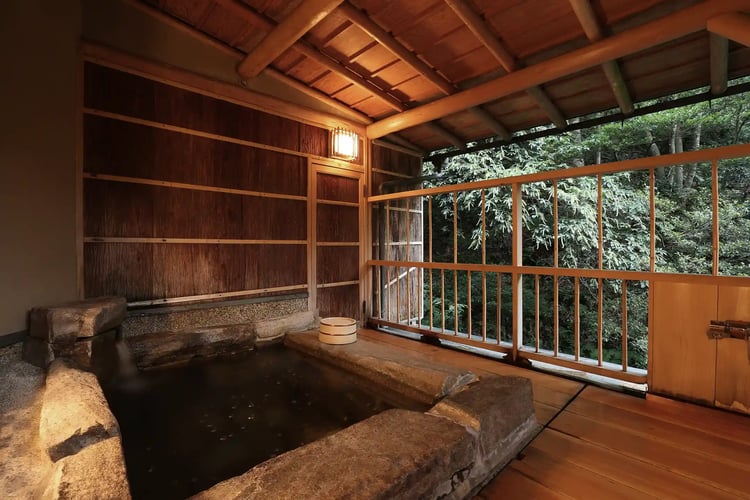
“Hanare” (stand‑alone annexes) set away from the main building are especially popular because you can enjoy a completely private environment with minimal contact with other guests. Since these are separate structures, you can laugh out loud or stay up late without worry—a true “grown‑ups’ hideaway” (*1). Many come with open‑air baths or private gardens, so you can enjoy a luxurious stay without stepping outside.
Traditional Japanese rooms may feature a veranda facing the garden (engawa) and a decorative alcove (tokonoma), letting you sip tea while watching the view or admire a hanging scroll and seasonal flowers—the quiet heart of Japanese aesthetics.
Sitting together on tatami and simply gazing at the garden becomes time apart from the world—time just for the two of you.
Room Types and How to Choose
Your choice of room heavily influences satisfaction. Spacious suites and special rooms offer refined furnishings and views—at a higher price. Compact washitsu (Japanese‑style rooms) can still feel special if they’re corner rooms or on higher floors.
If privacy is your priority, choose a hanare or a ryokan where every room is a detached unit. With separate guest flows, you’ll rarely pass others in corridors, and you can slip to your private open‑air bath in a robe with ease.
Prefer evening garden strolls? Choose a ground‑floor room with direct garden access. Love night views? Opt for an upper floor or a room with a view bath.
An engawa gives you a perfect spot to look up at the stars together, and a two‑room suite means that even after dinner—once futons are laid out—you still have a living area for lingering conversation. Talk through your priorities and choose the room that matches how you want to spend your time.
How to Use Private Facilities Well
Many ryokans offer facilities you can reserve in time slots. The classic example is the private bath: by advance booking or same‑day sign‑up, you can have the bath all to yourselves for about 50–60 minutes (*2).
It’s ideal when you want to enjoy indoor or open‑air baths without concern for others—one reason couples love it. Reserve a slot at check‑in, or aim for quieter late‑night or early‑morning times.
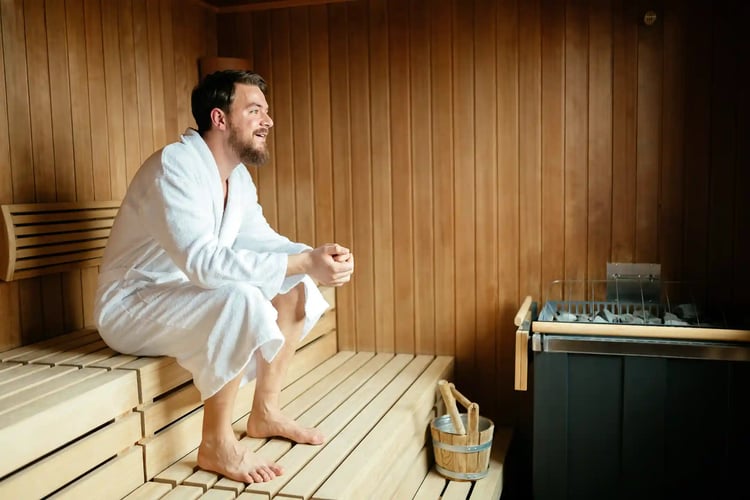
More properties now feature private saunas as well. Because usage is often in set rotations, keep an eye on the clock so you can savor the time together. Some private baths/saunas are complimentary, others paid—check plan details and fees ahead of time and build them into your itinerary.
How to Secure Quiet on a City Stay (for “traditional hotel Tokyo” stays)
Even in Tokyo or other urban centers, you can choose calm. When selecting a room, higher floors or rooms facing an inner courtyard tend to be quieter. Sound‑insulating windows and quality blackout curtains also make a difference.
Modern hotels with Japanese sensibility—including a traditional hotel Tokyo property—may have double‑glazed windows or thick shoji‑style panels that block city noise and light for deep sleep. If you booked a room for its night view, you can still create a tranquil mood by lowering the lights—just remember that in dense city areas, interior light is easily seen from outside, so close curtains or shoji fully for privacy.
If needed, many front desks can provide eye masks and earplugs on request. With a few simple adjustments, you can enjoy ryokan‑like serenity even in the heart of the city.
Hot Springs and Wellness—Let Your Bond Deepen
Different types of Japanese hot spring waters have different benefits that support both health and beauty. For example, bicarbonate springs (sodium bicarbonate) gently soften and remove old keratin—like a natural “peeling”—and are known for leaving skin smooth (*1). If you have a medical condition or are pregnant, follow posted guidance and consult staff before bathing.
Chloride springs, rich in salt, retain warmth in the body for longer, are generally gentle on sensitive skin, and are often recommended for easing shoulder and back discomfort and helping with cold sensitivity (*2).
Sulfur springs promote circulation and boost metabolism, with potential benefits for recovery from fatigue and for their cleansing properties. Each water type has its strengths, so choosing by spring quality to match your needs can be a fun way to plan.
Choose by Water Type and Expected Effects
Japan classifies hot springs into more than ten major categories, each with distinct traits. Alkaline springs containing bicarbonate can emulsify skin oils and cleanse, leaving your skin silky—hence their nickname “beauty baths” (*1).
Sulfur springs have a recognizable aroma; by stimulating blood flow, they may ease cold sensitivity and shoulder stiffness, and their strong cleansing action is often said to help with acne or mild skin troubles. Chloride springs, as noted, excel at retaining warmth and moisture, so that after‑bath glow lasts (*2).
Because each water type shines in different ways, you can narrow destinations by what you hope to gain—“radiant skin,” “recovery from fatigue,” “relief from aches.” Dreaming together—“Let’s try that onsen!”—is part of the joy of planning.
Pair Spa Time with Japanese‑Style Wellness
Once you’re warm to the core from the onsen, consider deepening the relaxation with a treatment. Many high‑end ryokans have on‑site spas offering professional aromatherapy oil treatments and shiatsu massage. Some also feature Japanese wellness traditions: gentle moxibustion, herbal teas, or baths infused with medicinal plants.
A massage after a long soak further improves circulation and often leads to deep, restorative sleep. In fact, studies have reported that lingering in a hot spring before bedtime can shorten the time it takes to fall asleep and improve sleep quality.
Book a couple’s session and unwind together; you’ll both feel refreshed, and you may notice your sense of care for each other growing even stronger.
Learn Japanese Traditions Together
With body and mind at ease, try a cultural activity you can share. Many ryokans offer experiences during your stay.
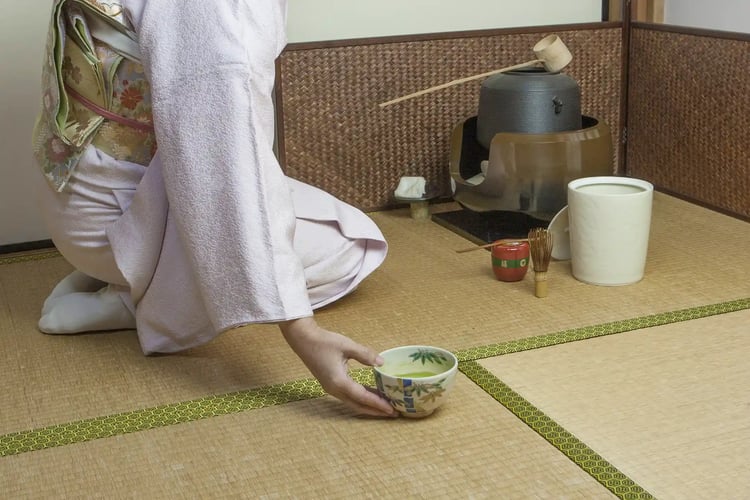
At dawn, you might join a zazen meditation, syncing your breathing in a quiet hall and feeling a calm connection. In the evening, learn the basics of the tea ceremony and enjoy the bowl of matcha you whisked for each other.
“Listening” to the subtle fragrances of incense (monkō), taking commemorative photos in matching kimono—five‑senses programs like these add depth to your anniversary story.
Hands‑on workshops tied to local crafts—like making chopsticks—are also common and popular with international guests (*3). Through these memorable mini‑lessons, you’ll glimpse new facets of one another.
Cuisine and Staging—A Private Culinary Stage for Two
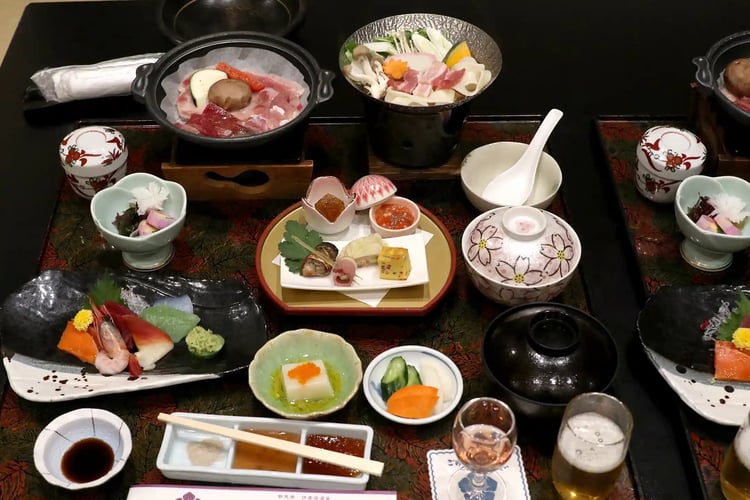
Dining at a ryokan is staging for two. First, decide on the style: if you value privacy most, in‑room dining is your best choice. You can talk freely in a space all your own—hence the advice, “If you want to treasure your time together, choose in‑room dining” (*1).
If you want formality, go for a private dining room; if you prefer to watch culinary craftsmanship up close, choose counter seating (noting you may share the counter with other guests). What matters most is choosing the setting where you both feel most at ease.
Choosing the Right Dining Style
In‑room dining makes intimacy the star. Without other guests around, conversation flows and you savor unhurried time together (*1).
Private dining rooms offer a measured sense of ceremony, while counter‑style kaiseki adds live theater as you chat with the chef. Each has its charms, so ask yourselves: Do you want a quiet cocoon for two, or do you want to enjoy the performance as part of dinner?
Because an anniversary night is a delightful break from the everyday, picking a style you don’t usually try can become a standout memory.
A Thoughtful Approach to Pairing
Drinks help set the mood. Sake pairings are classic with Japanese cuisine, but wine or crafted non‑alcoholic cocktails can be wonderful too.
More ryokans now offer pairing courses where a certified sake expert matches local brews to your menu, opening new horizons even if you’re new to sake. For a celebratory toast, consider sparkling sake or a wine with a custom anniversary label. If you don’t drink, choose a non‑alcoholic sparkling beverage to keep the festive feel.
When delicious dishes meet well‑matched drinks, your anniversary dinner becomes an unforgettable culinary memory.
Etiquette for Orchestrating an Anniversary Surprise
To turn your private stage into a gentle crescendo, plan a surprise. A dessert bearing a personalized message at the end of dinner sends the celebration soaring. Most ryokans can accommodate this if you ask in advance, including the timing, the wording of the message, and even details like the number of candles (*2).
Coordinate with staff on the day; ask them to snap a photo at the moment the dessert appears to capture the surprise and delight. You can also elevate the mood with subtle floral accents, as long as they don’t disturb others. In every case, close coordination with the ryokan and a natural flow are the keys to success.
Weaving Your Story into the Meal
Finally, let the food itself carry threads of your story. A classic celebratory touch is medetai—a whole grilled sea bream (tai) served with red rice (sekihan) to express congratulations; many ryokans offer this (*3).
You might include a traditional vegetable from the place you first met, or a dessert inspired by a shared keepsake. Choose tableware from a region meaningful to you; a plate from that locale turns your dish into a dialogue between your story and the land. Small details—initialed chopstick rests, a tiny scroll hiding a message—can be delightfully personal.
When cuisine and staging begin to tell the tale of your journey together, dinner becomes impossible to forget.
Photo‑Friendly Tips and Storytelling
Photos will become part of your shared memory, but mind the etiquette of shooting at a ryokan. In halls or gardens, take care not to capture other guests. In public spaces like the lobby or large baths, protect privacy by shooting only when the area is empty (*1).
Keep flashes and shutter sounds to a minimum so as not to break the quiet. If you ask staff to take pictures, choose a moment that won’t inconvenience other guests. Staff often know the best angles and spots; don’t hesitate to ask.
Photography Etiquette in a Ryokan
Ryokans are designed for calm. In large communal baths, photography is generally prohibited; even in private baths, be sure no one else appears in your frame. When using a smartphone, be mindful of how far shutter sounds carry.
You can usually shoot freely in your room, but check windows and balconies so that other guests aren’t inadvertently included—especially if you plan to share on social media. Always respect privacy, including geotag settings, before posting.
Designing with Light and Time
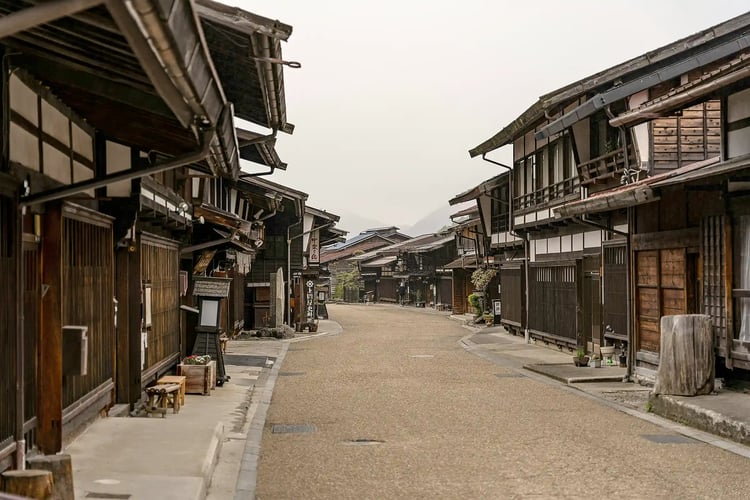
To make your photos glow, let light work for you. Outdoors, the golden hour just after sunrise or around sunset wraps everything in gentle light—perfect for portraits. At dusk, a silhouette with a vermilion sky behind the garden can feel wonderfully cinematic.
During the blue hour after sunset, the sky deepens to rich blue; paired with the warm glow of lanterns, the ryokan seems to float into view. In an open‑air bath at dawn with a touch of mist, rays through the steam create a quietly magical scene.
On rainy days, reflections on stone paths and the color of a Japanese umbrella add mood. Use the changing light of each time and weather to frame the two of you, and every photo begins to carry a story.
Compositions that Embrace Japanese Design Motifs
Architecture and furnishings unique to ryokans are your allies. Shot against the soft light filtering through shoji, a silhouette feels like a scene from a film. Framed with a tokonoma’s hanging scroll and seasonal flowers, a portrait becomes a keepsake steeped in Japanese style.
In the garden, place a stone lantern or a branch of crimson leaves in the foreground with the two of you beyond; the result blends setting and story in a single evocative image. For food shots, try an angle that catches your partner’s smile across the tray, preserving the mood of the conversation itself. Afterwards, adjust brightness and color lightly so the image matches the emotion you felt in the moment.
Above all, enjoy yourselves as you shoot. Your genuine smiles are the best narrative—and the reason those photos will make you both happy whenever you look back.
-1.png)
When one story opens onto many
This article followed a single thread through the city. The Tokyo for Two Digital Guide draws those threads together — the intimate stays, the unhurried celebrations, the small details that make a milestone feel entirely your own — into a broader, more connected understanding. A quieter, fuller way to imagine a stay made for two.

Summary
The key to a milestone‑worthy anniversary trip is drawing out the best of the ryokan experience while staying true to who you are as a couple. In a space wrapped in Japanese calm, you share quiet moments, savor the season’s cuisine, and deepen your connection through surprises and cultural experiences—memories that become treasures.
Whether you choose a storied hotel in the city that embodies traditional Japanese beauty or a secluded retreat in the mountains, the leading characters are the two of you and the story you weave. If you’re city‑based, a traditional hotel Tokyo stay can deliver many of the same aesthetic pleasures with the convenience of an urban base. Let this guide’s ideas help you craft a luxury stay that feels distinctly yours.
Years from now, when you open your album, what returns will be the smiles and words you shared on that special stage called the ryokan. May your anniversary trip—filled with your own story—endure like a well‑loved piece of art.

%20Gunkan%20Maki%20Sushi.webp)