"The Kyoto countryside" is one phrase covering four different distances, and the difference between them decides your whole day.
Ohara and Takao, the two places most reliably sold under the phrase, are inside Kyoto City — a bus ride, not an expedition. Miyama and Ayabe are two hours out but still in Kyoto Prefecture. Ine and Amanohashidate are on the Sea of Japan, the far side of the prefecture. And the pottery village that appears in almost every "rural Kyoto" itinerary is in Hyōgo Prefecture altogether.
This guide sorts them by that distance, with the addresses, opening hours and closures published on the sites of the places themselves — including one craft experience that closes in October for about eighteen months, and a garden whose most-repeated description is wrong.
This article walks one set of roads out of Kyoto. The Japan's Forest & Nature Wellness Guide gathers the forests, the villages and the practice of quiet into a single, connected reading.
The Kyoto Countryside Is Not One Place
Before choosing anything, sort the candidates by where they actually are. The name gives no clue, and the difference between them is the difference between an afternoon and two days.
How Far the Kyoto Outskirts Actually Reach
Sanzen-in's published address is Ohara Raigōin-chō 540, Sakyō Ward, Kyoto City. Kōzan-ji's is Umegahata Toganoo-chō 8, Ukyō Ward, Kyoto City. Both temples are administratively inside the city they are marketed as an escape from — which is exactly why they work on a half day.
Miyama is a different order of trip. Its own tourism association gives the journey as about two hours from Kyoto Station by JR San'in Line plus Nantan municipal bus. Ine and Amanohashidate are further again, on the northern coast. And the Tamba pottery kilns are across the prefectural border in Hyōgo.
So the practical rule is this: pick one ring and stay in it. A day that tries to pair Ohara with Ine is a day spent on the road.
A Kyoto Nature Day Trip to Ohara
Ohara holds two temples that answer different questions, five minutes' walk apart, and it is the strongest single day in the near ring.
Sanzen-in is the moss and the Jizō figures — a garden that reads differently in each season, which is the whole argument for going in the first place. Note before you drive: the temple states plainly that it has no car park and asks visitors to use the neighbouring lots.
Hōsen-in, five minutes away, is where the published descriptions go wrong — and correcting them changes what you look at.
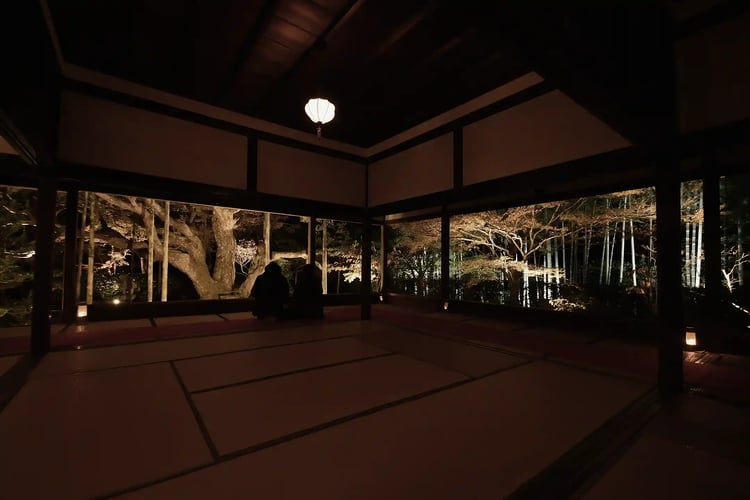
Its famous "framed garden", the Bankan-en, is described almost everywhere as a view framed by the alcove of the guest hall. The Ohara Tourism Association, which administers the temple's listing, describes something else: the space between one pillar and the next, on the western side of the guest hall, treated as a picture frame. Sit in the wrong place and you are looking at the garden. Sit in the right one and you are looking at a composition the architecture makes.
The same page corrects the pine. The five-needle pine in that view is over five hundred years old and shaped after Ōmi-Fuji — the Shiga mountain nicknamed for its cone — and not Mount Fuji, which is what the description turns into as it is passed along. It is a natural monument designated by the City of Kyoto.
And the ceiling above you is not salvage from unnamed battlefields. It is the floor of Fushimi Castle, on which Tokugawa retainers took their own lives, made into a ceiling as a memorial offering for them. That is the association's own wording, and it changes the reading: the ceiling is not a contrast to the garden but an act of mourning performed in the same room.
Admission is 1,000 yen for adults, 9:00 to 17:00 with reception closing at 16:30, and the ticket includes tea and a sweet, served in the shoin facing the garden. The neighbouring Tsurukame-en — the Crane and Turtle Garden, with the pond cut in the shape of a crane, the artificial hill as a turtle and an old sasanqua standing in for Mount Hōrai — is in the same visit.
Kōzan-ji, the Kyoto Countryside Temple Inside the City
Kōzan-ji in Toganoo is a UNESCO World Heritage property and the home of the Chōjū Jinbutsu Giga scrolls, the animal caricatures of the late Heian and Kamakura periods routinely described as Japan's oldest manga.
What the ticket buys is worth knowing in advance. The temple's published admission is 1,000 yen for the Sekisui-in hall, with an additional 500-yen entry charge in autumn, open 8:30 to 17:00, 50 parking spaces that are chargeable only in November. Sekisui-in is itself a National Treasure: a Kamakura-period hall that began as the sutra store east of the main hall, took the Sekisui-in name after a flood destroyed the original in 1228, and was moved to its present site and reworked into a residential form in 1889. The Chōjū Giga scrolls are a National Treasure in the temple's ownership but are not on daily display, so go for the hall, for Myōe Shōnin, and for Japan's oldest tea garden, where picking still takes place in mid-May — and treat the scrolls as a separate errand.
Crafts of the Kyoto Countryside, and One That Is in Hyōgo
Both of the crafts most often recommended in this region come with a condition attached, and neither condition is mentioned in the usual write-up.
Kurotani Washi Closes for Rebuilding in October 2026
Kurotani washi is a genuine eight-hundred-year paper tradition in a valley outside Ayabe, designated an Intangible Cultural Property by Kyoto Prefecture. The Kurotani Washi Kaikan sells the paper, shows the workshop and runs a hand-papermaking session by reservation. Entry is free, 10:00 to 17:00, closed on Mondays and public holidays and over Obon and the new year — the Obon closure matters, since mid-August is peak season. It is reached from JR Ayabe Station on the Aya-bus Kurotani line.
The condition is at the top of the Ayabe tourism association's own page: because the workshop is being rebuilt, the hand-papermaking session and the workshop tour are scheduled to be suspended from October 2026 until around spring 2028. The association's wording is a plan rather than a fixed date — "予定" for the suspension and "頃" for the spring return — so confirm before you count on either end of it. The practical shape is clear enough: a booking in September still stands, and after that the experience recommended everywhere else stops being bookable for about eighteen months.
Tamba-yaki: Right Kiln, Wrong Prefecture
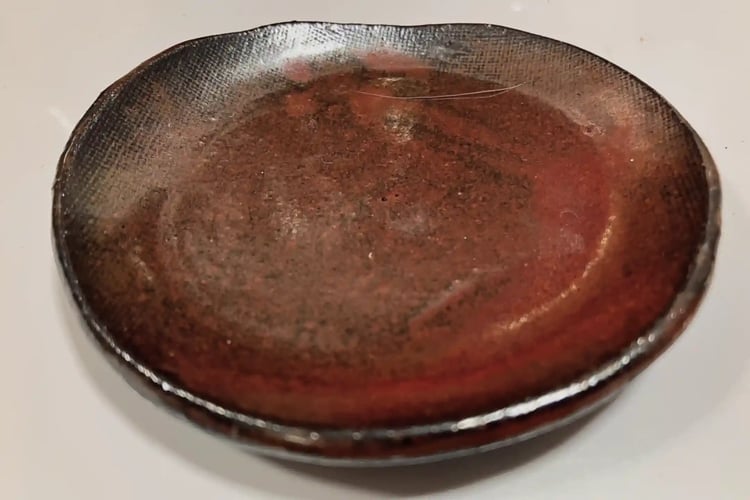
Tamba-yaki is one of the Six Ancient Kilns of Japan, and the excavation record is unusually specific about it. A 1977 dig by the Hyōgo Prefectural Board of Education at the Sanbon-tōge north kiln turned up jars and urns from the late Heian and early Kamakura periods, which established the kiln's origin there in the late Heian period. Until that dig there had been no document earlier than the mid-Kamakura period, so that is where the founding had been placed.
The word "Hyōgo" in that sentence is the point. The Tamba Traditional Craft Park, where the pottery classes are held, is at Kamitachikui 3, Konda-chō, Tamba-Sasayama City, Hyōgo Prefecture — open 10:00 to 17:00, closed Tuesdays except when a public holiday falls on one, and over the new year. It is a fine half-day and it is not the Kyoto countryside. If a booking agent has sold it to you as such, the ambiguity is in the place name: the old province of Tanba straddled what are now two prefectures.
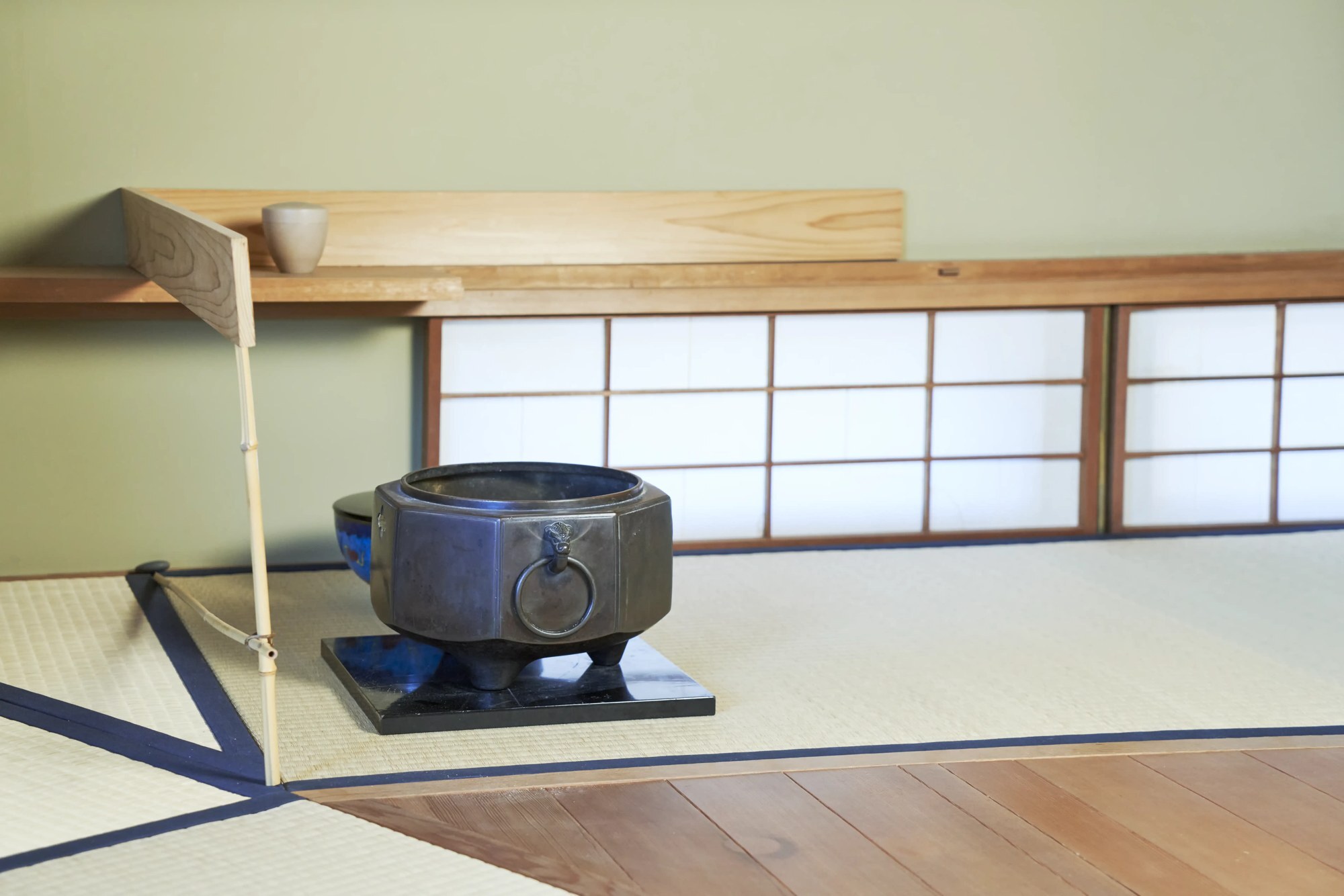
Within Kyoto Prefecture itself, the craft to book is the paper — or, closer to the city, an ikebana session or a tea ceremony.
Ine and Miyama: The Rural Kyoto People Live In
These two villages are the reason the phrase "Kyoto countryside" carries any weight. They are also both places where people are living their ordinary lives while you photograph them, and both publish a request about it.
Ine: The Funaya Boathouses of Rural Kyoto Are Private Homes
Ine's funaya — houses built with a boat garage at sea level and living quarters above — line the bay in a way nothing else in Japan does. The town's tourism association leads its homepage with the thing visitors get wrong: the buildings and the land they stand on are private property, people live in them, and the sunny sea-facing side is where the washing is hung out. Entering without the owner's permission is not an option.
What is on offer instead is better than trespassing. Individual boathouses open their interiors — Tomobutoya, Kōyōmaru, Seikaiha, and the Yoraku boathouse by the tourist office. Local boatmen run small cruises around the bay in their own vessels, twelve passengers at most. There is a walking guide who talks about the life of the town rather than the view of it — the association warns that guides are short-staffed and many dates cannot be taken — and an English-language walk-and-cruise for two, at 20,000 yen, on advance booking. The town also keeps thirteen free bicycles, three of them child-sized, on a first-come basis with no reservation.
Miyama: 39 Thatched Roofs Among 50 Houses
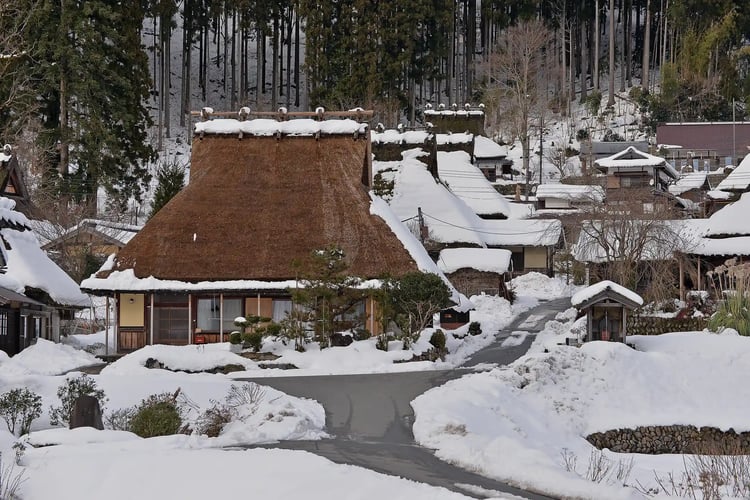
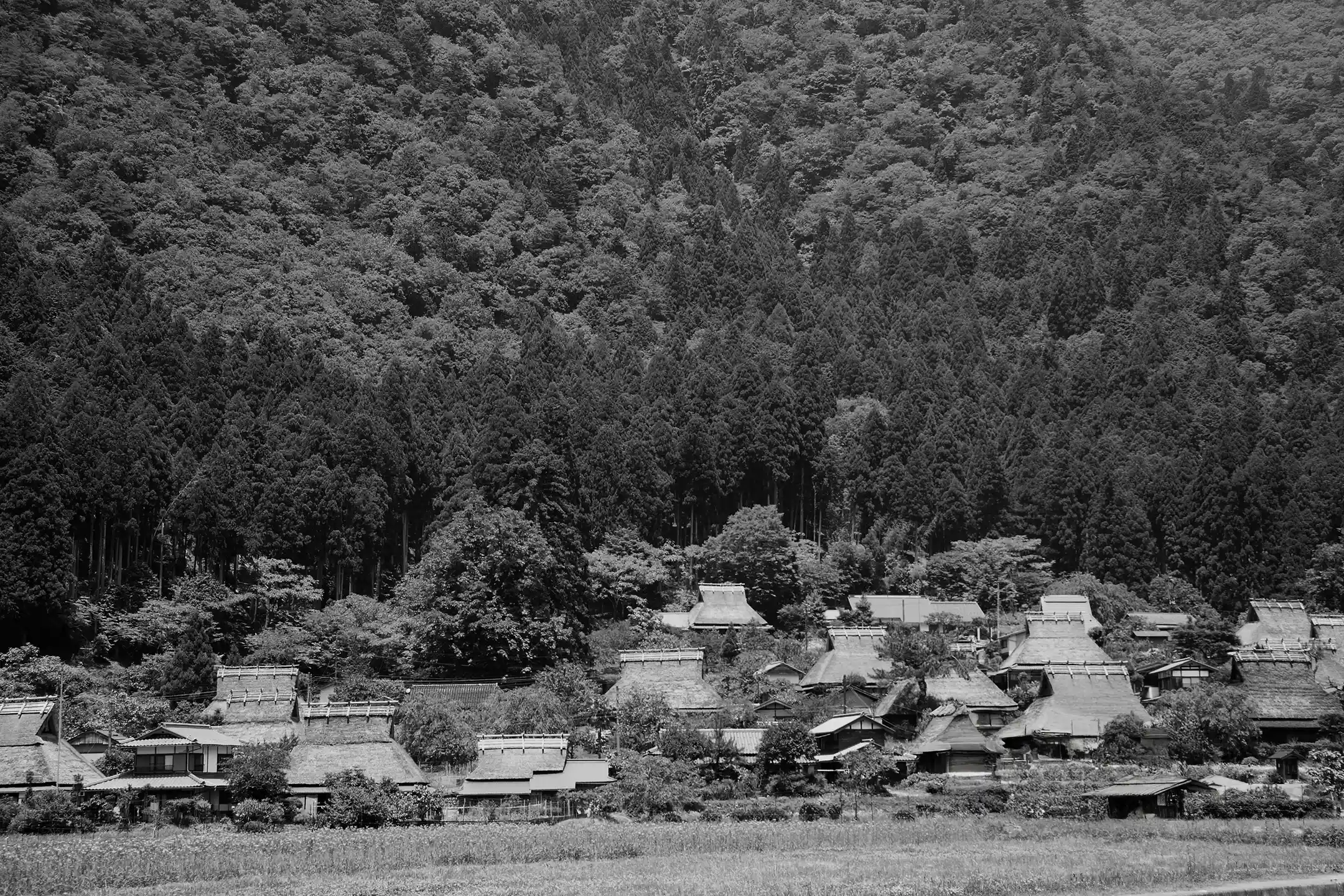
The Kita hamlet of Miyama sits midway between Kyoto and Obama, on the old Saba Kaidō — the road that carried mackerel from the Sea of Japan to the capital. Its own preservation company gives the numbers: of the 50 houses in the hamlet, 39 still have thatched roofs, built between roughly 220 and 150 years ago, and the settlement was designated a National Important Preservation District for Groups of Traditional Buildings on 8 December 1993.
The houses are the Kitayama type: a four-square floor plan, timber walls and doors, and a raised earthen floor. The Miyama Folk Museum opens the main house, barn and storehouse of one of them, with more than two hundred farm tools and household objects inside.
The preservation society and the village company that maintain all this were organised by the residents themselves — which is the real answer to how these roofs survive, and why the same page asks visitors to travel with consideration for the fact that people live there.
.webp?width=750&height=500&name=Kannon-ji%20Temple%20in%20Fukuchiyama%20City%2c%20Kyoto%20Prefecture%20during%20Hydrangea%20Season%20(Kaka%20Viewing).webp)
Inland, the Ōeyama massif spans Fukuchiyama, Maizuru, Miyazu and Yosano, and the regional tourism body counts three separate demon legends attached to it — Hiko-imasu-no-kimi against the tsuchigumo, Prince Maroko, and Minamoto no Yorimitsu against Shuten-dōji. The first is the one worth carrying: the tsuchigumo were regional clans who would not submit to the throne, which makes the oni a political category before a supernatural one. Kannon-ji's hydrangeas are in the same city.
On the Tango Peninsula, Urashima Shrine in Ine's Honjō district holds the picture scroll of the legend and the tamatebako itself. They are not in the precinct: the treasure hall is a separate 700-yen admission, open 9:00 to 16:30, and the chief priest gives a narrated reading of the scroll. The shrine dates its founding to 825 and reached its twelve hundredth year in 2025.
Staying and Eating in the Kyoto Countryside
.webp?width=750&height=500&name=Amanohashidate%20(a%20scenic%20sandbar%20in%20Kyoto).webp)
Where to Stay in the Kyoto Countryside
Genmyōan sits on the hillside above Amanohashidate with the sandbar in view. Its own site dates the business to the mid-Edo period — the founding of the inn, not the age of the present building — and records it as a purveyor to the Imperial Household. The whole property has been non-smoking since 1 October 2020. If you were planning to call in without staying, note that the same page both says the café is suspended and invites passers-by to the patisserie for takeaway, so ring ahead rather than trusting either line.
Goheiji, on the Tango Peninsula, is the stronger proposition for a group travelling together. It is a single main house of about a hundred years and a storehouse of nearly a hundred and fifty, let to one party a day — formerly the home of a priest of Takeno Shrine. Crab from Taiza is the winter table; from April to October the house works with a partner fishing boat. For a comparison against the city, our guide to ryokan in Kyoto covers the other end of the same spectrum.
Restaurant du Tamba Opens Weekends Only
Tamba Wine's restaurant in Kyōtamba looks out over the vineyard and cooks on a local-produce principle, and the detail that decides whether you can eat there is buried on its own page: it opens on Saturdays, Sundays and public holidays only, from 11:30 with last orders at 13:30, across 24 seats, and closes over the new year. Plate lunches run 1,800 to 2,200 yen and reservations are taken at 11:30 and 13:00 only.
Drive out on a Tuesday and you will find it shut. That is the single most useful sentence in any write-up of this restaurant, and it is the one that keeps getting left out.
Stay a little longer in the quiet

In closing
What makes the Kyoto countryside worth the journey is not that it is more authentic than the city. It is that the things in it are still being used — a hamlet where the residents own the preservation company, boathouses with washing hanging outside them, a paper workshop closing for eighteen months because it needs rebuilding.
Which means the planning matters more here than in the city, where something is always open. Check the day of the week, check the prefecture, and check whether the thing you are travelling for is running at all. Then pick one ring and stay in it. For the near ring, our day trips from Kyoto guide picks up where this one stops.
.webp)