In and around Kanazawa, you’ll find a rare concentration of experiences that help you “reset” both body and mind. The atmosphere of a former castle town blends seamlessly with contemporary art, while serene gardens and traditional teahouse districts carry a quiet, poetic calm. And if you venture just a little farther, you’ll discover celebrated hot springs—where refined onsen ryokan let you sink into a truly luxurious stay.
Because Kanazawa brings cultural stimulation and deep relaxation into one place, it’s also ideal for travelers coming from English-speaking countries who want practical, usable guidance—not just inspiration. In this guide, you’ll get an integrated look at everything from wellness experiences in onsen ryokan to a model itinerary you can actually follow. With soothing Japanese spaces and a thoughtfully paced plan, you’ll step away from the noise of everyday life and return to your own balance—calm, steady, and restored.
This article follows a single thread through Kanazawa — one way into a city shaped by centuries of quiet refinement. The Kanazawa Unveiled Digital Guide draws its craft traditions, gardens, historic districts, and culinary culture into one connected reading.
Why Onsen in Kanazawa Are Ideal for a Wellness Trip
Kanazawa combines profound history and culture with a calm, composed environment—making it an ideal destination when wellness is your priority. Traditional places like Kenrokuen Garden and the teahouse districts naturally invite quiet, and the city is densely packed with elevated pleasures such as crafts and cuisine. If you plan your sightseeing around less crowded hours, you can also enjoy pockets of real stillness—far from the bustle. And when you stay at an onsen ryokan, you add a deeply restorative layer that warms you from the core and helps you realign. It’s the kind of journey where you genuinely feel “back in balance.”
The Background That Makes Kanazawa a City That Helps You “Reset”
Often called “Little Kyoto,” Kanazawa carries 400 years of castle-town culture into the present. The tranquil beauty of gardens and tea culture, along with the quiet presence of machiya townhouses, naturally settles your mind. For example, Kenrokuen Garden can be lively during the day—but during designated early-morning opening hours, admission may be free, and you can stroll through the calm grounds with the sound of water and birdsong as your soundtrack (*1).
Across the city, you’ll find craft galleries and artisan studios featuring Kanazawa gold leaf and Kutani ware, while cafés and traditional restaurants serve refined dishes built around Kaga vegetables and seafood. In Kanazawa—where heritage and the cutting edge meet—the hush of Kenrokuen, the nostalgic atmosphere of Higashi Chaya District, seasonal seafood, and traditional local produce all come together. It’s often praised as a place where you can enjoy “elevated time for adults.”
In the quieter hours—early morning or evening—simply walking the stone paths of the teahouse district by the soft glow of lanterns can feel quietly fulfilling. Because this environment is already so well-prepared for stillness, Kanazawa becomes a city that rebalances your senses and your inner rhythm.
The Recovery Elements an Onsen Ryokan Brings
The recovery benefits you gain from staying at an onsen ryokan are also hard to overlook. First is the powerful combination of soaking in warm water and getting high-quality sleep. Some reports suggest that bathing in certain mineral springs—such as chloride springs—may support faster sleep onset and deeper sleep (*2). By warming the body and then letting core temperature gently shift afterward, overnight recovery can be naturally supported.
Many hot springs around Kanazawa also feature mineral-rich waters containing sodium and calcium, and they’ve long been cherished as places for therapeutic bathing. Sweating in hot springs can leave you feeling refreshed—and when you replenish fluids appropriately afterward, it can also help you maintain your overall balance.
On top of that, the ryokan stay itself becomes a chance for a “digital detox.” When you step away from your smartphone and PC and spend time in quiet Japanese spaces, your brain gets relief from information overload. It’s also widely recommended to reduce device use before bed to support deeper sleep and a steadier body clock (*3).
Being surrounded by natural materials—tatami-floored rooms, the gentle scent of wood throughout the inn—can bring a profound sense of ease. In this way, time in an onsen ryokan becomes recovery time: you step back from digital stimulation, rest your senses, and let the warmth of the setting hold you.
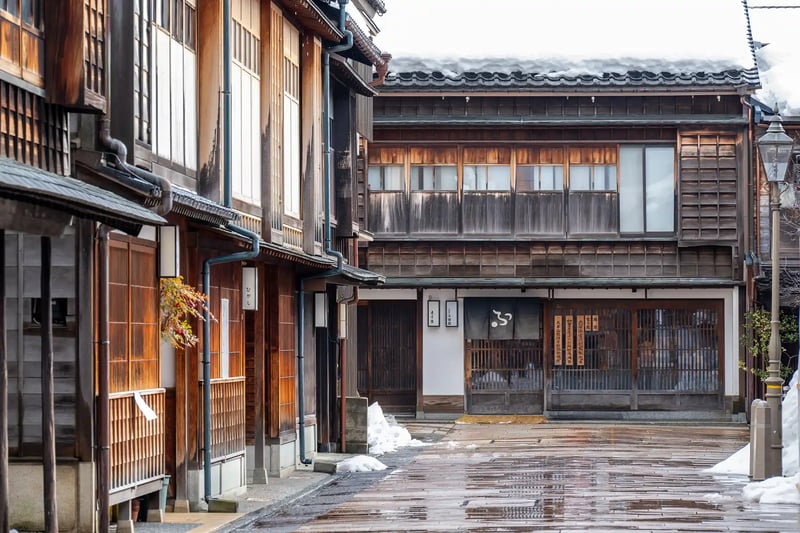
How to Choose an Onsen Ryokan in and around Kanazawa (Quiet, Privacy, English Support)
When choosing an onsen ryokan in Kanazawa or nearby, it becomes much easier to find the right fit if you evaluate it through three lenses: “quiet,” “a sense of privacy,” and “English support.” Your priorities will naturally shift depending on your travel purpose and who you’re with (solo, couple, family), but it helps to organize the key criteria below before you book.
How to Gauge Quiet and a Sense of Privacy
Number of rooms and property scale: The number of guest rooms is a major factor that affects how quiet a ryokan feels. In general, smaller inns with around 10 rooms make it easier to maintain a calm, private atmosphere away from crowds, and they often deliver the kind of environment that suits an “adult hideaway” (*1). Larger ryokan tend to be convenient and well-equipped, but with more guest movement, they can feel busier—so if you want true rest and quiet, consider a small property or an annex-style stay.
Room type and circulation: If you choose a room with a private open-air bath, or a detached annex/villa-style room, you can minimize contact with other guests. Layout matters, too—structures that let you enter and exit your room without passing through shared areas, or floors with exclusive lounges and dining spaces, naturally increase privacy.
If a ryokan offers reservable private baths, or private sauna/stone-spa options, you can secure time to enjoy the hot springs entirely on your own—making it easier to relax in true quiet. Some properties also pay attention to “zoning” inside the building (such as adults-only floors or time-based restrictions on children’s use), so it’s wise to check official information before you reserve.
Location and surroundings: Even within the same hot spring area, ryokan closer to the central streets may be convenient—but you might notice surrounding everyday noise or foot traffic from visitors. Inns located deeper in the mountains, near a lakeside, or on higher ground are often wrapped in nature and tend to be quieter.
Even in Yuwaku Onsen near Kanazawa city, ryokan set slightly back from the main onsen street can feel like hidden retreats. If you read guest reviews in advance, you may also find comments such as “I could hear ____ and it didn’t feel restful,” which can be helpful if quiet is a top priority for you.
English Support and Preparing for Cultural Gaps
As Kanazawa becomes increasingly popular as an international destination, many of its leading ryokan are working hard to welcome overseas guests.
Multilingual guidance: More ryokan now provide English versions of in-house guides and rule explanations. In particular, for how to use the baths and basic etiquette, it’s important to offer clear, accessible guidance—such as English etiquette booklets or short videos—so anyone can understand (*2).
Some inns also have staff who can explain bathing procedures in simple English at check-in, and it’s reassuring when you’re guided with clear phrases like “Please remove your shoes” and “No clothing in the bath.”
Meal explanations: If your dinner is a multi-course kaiseki meal, it’s worth checking whether each dish comes with English explanations. When a menu includes English translations—or the staff serving you can describe dishes in simple English—you’ll understand the food culture more deeply and enjoy the experience even more. Even when full English support is difficult, some ryokan still offer helpful solutions such as photo-based explanation cards.
Payment methods: Check in advance whether major credit cards and digital payments are accepted. Many upscale ryokan can process card payments, but it’s still smart to confirm the “Payment” information on the official website—and if you’re unsure, email ahead. In recent years, more inns have also started supporting smartphone payment apps.
In-house etiquette: Knowing a few Japan-specific customs in advance (for example: no shoes on tatami, how to wear yukata properly, how to handle towels in the bath) reduces confusion. Ryokan may also display etiquette notes in English using “Please do not…” phrasing. For instance, at the entrance to the public bath you might see “Please wash your body before entering the bath.” If tattoos are a concern, note that policies vary widely—so it’s best to check the property’s guidance or ask before booking.
That said, when you’re in a culture that’s new to you, it’s natural to have questions. If you’re unsure, ask the staff without hesitation. If you ask with a smile, they’ll often explain carefully—using gestures and patience. Ideally, you’ll find a ryokan where staff carry the welcoming attitude of “Please let us know if you have any questions.”
Different perspectives for families, solo travelers, and couples: The quiet-and-English-support framework matters for every travel style, but families may also want to check for kids’ menus and baby beds. If you’re traveling solo, look for single-guest plans and whether shared dining arrangements are required. If you’re traveling as a couple, details like a Western-style double bed in a Japanese-Western room, or whether you can reserve a private bath, may become key decision points.
In any case, read a ryokan’s official site and booking details carefully, and use photos to get a real feel for the atmosphere. If your priority is “I want a quiet stay,” look for small ryokan or limited-room floors. If you feel anxious about cultural differences, choose properties with strong English-language reviews. Use these cues to find the onsen ryokan that truly fits you.
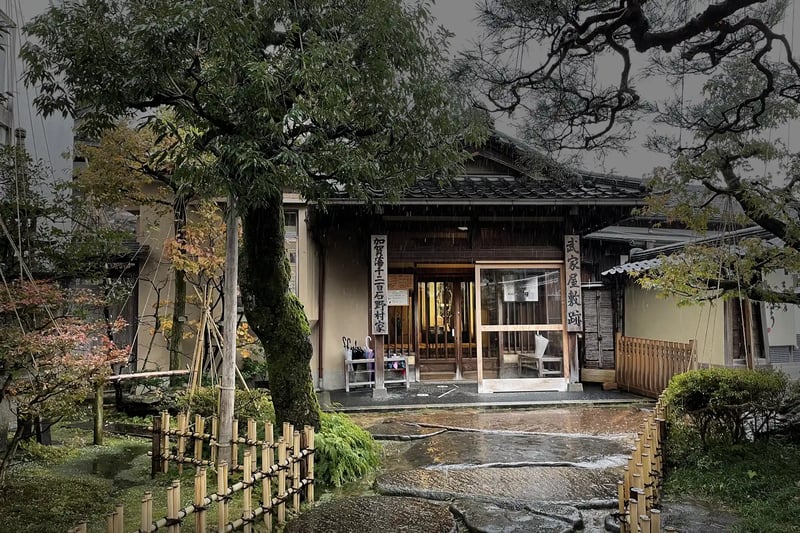
Comparing Kanazawa and Nearby Onsen Areas (Yuwaku, Yamashiro, Yamanaka, Katayamazu)
In and around Kanazawa, you’ll find a variety of hot spring areas with distinct personalities. Each differs in atmosphere, mineral profile, access time, the travel style it suits best, and even its ideal season. Here, let’s compare Yuwaku Onsen and three major areas within the Kaga Onsen region: Yamashiro, Yamanaka, and Katayamazu. Use the estimated travel times from Kanazawa Station and each area’s appeal to build the right onsen stop into your itinerary—and remember that transport schedules can change, so it’s wise to confirm current timetables before you go.
Yuwaku Onsen (Near Kanazawa City, For Those Who Seek Quiet)
Features: Yuwaku Onsen is a nearby hot spring retreat about 20 minutes by car from central Kanazawa (around Kenrokuen) and roughly 30 minutes from Kanazawa Station; you can also reach it by local bus. With a history of Kaga Domain lords visiting for therapeutic bathing, it’s long been called “Kanazawa’s inner parlor” (*1). In a calm mountain setting, eight atmospheric inns gather together, and it’s also known as a “Romance Bath,” loved by the Taisho-era romantic poet Takehisa Yumeji.
The onsen town itself is small—which is exactly why it hasn’t been over-commercialized and still feels like a quiet hideaway. Yuwaku’s waters are sodium-calcium chloride-sulfate springs, known for a gentle feel on the skin and strong heat-retention. There’s also a footbath suited for cooling down outdoors, plus the public bathhouse “Shirasagi-no-Yu,” where you can savor the stillness while breathing in cool mountain air after your soak.
Travel time: From Kanazawa Station, take the Hokutetsu Bus bound for “Yuwaku Onsen” and get off at the last stop (about 45–50 minutes), or take a taxi (about 30 minutes). Access is good even by public transportation, but since the last bus can be relatively early in the evening, check the timetable if you’re staying overnight.
Best travel style: Perfect for couples or mature travelers who want slow, quiet time, or for you if you’d like to add hot springs easily to a Kanazawa city trip. While the area has also attracted younger visitors as an anime model location, the overall vibe remains calm and grown-up. If Zen and tea culture interest you, you might also stop by the D. T. Suzuki Museum in Kanazawa—an architecture-and-spirit space that embodies Zen—so you can enjoy a quietly focused moment as part of your wellness rhythm.
Best season: Every season has its charm. Spring brings fresh greenery and mountain cherry blossoms; in summer you may even see fireflies. Autumn colors the mountains in brilliant foliage that contrasts beautifully with rising steam. Winter offers the special atmosphere of snow-viewing baths. The foliage season and snowy months, in particular, highlight the beauty of this quietly restorative onsen town.
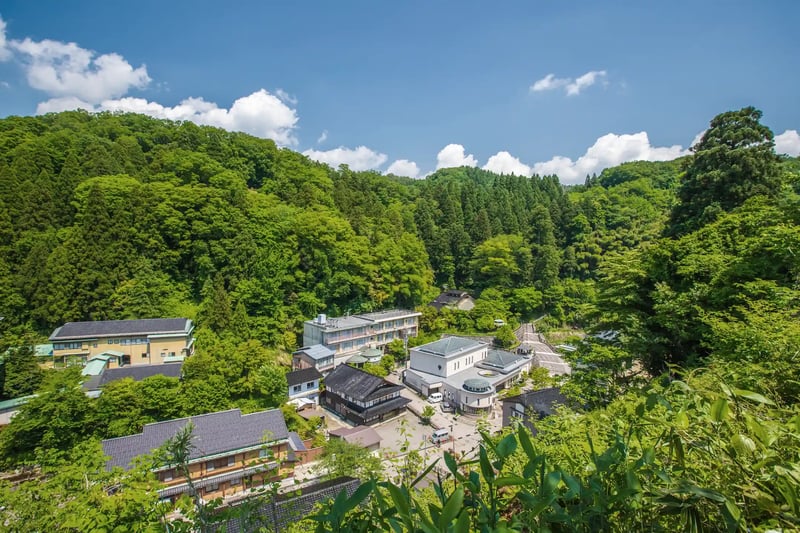
Yamashiro Onsen (Tradition and a Diverse Onsen Culture)
Features: Yamashiro Onsen is the oldest hot spring in the Kaga region, with a proud history of 1,300 years (*2). It was beloved by many cultural figures, including celebrated Meiji-era writers and artists such as Kitaoji Rosanjin and Yosano Akiko. At the center of town is a communal bathhouse called “Soyu,” and historically the onsen district developed around it during the Edo period.
Today, you can still visit “Ko-Soyu,” a reconstructed Meiji-era bathhouse, and experience a bathing style from that era—soaking without getting out of the tub in between. Around places like Hattori Shrine, you’ll also find galleries and Kutani ware kilns, making it easy to combine onsen-hopping with traditional craft exploration. Accommodation options range widely—from established luxury ryokan to modern designer properties—and many draw water directly from their source, which is another major appeal.
Travel time: From Kanazawa Station, take a JR limited express to Kagaonsen Station (about 20 minutes), then a local bus or taxi to Yamashiro Onsen (around 15 minutes). Plan on roughly 40–50 minutes total. From Kagaonsen Station, the onsen-area loop bus “Can Bus” also operates, making daytime travel toward Yamashiro and Yamanaka convenient.
Best travel style: Ideal if you want to experience the atmosphere of a traditional, high-prestige onsen town, or if you’re excited to try multiple baths and compare them. With many large ryokan, it can work well for families, too—and you can also enjoy classic “onsen sightseeing hotel” comforts such as table tennis or karaoke.
At the same time, Yamashiro also offers small, hideaway-style luxury ryokan (for example, properties where every room has a private open-air bath), so you can absolutely choose a quiet, intimate stay as a couple. If you want a more active day, try a Kutani ware painting experience—or join a local morning market (in Yamashiro, there are days when a market is held at Hattori Shrine).
Best season: Enjoyable year-round, but spring and autumn are especially popular. In spring, rows of cherry blossoms are beautiful and festivals are held in the onsen district. In summer, it can be fun to interact with locals at communal bathhouses, and the evening breeze is perfect for strolling in yukata. Autumn brings colorful mountains and the luxury of viewing foliage from an open-air bath. Winter offers snowy scenery and Hokuriku’s seasonal delicacies such as crab—though you’ll want to be cautious about travel during heavy snowfall.
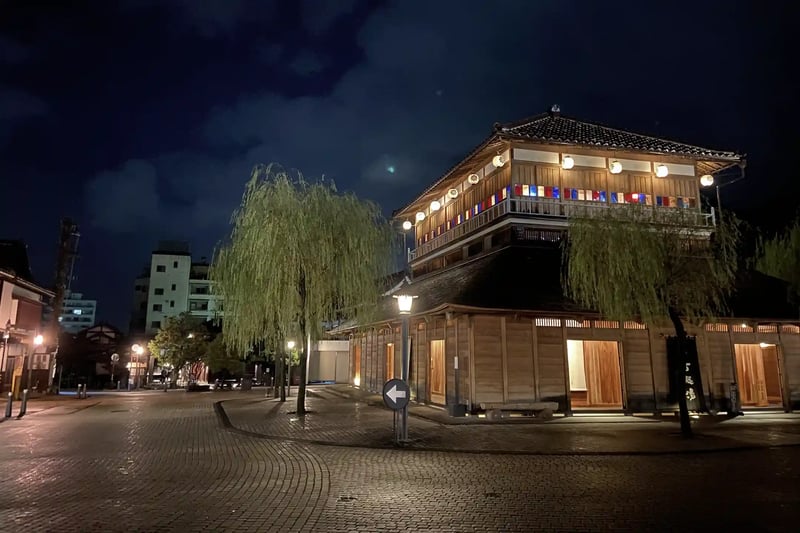
Yamanaka Onsen (Active Recovery in a Gorge)
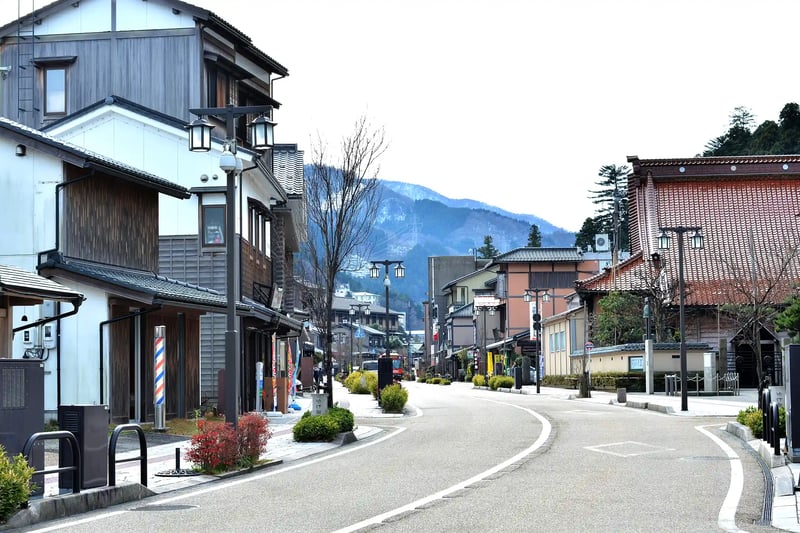
Features: Yamanaka Onsen is a celebrated hot spring praised by Matsuo Basho as one of Japan’s “three famous hot springs,” and its origins are said to date back to the Nara period (*3). The town developed along the Kakusenkei Gorge carved by the Daishoji River, and the gorge scenery is its defining charm. A riverside path from Korogi Bridge to Kurotani Bridge is well maintained, letting you enjoy seasonal landscapes while walking or jogging.
The spring water is a sodium-calcium chloride type, known for a soft feel and moisturizing qualities—often called a “beauty bath.” Traditional crafts such as Yamanaka lacquerware thrive here, and the onsen town is dotted with lacquer galleries and cafés. The communal bathhouse “Kiku-no-Yu” is separated by gender, and you can easily stop in for a casual soak.
Travel time: From Kanazawa Station, take JR to Kagaonsen Station (about 25 minutes), then take the bus to Yamanaka Onsen (about 30 minutes; a taxi takes about 20 minutes). With public transportation, plan for about an hour total. Like Yamashiro, Yamanaka also connects to the “Can Bus” route, which you can use for onsen-area sightseeing.
Best travel style: Perfect for you if you want to stay active in nature and then recover deeply in hot springs. Some inns offer open-air baths beside the stream, and soaking while watching morning river mist—or bathing under a starry sky at night—can feel unforgettable. Yamanaka also has many relatively small, quiet ryokan, making it a strong choice for solo travel or small-group stays where you want warm, attentive hospitality.
Geiko culture also remains here, and with a bit of luck you may have chances to experience Yamanaka-bushi songs and dance. If you’re more outdoors-inclined, you can even cycle around to lacquer workshops and farms—combining nature with hands-on tradition.
Best season: The peak is the autumn foliage season (early to mid-November). Kakusenkei turns deep crimson and gold, and the area around Korogi Bridge becomes a prime photo spot. Fresh green season around May is also refreshing, with a pleasant river breeze during walks. Summer stays cooler than flatlands thanks to the gorge, and mornings and evenings are comfortable. Winter offers the romance of snow-viewing open-air baths, though you’ll want to watch your footing when it snows. From December to March, winter flavors—especially crab—are abundant, making it a wonderful time for a food-focused trip as well.
Katayamazu Onsen (Lake Views × Modern Design)
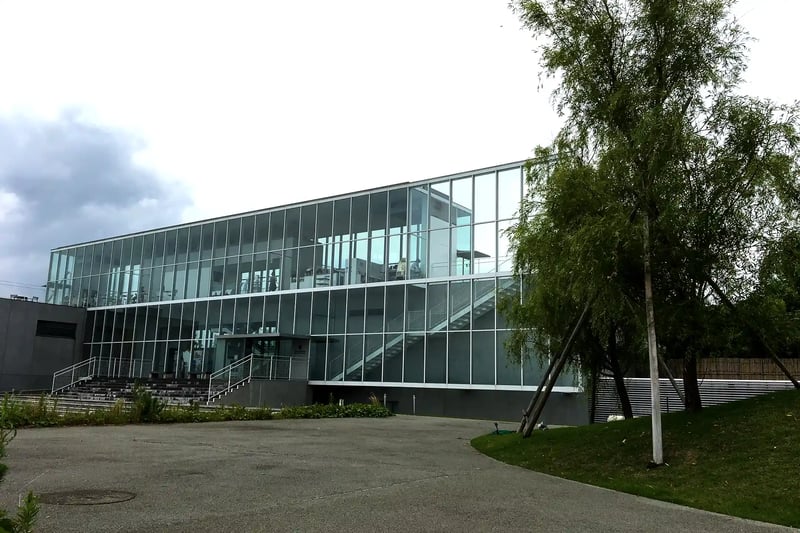
Features: Katayamazu Onsen is part of the Kaga Onsen region, spread along the shore of Lake Shibayamagata. Its signature is the lakeside setting: you can see the distant Hakusan mountain range, and the lake surface shifts in color again and again throughout the day—from morning mist to sunset glow (*4). Opened in 2012, the “Katayamazu Onsen Soyu” is a modern glass-walled bathhouse, popular with visitors because you can soak while looking out over the lake.
The spring water is a chloride type rich in sodium, known for strong heat-retention and moisturizing qualities, and often associated with fatigue recovery. Large ryokan and hotels line the lakeside, but more facilities have been renovating with minimalist, stylish interiors—so you can enjoy a comfortable stay in modern Japanese rooms. Every August, the “Noryo Fireworks Festival” is known for frequent fireworks displays during the month, creating a dreamlike scene reflected on the lake.
Travel time: From Kanazawa Station, take JR to Kagaonsen Station (about 25 minutes), then a bus bound for Katayamazu (about 20 minutes). A taxi takes about 15 minutes from the station. If you drive directly from central Kanazawa, it’s about 40–50 minutes via the Hokuriku Expressway. It’s convenient by car thanks to nearby main roads, and bus service is also available.
Best travel style: A great match if you want to unwind while gazing at the lake, or if you prefer contemporary facilities and service. Some large family-oriented properties offer pools and game corners, keeping children entertained. If you’re traveling as a couple or with friends, sharing open, spacious moments—like watching sunset from a footbath—can feel especially memorable.
Some ryokan also offer rental bicycles, so you can cycle around Lake Shibayamagata and enjoy seasonal flowers and views of Hakusan. It’s also popular with photography lovers, and you may see people strolling the shore with cameras in hand during sunrise and sunset.
Best season: Summer lake fireworks are Katayamazu’s highlight (every August, fireworks events are held during the “Noryo Fireworks Festival” period). In the cool night breeze, the fireworks and atmospheric lighting are absolutely worth experiencing. Spring brings beautiful cherry blossoms along the lakeshore, with a striking contrast against Hakusan’s remaining snow.
In autumn, migratory birds arrive, and the silhouettes of waterfowl at dusk create a quietly romantic scene. Winter is calmer, but snow settles on Hakusan and the lake becomes a landscape painting in real life. On cold days, you can warm yourself to the core in the hot waters of the Soyu, then treat yourself afterward to an onsen egg or local sweets—simple pleasures that feel just right.
Designing a Deeply Restorative Experience with Onsen × Zen × Yoga
To turn your time at an onsen ryokan into an even more effective wellness experience, try combining “hot springs/sauna/contrast bathing,” “Zen/meditation,” and “yoga/stretching” into a simple program.
By maximizing the relaxation and sleep-supporting effects of bathing, clearing your mind through meditation, and fine-tuning your body with light yoga or stretching, you can experience that deeply “rebalanced” feeling while you travel. Below, you’ll find a basic flow and key points for each method.
The Basic Flow of Hot Springs, Sauna, and Contrast Bathing
Why contrast bathing (hot–cold) works: After warming your body in hot springs or a sauna, “contrast bathing”—adding a controlled cool-down—has been discussed as a way to support circulation and help balance the autonomic nervous system (*1). As a basic flow, first warm your body thoroughly in the onsen or sauna until you sweat lightly and your heart rate rises a bit.
Next, cool your body in a cold bath or cold shower for about 30 seconds to 1 minute, tightening peripheral blood vessels. Then do “outdoor air bathing”: rest for a few minutes on a chair or bench while letting cool air touch your skin. Repeat this 2–3 times, and it’s often described as a cycle that encourages vessels to expand and contract and may help you feel clear and refreshed afterward. After you finish, your whole body can feel warmly circulating, and you slip into a deeply relaxed state with a pleasant sense of tiredness.
Hydration and mineral replenishment: During and after contrast bathing, don’t forget to replenish fluids and electrolytes (such as sodium) (*1). Because heat and cold stimulation increases sweating, you’re losing minerals as well as water. Along with water or non-caffeinated tea, a small amount of salt replenishment—like salt candies or an electrolyte drink—can help reduce the risk of lightheadedness. Some ryokan provide barley tea or Kaga bocha tea in the after-bath area, so accept it gratefully and let it support your recovery.
Timing with sleep: For higher-quality sleep, it’s often considered best to finish bathing about two hours before bedtime (*1). This is because when your body temperature rises and then returns to normal—continuing to drop slightly afterward—getting into bed during that cooling phase can help you fall asleep more smoothly. Contrast bathing can feel stimulating, so at night, don’t leave it until right before bed. Wrap it up with time to spare, lower the lights, and spend quiet time in your room to let your body cool down naturally.
Respecting individual differences: Contrast bathing can feel invigorating, but it also places stress on the heart and blood pressure—so don’t push yourself. If you’re new to saunas, substitute a lower-temperature bath, and with cold water, begin gently (for example, by rinsing with room-temperature water).
What matters most is staying within the range that feels genuinely “good.” If you feel even slight dizziness or palpitations during contrast bathing, stop immediately, hydrate, and rest. If you have heart or blood-pressure concerns, it’s wise to consult a medical professional before trying strong hot–cold cycles. Some ryokan don’t have saunas; in that case, a simple hot spring → cold bath → rest cycle can still refresh you beautifully.
How to Incorporate Zen and Meditation
Kanazawa has deep connections to Zen teachings, and within the city you’ll find places such as the D. T. Suzuki Museum and Zen temples near the foothills of Utatsuyama. Even during an onsen stay, adding a short meditation session—just a few minutes—can help you feel mentally clearer and more settled.
Breath counting meditation: One of the easiest approaches is “breath counting,” focusing your attention on your breath. Sit cross-legged on a futon or cushion, or sit on a chair with your spine upright.
Close your eyes lightly, exhale slowly, then inhale. Count that single breath as “one,” then exhale and inhale again as “two,” and continue counting quietly in your mind. When stray thoughts appear, simply notice, “Ah—I was thinking,” and return your attention to counting the breath. Count up to ten, then return to one again.
Try continuing this for three minutes or five minutes. Some studies suggest that short, consistent meditation practice can reduce perceived stress and support emotional steadiness over time. What matters is not length, but “continuing a little every day.” At a ryokan, try early morning or before sleep, and find a quiet spot you love—perhaps a tatami lounge or an engawa veranda facing an inner garden. Your room works well, too, if it’s calm enough.
If you like, you can use earplugs or a simple timer, and keep repeating this gentle cycle: get pulled by thoughts, don’t judge it, return to the breath. When you finish, the inner noise often feels softer, and you may feel as if your mind has cleared like the sky after rain.
A sitting method that works quickly: In formal zazen, you may use postures like half lotus, but if you’re not used to it, your legs may hurt. Don’t force it—if your spine is upright, sitting on a chair or even kneeling is fine. Rest your hands on your knees, or interlace your fingers and place them near your lower abdomen. You can also bring your palms together, like a “prayer pose.”
The key is to relax your shoulders and soften your facial muscles. If your back rounds, your breath becomes shallow, so sit as if gently opening your chest. Even short sessions of deep abdominal breathing can shift your nervous system into a calmer mode, and you’ll feel your mind settle.
Quiet spots inside the ryokan: Depending on the property, there may be early morning hours when the lobby or garden is almost empty. If you have access to a private open-air bath around dawn, closing your eyes and meditating while soaking can feel like a rare luxury.
Another recommendation is “lying-down meditation” after your bath: lie on tatami, focus on your breath, and let your body feel heavy. For a few minutes before you enter your futon, lower the lights, lie on your back, and place your attention only on breathing. Even that small habit can change how you fall asleep.
A Mini Routine: Morning Yoga and Night Stretching
Once you’ve realigned from the inside with hot springs and meditation, tune your physical balance with light yoga and stretching. You don’t need intense exercise. A short routine—5–10 minutes in the morning and 5–10 minutes at night—is more than enough to make a difference.
Morning yoga: After you wake up, open the curtains and feel the freshness of the morning air. If you don’t have a yoga mat, you can lay down a bath towel after taking off your yukata. Even simply alternating gentle stretches and forward folds—like a simplified sun salutation—encourages circulation. For example, from Mountain Pose (stand tall), slowly inhale as you raise both arms overhead for a stretch; then exhale as you fold forward and bring your fingertips toward the floor. Repeat this movement a few times.
Next, step one foot back widely and take Downward-Facing Dog (an inverted V shape) while breathing deeply, then switch sides. You don’t have to hold the same pose for long—think of it as waking your body dynamically. When you safely open your range of motion in the morning, you may feel less fatigue during a full day of walking—and your posture naturally improves. Stay within a comfortable range, and when you find a stretch that feels “intense but pleasant,” take a few deep breaths there.
Night stretching: Before bed, gentle static stretching is often recommended to release physical tension. Stretching before sleep may help relax body and mind and make it easier to fall asleep (*2). When muscles loosen, circulation improves, the parasympathetic nervous system becomes more active, and natural sleepiness follows. Lower the lights to warm-toned indirect lighting, turn off your phone, and if you like, put on calm music. Here are three stretches you can do lying down.
The first is a hip stretch. Lie on your back and bend both knees. Place your right ankle on your left knee. Hold your left thigh with both hands and draw it toward your chest, keeping for 30 seconds as you feel the stretch through your right hip and outer thigh. Repeat on the other side. This is a supine version of Pigeon Pose, and it can soften glutes that tighten after long walks—also helping prevent lower-back discomfort.
The second is a full-body “release” stretch. Still on your back, raise both hands and both feet toward the ceiling. Let go of tension completely, and gently shake your hands and feet in small movements. This encourages blood and lymph circulation and can help reduce swelling. 20–30 seconds is enough.
The third is a big, finishing stretch. On your back, extend your arms overhead and lengthen your legs as if reaching your toes far away—an all-over stretch. Hold for about five seconds, then relax completely. Repeat 2–3 times. Once you feel relaxed down to your core, slide slowly into your futon.
After hot springs, your muscles are softer and more receptive, which can enhance the effects of stretching. Still, don’t overdo it—stop at the point that feels truly comfortable. As you exhale deeply, imagine the muscles loosening further; it helps the parasympathetic nervous system work even more, making it easier to shift into sleep mode. If you release your whole body at night this way, you’re likely to sleep deeply and comfortably.
Food Wellness Through Local Sourcing and Fermentation
After you soothe your body in hot springs and move just enough through activities, it’s time to “rebalance from the inside” through another great pleasure of travel: food. The Kanazawa–Kaga–Noto area is a treasure trove of ingredients, and dishes built around seasonal Kaga vegetables and Noto seafood can be nutritionally satisfying as well. In addition, fermented foods and seasonings—miso, soy sauce, koji, and sake—are used generously, and they may also support gut comfort. Here, we’ll explore the power of local seasonal ingredients, fermentation-plus-sake pairing, how to request dietary needs in advance, and tea habits after bathing.
The Power of Seasonal and Local Ingredients
Kaga vegetables and Noto’s bounty: Kanazawa’s local cuisine is refined “Kaga cuisine,” shaped by the culture of a castle town once known as “Kaga Hyakumangoku.” At its foundation are seasonal local ingredients. Traditional Kaga vegetables—such as Kaga renkon (lotus root), kinjiso (a leafy vegetable), and Gensuke daikon—are nutrient-dense and deeply flavorful. Kaiseki meals that place these vegetables at the center deliver abundant vitamins and dietary fiber, helping you make up for the vegetables you might miss while traveling.
From the Noto Peninsula, fresh seafood is shipped daily, offering seasonal delights such as sakuradai (sea bream) in spring, rock oysters in summer, kobako crab (female snow crab), winter yellowtail, and in winter, sweet shrimp and cod. Banquet meals that combine both sea and mountain ingredients are beautifully balanced, visually elegant, and satisfying in a way that reaches beyond appetite and into your mood (*1).
Salt reduction through dashi: Dashi—the foundation of Japanese cuisine—adds depth through umami compounds from kelp and bonito (such as glutamate and inosinate). Because umami adds satisfaction even when you use less salt or soy sauce, it can help support a lighter overall seasoning style (*1). In Kanazawa ryokan, clear soups and simmered dishes often use a refined first-stock dashi, creating a satisfying taste even with gentler seasoning. If you’re health-minded—or simply want to feel good while traveling—this wisdom of Japanese cooking can be a real highlight for you.
For example, jibuni (a local simmered dish) has a sweet-savory base using soy sauce and mirin, but when the dashi is well built, it gains depth without feeling overly heavy. If you worry that travel meals can become too salty, a thoughtfully prepared Japanese-focused menu can feel reassuringly gentle.
The mind-and-body effects of seasonality: It’s often said that seasonal foods contain nutrients your body tends to crave in that season. Summer vegetables can feel refreshing and are often rich in water and potassium, while winter vegetables often feature root crops that feel warming and grounding. Seasonal aromas also speak directly to your senses.
The slight bitterness of spring mountain vegetables can feel cleansing after winter heaviness, while autumn mushrooms and ginkgo carry fragrances that awaken appetite. Eating while noticing the shift of seasons enriches your mind and can ease stress. At a ryokan meal, let yourself wonder, “What ingredient is this?” and enjoy the conversation as you slowly savor each dish.
Fermentation × Sake Pairing
Japan’s fermented foods: In Hokuriku, including Kanazawa, fermentation techniques have long shaped daily food. Beyond core seasonings like miso, soy sauce, and vinegar, there are also distinctive local fermented foods such as kabura-zushi and fermented pufferfish ovaries in rice bran.
Fermented foods contain lactic acid bacteria and enzymes from koji and related cultures, and they’re often discussed as one component of food traditions associated with long-term wellbeing. One of the strengths of Japanese cuisine is that you can naturally consume a variety of fermented foods in a single meal—helping you keep your digestion comfortable and your trip enjoyable.
Why it pairs so well with sake: Sake is also a fermented beverage born from rice and koji. Because fermented foods often amplify one another’s umami, sake has long been considered a classic match with miso and pickles (*2).
For example, when you sip a crisp local sake alongside salty pickles or miso-based bites, the sake can suddenly taste rounder and slightly sweeter—an irresistible synergy that can make you nod and think, “Yes, that’s it.” This happens because savory components in sake can blend with fermentation-derived notes in miso and pickles, creating a smoother, more integrated finish.
Kanazawa’s local sake ranges from sharp and dry to deeply mellow and savory. You can have fun experimenting: try a umami-forward junmai with local dishes seasoned with soy sauce or fish sauce, or pair saltier snacks like salt-cured salmon or karasumi with a fruity ginjo. This fermentation-plus-fermentation approach is sometimes called “fermentation pairing,” and it has been gaining attention in recent years.
When ordering at a ryokan, try asking, “Which local sake pairs best with the local dishes?” The okami (hostess) or staff might share a favorite bottle they’re proud of.
Moderation, happily: Since this is a wellness-focused onsen trip, enjoying alcohol in moderation is essential. Sake sits around 15% alcohol—similar to wine—so if you overdo it, your morning yoga the next day will feel far away. Savor about one tokkuri (180 ml) slowly, drink water alongside it, and enjoy the marriage of great food and great sake at a pace that keeps you feeling good.
Template for Sharing Dietary Restrictions and Preferences in Advance
If you have allergies, religious restrictions, or dietary preferences such as vegetarian or vegan, letting your ryokan know in advance helps you enjoy meals with peace of mind. Many ryokan in and around Kanazawa will try to prepare substitute options within what’s possible, but same-day requests can be difficult—so contact them as early as you can (*1). Below are sample messages in Japanese and English for your reference.
Vegetarian example (English): “Hello, I have a dietary request. I do not eat meat or fish. Could you prepare a vegetarian meal for me? Thank you.”
Allergy example (English): “Excuse me, I have a severe allergy to shellfish. Could you ensure no shellfish is used in my meals? Thank you very much.”
Muslim example (Japanese): “豚肉とアルコールを使用しないハラール対応のお食事をご用意いただけますと幸いです。” (I would be grateful if you could provide Halal meals without pork and alcohol.)
If you’re emailing, address the reservation contact, include your name and stay dates in the subject line, and share the content above as a clear “meal request.” If Japanese is difficult, English is fine.
It’s best if the ryokan replies, but even if you don’t hear back, you’ll feel more secure if you confirm again verbally at check-in. Simple English is enough—try something like, “I emailed about my food allergy. Is everything OK?”
Also note that many Kanazawa ryokan serve seafood-centered meals, so in some cases, fully plant-based requests may be difficult. If that happens, don’t force it—consider a flexible plan such as enjoying a Japanese breakfast at the ryokan and having dinner at an accommodating restaurant in the city. Fortunately, more restaurants in central Kanazawa now offer vegetarian and gluten-free options.
Tea and Mineral Replenishment
In hot spring towns, “a cup of tea after bathing” has long been a tradition. In Kanazawa, Kaga bocha is especially well known—a type of roasted tea made from stems rather than leaves, with a fragrant, comforting aroma.
The benefits of Kaga bocha: It’s low in caffeine, so it’s easy to drink even before bed, and roasting brings out aromatic notes often associated with relaxation. After bathing, taking a quiet breath and sipping slightly warm bocha can help you slow down and deepen your sense of calm. Hojicha-style teas also contain minerals such as potassium and magnesium, which may help support electrolyte replenishment alongside fluids.
Barley tea and salt replenishment: If you’ve sweated heavily—especially in summer or after a sauna—barley tea and a little salt replenishment can also help. Barley tea is non-caffeinated and mineral-rich, making it suitable for supporting hydration. Sports drinks can make sense, too, but at ryokan you’ll often be served barley tea. Another option is a small amount of salty umeboshi or miso soup. If salt candies are available in the after-bath area, even a single piece can make a difference, and sipping miso soup as a light late-night bite can also feel right.
Rebalancing through tea time: Warm green tea in the morning to wake up clearly, aromatic bocha in the afternoon to reset, and a caffeine-free tea such as rooibos at night to unwind—building tea time into your daily rhythm is one of the joys of a wellness trip.
Some ryokan in Kanazawa welcome you with seasonal wagashi and matcha. With gentle sugar replenishment and the calming ritual of tea, your overall balance may feel even more refined. Just like hot springs, tea is another healing essence of Japanese culture—so let yourself enjoy it actively.
2-Night, 3-Day Model Itinerary (onsen in kanazawa + Nearby Hot Springs, Fully Enjoy Kanazawa’s Restorative Side)
Finally, here’s a 2-night, 3-day model itinerary designed to let you savor both Kanazawa and its hot springs. While considering jet lag and fatigue from long-distance travel, you’ll maximize the benefits of the trip by aligning the rhythm of bathing, food, and sleep. Sightseeing is intentionally scheduled during quieter hours to avoid crowds and help you stay calm and steady throughout.
Day 1 Arrival, Unwinding, and Preparing for Deep Sleep
Afternoon: Arrive at Kanazawa Station. Head to your ryokan and check in (if you’re staying in Yuwaku Onsen, travel by bus or taxi from the city). After unpacking, do a light “warming soak” to ease arrival-day fatigue. If your room has an indoor bath or you can reserve a private bath, soak for a short time (10–15 minutes) in slightly warm water and let travel tension melt away. Slightly warm water—rather than very hot—can support a calmer nervous system response.
Afterward, change into your yukata and explore the ryokan. If you need to, pick up sightseeing pamphlets for tomorrow in the lobby or check nearby walking paths. To loosen a body stiff from long travel, step into a garden or terrace area, breathe deeply, and let fresh air refresh you.
Evening: Eat an early dinner before sunset. On your first night, your body clock may not yet align with local time, and a heavy meal too late can feel tough. If possible, ask your ryokan in advance for a dinner start time around 6 p.m.
Savor each course of Kaga kaiseki slowly, and enjoy beer or sake in moderation. Alcohol can reduce sleep quality and make jet lag feel heavier, so avoid overdoing it, and be sure to drink water as well.
Night: After dinner, lower the lights and keep screen time minimal. Browse books in the ryokan library, or if there’s live music in the lobby, sit and listen quietly.
One hour before sleep, create a low-light environment—such as using only a warm-toned bedside lamp. Avoid blue-light devices like TV and smartphones. Instead, try a short meditation. In a comfortable posture on your futon, do breath counting for just five minutes. Set aside today’s travel fatigue and even the excitement of tomorrow’s plans, and simply focus on your breath. When your mind feels quietly still, slip into bed.
Before you fall asleep, gently circle your ankles or stretch into a relaxed starfish shape while breathing deeply to release whole-body tension. Turn out the lights around 9–10 p.m., and you’ll be ready for truly deep rest. Even if you usually struggle to sleep while traveling, hot springs and an early rhythm often make it easier to sleep well on this first night.
Day 2 Onsen × Zen × Active Recovery
Early morning: Wake around 6 a.m. Open the curtains and let your eyes adjust to sunrise light and the green of trees. Crack the window, breathe in fresh air, and start with morning yoga to wake your body. Sitting on your futon, slowly circle your neck, then shrug your shoulders up and let them drop a few times. Stand and do 2–3 rounds of a simplified sun salutation. Morning sunlight helps reset your body clock and supports healthy daily rhythms, so if possible, do it near an east-facing window and let the light touch you.
After yoga, go straight to the hot springs. Enjoy a morning bath in the quiet, uncrowded large bath. Slightly hotter water can stimulate your system and help you feel alert. If there’s an open-air bath, looking out at the morning scenery while you soak can bring a clear sense of energy—like you’re ready for the day.
For breakfast, enjoy a Japanese set meal slowly: grilled fish, dashimaki tamago, seasonal simmered dishes, ohitashi greens, miso soup, and rice—simple, steady fuel. Fermented miso soup can feel gentle on digestion and deeply comforting. Keep it to a satisfied, not-too-full level, then have a cup of Kaga bocha tea in the lobby. You can glance at newspapers or magazines, but keep smartphone use light. Still calm and steady, leave the ryokan in the 8 a.m. hour.
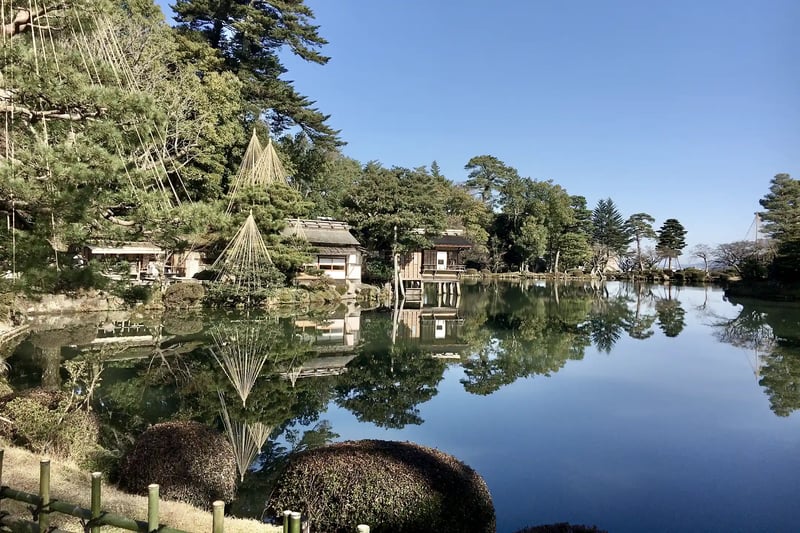
Morning: Travel by bus or taxi from your ryokan to central Kanazawa. Sightseeing during the quiet morning hours is ideal. For example, if you use Kenrokuen’s early-morning opening (available in certain periods), you can enjoy a serene garden walk wrapped in water sounds and birdsong (*1). Walking through mossy grounds with fewer people can feel like a moving Zen practice—your mind naturally clears as your steps continue.
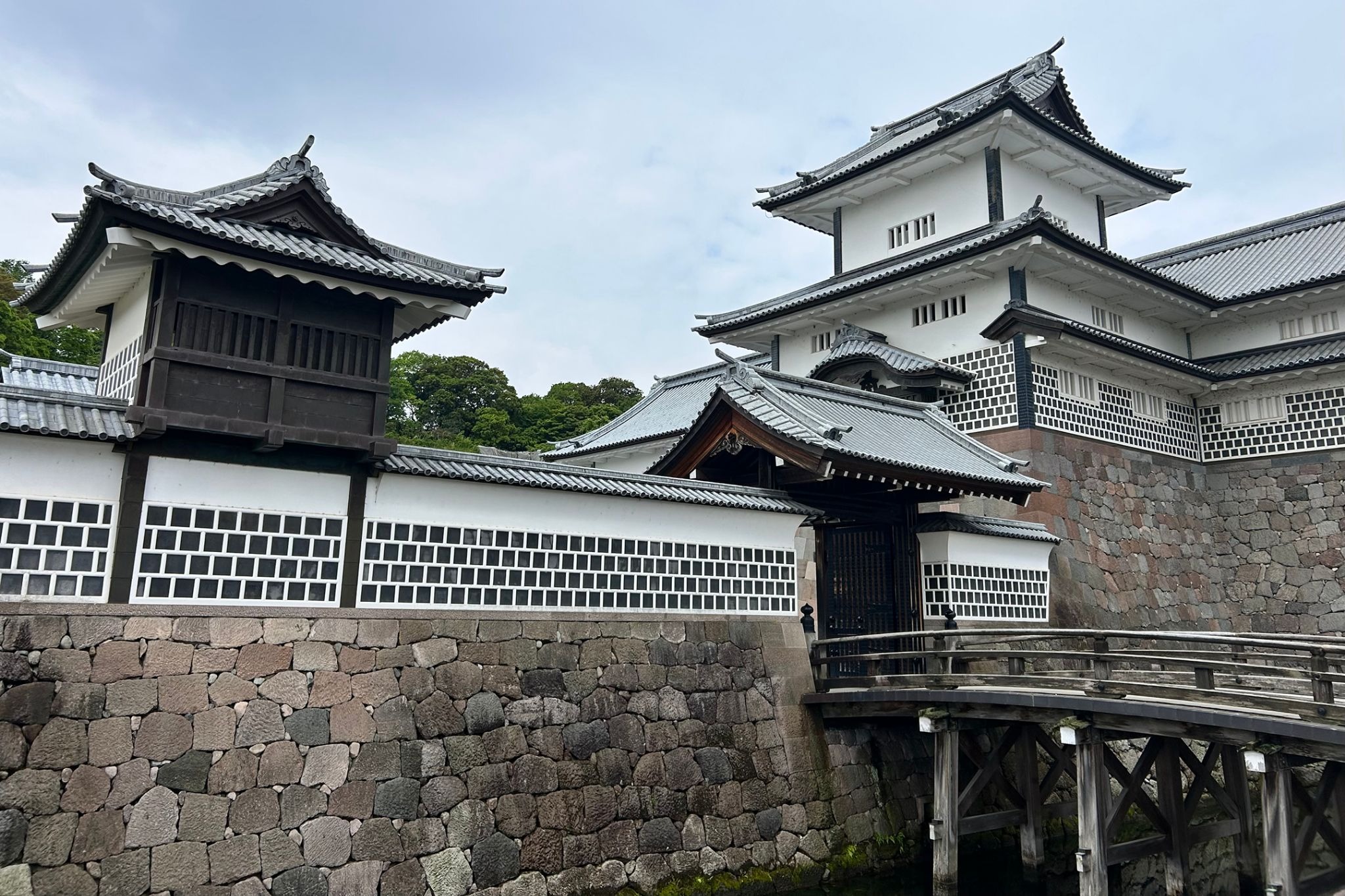
After that, pass through Ishikawa Gate at Kanazawa Castle Park, visit Oyama Shrine, and enjoy the crisp air of the morning. A fresh fruit juice from Omicho Market will give you a quick vitamin boost, too.
Lunch: Have lunch in the city. Avoid overly heavy meals, and choose something light that won’t weigh you down in the afternoon—such as a vegetable-forward lunch, or sushi with less rice if you prefer. A great option is a Kaga-vegetable-focused café where you can enjoy a plate filled with seasonal produce or a shojin-ryori-inspired lunch. You’ll find regional specialties like miso-marinated tofu or kuruma-fu “cutlets,” which are both unique and nutritionally satisfying.
Afternoon: Return to your ryokan area. Since tourist spots get crowded midday, it’s smart not to overpack your schedule—set the afternoon aside for treatment time. If your ryokan (or a nearby facility) offers a spa, reserve an aromatherapy oil massage or facial treatment. A professional therapist can loosen muscular stiffness and support circulation and lymph flow.
During treatment, you may slip into a meditation-like deep relaxation, feeling your body and mind being repaired. If there’s no spa, an afternoon soak plus a short nap on tatami is perfectly fine. Around 1–3 p.m., body temperature dips and sleepiness often rises—so don’t force activity. Enjoy the luxury of doing nothing.
Evening: Around sunset, take another bath. Today, aim for “sunset soaking.” If there’s an open-air bath, hot springs while watching a glowing sky or twilight scenery feel especially special. If you’re in a place like Katayamazu Onsen where you can see the sun sink into the lake, it’s even more beautiful—you’ll forget time as you watch the water reflect the crimson sky. Do one set of contrast bathing, reset your body fully, then calm your circulation with a light stretch before dinner. On tatami, extend your legs and do a gentle forward fold—just enough to lengthen calves and hamstrings.
Night: Ideally, you’ll want to sleep around 9–10 p.m. again on the second night. Dinner may feel slightly lighter than the first day, but it’s delicious, so be mindful not to overeat. Keep alcohol moderate. If your ryokan offers an optional night tour (firefly viewing, stargazing, etc.), you can join if you’d like.
When you return to your room, keep the bedtime routine the same as last night. A warm footbath or a steamed towel on the back of your neck supports calm relaxation. Deep breathing while enjoying a favorite aroma can also help you sleep. Because your travel fatigue has eased, tonight’s sleep may feel even deeper. Rest early and recharge for tomorrow.
Day 3 Integration and Heading Home
Early morning to morning: On your final day, wake early again and create even a short time for zazen (meditation). As a closing ritual, it’s a quiet moment to reflect on what you’ve experienced so far. In a spot where you can see the ryokan’s inner garden, sit upright and focus on your breath for about five minutes. As you feel the reality of being “rebalanced,” open your eyes slowly.
Keep your morning bath light. Avoid soaking too long, and finish with a gentle splash of cooler water (if it feels safe and comfortable) to tighten and refresh. As you pack before checkout, you can also take a light rinse in your room shower—just enough to feel awakened. For breakfast, stop at about 70% full, then (with a little reluctance) leave the ryokan behind.
Morning: If you have time before departure, enjoy a fermentation-focused lunch or shopping. For example, near Kanazawa Station you might try amazake smoothies or miso soft-serve at a specialty fermented-food shop, or buy koji-pickled vegetables. For souvenirs, consider choosing lightweight crafts that continue your wellness theme—objects that slip naturally into daily life. Small Kutani ware plates, Kaga mizuhiki accessories, or Wajima lacquer chopsticks don’t take much space, and they let you bring the memory of the trip into ordinary days.
Afternoon: Head home from Kanazawa Station. During the journey, wrapped in a pleasant sense of fatigue, take a moment to reflect on what you felt on this trip. A body warmed by hot springs, a mind lightened by Zen and yoga, a stomach satisfied by seasonal food—when all of it is in harmony, you’ll likely feel calmer and more energized than you did before you left.
That sensation is the essence of a “rebalancing” journey. When you return to daily life, try carrying forward the self-care elements you practiced here—earlier sleep and waking, bathing methods, meditation and stretching, and fermented foods as a habit. Even after your trip ends, wellness continues.
Seasonal Adjustments
Finally, here are quick seasonal adjustment points.
Spring (March–May): During cherry blossom season, enjoy full blooms at Kenrokuen early in the morning or while visiting temples. In early April, Kanazawa has many famous blossom spots, and if you go first thing, you can appreciate them in quiet. Spring is also the season of new tea. First-flush tea brewed from fresh Kaga bocha buds is richly fragrant, and enjoying it before or after morning meditation can leave your mind bright and clear.
Summer (June–August): Because daytime can be hot, summer’s keywords are gorge walks and morning baths. Kakusenkei Gorge in Yamanaka Onsen stays cooler in the shade, and there may be events such as morning walks or riverside yoga experiences. Enter hot springs during cooler morning and night hours, and don’t push yourself in the midday heat—rest instead. To prevent summer fatigue, adding a tangy dish like vinegared items or ume-plum flavors to your meals can help. After late afternoon, many onsen towns offer beer gardens and fireworks festivals, and heading out in yukata to enjoy a summer-festival mood can nourish your spirit as well.
Autumn (September–November): Foliage season makes “autumn air bathing” unforgettable. Colorful mountains viewed from an open-air bath, leaves drifting past a private bath—just imagining it feels soothing. In early mornings, give yourself time for walks stepping through fallen leaves, and enjoy the fragrances of kinmokusei (sweet osmanthus) and chrysanthemums. Food shifts into harvest mode with saury, mushrooms, chestnuts, and persimmons. Sweet potatoes, chestnuts, and squash are rich in fiber and gentle on digestion, and wagashi made with sweet bean paste are also worth noticing.
Winter (December–February): Winter in Hokuriku brings rewards of snowy scenery and seafood. Snow-viewing baths are pure seasonal luxury—an open-air bath during softly falling snow feels like a different world. After warming to the core, hot amazake sipped while watching a fire at the hearth can taste incomparable. And of course, don’t miss winter’s king: crab. Kano-gani (snow crab) is firm and richly savory, and the concentrated inner and outer roe of female kobako crab feels deeply nourishing. Crab miso is often discussed as being rich in taurine, which may support fatigue recovery as well. Savor it fully, and on the returning shinkansen you may find yourself falling asleep with a pleasant fullness and a gentle, satisfied tiredness.
All year round, onsen ryokan in and around Kanazawa help you realign through the unique gifts of each season. May your journey bring a true reset for body and mind—and a fresh sense of vitality when you return.
The fuller landscape of Kanazawa

In Closing
A hot spring journey in Kanazawa rebalances you through a trinity of stillness, culture, and healing—guiding you toward a renewed version of yourself. By combining historic streetscapes, refined onsen ryokan, exceptional cuisine, and wellness experiences, your trip becomes a deeper retreat that goes far beyond ordinary sightseeing. Use this guide as your foundation, and plan your own “journey that rebalances you through luxury and wellness.”
Whether you focus on onsen in kanazawa itself or venture to nearby hot-spring towns, the slower flow of time you’ll feel here can gently steady your body and mind—especially if daily life has left you a little off rhythm. Take your time, and let that quiet fullness build—slowly, but surely. And when your trip ends, you may find yourself meeting your own smile again—one that feels like it shines from within.