This is your “complete guide to onsen etiquette,” written so you can enjoy Japan’s hot spring culture with confidence—even if it’s your very first time. While each facility may post its own rules, most onsens share three principles: quiet, cleanliness, and respect. From what to do before you step into the water to how to carry yourself afterward, simply knowing the basics helps everyone share the space comfortably—and helps you settle into a genuinely refined, restorative moment. The key is consideration for those around you.
When you move with care for other bathers and show respect for the hot spring itself, you’ll be able to savor a special kind of time—wrapped in stillness, where you can also reconnect with yourself. Let’s walk through the specific manners and tips for enjoying an onsen beautifully.
Onsen Etiquette Basics (The Golden 10 Rules)
Here are 10 essential etiquette points you’ll want for a comfortable onsen experience. We’ll break them into three phases—before bathing, during bathing, and after bathing—so you can use this as a simple checklist. To make it easy to follow even on your first visit, each rule includes the “why” behind it as well.
1 The Changing Room Comes First: Cleanliness Above All
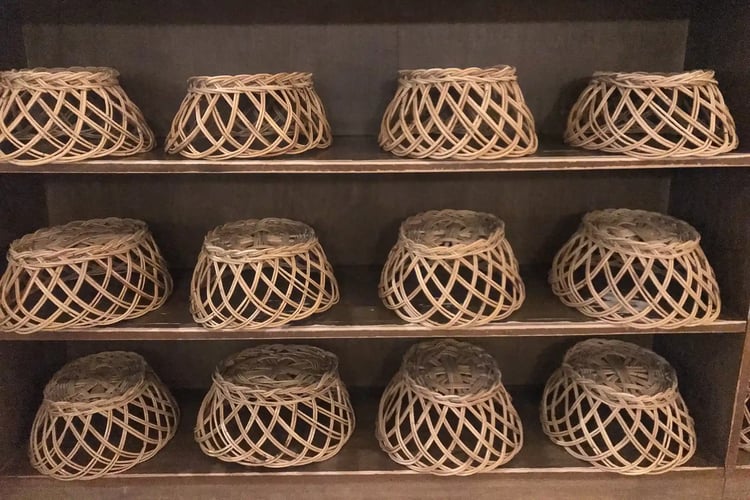
Onsen etiquette begins in the changing room. Once you undress, fold your clothes neatly and place them into your basket or locker so the space stays orderly (*1). Keep personal items to a minimum, and make sure nothing spills out of the basket—small, quiet consideration like this keeps the room comfortable for everyone (*1).
It’s also important not to scatter water droplets on the floor. When you leave the bathing area, dry your body thoroughly with your towel so you don’t wet the changing-room floor. If you walk out dripping, the floor becomes slippery and could lead to someone else falling.
2 A Quick Rinse (Kakeyu) Before the Bath Is Non-Negotiable
When you enter the bath area, don’t step straight into the tub. Use the rinse water provided near the entrance, and pour it over yourself starting from areas farthest from your heart—hands and feet first—then working your way in (*2). This helps your body adjust to the water temperature and can reduce the risk of a sudden rise in blood pressure (*2).
At the same time, it washes off sweat, dust, and oils so you don’t cloud the water for everyone else (*3). If you skip this and enter the tub as-is, you may dirty the bath and inconvenience other guests (*3). If you want the soak to feel truly unhurried and luxurious, don’t rush past this small but meaningful step.
3 Wash Your Body Before Entering the Tub
After your rinse, head to the washing area and clean your body so you’re entering the bath in a hygienic state (*3). Sit down and wash quietly using the shower or a bucket. If you wash while standing, water tends to splash and may hit people nearby.
When washing your hair or body, check your surroundings and be careful not to send soap bubbles or water onto others. Once you’re done, rinse the stool and bucket you used and return them to where they were (*1). In Japanese onsen culture, it’s simply expected that you leave shared items clean for the next person—an everyday kind of thoughtfulness.
4 Keep Your Towel Out of the Water
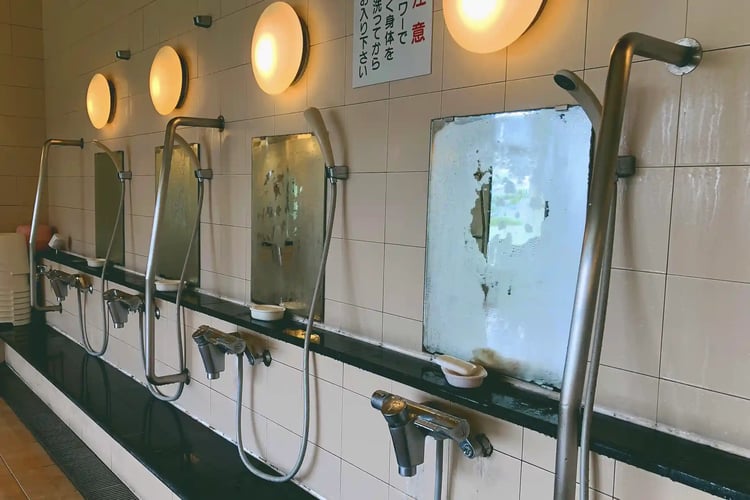
When soaking, don’t let your towel touch the bath water. Many people bring a small towel to cover themselves, but submerging it is strictly discouraged. Towels can carry invisible dirt and bacteria, and dipping them into the tub can compromise the water’s cleanliness (*4).
In the bath, remove the towel from your body and place it somewhere it won’t fall in. If you like, you can wet it with cool water and rest it on your head—this can help keep you from overheating.
5 Tie Your Hair Up
If you have long hair, tie it up so it doesn’t dip into the water. Hair in the tub can leave dandruff or dust floating around, which isn’t hygienic (*5). Use a hair tie or clip to secure it firmly, and if needed, wrap your hair in a towel and twist it up (*5).
Some facilities provide disposable hair ties or shower caps, but bringing your own is a good idea for peace of mind. When fixing your hair, do it at the mirror, and if you notice loose strands, place them in the provided bin and keep the washbasin area tidy.
6 Keep Voices Low, Conversations Short
An onsen is a place for quiet relaxation. In shared bathing areas, keep conversation to a minimum—and if you do speak, do so softly and briefly. Loud laughter, animated chatting, or splashing around can break the calm and spoil the restorative time others are there for.
Using mobile phones, music players, or watching videos is also strictly off-limits in a space where others are unclothed. Even if you’re not using the camera, simply holding a smartphone in the changing room or bath area can make others uncomfortable or uneasy (*4). While you’re bathing, step away from digital devices and focus on the onsen through your senses.
7 Follow the No-Photography Rule
To protect everyone’s privacy, photography is generally prohibited in onsens. Treat smartphones and cameras as off-limits in the changing room and the large public baths (*6). Even if you’re not trying to take photos, other guests can’t tell the difference, and it may be seen as suspicious (*4).
It’s natural to want travel memories, but inside the onsen is where you hold back. If you truly want photos, choose a private bath or an in-room open-air bath where no one else will appear in the frame, or take pictures after you’ve left the bathing area—such as at designated photo spots inside the facility.
8 Prevent Overheating and Stay Hydrated
A refined way to enjoy an onsen is not to soak endlessly, but to take breaks and pace yourself. Staying too long in hot water can make you feel faint or unwell, and you may even experience dizziness when standing up. After you’ve soaked for a while, step out, rest, and let your body cool down a little.
This matters even more if you’re using a sauna or very hot baths—regular hydration is essential. Drink about a glass of water before and after bathing, and between rounds, to help prevent dehydration. Also avoid bathing right after drinking alcohol. Entering the bath while intoxicated can lead to serious accidents such as falls or dehydration (*5). When you’re feeling well and steady, the comfort of the onsen truly shines.
9 Remove Jewelry and Watches
Before bathing, take off metal jewelry and watches. Depending on the minerals in the water, metal can discolor or degrade (*6). Sulfur springs, for example, are known to darken silver.
Rings and earrings can also slip off easily in the water, and there’s a risk someone could step on them and get hurt. Store valuables in a locker in the changing room or leave them in your room safe. When you enter the onsen unencumbered, your body relaxes more freely—and you’ll feel that lightness immediately.
10 Facility Notices and Local Rules Come First
Always follow each facility’s posted rules and precautions. You’ll often see notices at the entrance or in the changing room—read them before bathing (*7). For instance, some onsens switch between men’s and women’s baths at specific times, and some mixed-gender baths set aside women-only time slots. In those cases, it’s good manners to exit promptly and switch over when the time comes.
You may also see region- or ryokan-specific guidance about rinsing methods or towel handling (“○○ is prohibited,” “Please do ○○ here,” etc.). Some facilities also have rules about tattoos (for example, requiring cover-ups or restricting entry), so check signs and ask staff if you’re unsure. Prioritize posted notices and staff instructions above all else, and show respect for the customs of that place.
Onsen Etiquette by the Flow of the Experience (From the Changing Room to After Your Bath)
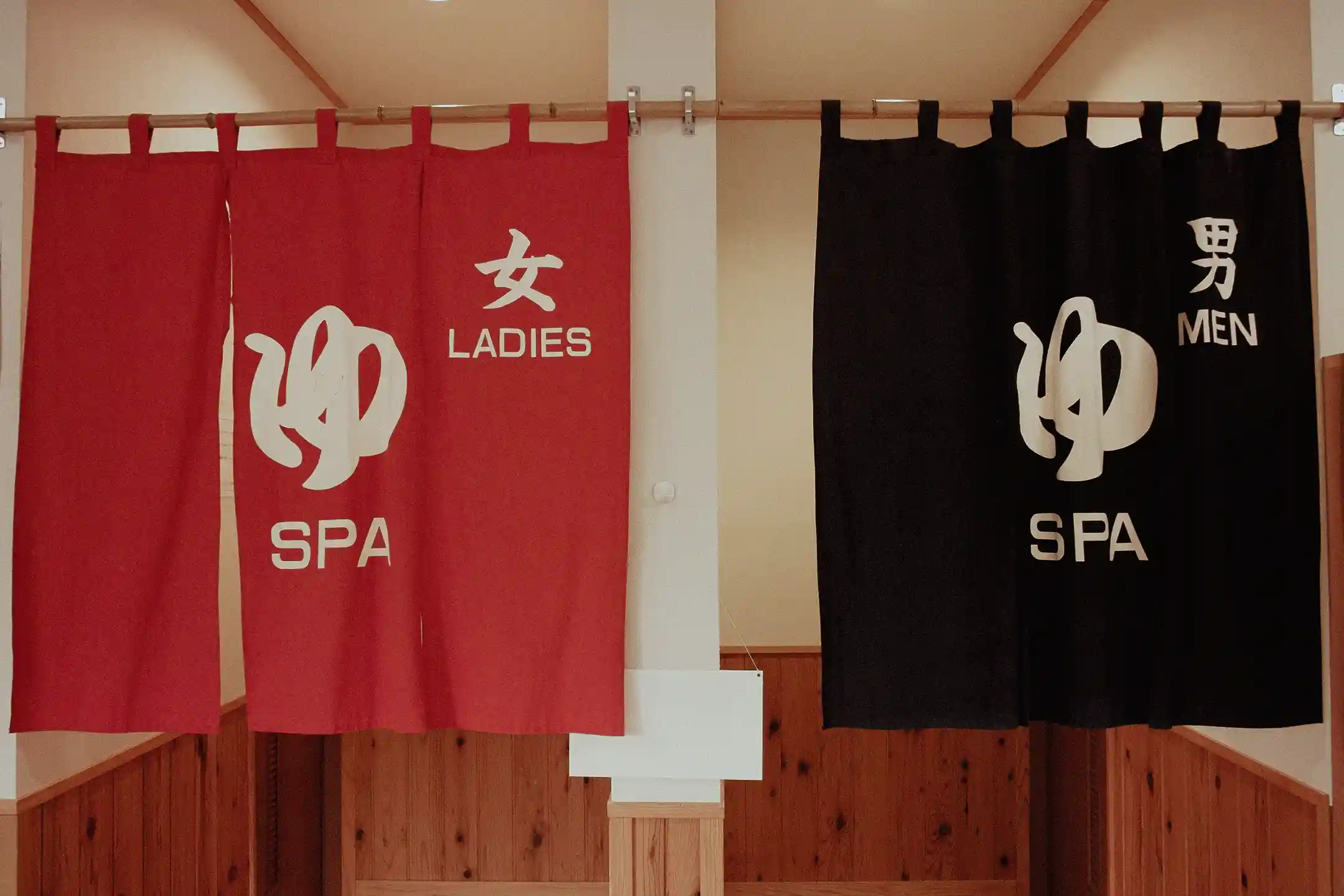
From here, we’ll follow the real step-by-step flow of entering an onsen and confirm the practical manners along the way. From the moment you pass under the noren curtain at a ryokan or day-use hot spring to the time you’re refreshed and leaving the changing room, you’ll see exactly what to watch for at each stage. If you learn it in sequence, it sticks naturally—and even your first onsen visit will feel smooth and self-assured.
How to Carry Yourself in the Changing Room
When you enter the facility, first remove your outdoor shoes and place them neatly in the designated area (many places have shoe lockers at the entrance), then complete check-in.
At the bath entrance, you’ll go into the changing room separated by gender. Use the provided baskets or lockers. The etiquette is to fold your clothes and place them neatly into the basket rather than tossing them in. Keep belongings compact so you don’t take up more space than necessary, and make sure nothing hangs out of the basket. Store valuables in the small safe or locker provided to prevent loss.
If you’re wearing strong perfume or cologne, it’s safer to lightly wipe it off with a towel or rinse it away before bathing. An onsen is a space where the atmosphere—including subtle natural scents—matters, so this is a considerate way to keep your fragrance from overwhelming the room.
How to Use the Washing Area
Once you’re undressed, take a small towel with you and enter the bathing area. Start by washing your body at the washing stations. The basic rule is to sit on the stool while washing (*2). Standing tends to splash water and can bother people nearby. Many showers have shampoo and body soap provided, so feel free to use them with gratitude. Just don’t leave the water running at full force—turn it off when you don’t need it and help conserve water.
When using the shower, angle the nozzle toward your body and take care not to spray others (*3). In particular, if the foam from your shampoo or soap splashes onto someone else, it can feel unpleasant—so if others are close by, lower the water pressure and adjust your movements thoughtfully (*3).
When you’re finished, rinse off the basin and stool you used (*2). If they’re left with soap residue, the next person can’t use them comfortably (*2). Return items to their original place, lightly rinse the surrounding area, and leave the washing station clean.
The Best Order: From Indoor Bath to Open-Air Bath
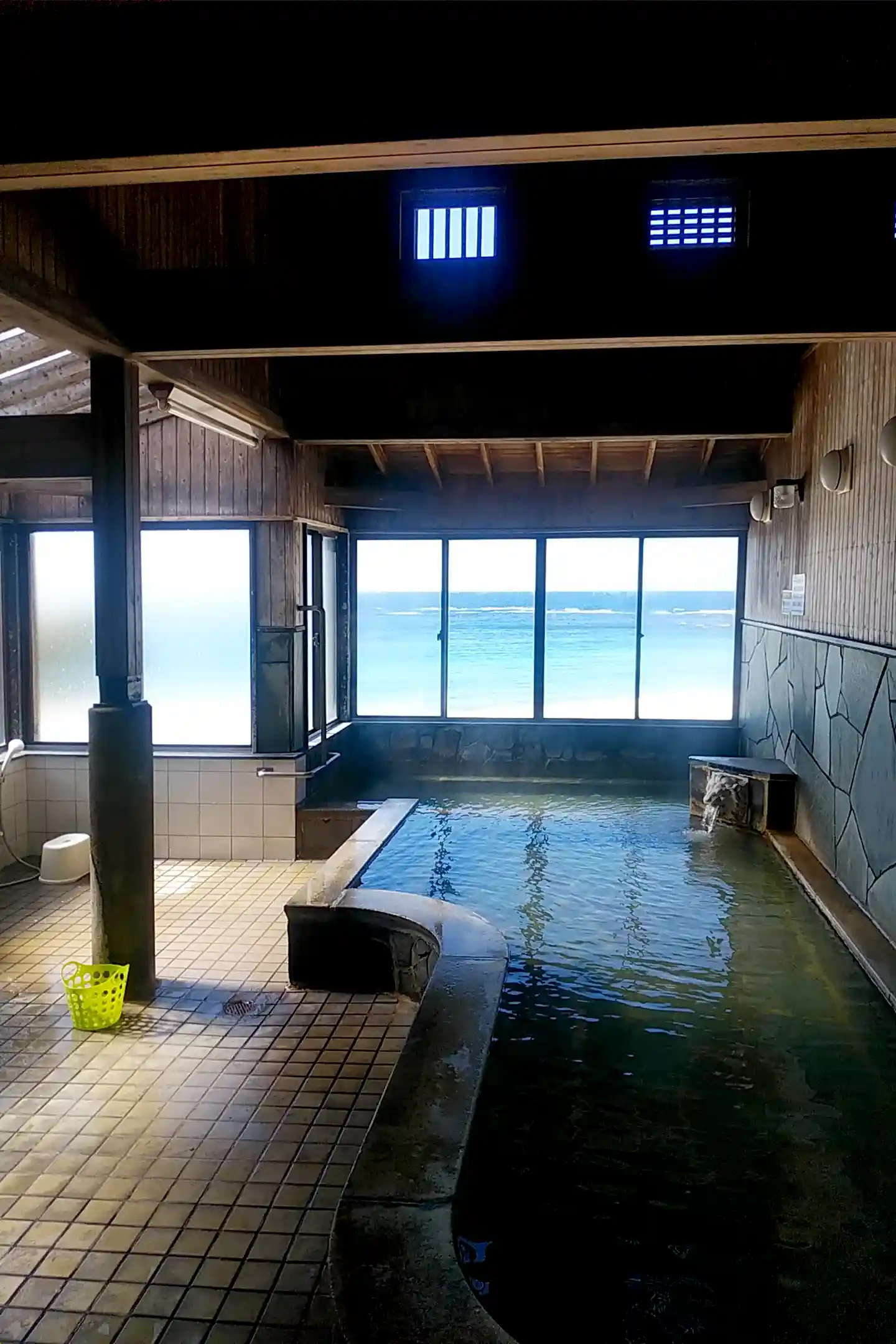
After you’ve washed, it’s finally time to soak. In general, it’s best to warm your body gently in the indoor bath first, then move to the open-air bath.
If you rush straight into a cold outdoor rotenburo, the temperature difference can cause your blood pressure to rise quickly (*1). If you acclimate in the indoor bath first, you reduce strain on your heart and can enjoy the open air more safely. This is especially important in winter, when the temperature gap between the changing room, bath area, and outside can be significant and harder on your body (*1).
Once you’re thoroughly warmed, move to the open-air bath before you cool down. If you’re enjoying a snowy-view bath or soaking in low temperatures, avoid staying in too long—adjust by stepping in and out as needed. Open-air baths offer grand views and the feel of the season, but the best way to enjoy them is calmly and quietly, without getting carried away.
When you soak beneath a wide sky in true stillness, you’ll likely feel your mind and body unwind from the core. If the facility also has a sauna and cold plunge, remember to keep the same awareness of those around you when using them.
After-Bath Etiquette
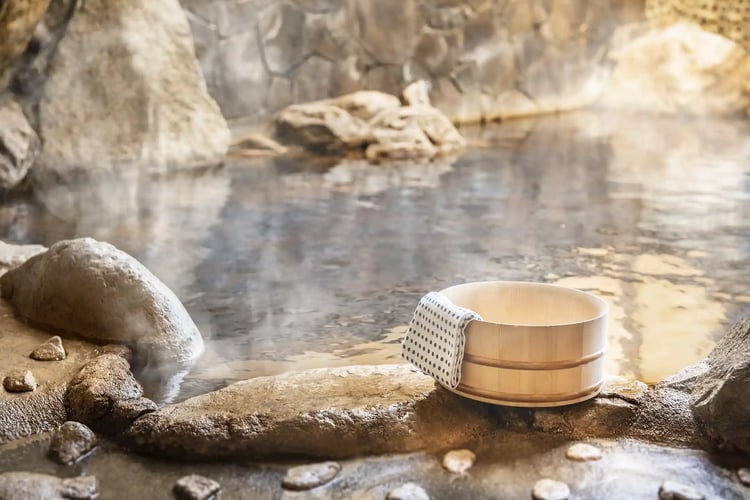
When you’ve enjoyed the onsen, lightly rinse your body near the bath before leaving the bathing area. Before heading straight to the changing room, give yourself a quick wipe-down with your towel. If you remove water droplets before you return, you won’t soak the changing-room floor. Be especially careful if the soles of your feet are wet—slipping and falling is a real risk (*3).
Use the bath towels provided in the changing room to dry off completely, then get dressed without letting your body chill. If you use the communal hair dryer, keep a sharing mindset and finish in a reasonable time. If you occupy it too long, others are forced to wait, and it also wastes energy.
After drying your hair, gather any shed strands by hand and throw them away, keeping the sink area tidy—this is also part of onsen etiquette. Rehydrate with cold water or milk after bathing, and wait until the heat in your body settles before leaving the changing room.
A Time Guide You Can Use
There’s also a knack to timing. A safe and effective bathing approach is “short soaks with breaks.” As a general guideline, if the bath is around 42°C, soak for about 5–10 minutes; if it’s a milder 38–40°C, aim for around 15 minutes. Then step out of the tub and cool down. Repeating this split-bathing cycle 2–3 times helps you enjoy the onsen’s benefits while reducing strain on your body (*4).
Also note: bathing right before bed can raise your core temperature too much and make it harder to fall asleep. Ideally, finish bathing about 1.5–2 hours before bedtime. Your body temperature rises temporarily after bathing and then gradually falls; if you’re comfortably cooling down by the time you get into bed, it can lead to deeper, more pleasant sleep (*5).
By managing your time and listening to your condition as you enjoy the onsen, you’ll rest well at night—and the fatigue of travel will melt away.
Onsen “Don’ts”: What You Should Avoid
Next, here’s a clear list of behaviors you should absolutely avoid at an onsen. From hygiene and safety to basic consideration for other guests, the actions below are generally seen as unacceptable. Some can happen without you realizing it, so it’s worth keeping them firmly in mind.
Loud Voices, Running, and Jumping In
In public baths, you should not raise your voice, run around, or behave in a rambunctious way. An onsen is a space to enjoy stillness, and noisy behavior disrupts other people’s peace (*1). For example, laughing loudly with friends or splashing around playfully is not acceptable. If you’re visiting with children, keep an eye out so they don’t start running.
Bathhouse floors are wet and slippery, and running can cause serious injuries. Similarly, jumping into the tub is prohibited (*1). This isn’t a pool—if you “cannonball” in, the noise and splash will startle others, and you could injure yourself on the bottom of the bath. Enter and exit calmly and quietly, and act with the awareness that this is “everyone’s bath.”
Washing Hair or Scrubbing in the Tub
Washing your hair or scrubbing your body inside the bath is also against etiquette. The tub is for warming up and relaxing—not for washing. Use shampoo and soap only at the washing stations. If you wash or scrub in the tub, dirt and foam seep into the water and can make others uncomfortable.
Even if you don’t notice, detergent ingredients may linger and affect the water quality for the next person. Also, never wash towels, swimsuits, or underwear in the bath (*1). This is a clear nuisance and shows a lack of consideration for other guests. In an onsen, “don’t dirty the water” is the rule you should keep front and center.
Bathing Right After Drinking or While Intoxicated
You might picture the idea of a hot spring while feeling pleasantly tipsy—but bathing while intoxicated is something you should absolutely avoid.
If you enter hot water right after drinking alcohol, circulation can increase too much and make you more prone to feeling ill from the heat, and there have been real cases of drowning accidents when people’s balance and awareness were impaired (*1). Entering the bath while drunk can be dangerously reckless. Japanese onsen culture often includes strong warnings about drinking before or after bathing, and some ryokan may even encourage you to moderate alcohol intake at dinner.
Save alcohol for after your bath, once you’ve rehydrated and fully settled. That post-bath drink feels especially satisfying—and many people find it tastes even better that way.
Onsen Etiquette by Scenario
Depending on the type of onsen and the situation, the small points of consideration can shift slightly. Here, we’ll explain the etiquette you’ll especially want to keep in mind for shared large baths, open-air baths, private baths and in-room rotenburo, and onsen facilities with saunas. Match your behavior to who you’re with and the setting, and you’ll enjoy the experience at its best.
Core Rules for a Ryokan’s Large Public Bath
In a ryokan or hotel’s large communal bath, following the basic manners described so far is the most important thing. Since it’s a shared space used by all guests, it can become crowded depending on the time of day. If you’re bathing during peak hours, bring a spirit of give-and-take in the washing area and the changing room.
In the changing room, don’t occupy “your spot” for too long; make space so others can change comfortably. People of many ages and nationalities share these baths, so keeping the basics consistent helps everyone feel at ease.
What to Watch for in an Open-Air Bath
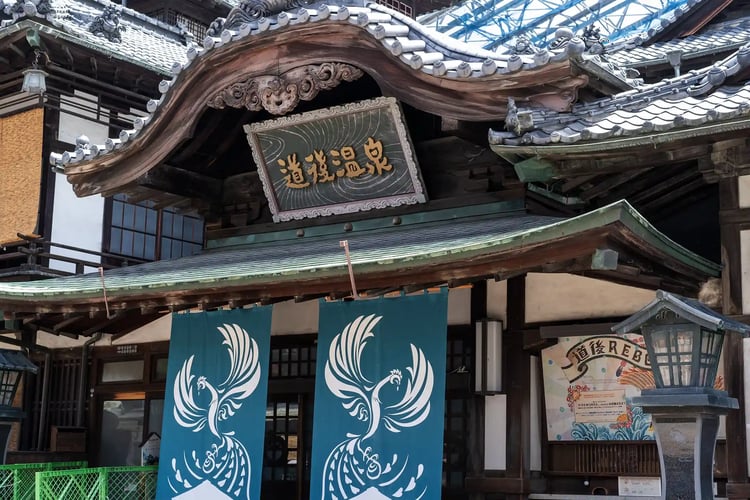
The joy of an open-air bath is soaking while feeling the seasons and nature around you. Still, outdoor settings come with special considerations. In winter or other cold periods, exposing your heated body to cold air can cause your blood pressure to fluctuate more dramatically (*1). When it’s cold, warm up well in the indoor bath before moving outside, and when you enter the rotenburo, don’t submerge to your shoulders immediately—start with a half-bath to let your body adjust (*1).
In summer, be mindful of long soaks under direct sun. To prevent overheating, move between cooler indoor baths and rest areas to manage your body temperature. And even though you’re outdoors, keep voices and noise minimal and savor the quiet—this is part of the grown-up elegance of rotenburo.
At night, soaking under the stars in true stillness can be unforgettable. Remember that other guests are sharing the same night sky, and enjoy it with good manners.
How to Use Private Baths and In-Room Open-Air Baths
In a private bath (private onsen) or a room with its own rotenburo, you can enjoy the water without worrying about strangers—perfect for families or couples. Still, even in a private setting, don’t forget the minimum etiquette.
For example, rinse before entering, don’t use soap in the tub, and don’t monopolize the bath endlessly—the basics remain the same. In particular, private baths often run on reservation time slots, so be punctual and finish in time for the next guest. If you wipe away water droplets around you afterward and leave the space neat, it’s a smart and considerate handover.
If your room has a private open-air bath, be mindful of noise late at night or early in the morning, as sound can carry to neighboring rooms. It’s precisely because it’s private that keeping good manners lets you relax fully and enjoy the luxury with peace of mind.
Sauna and Cold Plunge Etiquette
Some onsen facilities also have a sauna and cold plunge. Sauna use comes with its own set of manners, so it’s worth knowing the basics.
First, dry your body well before entering the sauna. If you go in wet, you’ll soak the sauna mats, which is unhygienic and unpleasant for others. Conversation should generally be kept to a minimum in the sauna.
Many people are enjoying a quiet moment to reflect, so loud chatting is considered poor manners. Respect each other’s calm “totonoi” time—that shared atmosphere is part of the appeal. If self-loyly (pouring water over sauna stones to create steam) is allowed, don’t pour large amounts on your own—follow the facility’s guidance and keep it moderate.
After sweating thoroughly, don’t jump straight into the cold plunge. Rinse off in the shower first (*2). Entering the cold water while covered in sweat can worsen water quality and make others uncomfortable (*2). Ease in quietly, and be careful not to chill yourself too much. Alternating between sauna and cold plunge can feel invigorating, but don’t push yourself—listen to your body and proceed at a pace that feels safe.
How to Protect Quiet and Privacy (For a Refined Stay)
To make your onsen time feel truly luxurious—an experience of deep restoration—your attention to quiet and privacy matters. Respect for other guests and graceful conduct can elevate your hot spring trip into something a level above. In this section, you’ll learn how to carry yourself quietly and how to honor privacy in ways that make the shared space more comfortable for everyone.
Etiquette for Volume, Movement, and Where You Look
In an onsen, your movements and the sounds you make can carry more than you expect. In the bath, settle in slowly and avoid making unnecessary splashing noises.
Move gently, and enter and exit the tub quietly. When other bathers are present, it helps to act in a way that doesn’t over-assert your presence—think of blending into the mood of the place. In practice, calm and courteous behavior is what creates an elegant, comfortable time for everyone (*1).
Also, because this is a bathing culture where people enter nude, staring at others’ bodies is strictly inappropriate. Fixating on someone’s physique or tattoos out of curiosity is disrespectful. At the same time, others aren’t closely scrutinizing you either—so you can relax, give each other space, and enjoy the onsen without unnecessary self-consciousness (*1).
Women-Only Time Slots and Zoning
For women guests in particular, privacy and a sense of security are especially important. That’s why some facilities set women-only bathing times or areas. For example, at ryokan with mixed-gender open-air baths, there may be designated time periods when only women are allowed to use the bath.
Some ryokan also switch the men’s and women’s large baths late at night or early in the morning (swapping which bath is assigned to which gender). These schedules are typically announced in advance, so check carefully and follow them. Men should of course not enter during women-only time, and on the women’s side, it’s thoughtful to wrap up smoothly near the end of the time slot so the transition is seamless.
If you prefer more privacy, aiming for quieter hours can also help. Weekday daytime slots, or the busy dinner period when many guests are in dining areas, are often less crowded—use those windows to enjoy a calmer soak. An onsen should feel like a free, open space for everyone, and when you protect each other’s privacy, your stay becomes more satisfying and relaxed overall.
Eco-Friendly Onsen Use (A Sustainability Perspective)
To keep enjoying hot springs nurtured by beautiful natural environments for years to come, it’s worth bringing a bit of environmental awareness with you. Here, you’ll find eco-friendly points to keep in mind when using an onsen. Small choices add up—and they support a more sustainable future for hot spring towns.
Water Conservation and Energy-Saving Habits
Even at a hot spring, water is a precious resource. Don’t leave the shower or faucet running continuously—use only what you need (*1). Depending on flow rate, running a shower for just one minute can use around 12 liters of water or more. Because so many people share an onsen, each person’s awareness of saving water makes a real difference.
Also, boilers and onsen pumps work to maintain water temperature, so extremely long bathing times can add strain in terms of energy use as well. Getting out after an appropriate amount of time is good for your health—and also kinder to the environment.
When using hair dryers in the changing room, try not to use multiple dryers unnecessarily or keep one running for too long. A practical tip for drying faster is to towel-dry thoroughly first to remove as much moisture as possible, then use the dryer—this is both efficient and considerate.
How to Choose and Use Amenities
Use amenities like shampoo and soap with the environment in mind. Recently, from the perspective of reducing plastic waste, many hotels and ryokan have been rethinking how they provide disposable amenities. Take only what you need, in the amount you need, and if you don’t use something, leave it unopened—small efforts like this help minimize single-use waste (*2).
For example, more properties are no longer placing toothbrushes or razors in every room, instead distributing them at the front desk only upon request (*2). Bringing your own amenities is another great option. In that case, choosing plant-based soaps or shampoo bars (solid shampoo) can be gentler both for you and for the environment.
In many hot spring areas, you may also find locally made soaps and cosmetics—sometimes tied to local water resources or the use of onsen heat. Buying and trying these regional products can be part of the fun of travel, while also supporting the local economy.
Local Circulation and Eco-Tourism
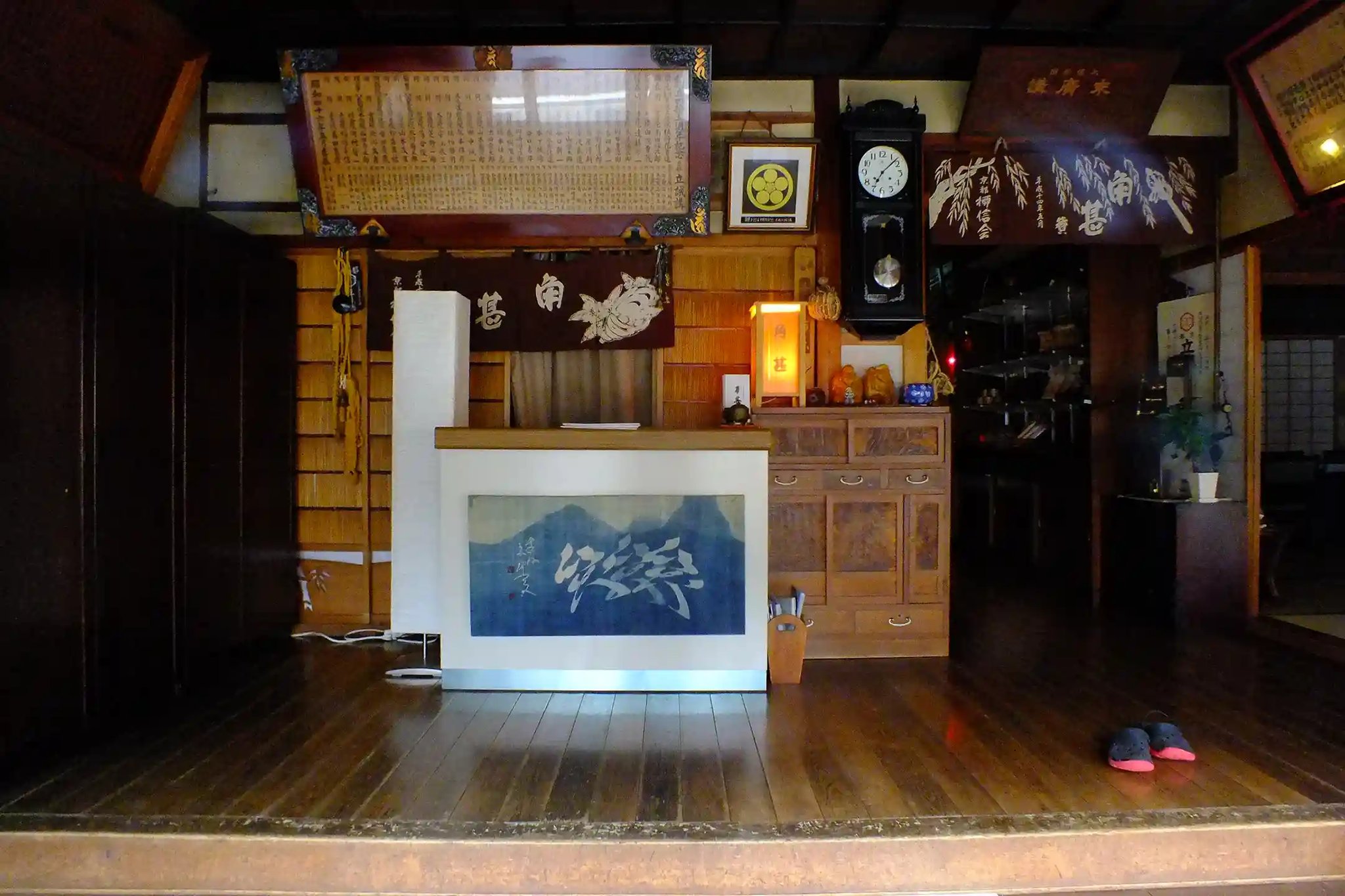
When you travel for onsens, try to hold a genuine respect for the area’s culture and nature. Practically, that might mean visiting small local ryokan or public bathhouses, or choosing souvenirs and ingredients produced locally. These choices help support sustainable regional development—eco-tourism in action.
Japan also has a tax called nyutozei (bathing tax). For each person per night, a fee set by local ordinance is collected and paid to the hot spring municipality. This is a purpose-specific tax used for things like environmental sanitation facilities, protection of hot spring sources, fire safety equipment, and tourism promotion—supporting maintenance and preservation of hot spring areas (*3). In other words, the act of bathing itself also becomes a form of contribution to the community.
And when you stroll through an onsen town, don’t forget basic etiquette like taking your trash with you and sorting it properly. When you act with an awareness of protecting the beautiful scenery and rich natural environment, you’ll be welcomed more warmly by the community—and you may find your interactions becoming more rewarding, too.