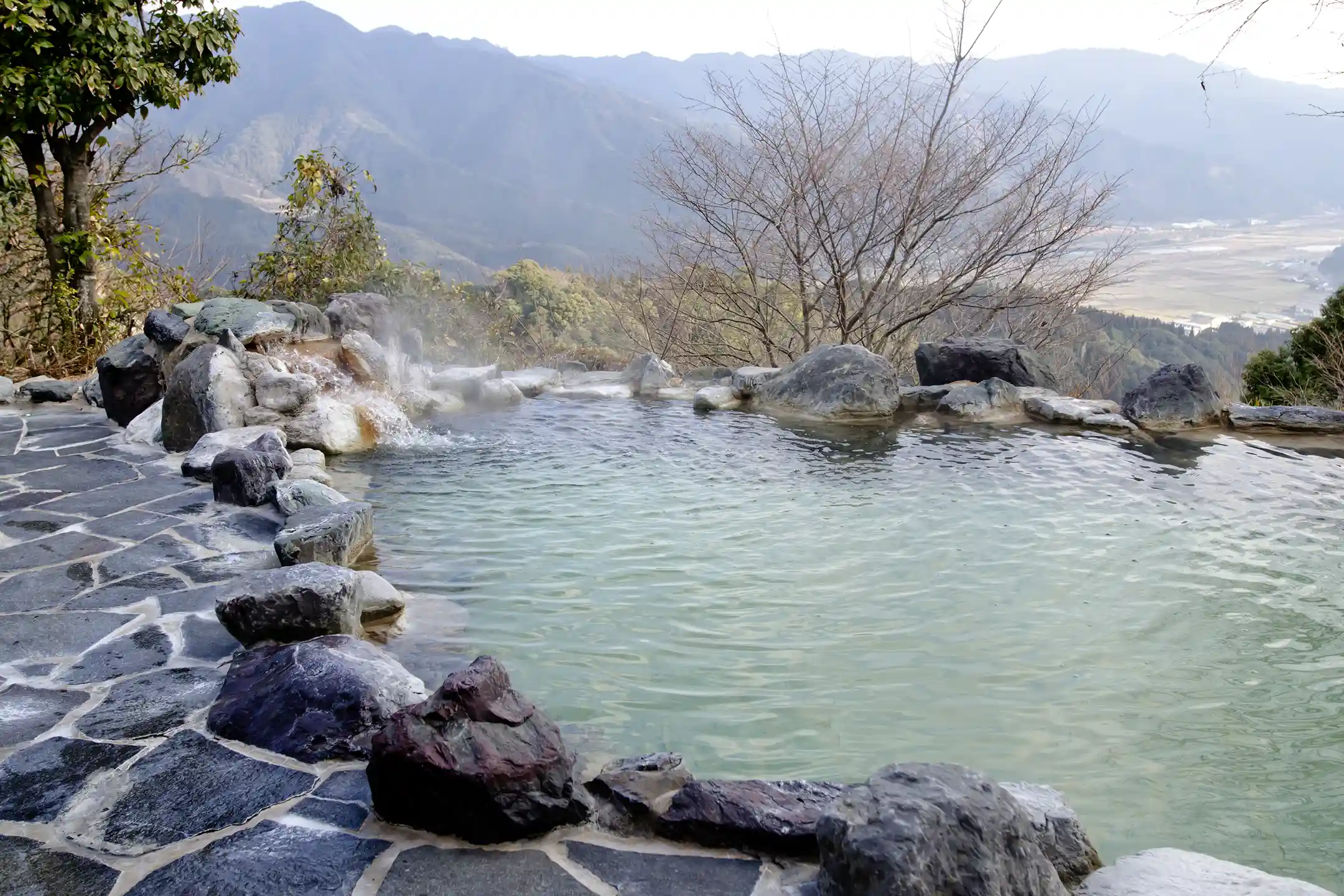
Japanese onsen (hot springs) are a symbol of culture and wellness—deeply relaxing, yet full of customs that can feel intimidating on a first visit. In this guide, you’ll get a clear, comprehensive look at everything from the definition and history of onsen to the correct way to bathe, essential etiquette, the culture of mixed bathing, and the unique appeal of Beppu’s Takegawara Onsen. Learn how hot springs work, what the posted signage means, and what manners matter most—so you can feel confident, respectful, and fully prepared for a high-quality onsen experience in Japan.
What Are Onsen?—Definition, History, and Cultural Value
To understand what onsen truly are, start with Japan’s legal definition and the geological context behind them. Under Japan’s Hot Springs Act, “onsen” refers to hot water, mineral water, water vapor, or other gases that emerge from underground and are either at least 25°C at the source, or contain specific mineral components above set thresholds. Even if the source temperature is lower than 25°C, it can still qualify as onsen if designated components—such as sulfur or lithium—exceed the required standards.
As a volcanically active country, Japan has an extraordinary number of hot spring sources—about 28,000 nationwide. For Japanese people, onsen have been close at hand since ancient times. Descriptions of hot springs appear in the Kojiki and Nihon Shoki, compiled in the Nara period, and places like Arima Onsen have long been cherished, even by the imperial family.
From the Meiji era onward, regulations in urban areas included restrictions such as bans on mixed bathing. Even so, in rural public bathhouses, onsen continued to function as the heart of local communities—places for social connection and rest. Today, onsen towns are closely tied to travel, captivating visitors with atmospheric hot spring streets, outdoor baths with beautiful natural views, and regional cuisine. Onsen are not simply hot water; they are part of everyday Japanese life and culture itself. That value is increasingly recognized both in Japan and abroad, and in recent years there has been a growing national effort—through cooperation among hot spring regions and local governments—to promote and safeguard “onsen culture” internationally.
Efforts to protect and pass down onsen culture are expanding across Japan, and if UNESCO inscription is ultimately achieved, global attention toward Japanese onsen will likely rise even further. Hot springs that have soothed people since antiquity can also be understood as a cultural heritage Japan can proudly share with the world.
Onsen Basics and How to Read Facility Signage
At onsen destinations, bathhouses and ryokan often display an onsen analysis report and instructions for use. You may see technical terms like “source temperature,” “components,” and “emergence type,” but once you know what to look for, it’s easier than it seems. For example, “source temperature” refers to the temperature at the spring source; below 25°C is typically treated as a cold mineral spring, while 42°C or above is categorized as a high-temperature spring. “Components” refers to the main minerals in the water, which determine the spring type (such as sulfur spring or chloride spring). “Emergence type” indicates whether the spring water rises naturally or is pumped up through drilling.
Depending on the facility, you may also see labels such as “free-flowing from the source,” “circulated and filtered,” or “water added.” Since 2005, amendments to the enforcement regulations of the Hot Springs Act have required facilities to disclose whether the bath water is diluted, heated, circulated/filtered, or disinfected, and (in many cases) why. For instance, “free-flowing from the source” generally means the water is continuously supplied to the bath and allowed to overflow rather than being recirculated for reuse.
On the other hand, if you see “circulated and filtered,” you’ll know the water is being filtered and recirculated. “Water added” means water is added to adjust temperature or volume, while “disinfected” indicates sterilization measures such as chlorine treatment. By reading these labels, you can better understand how closely you’ll be enjoying the spring’s natural character—and how the facility is balancing authenticity and hygiene.
The Relationship Between Onsen and Wellness
The idea that onsen bathing supports wellbeing can be explained through both physical and psychological effects. Physically, warm water, buoyancy, and water pressure all act on the body.
When you soak in warm water, heat reaches your core; blood vessels expand and circulation improves. Oxygen and nutrients are delivered throughout your body, and the removal of metabolic waste is supported—helping to ease muscle stiffness and fatigue. Buoyancy reduces how heavy your body feels in the water, easing stress on joints and muscles and making it easier to relax.
Water pressure helps push blood that tends to pool in the legs back toward the heart, which can also support reduced swelling. Psychologically, the comfort of soaking helps soften stress and support the autonomic nervous system. Some studies also suggest bathing can contribute to deeper sleep afterward, which is one reason many people find onsen especially restorative.
In addition, many onsen ryokan baths are designed with dim lighting and quiet calm, wrapped in the scent of wood and drifting steam. These sensory cues create a soothing environment that settles your mind and invites a meditative kind of peace.
If you’re in an open-air bath surrounded by forest, the experience can feel even more refreshing, enhanced by the atmosphere people often associate with forest bathing. In this way, onsen can be understood as a traditional Japanese form of holistic wellness—supporting both body and mind in a way that also aligns with common scientific explanations of relaxation and recovery.
How to Bathe in an Onsen—A Step-by-Step Guide So You Won’t Worry on Your First Visit
If it’s your first time entering a Japanese onsen, you might feel uneasy—“What’s the right procedure?” “What are the manners?” But you don’t need to worry. Here, you’ll find a concrete, step-by-step walkthrough of the entire flow, from check-in to after your bath.
Once you understand the rhythm, anyone can enjoy onsen comfortably. Even if you’re new to Japanese onsen culture, following this guide will help you experience it with confidence—and you’ll likely be surprised by just how good it feels. Let’s dive into the essential steps.
Step-by-Step Guide
①Preparation (valuables and hydration):When you arrive at an onsen facility, start by purchasing a bathing ticket at the reception or a ticket machine. Store your valuables in a locker, and take only a towel into the bathing area. Before bathing, drink a moderate amount of water (for example, a glass) to help prevent dehydration from sweating. Tie up long hair, and remove makeup and accessories (especially silver jewelry, which can discolor due to hot spring minerals).
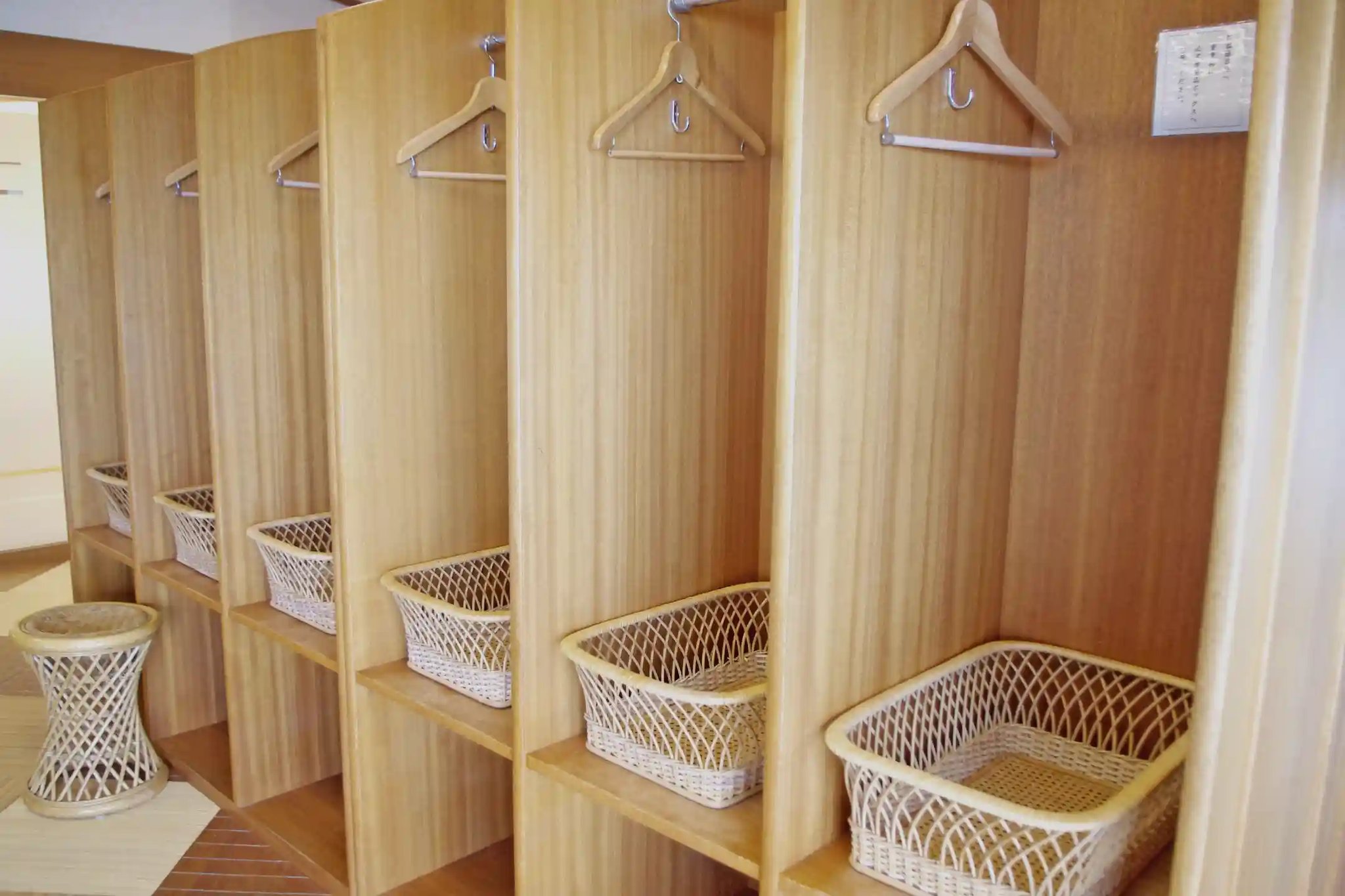
②Changing and rinsing (kakeyu):In the changing room, remove your clothes and place them in a basket or locker. When you enter the bathing area, begin with kakeyu to rinse away sweat and dirt. Scoop warm water with a small wash basin, and pour it over yourself starting from your feet—furthest from the heart—and working upward (*1). This rinsing also helps your body adjust to the heat. After rinsing thoroughly, you’ll enter the bath in a clean state.
③Washing and soaking:If there is a washing area (showers and stools), wash your body with soap before entering the tub. Sit on the provided stool and rinse your hair and body with shampoo and body soap (be mindful not to splash foam or water onto others). Once you’ve finished washing, rinse lightly, and then it’s time to soak. Start slowly with a half-body soak, and once you’re used to the temperature, sink in up to your shoulders and relax.
A good guideline is about 10 to 15 minutes per soak—just long enough for a gentle sweat to appear. If you stay in too long, you may feel lightheaded, so step out at a reasonable point, take a break, and consider soaking a few times. Many onsen guides suggest limiting full soaks to a few rounds per day (*2).
④Getting out of the bath:Once you’re thoroughly warmed, step out of the tub. To preserve the mineral feel on your skin, many people skip a final rinse with fresh water. However, if you have sensitive skin, or if the spring is strongly acidic or otherwise stimulating, it’s fine to rinse lightly with a shower before leaving. Back in the changing room, dry your body well with a towel and get dressed promptly so you don’t chill.
⑤After-bath care:Hydration is essential after bathing. Since you can sweat significantly during a soak, replenish fluids with cold water, a sports drink, or similar. Also, even if mineral water leaves your skin feeling smooth, it can still become dry afterward, so consider skincare with moisturizer as needed. That’s the basic flow. Move at your own pace with an easy, unhurried mindset—and savor your onsen time.
Tips for Staying Comfortable
Here are a few pointers to make your onsen time even more comfortable. First, consider what you wear (or rather, what you bring): remove glasses and precious metals before bathing. Silver rings, in particular, can darken in sulfur springs. Also, avoid strong perfume, as it can bother others nearby. Next, think about timing. At onsen inns, the baths are often quieter if you go during dinner hours or early in the morning.
Conversely, if you avoid the nighttime peak, you may find the atmosphere far more relaxing—sometimes just shifting your timing makes a noticeable difference. What you do after bathing matters, too. Avoid intense exercise or drinking alcohol immediately afterward; instead, rest your body in a calm environment. If you bathe 1 to 2 hours before bedtime, it can be easier to drift into deeper sleep. At an onsen ryokan, it’s especially enjoyable to cool down in the lounge, read a book, and let the quiet stretch out.
Designing a Digital Detox
Onsen are a perfect chance to step away from daily life and reset your mind and body. Keep the use of smartphones and other devices to an absolute minimum while you’re inside. In particular, using a phone—or taking photos—in the bathing area or changing room is strictly prohibited. Out of respect for other guests, and to help yourself truly unwind away from screens, take the opportunity to switch your device off. Instead, try closing your eyes quietly as you soak, or enjoy simple pleasures like a cold bottle of milk after your bath.
Some onsen inns intentionally avoid placing games or televisions inside, valuing silence and stillness. In a space that feels removed from the ordinary, savoring the “luxury of doing nothing” is often what brings your mind the deepest kind of rest.
Onsen Manners—Etiquette and Cultural Understanding
Japanese onsen are shared public spaces. To ensure everyone can spend time comfortably, there are manners and etiquette you’re expected to follow. These aren’t merely rules; they’re also key to understanding onsen culture more deeply. Cleanliness, consideration for others, and respect for uniquely Japanese customs—if you keep these in mind, good manners will come naturally. Below, you’ll find the essential onsen etiquette organized clearly, so even if it’s your first time, you can arrive feeling prepared and at ease.
Etiquette of Cleanliness and Quiet
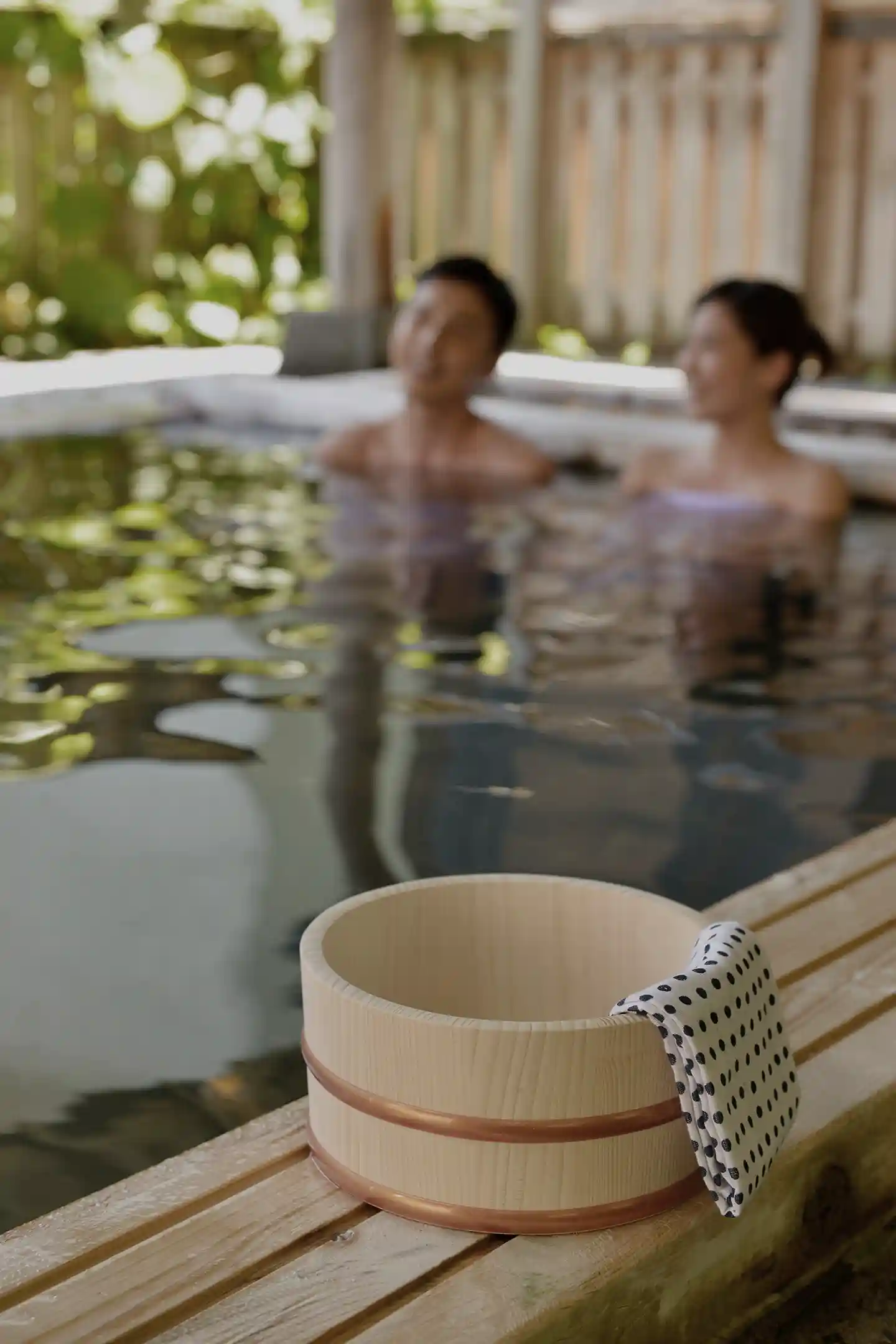
In onsen, cleanliness comes first. Before entering the tub, always rinse your body and wash away sweat and dirt. Also, do not put towels into the bath. Lint from the fabric and residue from soap can dirty the water, so the proper etiquette is to keep your small towel on your head or on the edge of the tub—never in the water (*1). In the tub, soak calmly; don’t swim or dive. Even if you’re with small children, be careful not to splash or make loud noises.
It’s also important to keep the bathing area quiet. Many people come to onsen to relax in silence, so avoid loud conversations or laughter. Even with friends, lower your voice and be mindful not to interrupt someone else’s healing time. In addition, photography is prohibited in the bath area. Even holding a camera or smartphone can make other guests feel uneasy. The golden rule is: do not bring devices into the bathing area.
There are also rules when using saunas and cold baths. In the sauna, sit on the provided mat or place a towel beneath you so sweat doesn’t soak the surface. After you’ve perspired, rinse off in the shower before entering the cold bath. Don’t stay in the cold bath too long at once, and use it considerately so others can take turns. When you follow these basics, everyone can enjoy the onsen comfortably.
How Tattoo Policies Work
If you have a tattoo, it’s best to confirm in advance whether you can use a facility. Many onsen in Japan have traditionally restricted tattooed guests, but in recent years more facilities have begun allowing entry if tattoos are covered with a patch, and some have become more accepting in consideration of international visitors. In a Japan Tourism Agency survey (2015), about 56% of facilities indicated “not allowed,” around 13% allowed entry under certain conditions, and about 31% reported no particular restrictions (*2). Because policies vary widely (and may have changed since the survey), contacting the facility ahead of time is the most reliable approach.
If your tattoo is small, you may be able to cover it with a skin-toned patch, or you can choose a private bath. As a matter of etiquette, be considerate so it doesn’t draw attention in shared spaces, and enjoy the onsen with respect for the culture.
Differences Between Mixed Bathing, Gender-Separated Baths, and Private Family Baths
Japanese onsen are generally separated by gender, but traditional mixed bathing culture still remains in some areas. There are also reservable private baths (family baths) that families and couples can use together. Let’s clarify the differences.
Mixed bathing refers to a single bath where men and women soak together. Historically, this was once common across Japan. Over time, crackdowns intensified during the Meiji period, and in 1900 (Meiji 33), an Interior Ministry ordinance made mixed bathing in public bathhouses across the country generally prohibited (excluding children under 12). Even so, mixed bathing persisted in some rural therapeutic hot spring areas, and in certain regions, men and women continued bathing together in communal baths until the mid-Showa period. Today, mixed bathing is limited to a small number of secluded hot springs and long-established inns—but precisely because of that, it remains a valuable living tradition that carries historic bathing culture into the present.
In many modern mixed baths, women are allowed to bathe while wearing a bath towel or special bathing garment. When you enter a mixed bath, the etiquette is to be mindful of your gaze, keep an appropriate distance, and soak quietly. Recently, some facilities have introduced women-only hours for mixed open-air baths, or require swimsuits. If you want to experience mixed bathing, check each facility’s rules in advance—such as permitted hours, whether towels or swimsuits are allowed, and any age restrictions—and follow them closely.
Private baths (family baths), by contrast, are exactly what they sound like: a private tub reserved for just your family or group. They often require an additional fee or a reservation, but they let you enjoy onsen together without worrying about others. A private bath can also be a great choice if you can’t use a large public bath due to tattoos, or if you’re traveling with small children.
A Meditative Way to Spend Your Time
To help your body and mind settle even more, try a meditative way of bathing. Once you’re soaking, close your eyes and repeat slow abdominal breathing—inhale gently through your nose and exhale through your mouth. As warmth envelops you and you focus on your breath, mental clutter begins to fade. If you listen closely, you may notice the soft sounds of water and wind, while the aroma of sulfur or hinoki cypress carried on the steam brushes your senses.
When you fully engage your senses and place your awareness on “this moment,” onsen becomes a kind of meditation space. If others are bathing nearby, keep things quiet and remember consideration and kindness even in this uniquely unguarded setting. Onsen can be a place where your mind feels unclothed, too. Exhale slowly—let stress leave with your breath—and spend a moment as if you’re quietly conversing with yourself in warm water.
Onsen Benefits and the Basics of Spring Types—Choose by How They Feel
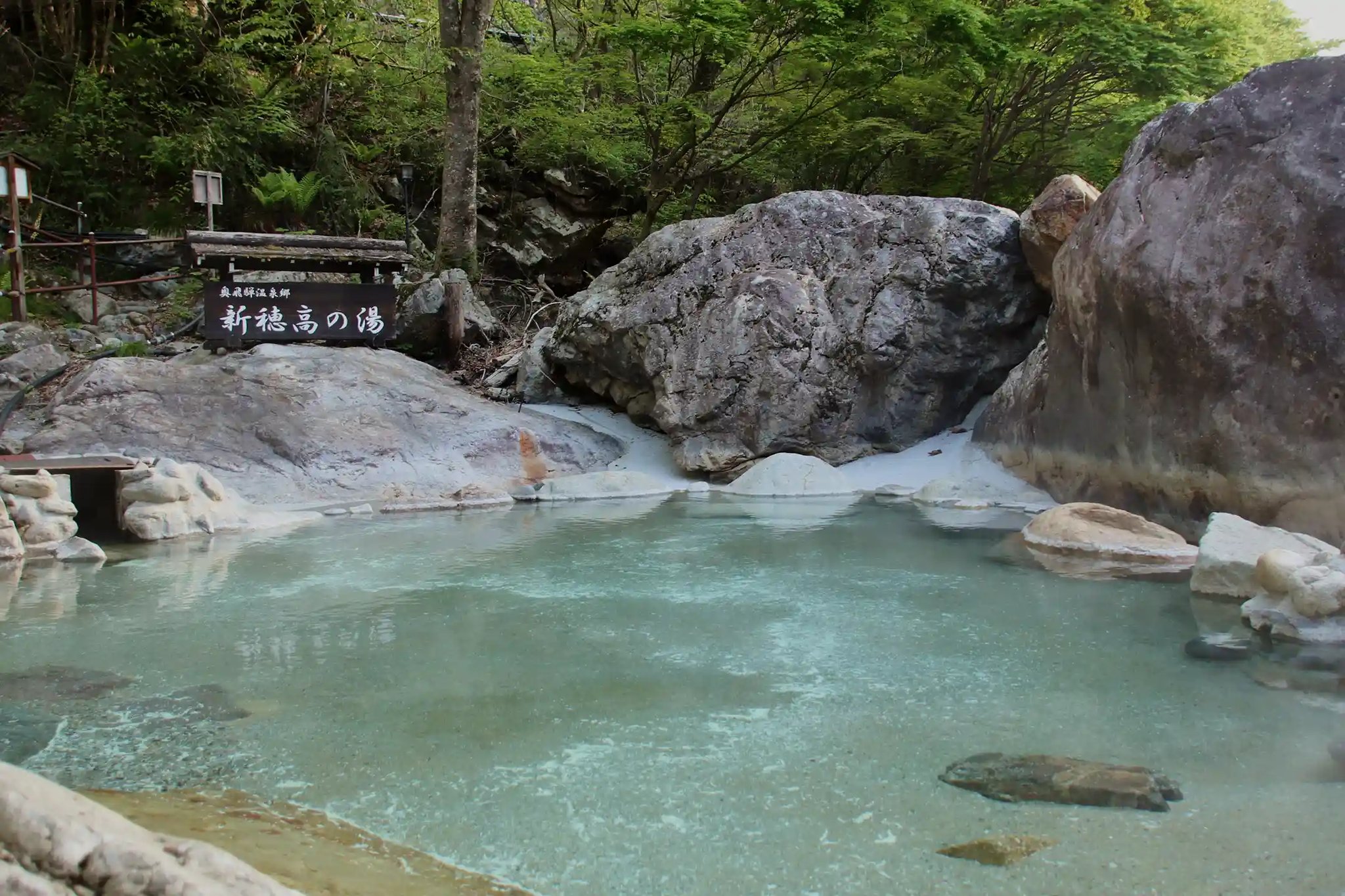
Onsen come in many different spring types—often described as “___ no yu”—and each has its own distinctive feel and traditional associations. Instead of getting caught up in complex chemical terms, it’s easier to focus on how the water feels: its aroma, texture on your skin, color, and the way it warms you. Those sensations make the differences much more intuitive.
Here, you’ll find an easy-to-understand introduction to the main spring types, along with hints to help you choose a bath that suits your condition and preferences. Please note, however, that these benefits are commonly held traditional beliefs and do not assert medically proven therapeutic effects. If you have a chronic condition, prioritize comfort and enjoyment while also considering advice from a medical professional.
A Guide to Common Spring Types and How They Feel
Simple onsen:Warm water at 25°C or above with no particularly high concentration of minerals. This is one of the most common types, and it’s generally considered gentle and soft on the skin—making it a good match for sensitive skin and longer, calmer soaks. In alkaline simple onsen (pH 8.5 or higher), many people describe a “beauty skin” feel, with smoother skin after bathing.
Chloride springs:Water rich in salt (chloride ions), and some even carry a faint ocean-like scent. When you bathe, the salt can form a thin layer on your skin that reduces evaporation of sweat, helping you retain heat—so you’re less likely to feel chilled afterward. It’s often chosen by people who tend to feel cold easily. If the water contains iron, it may appear cloudy with a brownish hue.
Sulfur springs:Onsen that contain sulfur, sometimes with white mineral deposits drifting in the water, known as “sulfur flowers.” They have a distinctive sulfur aroma often compared to boiled eggs—an atmosphere many people associate with classic onsen. Sulfur springs can feel like they warm you deeply, and the warmth may linger after your bath. They have long been associated with skin concerns, but they can also feel stimulating, so be cautious about soaking too long. Silver jewelry can darken, so remove it before bathing.
Carbonated springs:Onsen where carbon dioxide is dissolved into the water. The bubbly sensation of tiny beads clinging to your skin is part of the fun, and these springs are often associated with a circulation-boosting feel. Because even lukewarm water can feel warming and gentle, many people enjoy longer soaks. If you have cardiovascular concerns, keep the temperature mild and consult a professional if needed.
There are many other spring types as well, such as iron-rich springs that turn the water reddish-brown (traditionally associated with anemia), and radioactive springs containing trace radioactivity (once said to help with gout and rheumatism). As a practical way to choose what suits you, compare what you personally prefer—aroma and skin feel—as well as how much you perspire afterward and how well the warmth lasts.
For example, if your skin tends to dry out, a chloride spring might leave you feeling more comfortable; if you find it hard to break a sweat, a carbonated spring might help you notice easier perspiration. Use the posted spring-type information as a guide, and enjoy exploring different baths in a way that matches your condition and taste.
Safety and Condition Management
To fully enjoy the benefits of onsen, safety comes first. If you soak for too long, you may become overheated, leading to dizziness or headaches. Step out at appropriate intervals, and hydrate and rest frequently. If you stand up too quickly after bathing, your blood pressure can drop and you may faint—so it’s safer to sit on the edge of the bath for a moment, catch your breath, and then return to the changing room.
If you have heart disease, high blood pressure, or other conditions—or if you are pregnant—be especially careful about water temperature and soaking time. Avoid overly hot baths and sudden hot-cold cycles, and keep to short soaks in lukewarm water. Also, alcohol before and after bathing is strongly discouraged. If you bathe while intoxicated, circulation may increase too much and strain your heart, and impaired judgment can lead to accidents. Enjoy alcohol only in moderation after your body has calmed down.
If you feel unwell while bathing, don’t push yourself—get out immediately and ask staff or a companion for help. Onsen can be wonderful for your wellbeing when used properly, but carelessness can lead to trouble. Put your condition first, take your time, and enjoy onsen at a calm, unhurried pace.
The Synergy of Bathing × Sauna × Aroma × Forest Bathing
Onsen can become even more effective when combined with other relaxation elements. For example, alternating between an onsen bath and a sauna/cold bath—often called contrast bathing—repeatedly constricts and dilates blood vessels, creating a crisp sense of release. However, it can also be demanding on the heart, so it’s best enjoyed moderately and only when you’re feeling well.
It can also be a pleasure to bring seasonal scents into bathing. Yuzu baths at the winter solstice refresh you with citrus aroma, and iris baths (for the Boys’ Festival) traditionally carry meanings of warding off misfortune. Aromatic steam rising from the water can calm your mind and deepen relaxation.
And in nature-rich hot springs, you can enjoy the added atmosphere of forest bathing. An open-air bath where you gaze at greenery and listen to birds and wind can be paired with the stress-reducing effects people often associate with time in nature. If you breathe deeply and take in fresh air while soaking, you may feel a cleansing clarity—not only in your body, but in your mind as well. Onsen can create an endless range of healing experiences depending on how you combine them. Explore your own way of enjoying them, and aim for an even deeper kind of relaxation.
What Is Traditional Mixed Bathing in Japan?—Cultural Background and How to Enjoy It Today
In the past, it was normal in hot spring areas across Japan for people of all ages and genders to bathe together. Mixed bathing refers to a style in which men and women share the same bath. Let’s organize the cultural background behind it, along with how to enjoy mixed-bathing onsen in today’s world.
History and Shifts Over Time
In earlier eras, mixed bathing was the norm in Japanese onsen. Many public bathhouses (sento) in the Edo period were also mixed, and there are records of foreigners reacting with surprise. However, as part of modernization and Westernization, the Meiji government moved to restrict mixed bathing, and in 1900 mixed bathing was prohibited in public bathhouses nationwide (excluding children under 12).
Even so, mixed bathing remained in some rural therapeutic hot spring areas, and in certain regions, scenes of men and women sharing communal baths could still be seen until the mid-Showa period. After the period of rapid economic growth, many hot springs shifted to gender-separated bathing, influenced in part by changing visitor expectations. Still, mixed bathing culture continues today in certain secluded hot springs and a limited number of inns.
How to Enjoy It Today and Protect Privacy
To experience mixed bathing today, you’ll want a bit of consideration and planning. For women’s comfort, it’s a good idea to choose facilities that allow a bath towel or designated bathing garment. Another option is to use a private bath to enjoy a similar mixed-bathing feeling in a more controlled setting.
If you do enter a mixed bath, aiming for quieter hours (such as early morning) can create a greater sense of privacy. Even in popular mixed open-air baths, some inns create women-only time slots at night, so taking advantage of those hours can also be helpful. In addition, even when mixed bathing is permitted, many facilities still provide separate changing rooms for men and women. If you arrange to meet in the changing area and walk to the bath together, it can feel more reassuring and smooth—especially for women.
Rules and Points to Keep in Mind
In mixed baths, it’s especially important to be mindful of basic manners. Don’t stare, don’t move unnecessarily close to others, and keep your bathing quiet and calm. Follow each facility’s specific rules without exception—such as permitted hours, whether towels or swimsuits are allowed, and any age restrictions. In particular, if women-only time slots are set, men should strictly avoid those periods. Mixed bathing is a rare and valuable part of Japanese bathing culture. With respect for other guests and a sense of restraint, enjoy it safely and thoughtfully.
What Is Takegawara Onsen (Beppu)?—Savor Everyday Culture and Architectural Beauty
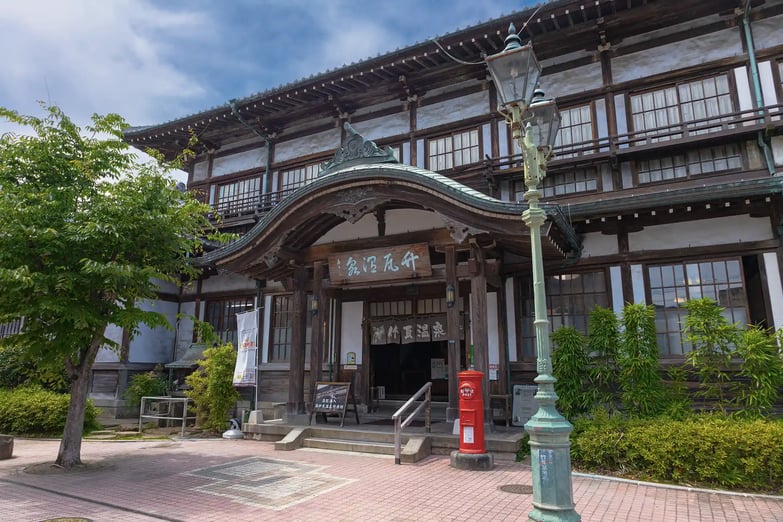
Takegawara Onsen in Beppu City, Oita Prefecture, Kyushu, is a municipal hot spring famous for its retro wooden architecture and sand baths. It was founded in 1879 (Meiji 12), and it was named Takegawara Onsen because its original roof was thatched with bamboo.
The current building dates from 1938 (Showa 13): a dignified, tile-roofed, two-story wooden structure. It was registered as a Registered Tangible Cultural Property of Japan in 2004 (*1). With its impressive karahafu-style front entrance and an exterior that blends traditional forms with everyday bathhouse charm, it has become a symbol of the onsen town, preserving the atmosphere of the early Showa era to this day.
Highlights
Takegawara Onsen’s architecture creates a distinctive mood where the dignity of a traditional Japanese inn meets the everyday character of a public bathhouse. A large karahafu roof dominates the façade, and once you step inside, you’ll find a spacious hall with a high, open atrium ceiling. Soft light filters through wooden beams and lattice windows, shaping a nostalgic space that feels like an invitation into the Showa period. The central second floor was once a large 90-tatami hall used as a rest area for long-stay bathers (today it’s used as a community hall). The bathing areas are separated by gender and sit on both sides of the hall, and on the west side you’ll find a dedicated bathing room for the famous sand bath. Takegawara Onsen’s architectural beauty—balancing splendor with simplicity—is well worth seeing in person.
The Flow of Your Visit
When you bathe at Takegawara Onsen, start by purchasing a bathing ticket (standard bath) or a sand-bath ticket from the vending machine at the entrance. Hand your ticket to the attendant at the front desk, then head to the changing area. In a traditional style, the changing space and bathing area are closely connected; once you undress, you immediately descend a short set of steps that leads directly to the tub. The washing area is simple, so you may rinse by scooping onsen water with a bucket and washing that way, following local custom.
Following the example of local regulars who share the same bath, soak quietly as if you’re respectfully “receiving” the water. The bath is known for being on the hotter side, so it’s recommended to start with a half-body soak and warm up slowly and thoroughly. Once you’ve warmed up enough, step out, dry off in the changing area, and take a breather in the resting space.
How to Enjoy the Sand Bath—and What to Watch For
The sand bath (sunayu, sand bath) is Takegawara Onsen’s signature experience, and it’s well worth trying. Buy a sand-bath ticket, wait for your turn, and when you’re guided in, change into a dedicated yukata. Then lie down in the sand area. A staff member will scoop sand warmed by onsen heat and gently pour it over you in a sweeping motion, covering you from the neck down. After about 10 minutes, your whole body warms through, you’ll sweat heavily, and many people describe it as leaving them feeling remarkably refreshed.
When the time is right, staff will help dig you out, and you’ll stand up and rinse off the sand with a shower. The heat is generally tolerable, but if you feel uncomfortable or short of breath, don’t endure it—signal right away. Since only a limited number of people can use the sand bath at once, there may be a wait during busy times. Visiting with extra time to spare is a good idea.
A Walk Around the Neighborhood
After enjoying a bath at Takegawara Onsen, it’s also fun to stroll through the surrounding streets, rich with a nostalgic Showa-era atmosphere. The road in front of the onsen is lined with a charming old shopping street, and in the back alleys you can also find Takegawara Koji Arcade, completed in 1921 and often described as the oldest existing arcade in Japan. If you bite into a sweet bread at a long-established local bakery after your bath, or stop by a traditional confectionery shop known for its yuzu manju, you’ll be able to feel Beppu’s everyday culture in a tangible, personal way.
Takegawara Onsen is a spot that delights travelers not only with the quality of the hot spring itself, but also with the nostalgic atmosphere that surrounds it. From appreciating the exterior architecture to lingering over a slow neighborhood walk, take your time and savor the experience fully.