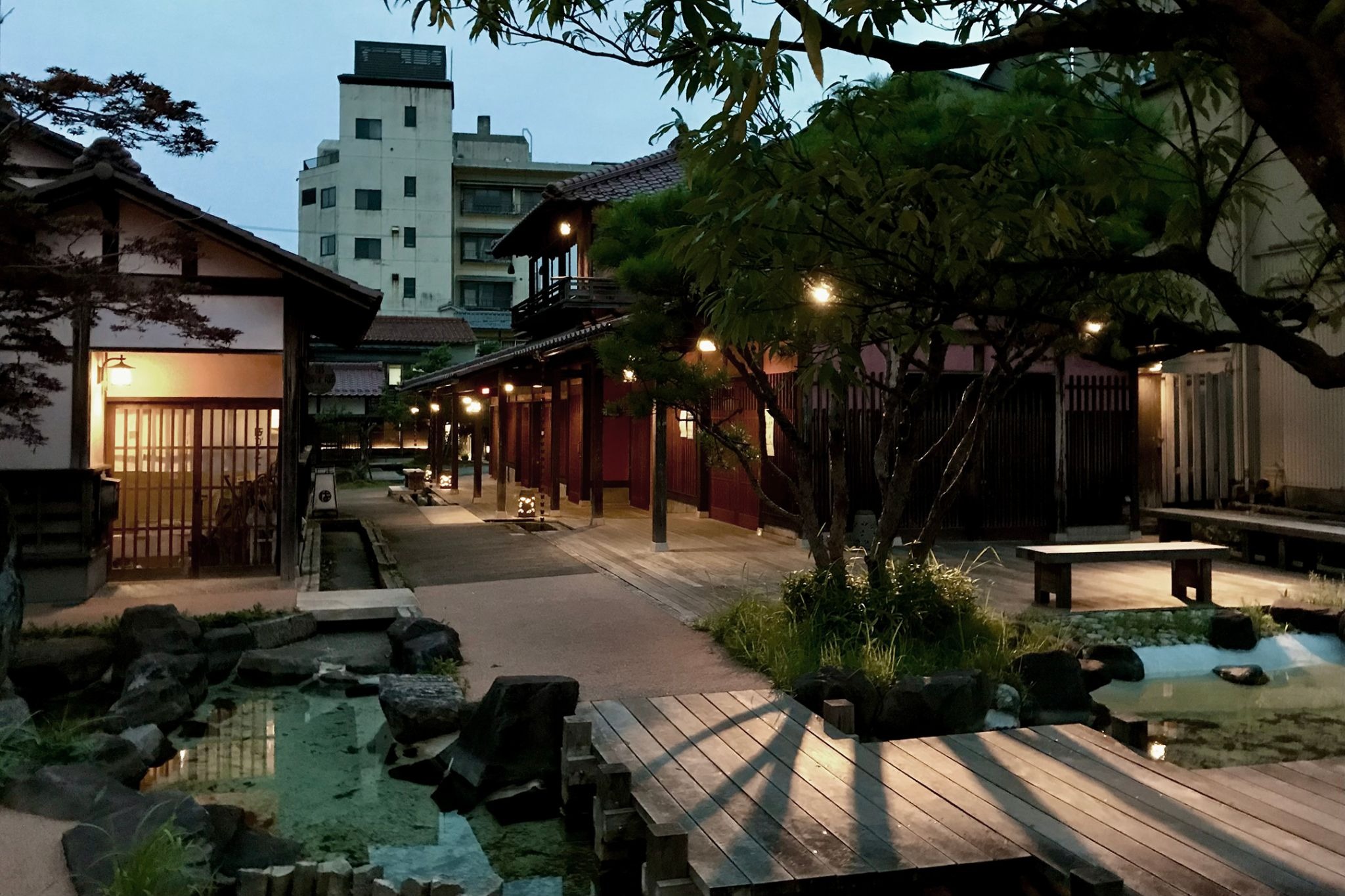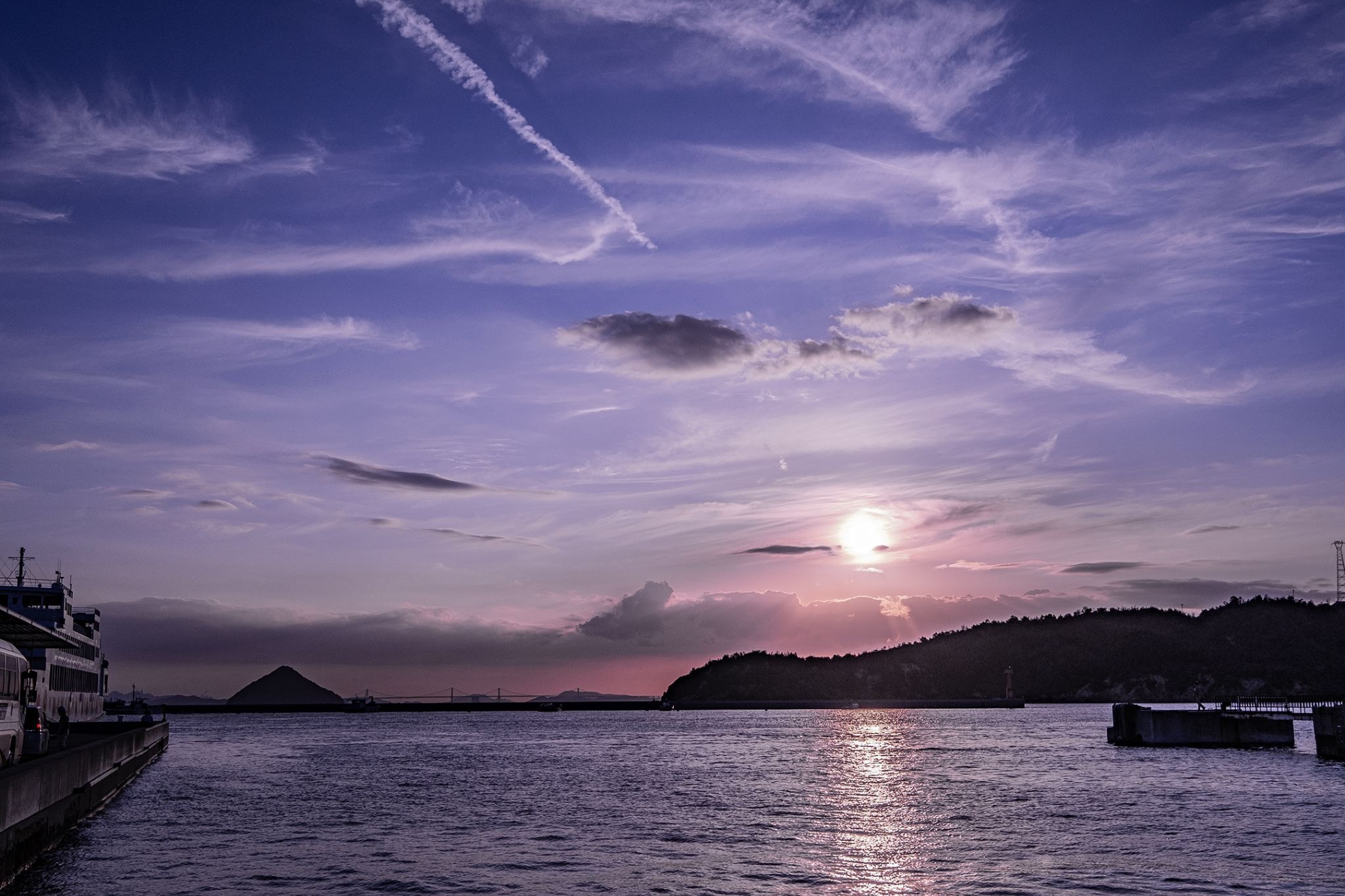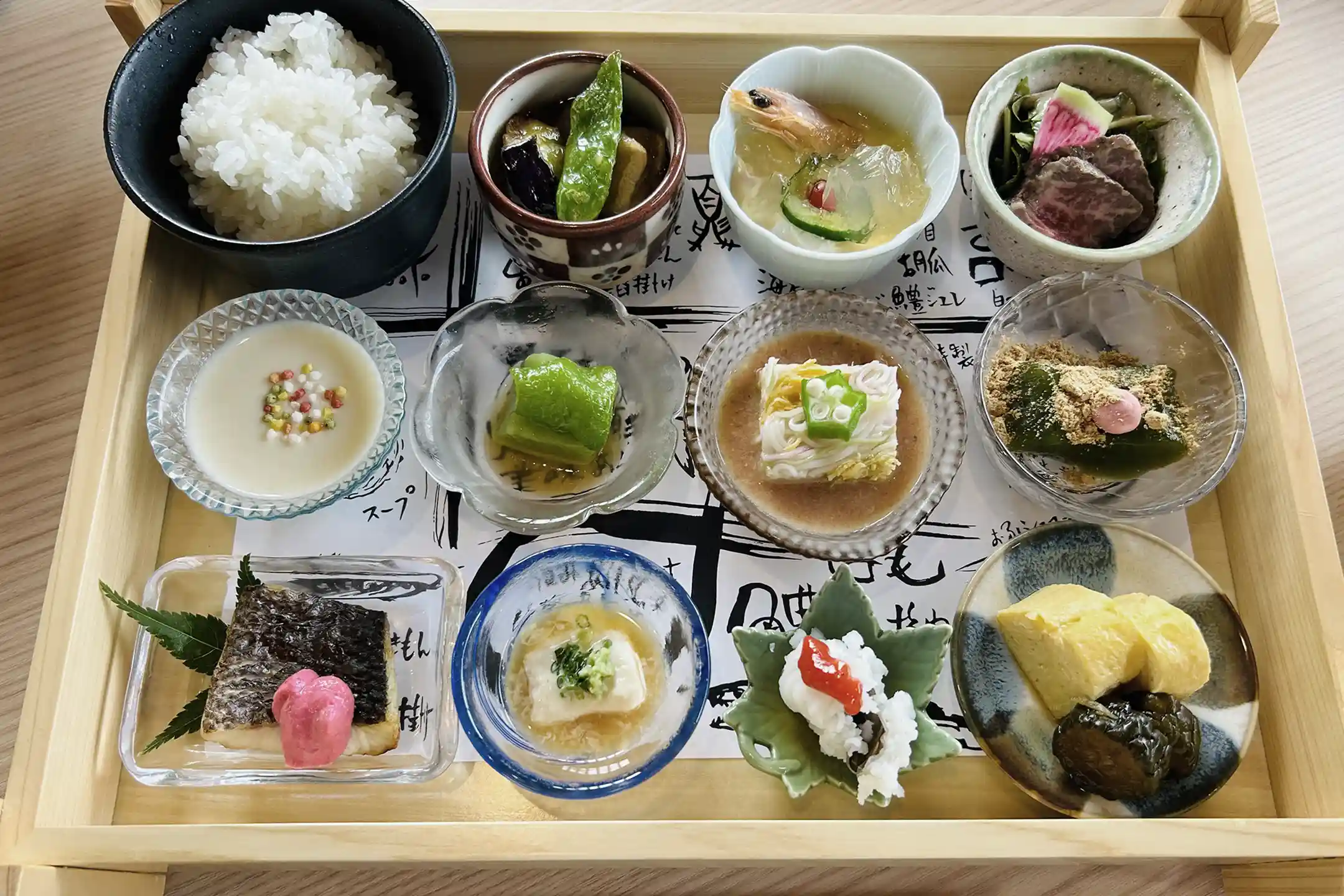
This is your guide to onsen ryokans in Kyoto for an exquisite anniversary stay. If you’re searching for “ryokan onsen kyoto” to plan a special trip, this article shows you how to choose a Kyoto onsen ryokan, the appeal of each area, what to look for in guest rooms and baths, and how to savor Kyoto kaiseki cuisine.
Step away from your busy routine and learn how to stage a serene, luxurious celebration. You’ll find practical tips presented with an academic eye and the tone of a refined travel magazine—plus Kyoto‑specific cultural experiences and hospitality. Even if it’s your first time, you’ll be able to plan a journey worthy of a life milestone.
First Things First|Editors’ Picks—Kyoto Onsen Ryokan Recommendations and Quick Comparison
For a special‑day stay like an anniversary or birthday, it’s smart to choose a Kyoto onsen ryokan using six criteria: “view,” “quietness,” “rooms with open‑air baths,” “private baths,” “culinary ratings,” and “access.” When narrowing options for typical “ryokan onsen kyoto” searches, these six filters keep your shortlist focused.
Properties that meet these standards include, for example, Suiran, a Luxury Collection Hotel, Kyoto in the Arashiyama area; Kyo YUNOHANA RESORT Suisen in the Kameoka/Yunohana Onsen area; and Monjusou / Shourotei in the Amanohashidate area. The summary below captures location‑specific features and what makes each ideal for anniversaries.
Arashiyama area: About 30–40 minutes from central Kyoto, a scenic stretch along the Katsura River. Budget around ¥50,000–¥100,000 per person. Quietest in the early morning and evening; the scenery in spring and autumn is exceptional. Close to cultural heritage sites—perfect for creating a sense of occasion.
Kameoka / Yunohana Onsen (Kameoka City, Kyoto Prefecture): About 50 minutes by car from Kyoto Station, a tranquil hot‑spring village in satoyama foothills. Budget around ¥30,000–¥60,000 per person. Some inns are adults‑only with open‑air baths in every room, offering superb quiet. Ideal for anniversaries amid seasonal nature (*1).
Amanohashidate / Miyazu area (Miyazu City, Kyoto Prefecture): Just over two hours by train from Kyoto City, a seaside onsen destination. Budget around ¥40,000–¥80,000 per person. Ocean views and seafood are the draw. In winter, crab and yellowtail make for a gourmet highlight (*2).
Each ryokan we highlight is intimate, with few rooms and a high sense of privacy. Suisen, for example, has only 13 rooms and does not accept group bookings, preserving a quiet environment (*3). Every room has an open‑air bath, so you can slip into hot spring water whenever you like (*3). In Arashiyama, river‑view rooms with open‑air baths are especially popular—you can have the changing seasons all to yourselves.
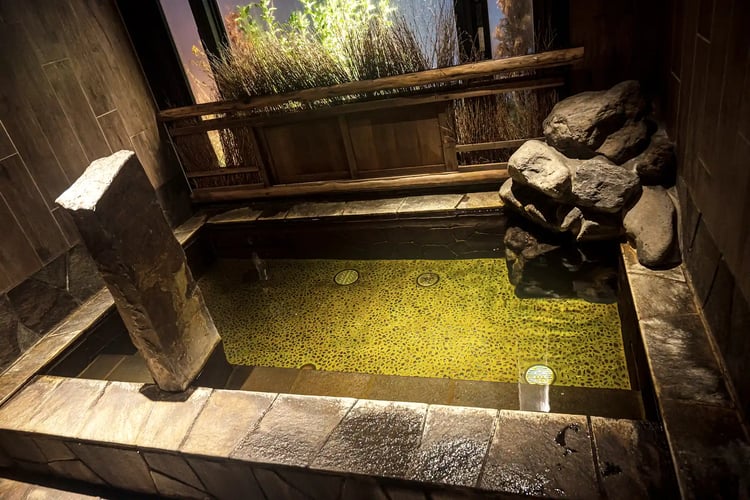
Essential Facts and Rarity of Kyoto’s Onsen Ryokan
Staying at an onsen ryokan in Kyoto lets you experience both the city’s world‑famous culture and the restorative power of hot springs. Kyoto City isn’t in a volcanic zone, so hot‑spring resources are limited and the city wasn’t historically known as an onsen destination.
Development has accelerated in recent years: Arashiyama Onsen opened in 2004, making it a relatively new hot‑spring area (*2). Its spring yields a generous 81 liters per minute of slightly milky water said to help with chills, muscle soreness, and fatigue recovery (*2).
Because Kyoto City’s onsen are limited, they feel rare—and that rarity adds to the sense of occasion. A very Kyoto way to spend a day is to purify body and mind in the hot springs before visiting temples and shrines (*1).
Area Layout and Highlights (Arashiyama / Kameoka〈Yunohana〉 / Amanohashidate & Kyotango)
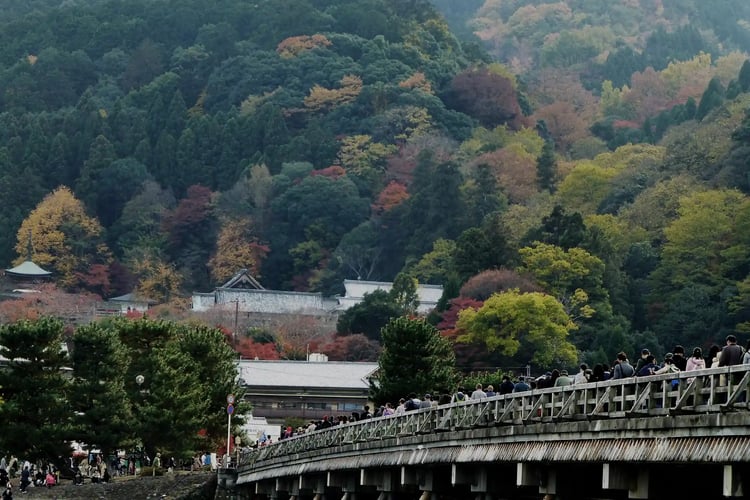
Kyoto Prefecture’s hot springs cluster into three broad regions: Arashiyama Onsen near Kyoto City, Yunohana Onsen in Kameoka—often called “Kyoto’s back parlor”—and the seaside area around Amanohashidate and Kyotango on the Sea of Japan. Arashiyama Onsen lies along the Hozu (Katsura) River in western Kyoto City, a place famed since the Heian period as a picturesque villa district for the nobility (*1).
Although its history as a hot‑spring resort is recent, it sits near icons like the bamboo grove and Togetsukyo Bridge, with excellent access from the city. Yunohana Onsen in Kameoka is about 25 minutes by train from Kyoto Station, a quiet, time‑honored spa in the Tamba mountains. Legends say warlords once healed sword wounds here during the Warring States period; you’ll enjoy clear air and satoyama seasons (*3).
By contrast, Amanohashidate & Kyotango stretch along the northern coast, where you can pair breathtaking sights—Amanohashidate (one of Japan’s Three Scenic Views) and Kotobikihama—with hot springs. Amanohashidate Onsen is slightly viscous, known as a “beautiful skin” bath, and winter brings culinary treasures like crab and winter yellowtail (*4). Arashiyama can crowd up in spring and autumn, yet mornings and evenings regain their hush; Kameoka stays relatively quiet year‑round; Amanohashidate buzzes in summer beach season. For an anniversary trip, you’ll enjoy each place best by avoiding peak times and choosing quieter hours or seasons.
Decoding Onsen Labels (Free‑Flowing from the Source / Circulation & Filtration / Heating & Dilution / Mineral Springs)
When choosing a ryokan, read the facility’s “Onsen Usage Display.” “Gensen kakenagashi” (free‑flowing from the source) means water is piped straight from the spring into the tub without dilution, heating, or circulation/filtration (*5).
However, for safety and comfort, water may be cooled if the source is too hot, heated if it’s too cool, or supplemented if the yield is low (*6). In such cases, facilities are required to explain what is done and why, so you can confirm it on the display (*6).
If you see “circulation” or “circulation/filtration,” the bath reuses water after purifying it through filters (*5). Depending on the spring type, circulation can in fact maintain better hygiene and isn’t inherently inferior. “Dilution” means adding water or other liquid to the source; “heating” means warming it—both must be disclosed (*5).
“Mineral spring” (kōsen) refers to water under 25°C that still meets legal criteria for onsen because it contains certain components (*5). In Kyoto you’ll also find cool radon‑bearing springs (natural radium springs); Yunohana Onsen is classified as a radioactive spring (*3). If you understand the labeling—whether it’s 100% source water or gently heated—you can enjoy both character and comfort without confusion.
Architecture and Design Styles (Sukiya / Machiya / Modern)
Architecture and design profoundly shape your stay. Many luxury ryokans in Kyoto blend traditions—sukiya‑zukuri and kyomachiya—with contemporary, minimalist design. Sukiya‑style ryokans feature warm wood and latticework; lighting often mimics lantern glow, creating a calm, hushed mood.
Converted machiya townhouses charm you with tsubo‑niwa (courtyard gardens) that invite natural light and seasonal scents. You may find a seasonal scroll and flowers in the alcove (tokonoma), or a lightly sprinkled entrance welcoming you—thoughtful “shitsurae” that stages the seasons throughout (*7).
Cutting‑edge modern ryokans frame borrowed scenery through expansive glass, layer shadows with indirect light and washi shades, and curate fragrance—incense or aroma—to heighten the sense of retreat.
Soundscapes matter too: some play gagaku or jazz as subtle BGM, melding Japanese and Western aesthetics. Across styles, what’s consistent is multisensory hospitality that conveys seasonality and ease. Even the tableware and décor change with the calendar: cherry‑blossom ceramics in spring, cool glass in summer, lacquer evoking autumn foliage, and weighty pottery for winter warmth (*7).
When architecture and design are in harmony, the whole ryokan feels elevated—just right for a once‑a‑year celebration.
Kyoto Onsen Ryokan|Anniversary‑Focused Model Stays by Location
Here are sample itineraries crafted for anniversary trips at Kyoto onsen ryokans. Think hushed early mornings, starlit nights, seasonal panoramas, and flavors that only each locale can offer. You’ll also find photo‑ready moments and ideas for surprises—use them to create memories just for the two of you.
Arashiyama|A Quiet Stay with Katsura River Views Near Cultural Treasures
Model Stay Overview: In easily accessible Arashiyama, enjoy an elegant anniversary stay while skirting the crowds. Check into a riverside ryokan and soak up the stillness of dawn and night.
Morning to Late Morning: Wake before sunrise and set out while Arashiyama is still nearly empty. When the first light glances off Togetsukyo Bridge, the crisp air and glittering river feel almost otherworldly. Visit the Bamboo Grove around 7–8 a.m., and you’ll discover a silence that makes it feel like your very own path (*1).
Wear comfortable shoes; if no one’s around, you can take your time with photos of each other. Back along the Katsura River, consider a reserved morning boat cruise—many hotels can arrange a private boat (*3).
Afternoon: Return to the ryokan for a rest, then head out to nearby cultural landmarks. Enter Tenryu‑ji right at its 8:30 a.m. opening and you’ll find few visitors; the morning sun beautifully lights the stroll garden around the pond (*2).
Sit together at a favorite viewpoint in the quiet garden—it feels like you’ve reserved it just for yourselves (*2). Afterwards, walk through the Saga Bamboo Grove to Okochi Sanso Garden. Take commemorative photos against moss gardens and seasonal maple leaves for a shot like a painting. Distances are walkable, but if you rent kimono, long walks in tabi and zori can be tiring—flag a rickshaw for key stretches to keep things easy.
Night: As evening falls, return to your room and sink into an onsen while watching the sun drop behind the Katsura. In a room with an open‑air bath, you can bathe to the river breeze without a care. After dark, check private‑bath availability and go again—dimly lit semi‑open baths hum with insects and river sounds, a pure taste of Kyoto night.
Dinner is Kyoto kaiseki in a private dining room. For a surprise, have a bouquet delivered just before dessert (arrange in advance). End with a gentle stroll near Togetsukyo; take a photo with the illuminated bridge and the mountain silhouette—the perfect close to a special day.
Amanohashidate & Kyotango|A Two‑Night Plan for Sea Vistas and Seasonal Delicacies
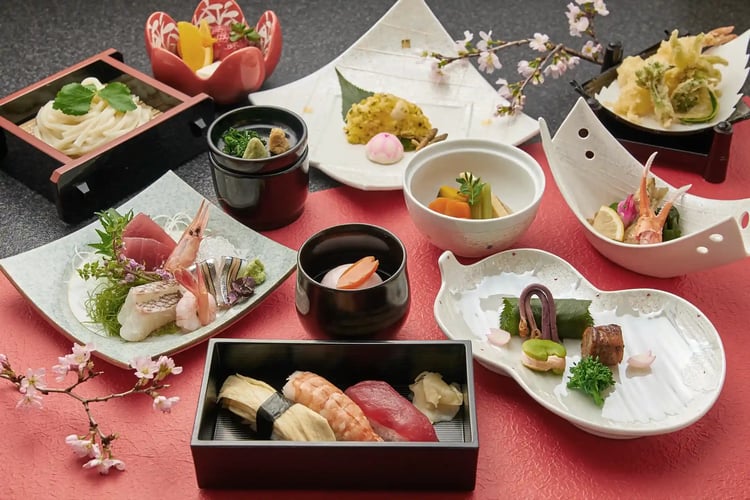
Model Stay Overview: To revel in the Sea of Japan views and peak‑season seafood, stay two nights in Amanohashidate. Build in breathing room for the longer journey: Day 1 for scenic highlights; Day 2 for gourmet dining and onsen time. In winter, savor matsuba crab; in summer, white squid and rock oysters.
Day 1: Take an express train about two hours from Kyoto Station to Amanohashidate. Ride the cable car to Viewland and try the famous “matanozoki” pose to take in the sandbar—cameras at the ready.
For an anniversary touch, write wishes on a heart‑shaped ema at the viewpoint and offer it together. In the afternoon, board a sightseeing boat to see the sandbar from the water. Gulls wheel overhead, fishing boats return to Ine Bay—the Sea of Japan at its most peaceful.
Choose a special room at a long‑established ryokan facing the Amanohashidate canal. With an ocean view, you can watch the sun set over the water right from your room. Before dinner, head to the rooftop open‑air bath. The slightly silky Amanohashidate Onsen is famed as a “beautiful skin” bath (*6). Soaking while gazing at one of Japan’s Three Scenic Views feels wonderfully indulgent.
In the evening, dine in your room on a seafood kaiseki: boiled matsuba crab (Nov–Mar), winter yellowtail sashimi, and more. Toast with the local sake Ine Mankai (red rice sake), and let the sound of the sea set the mood. After dinner, ask for a shuttle to the pine grove along the sandbar—walking Amanohashidate under the stars, wrapped in pine scent and surf, is unforgettable.
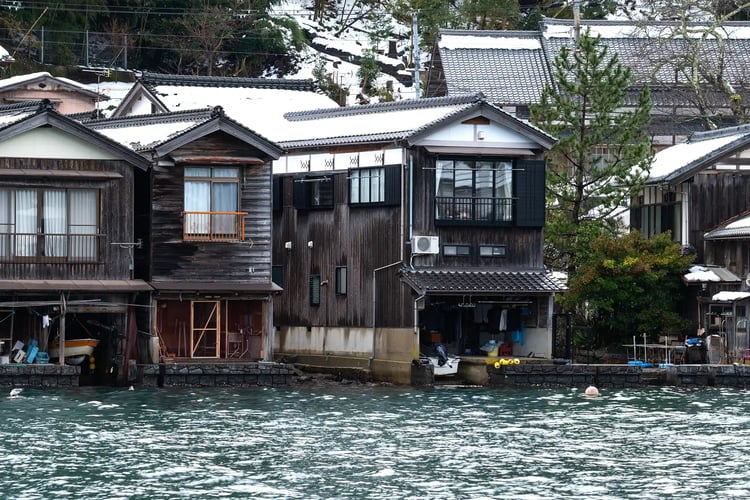
Day 2: Rise early to visit Amanohashidate Shrine, breathe the sea air in the quiet morning. After breakfast, hire a private taxi for a scenic Tango Peninsula drive—Kyoga‑misaki Lighthouse, the boat houses of Ine, and photo stops to build your album. Lunch on a fresh seafood bowl in Ine Town.
In the afternoon, return to the ryokan for spa time or a leisurely lounge. As the main anniversary event, arrange a surprise cake for dinner (reservation required) (*5). Have it appear as you enter your private dining room—candles lit and congratulations flowing! Many places will add a personalized message plate on request (*5).
Some ryokans will even take a commemorative photo and present it in a frame by the next morning. After two restorative nights, ride the Green Car back to Kyoto—your sea‑kissed, gourmet anniversary will feel like it has deepened your bond.
Choosing Privacy‑First Rooms and Baths|Kyoto Onsen Ryokans
If you want your anniversary to be just the two of you, room type and bathing facilities are pivotal. Consider rooms with open‑air baths, detached villas, and whether the property is adults‑only—these directly affect privacy.
Also confirm whether there are private baths or private saunas, and whether in‑room dining is available. Build your stay around those preferences. Below, you’ll find differences, best uses, and a checklist for safeguarding tranquility.
Open‑Air Bath Rooms / Detached Villas / Adults‑Only—Differences and How to Choose
Rooms with open‑air baths: Your private open‑air onsen inside the room. The biggest perk is bathing exactly when and for as long as you like—ideal for couples and wonderfully photogenic. Prices run higher, but anniversary satisfaction tends to be off the charts. As noted earlier, every room at Suisen has an open‑air bath, so you can relax without worrying about other guests (*1).
Detached villas: Standalone units separate from the main house, often in sukiya style. With no shared walls, they block noise and sightlines for the highest level of privacy. Some have garden‑linked open‑air baths or private terraces—like staying in your own little retreat. They usually cost more than standard open‑air bath rooms, but the sense of exception is incomparable. Spacious layouts also suit chilled champagne or flowers delivered to your room.
Adults‑only inns: Properties that do not accept young children or that set a minimum age. This keeps the atmosphere calm and composed—perfect for couples. Suisen, for instance, excludes groups and small children to protect quiet, making it a fine choice when you want to unwind in peace (*1).
Adults‑only ryokans typically have fewer rooms and highly attentive service—just right for an anniversary. If you prize privacy and want to avoid bustle, aim for the trio of adults‑only + detached villa + open‑air bath room. Set priorities by budget and search for inns that match your must‑haves.
Making the Most of Private Baths, Private Saunas, and In‑Room Dining
Private baths: These are shared baths you book for exclusive use at set times. Most require reservations—request your preferred slot at check‑in. Sweet spots are after dinner or before bed, when others are less likely to book.
Late‑night private baths are often dimly lit, perfect for a quiet soak together. For a romantic flourish, ask (in advance) to float flower petals, or bring a bottle to toast in the bath. Availability is limited, so secure a slot early. If there’s a sauna, you can “reset” together in a private setting. Some properties alternate men’s/women’s times—check ahead.
In‑room dining: Breakfast and dinner served in your room—a natural fit for couples. Enjoy your own pace without being on display. For anniversaries, have cake or a bouquet delivered at dessert time (*2).
Because it’s in‑room, your surprise stays private—heightening the emotion. Coordinate service timing too: for instance, have sparkling wine brought just before the main course. If you prefer chairs to a low table, choose a Western‑style room with a dining set.
Flow and logistics: To keep the whole stay smooth, align private‑bath and spa bookings with meals and sightseeing.
For example: private bath before dinner → relaxed in‑room meal → stargazing soak in your room’s open‑air bath. For surprise moments (flowers, cake), communicate specifics with staff, and reconfirm the day before. Kyoto’s top ryokan teams are well‑versed in special requests—don’t hesitate to share what you’d love.
Kyoto‑Only Couple Experiences (Small‑Group & Private)
To make your anniversary even more special, weave in cultural experiences for two or in a small group. Private lessons in chanoyu (tea ceremony), kōdō (the incense art), or wagashi making add color to your memories.
Early‑morning temple visits and bamboo‑grove walks can feel practically private if you avoid crowds. With a touch of refinement, the Hozugawa river cruise and the Sagano Scenic Railway become quintessentially Kyoto activities you’ll treasure. Confirm English support and duration, then craft a plan that suits your celebration.
Arranging Tea Ceremony and Incense Experiences
Tea ceremony: Kyoto has many schools that can accommodate foreign guests, with private lessons available (*1). For example, “Kisshō” in the Higashiyama area offers private tea experiences in English, bookable from about an hour (*1). Reserve by phone or online in advance. In a private session, you can converse with the instructor in English, learn the temae, and take turns whisking matcha for each other—a romantic hour together. Plan on 45–60 minutes. Wear comfortable clothes; some providers can combine kimono rental with the lesson.
Kōdō (incense): Fewer providers than tea, but Kyoto’s venerable Yamada‑Matsu Incense‑Wood Shop hosts English‑explained workshops (*2). “Listening” to the nuanced fragrance as charcoal warms the incense wood is a graceful art—and a charming challenge for two. Book by the previous day; sessions are limited to 2–6 participants (*2).
Fees are around ¥3,000 per person. Because scents are delicate, avoid perfume and strong odors on clothing (*2). Afterward, choose a favorite fragrance to bring back to your room—a keepsake that gently scents your stay.
Savoring the Quiet of the Bamboo Grove and Iconic Gardens at Dawn
Even Kyoto’s biggest draws—Arashiyama’s bamboo and famous gardens—can feel private if you time them right. Aim for opening times. The Arashiyama Bamboo Grove is a public road open 24 hours, so you can stroll at first light (*3).
Around 7 a.m., visitors are scarce; you’ll hear only the rustle of leaves and birdsong in a dreamlike hush (*3). The low, slanting sun makes the grove especially photogenic (*3). Rickshaws run more quietly in the morning, so if your legs tire, ride through the bamboo in near‑private calm.
To deepen the stillness, consider special programs: early‑morning zazen (e.g., at Kennin‑ji) or night illuminations (e.g., Shoren‑in Monzeki). Attendance is limited to small groups, so the atmosphere stays serene.
Kennin‑ji offers a morning Zen experience with English guidance; sharing that focused calm on your anniversary can be a meaningful ritual. Book ahead. Dawn and just before closing are when Kyoto sheds the crowds and shows its original quiet beauty—sharing those moments will bring you closer still.
Enjoying the Hozugawa Cruise and the Sagano Scenic Railway with Poise
Arashiyama’s twin favorites—the Hozugawa river cruise and the Sagano Scenic Railway—turn into an elegant, grown‑up outing with a little planning.
For the scenic railway (Sagano Romantic Train), secure reserved seats in advance. Autumn foliage is peak demand; same‑day tickets often sell out, so online booking one month ahead is best.
Choose river‑side seats for the best gorge views (Arashiyama → Kameoka: left‑side first half / right‑side second half). In cold weather, pick a closed car; in pleasant seasons, car No. 5 “Rich Car” is open‑air for a breezy ride.
Dress for the season—layers or sunscreen as needed. Announcements are low‑key, so you can enjoy the scenery and your own conversation. From Torokko Kameoka Station, a Keihan Kyoto Kotsu bus runs to the Hozugawa boarding point with smooth transfers (*4).
For the Hozugawa cruise, opt for seasonal tatami‑heated boats in winter or small‑group plans for a more relaxed pace.
Winter boats can have vinyl enclosures with stoves or kotatsu—cozy enough to forget the cold (*5). Wrapped in a blanket, watch a snow‑dusted gorge glide past. In summer, sun‑shade canopies soften the light while you enjoy fresh green hills and clear water (*6).
Before boarding, tell the boatmen it’s your anniversary—they may cue you to the best photo spots. Mid‑river, there can be lively moments—boatmen banter or a snack boat sidles up—but embracing those is part of the fun.
At splashy rapids, plastic sheets are handed out, so you won’t get soaked (*4). Still, protect your camera or phone. Seats at the stern or center tend to be steadier; if it’s not crowded, ask the boatman.
After roughly 16 km and two hours, you’ll land in Arashiyama. As you disembark, offer a warm smile and thanks in lieu of a tip—you might hear, “Congratulations—may you be happy together!”
Let these active experiences become refined moments with nature and history, and add a fresh page to your anniversary album.
Gastronomy and Pairing|Turning Kyoto Kaiseki into an Anniversary Feast
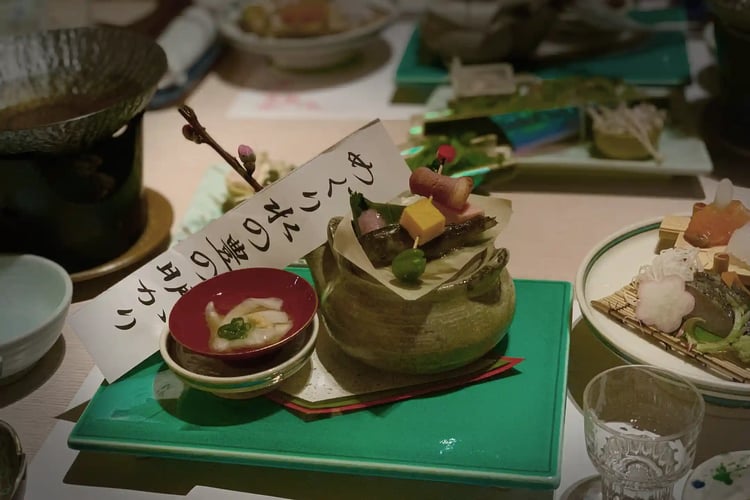
Dining at a Kyoto onsen ryokan means kaiseki that weaves seasonal ingredients into a graceful narrative. The progression from early season to peak to late season is like chapters in a story; tableware and presentation engage all five senses (*1).
For an anniversary, you can ask to personalize the kaiseki—add a celebratory course or tailor the drink pairing—so the meal becomes even more memorable. Learn the background of each dish, toast with the right sake or non‑alcoholic pairing, and pick up tips on capturing photos that do the meal justice.
Story‑Driven Menus
Kaiseki unfolds from appetizers to sweets, and it tells a story. Ask the chef to weave in ingredients or themes meaningful to you—if you met in spring, include sakura sea bream or rapeseed blossoms in the hassun to express “a spring encounter.”
Kyoto cuisine is exquisitely tuned to the arc of the season—“early,” “peak,” and “late” (*2). A menu might move from the first bamboo shoots (early), to hamo pike conger at its height, then to the lingering scent of matsutake (late). If you ask for a theme like “from early summer to summer,” in May you might get a Satsuki menu that bridges spring’s farewell and summer’s hello (*3).
Top Kyoto restaurants obsess over provenance—even with ayu, they’ll switch rivers as conditions shift (*4).
For dessert, consider a message‑plate cake or a seasonal fruit platter. If you provide names in advance, many places will pipe “Happy Anniversary” in chocolate.
As your meal unfolds, let your story meet Kyoto’s seasons. Ask the chef or attendant about origins and techniques; their insights deepen the flavors.
Pairing Strategy (Sake / Wine / Non‑Alcoholic)
Great food shines with the right drink—especially on an anniversary. Sake pairings are a natural with washoku; rice‑driven umami and acidity amplify flavors (*8).
Junmai and ginjo styles suit Kyoto kaiseki. Delicate, chilled pours flatter dashi‑forward soups and light hassun; fuller‑bodied room‑temperature or gently warmed sake pairs with rich grilled courses and meats (*8) (*5).
Many luxury ryokans now offer curated sake pairings—small pours tailored to each course: a sparkling sake for appetizers, a dry junmai daiginjo for sashimi, a mature koshu for grilled dishes—letting you wonder together, “What comes next?”
Wine pairing has also become standard. As sommeliers say, “marriage” means mutual elevation (*6). For washoku, try bright‑acid whites with white fish; for bolder flavors like miso or soy, choose reds with modest tannins.
Kyoto restaurants increasingly stock Japanese wines, too. Yamanashi Koshu pairs beautifully with sashimi and clear soups; Nagano Merlot suits meats or rich nimono. Champagne is a classic for the toast, but for local flair, try a sparkling from Kyoto Tamba Winery—its fresh aromatics flatter Kyoto‑vegetable starters. Sweet finales like a touch of Sauternes or umeshu extend the afterglow.
Don’t drink? You’ll still eat splendidly. More places now craft non‑alcoholic pairings (*7): yuzu, ginger, or matcha mocktails; thoughtfully brewed teas served at different temperatures; and more (*7).
Think chilled, lightly sweet gyokuro for hassun; a fizzy yuzu spritz for grilled dishes; hot black‑soybean tea for a hearty course. Some ryokans offer three preset tracks—local sake, original cocktails, or non‑alcoholic (*9).
Order different pairings and share—you’ll have more to talk about. For the first toast, ask for a non‑alcoholic sparkling juice in fluted glasses; many properties will stage this beautifully for anniversaries. Even without alcohol, smart pairings harmonize with the cuisine and make the evening feel truly special.
Pacing and Theatrics in Private or Semi‑Private Rooms
To heighten the drama of your anniversary dinner, reserve a private or semi‑private room. Privacy makes surprises easy.
For the entrance, coordinate so celebratory touches greet you the moment you step in: a seasonal bloom in a bud vase, a printed menu card bearing both your names, or hidden messages on place cards. Some restaurants even hang a shikishi board that reads “Congratulations on your wedding anniversary, Mr. & Ms. XX.”
BGM and lighting: Some private rooms allow your own music. Bring a favorite song on USB and they may cue it for the dessert reveal. If lighting is adjustable, ask for bright for the toast, softer during courses, brighter again for the surprise—some venues even offer color‑tunable lights.
The key is a clear run‑of‑show with staff. If you’re shy, hand over a written cue sheet on the day. Professional attendants are adept at making celebrations seamless.
Ending|Weaving Your Story Together at a Kyoto Onsen Ryokan
Celebrating an anniversary at a Kyoto onsen ryokan gives you quiet far from the city’s bustle, enriched by the depths of Japanese culture.
The murmur of the Katsura in Arashiyama, the mountain breezes in Yunohana, the sea air of Amanohashidate—Kyoto’s nature touches all five senses and melts into your memories. Soak in a room with an open‑air bath or a private bath, find the seasons and a shared story in each course of kaiseki, and trade words of celebration—these moments become treasures.
Refined, attentive hospitality—and thoughtful surprise touches—turn each instant into something cinematic. Even first‑timers will feel at ease: Kyoto’s cultural experiences are designed to be welcoming, and they naturally deepen both your bond and your understanding of Japan.
With a dash of glossy travel‑magazine excitement, use the plans and pointers in this article to craft an anniversary trip that’s yours alone. If you began by typing “ryokan onsen kyoto,” may the breeze through katsura trees, the tatami’s clean scent, and the smiles drifting through steam become a memory that never fades—and may your special day open a beautiful new chapter for you both.
Author Bio
Shohei Toguri

.webp)