Tokyo may be one of the world’s great metropolises, yet scattered throughout the city are remarkable onsen retreats where time-honored history meets contemporary culture. In this article, you’ll discover six carefully selected hot spring facilities in Tokyo where you can immerse yourself in the refined atmosphere of Edo-period elegance alongside modern artistic expression.
An onsen journey in Tokyo offers more than relaxation. It invites you to step away from your busy routine and experience both intellectual stimulation and deep physical renewal at once. If you are drawn to culture and the arts, this blend of bathing, beauty, and heritage will feel especially meaningful. Now, let’s step into a world where history and art converge in Tokyo’s most compelling hot springs.
Savor Tokyo’s History and Edo Culture at “Maenohara Onsen Sayanoyudokoro”
Experience the Beauty of a Historic Japanese Garden and Edo Architecture
Located in Itabashi Ward, Maenohara Onsen Sayanoyudokoro is a day-use hot spring where you can feel as though you’ve slipped back into the Edo period—without ever leaving Tokyo. The building was originally a private residence constructed in 1946 (Showa 21) and later revitalized under the direction of architect Hironobu Furuhata, renowned for restoring traditional Japanese homes. Through his careful work, the structure was reborn as an elegant Japanese-style building that preserves the atmosphere of its earlier days (*1).
The moment you step inside, you’re greeted by the warm texture of wood characteristic of mid-20th-century Japanese homes, along with a karesansui dry landscape garden that transforms beautifully with each season.
In the moss-covered stone garden, carefully selected stones from across Japan are arranged with intention. A tsukiyama-style landscape garden expresses flowing water through cascades and rippling white sand, evoking the quiet murmur of a stream. In this stillness, you can truly feel the depth of Japanese aesthetics (*1).
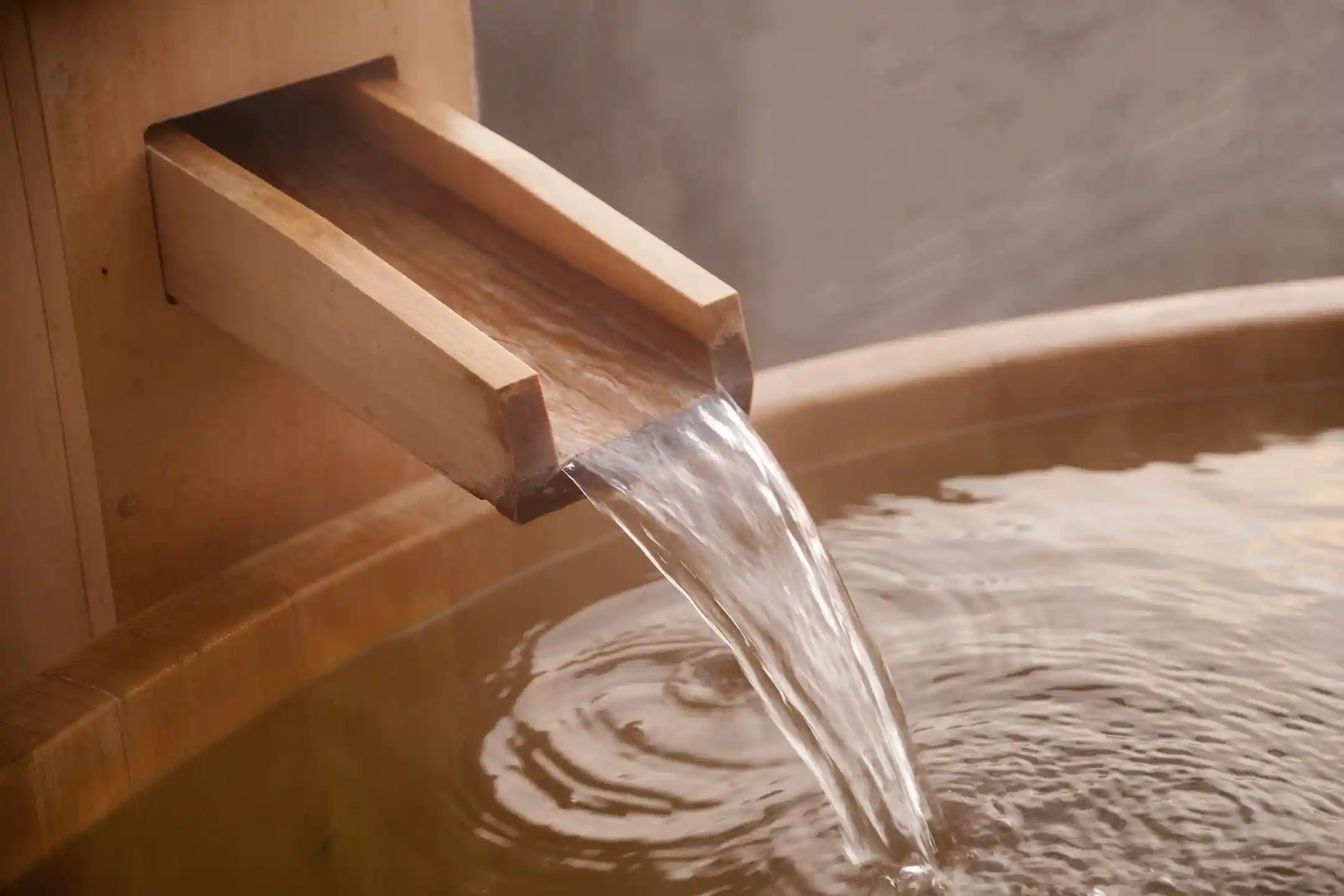
The natural hot spring water, drawn from 1,500 meters underground, carries a gentle greenish hue reminiscent of uguisu (Japanese bush warbler) plumage. It is one of the rare 100% free-flowing natural spring baths in Tokyo (*3).
Though you remain within the capital, if you pause to listen to the sound of water and leaves beyond the garden, you’ll understand why this place is cherished as “a spot that makes you forget you’re in Tokyo.”
Cultural Workshops that Recreate the Spirit of the Edo Period
At Sayanoyudokoro, your experience goes beyond bathing. The facility regularly hosts cultural programs that allow you to engage directly with Japanese traditions.
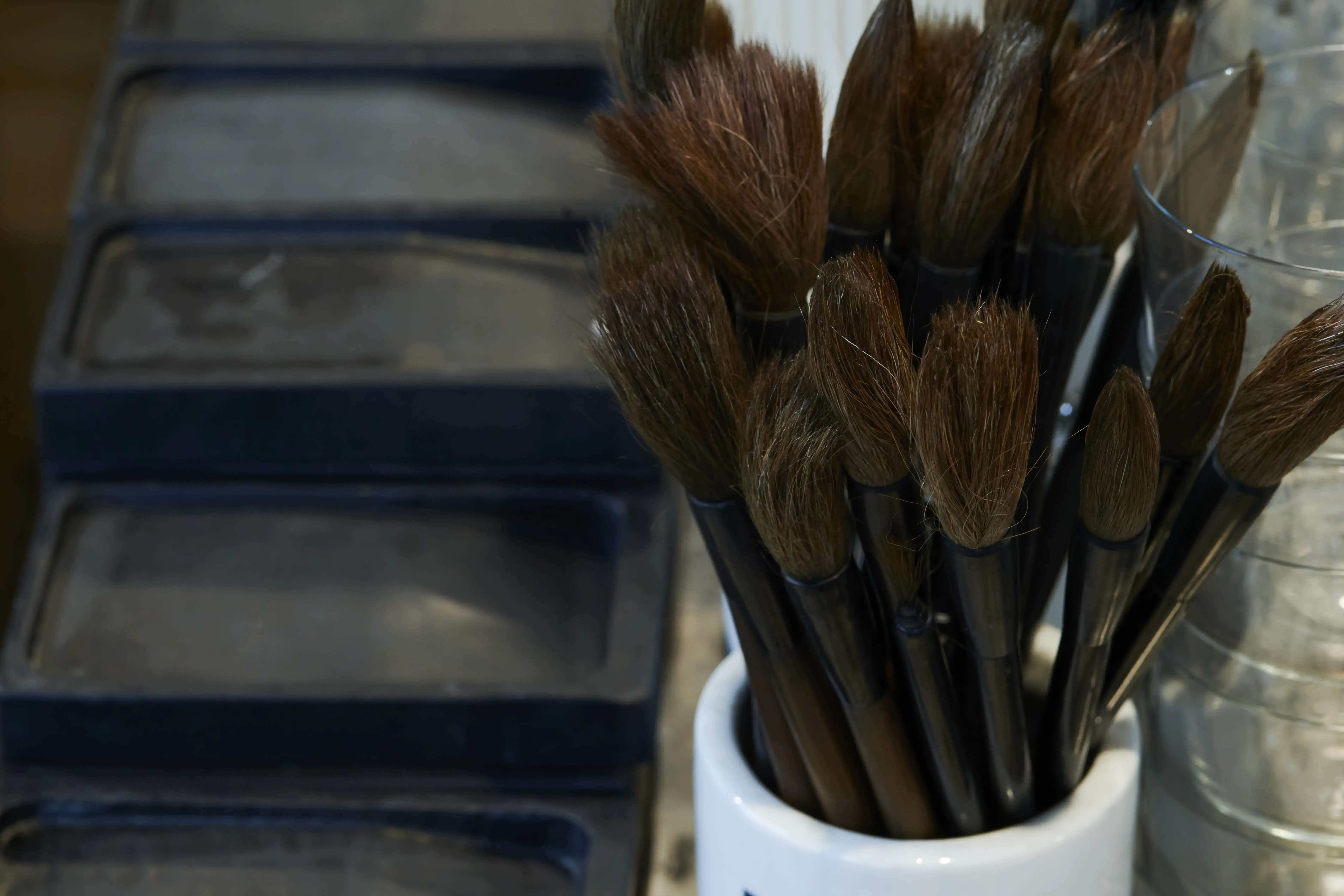
In one of the tatami rooms, for example, calligraphy workshops are led by professional calligraphers. You can learn brush techniques, explore the beauty of kanji characters, and create your own work on decorative paper. International guests are warmly welcomed, and many visitors from abroad have found themselves captivated by the scent of ink and the quiet focus of Japanese calligraphy (*2).
Depending on the season, you may also encounter Edo-style wind chime displays or live taiko drum performances that evoke the spirit of traditional town life. After soaking in the hot spring within this historic setting, these cultural experiences add depth to your visit, transforming it into a journey of enrichment—one that nurtures both body and mind.
It’s this blend of bathing and cultural discovery that makes Sayanoyudokoro especially appealing to travelers who seek something more than relaxation.
An Urban Onsen Adorned with Contemporary Art: “Thermae-Yu” 【Shinjuku)
Highlights of Contemporary Art Exhibited Inside the Onsen
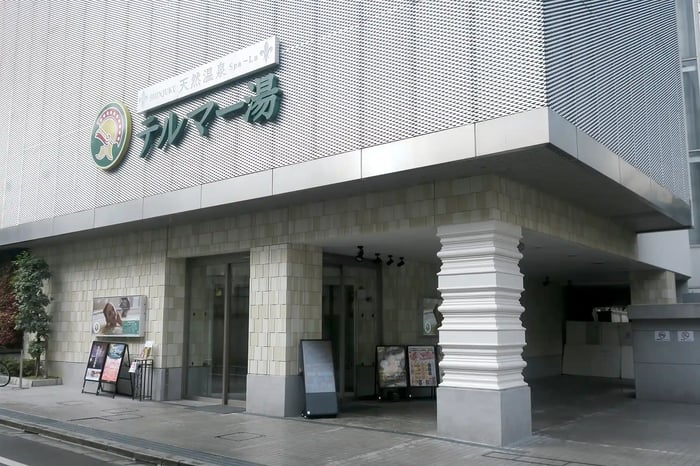
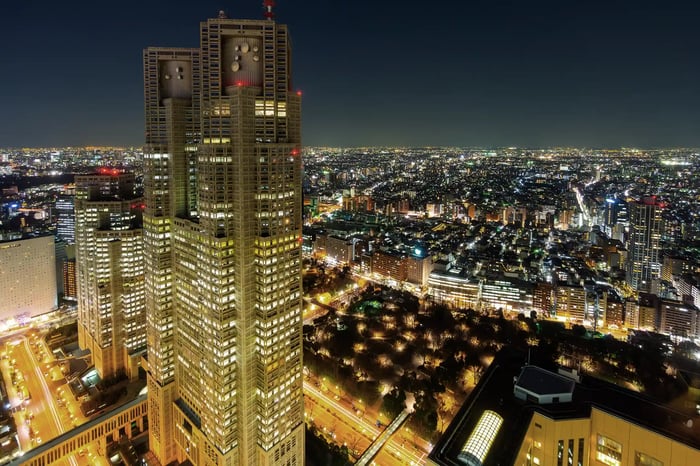
In the heart of Shinjuku—the city that never sleeps—Thermae-Yu operates 24 hours a day and has drawn attention not only as a hot spring but also as a space where art and bathing intersect.
The facility has hosted exhibitions by well-known contemporary artists. During Golden Week in 2022, for example, an exhibition by Ryuto Koguya was held on-site. Works from his popular “Madonna” series were displayed throughout the building, and visitors noted that seeing the framed pieces in person offered a very different, more immediate experience than viewing them digitally (*1).
There is something quietly extraordinary about soaking in warm water while engaging with cutting-edge art. Large-scale canvases on the walls and installations in the lobby mean that each visit may bring new encounters. For culturally curious travelers, this unexpected pairing of art and onsen becomes part of the appeal.
A Luxurious Relaxation Space in the Center of Shinjuku
Despite its prime location in Kabukicho, Shinjuku, Thermae-Yu spans six expansive floors and offers an impressive variety of baths and spa facilities, functioning as a true urban oasis (*2).
The open-air bath “Jindai no Yu” uses high-quality natural hot spring water transported from Naka-Izu. There are high-temperature saunas, mist saunas, and multiple baths designed separately for men and women, allowing you to move between different bathing styles according to your mood.
Unique features include a women-only Nordic “Sango Light Lotion Bath” and a special bath using neutral electrolyzed water known as “Alpha Torino Water,” introduced in Japan for the first time (*3). Relaxation lounges, stone sauna rooms, and beauty treatment facilities further enhance the experience. Once inside, the bustle of Shinjuku fades into the background.
In the powder rooms, you’ll find high-quality Japanese skincare products, allowing you to continue caring for yourself after bathing (*2). Open around the clock, Thermae-Yu fits seamlessly into your itinerary—whether you stop by after sightseeing, unwind following an art event, or simply need a moment of restoration at midnight.
A Sustainable Urban Retreat: “Spa LaQua”
Eco-Conscious Initiatives and Sustainable Facilities
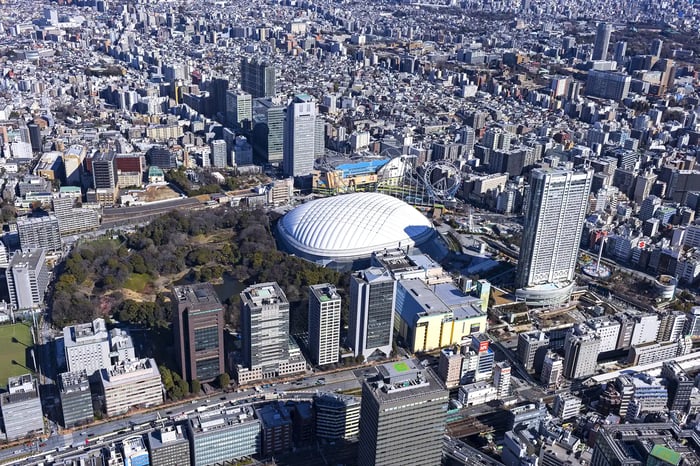
Located within Tokyo Dome City, Spa LaQua is a forward-thinking urban spa that balances comfort with environmental awareness. Using natural hot spring water drawn from 1,700 meters underground, it offers open-air baths and high-concentration carbonated baths while also operating with a conscious eye toward sustainability.
Amenities have been transitioned to lower-impact materials, and distribution methods are designed to reduce unnecessary waste (*1). Energy-saving technologies are integrated throughout the facility, from more efficient sauna heat systems to LED lighting. As you soak, you can appreciate the quiet knowledge that your relaxation is aligned with more sustainable practices.
Design Beauty and Culinary Appeal
Spa LaQua is also admired for its architectural and interior design. During a large-scale renovation, the concept “A World Expanding from Water” guided the redesign, incorporating natural motifs such as flowing streams, grasslands, and filtered sunlight (*2). The result is a resort-like atmosphere in the middle of the city—often described as an “urban oasis.”
In 2023, an outdoor deck bar lounge with a footbath was added, allowing you to enjoy the Tokyo Dome City night view while soaking your feet (*3). Dining is another highlight. Popular local restaurants operate within the complex, offering health-conscious menus and seasonal vegetable dishes that complement the wellness theme.
In 2022, Spa LaQua collaborated with the plant-based brand ZENB to offer limited-edition sustainable dishes using whole vegetables—including skins and cores—further reinforcing its commitment to both environmental and personal well-being (*1). Time spent here nourishes not only your body, but your sensibilities as well.
Experience Onsen and Japanese Culture at a Luxury Hotel: “Hoshinoya Tokyo”
Cultural Workshops to Stimulate Your Intellectual Curiosity
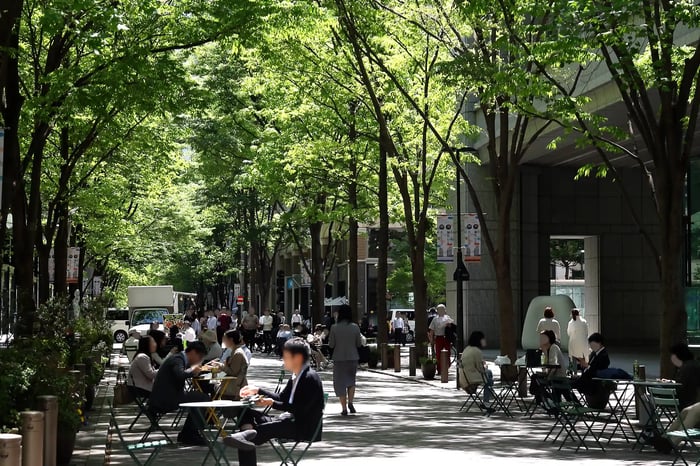
Hoshinoya Tokyo in Otemachi blends the spirit of a traditional ryokan with the convenience of the city center. Guests have access to a rich selection of exclusive activities designed to deepen your understanding of Japanese culture.
Early in the morning, you can participate in “Tenku Morning Training,” a swordsmanship session held on the rooftop, combining precise sword movements with focused breathing to awaken your body (*1). In the evening, enjoy live shamisen and traditional instrument performances or take part in an incense appreciation experience that revives Edo-period cultural practices (*1).
You may also choose to wear kimono and learn the art of preparing matcha in a tea ceremony experience. These workshops transform your stay into something far more immersive than simple accommodation—an opportunity to engage deeply with Japan’s living traditions.
The Story Embedded in Wa-Modern Architecture and Interiors
Hoshinoya Tokyo’s architecture has received widespread acclaim for elevating traditional Japanese design into a contemporary expression. The exterior features a metal screen patterned after Edo komon motifs, subtly signaling its Japanese identity even within a high-rise structure (*2).
Inside, each floor includes a tatami-floored lounge, and corridors and interiors are detailed with latticework and other traditional elements. On the top floor, a rooftop open-air bath allows you to soak in natural hot spring water drawn from deep underground while gazing at the Tokyo night sky.
The design concept intentionally creates a self-contained world within the building, allowing you to feel as though you’re staying in a traditional ryokan despite being in the heart of the city (*2). Awarded the Good Design Award and other architectural honors, Hoshinoya Tokyo represents a pinnacle of wa-modern architecture—where Edo sophistication lives on in contemporary form.
An Onsen Ryokan Harmonizing Tradition and Modernity: “ONSEN RYOKAN Yuen Shinjuku”
Design Where Contemporary Architecture Meets Traditional Beauty
Tucked slightly away from the bustle of Shinjuku, Yuen Shinjuku offers a refined retreat that feels almost hidden within the city. Designed and operated by UDS—also known for Kyoto’s art hotel Anteroom—the property beautifully merges traditional Japanese aesthetics with contemporary sensibilities.
Passing through the entrance gate with its gabled roof, you walk along a stone path framed by a small inner garden. The architecture reinterprets sukiya-style design in a modern context (*1). Tatami floors and shoji-inspired frosted glass windows appear in the lobby and guest rooms, creating a calming atmosphere enhanced by soft lighting.
Yet the building rises 18 stories high, and from the top-floor open-air bath, you can look out over Shinjuku’s skyline. This juxtaposition—traditional design and urban panorama—feels refreshingly unexpected. Many guests describe it as a Japanese oasis suspended above the city.
The hot spring water is transported from Hakone, a renowned onsen region, allowing you to enjoy a gentle alkaline bath without leaving Tokyo (*2). Here, architecture and bathing combine to offer a distinctly immersive experience of Japanese aesthetics.
3 Key Points to Help You Choose an Onsen in Tokyo
Accessibility and Area Characteristics
When selecting an onsen in Tokyo, consider both accessibility and the atmosphere of the surrounding area. Facilities such as Thermae-Yu in Shinjuku or Hoshinoya Tokyo in Otemachi are conveniently located near major stations, making them easy to incorporate into your itinerary (*1).
If you venture slightly farther out, you’ll find more tranquil settings like Sayanoyudokoro in Itabashi. Each neighborhood offers its own character—whether you prefer skyline views in Shinjuku or garden landscapes near the Tama River. Align your choice with your travel base and desired scenery.
Choosing by Facility Type: Hotel, Day Spa, or Ryokan
Onsen facilities in Tokyo generally fall into three categories: hotel-integrated, day-use spa, and ryokan-style accommodation.
Hotel-integrated options such as Hoshinoya Tokyo offer exclusive baths and refined hospitality as part of your stay. Day-use spas like Spa LaQua or Thermae-Yu are ideal if you want flexibility—arrive empty-handed and enjoy a few rejuvenating hours between sightseeing (*1).
Ryokan-style stays like Yuen Shinjuku combine tatami rooms and traditional cuisine with onsen bathing, offering a deeper immersion into Japanese culture. Some long-standing neighborhood bathhouses, such as Musashi-Koyama Onsen “Shimizu-yu,” even feature natural hot springs like black and golden waters at public bath prices (*1).
Choose based on your schedule, budget, and the kind of experience you value most.
Recommendations by Purpose: Relaxation, Cultural Experience, Sustainability
If your priority is pure relaxation or beauty treatments, larger spa complexes such as Spa LaQua and Thermae-Yu provide extensive facilities, from massage services to stone saunas (*2).
If you seek cultural depth, Sayanoyudokoro or Hoshinoya Tokyo offer historic architecture and curated cultural programs. For travelers mindful of environmental responsibility, Spa LaQua’s eco-conscious initiatives—or nature-integrated baths such as Sangawa no Yu—may resonate strongly.
Tokyo’s onsen each possess their own distinct personality. By clarifying what matters most to you, you can transform a simple bath into a defining moment of your journey.