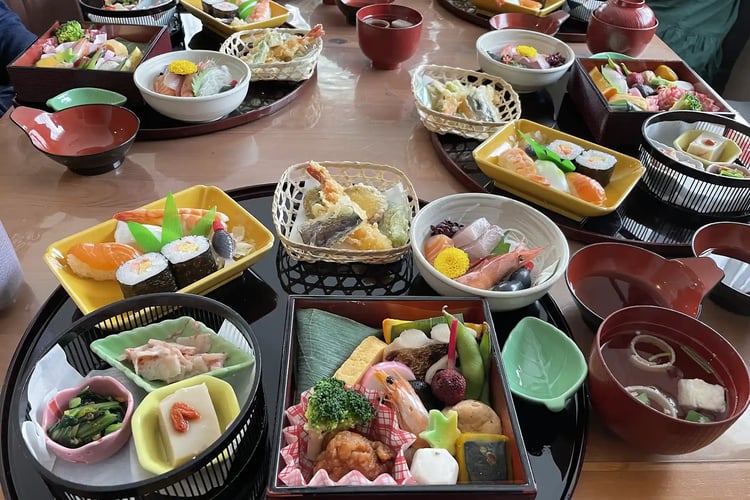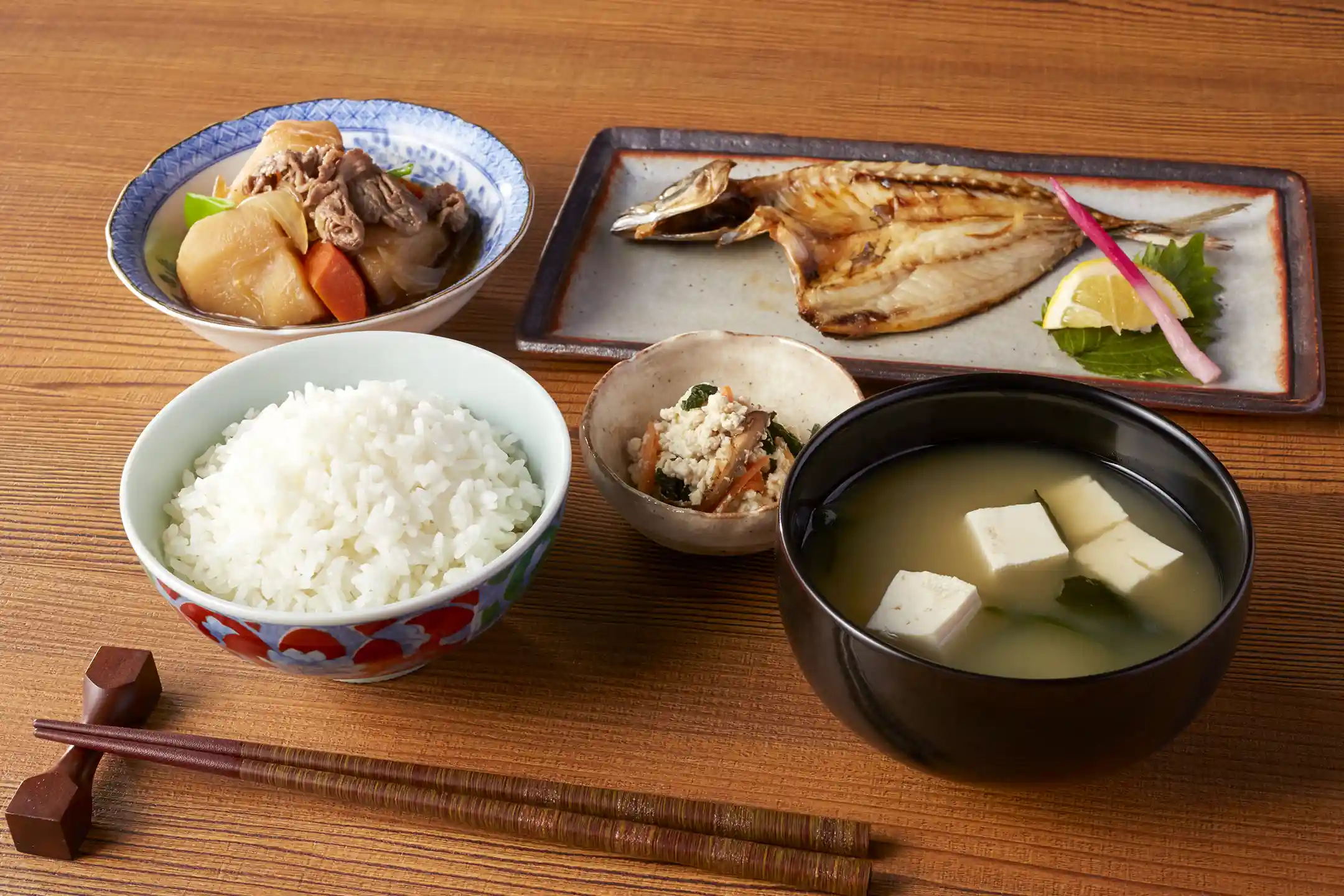
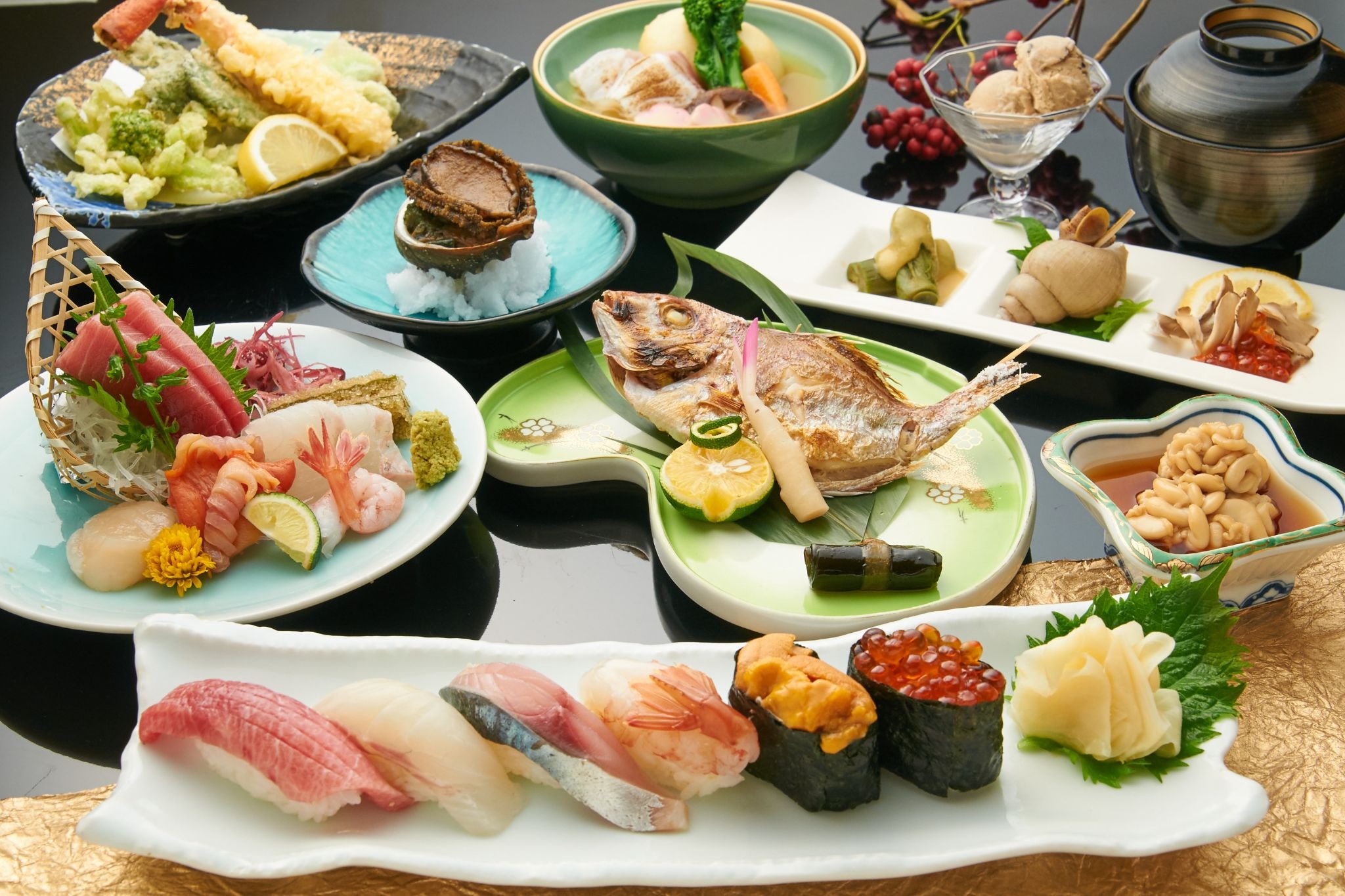
If you searched for “what is sushi vs sashimi,” the short answer is simple: sushi is built around vinegared rice, while sashimi is sliced raw seafood served without rice. That basic distinction matters more than it first appears, because it changes how you read a menu, what you order, and what kind of experience you are actually having. In this guide, we start with the definitions, then move into the history and craftsmanship behind each, and finally explain how to eat them well and how to choose the right place when you travel. The more you know before the first bite, the more clearly that first bite makes sense.
Getting the Definitions Right | What Is Sushi?
To understand sushi properly, the first idea to let go of is “sushi = raw fish.” Sushi is defined by vinegared rice—shari—and the topping may be raw seafood, cooked seafood, vegetables, or egg. Once you start from that point, menus become easier to read and the category itself becomes much less confusing.
Sushi Is Defined by Vinegared Rice
The fastest way to understand sushi is to step away, for a moment, from the assumption that it simply means raw fish. At its core, sushi is rice seasoned with vinegar—sumeshi, often called shari. Reference works define sushi as a dish in which vinegared rice is paired with a range of ingredients, including seafood, vegetables, and egg.
The quality of sushi depends not only on the topping, but also on the rice itself. How the rice is seasoned, cooled, and handled is part of the flavor design. Even the way vinegar and salt are folded in matters, because the goal is to keep the grains distinct while making the rice cohesive enough to hold its shape.
That is why sushi does not stop being sushi when the topping is cooked. Anago, tamagoyaki, and inari sushi all sit comfortably within the classic sushi repertoire. For travelers, that broader definition is useful: once you know sushi means “vinegared rice with a topping or form,” the menu stops feeling mysterious.
Types of Sushi (Nigiri, Maki, Chirashi, and Oshi-zushi)
The styles of sushi most travelers encounter first are nigiri-zushi and maki-zushi. Nigiri pairs a topping with hand-formed shari, while maki uses nori to roll rice and fillings into shape. Temaki, or hand rolls, is a related rolled style, and chirashi-zushi scatters ingredients over vinegared rice rather than shaping them piece by piece.
Another style worth knowing is oshi-zushi, or pressed sushi. It is made by pressing rice and topping together in a wooden mold, and it often reflects local traditions particularly well. If you can recognize terms such as nigiri, maki, chirashi, and oshi on a menu, ordering becomes much easier and more precise.
.webp?width=750&height=500&name=Traditional%20Kakinoha-zushi%20(Sushi%20Wrapped%20in%20Persimmon%20Leaves).webp)
Common Confusion #1 | Why “Sushi = Raw Fish” Is Incorrect
The roll-heavy sushi culture that spread abroad represents one branch of the sushi world, but it has also encouraged a common misunderstanding: that sushi must mean raw fish. In Japanese culinary terms, that is too narrow, because the defining element is not rawness but shari.
Reference works and official travel guidance both describe sushi as vinegared rice paired with a range of ingredients that may be raw or cooked. That is why egg, simmered eel, pickled toppings, and vegetable-based sushi belong in the same category as tuna or sea bream nigiri.
For travelers, this is the most useful working formula: sushi = vinegared rice + topping or filling. Once that is clear, the difference between sushi and sashimi becomes easier to understand, and the whole dining experience feels more intuitive.
Getting the Definitions Right | What Is Sashimi?
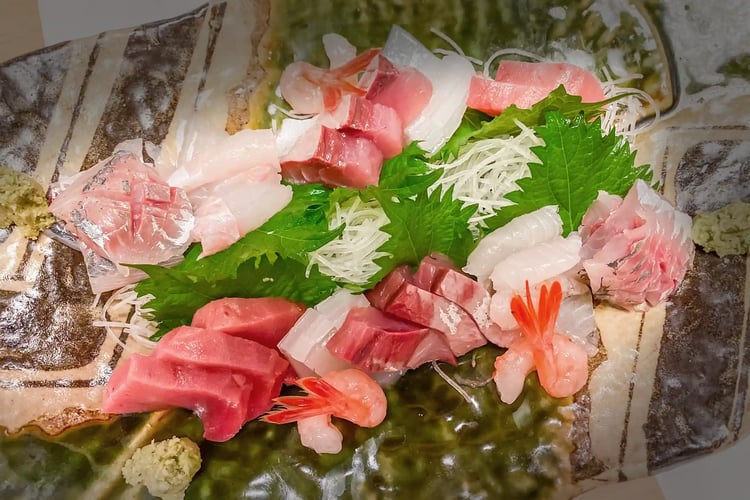
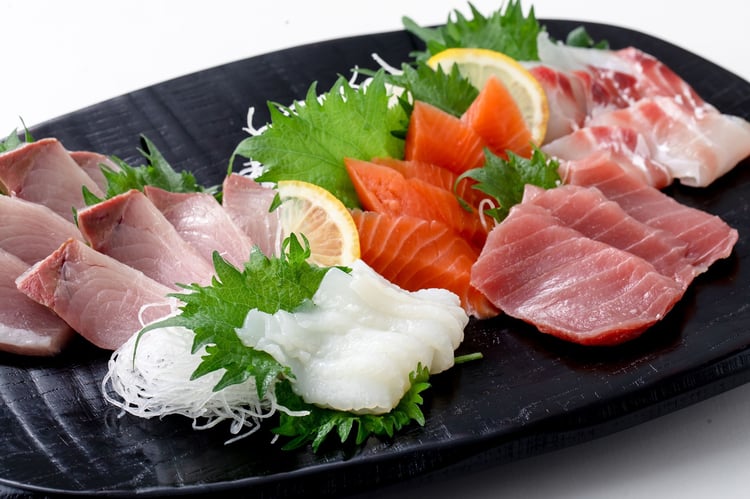
Sashimi is often translated as “raw fish,” but that shorthand leaves out the central point. Sashimi is sliced raw seafood served without rice, and its quality depends heavily on the cut, the thickness, the preparation, and the presentation. Because there is no rice to soften or balance the experience, texture, temperature, aroma, and knife work reach the diner more directly.
The Definition and Types of Sashimi
Sashimi is generally understood as raw seafood served without rice. Encyclopaedia Britannica describes it as fresh fish served raw, sliced thinly or more thickly depending on the nature of the fish, and accompanied by soy sauce, wasabi, and garnishes such as shredded daikon. What matters for the diner is that sashimi is not just “uncooked fish,” but a composed dish in which cutting and presentation shape the final taste.
Japanese descriptions of washoku likewise emphasize that “raw” preparations rely not only on freshness, but also on visual presentation and the pairing of condiments. A sashimi moriawase, or assorted platter, is often the best way to compare species side by side. Usuzukuri highlights delicacy through extremely thin slices, while preparations such as kobujime add another layer of umami through technique rather than heat.
Seen that way, sashimi is closer to a study in ingredient character than to a simple category of raw food. The fish matters, of course, but so do the cut, the sequence, the plate, and the chef’s judgment about what to serve that day.
Common Confusion #2 | What “Sashimi-Grade” and “Sushi-Grade” Really Mean
Terms like “sashimi-grade” and “sushi-grade” sound official, but they are not universal legal grades. In the United States, research on raw ready-to-eat seafood notes that “sushi grade” is commonly used in retail marketing, yet is not formally defined or regulated by the FDA.
So when you are thinking about safety or quality, the better question is not “Does it say sushi-grade?” but “How was it handled?” Temperature control, freezing practices, hygiene, sourcing, and turnover matter far more than a reassuring label.
Official FDA guidance explains that parasite control depends on specific time-and-temperature freezing conditions, not on marketing language alone. Japanese public-health guidance on anisakis makes a similar point from the consumer side: choose fresh fish, remove internal organs promptly, inspect visually, and rely on freezing or heating when appropriate.
For travelers, the practical approach is straightforward. Choose places that inspire confidence, follow the restaurant’s recommendations about what is best that day, and avoid assuming that soy sauce or wasabi makes raw seafood safe. Those condiments shape flavor, not food safety.
Why Did They Become Distinct Food Cultures? The History and Cultural Background of Sushi and Sashimi
Sushi and sashimi became distinct not just because one has rice and the other does not. They reflect different historical needs and different forms of craftsmanship: preservation, distribution, knife work, seasonality, and aesthetics. Understanding that background helps explain why a sushi counter and a sashimi course feel related, yet unmistakably different.
The Roots of Sushi
The origins of sushi lie closer to preservation than to the neat nigiri most people picture today. Ancient nare-zushi preserved fish by salting it, packing it with rice, and letting it ferment over time. In that older form, rice was part of the preservation process before later versions developed into something closer to an edible whole.
A major shift came with haya-zushi in the Edo period, when vinegar was mixed into the rice from the start instead of waiting for fermentation to produce acidity over time. That change helped move sushi from preserved food toward fast urban food. Later, red vinegar made from sake lees became important in Edo-style sushi and helped shape the flavor profile associated with Edomae sushi.
The Development of Sashimi
Sashimi developed along a different line, shaped by a knife culture in which the act of cutting carried both technical and ceremonial meaning. The hocho-shiki knife ceremony, for example, is known as a practice in which fish is handled without touching it directly by hand, using a knife and long metal chopsticks. Even today, it suggests that precision, purity, and presentation are part of the tradition—not decorative extras added later.
As those skills moved from courtly and ceremonial settings into broader food culture, sashimi became its own culinary form. Its identity came to rest on how raw seafood could be prepared safely, sliced appropriately, and arranged beautifully enough to highlight the ingredient without overwhelming it.
A Shared Aesthetic
Even as sushi and sashimi developed into distinct dishes, they continued to share a common aesthetic. Washoku, recognized by UNESCO, emphasizes respect for nature and the use of varied local ingredients. Japanese cultural guidance also stresses the role of tableware, room décor, and seasonal presentation in hospitality.
That is why both sushi and sashimi are experienced with the eyes as much as with the palate. The interval between pieces at a counter, the empty space left on a sashimi plate, the vessel chosen for the season—none of this is accidental. Taste is still central, but it is supported by timing, space, and atmosphere.
Craftsmanship Changes the Flavor | The Process Design Behind Sushi and Sashimi
The value of sushi and sashimi cannot be reduced to ingredient names alone. Their flavor is shaped by process: how the fish is handled, how it is cut, how the rice is seasoned, what temperature each element is served at, and when it reaches the diner. That is why the same fish can feel entirely different as sashimi and as sushi, or even at two different restaurants.
Sashimi Technique | How Cutting Changes Texture
In sashimi, the cut is not decoration; it is the design of texture. Reference works note that fish may be sliced paper-thin, cut thickly, cubed, or shaped in strips depending on its nature. Thickness changes how long the fish stays on the palate, while surface area changes how aroma rises and how soy sauce coats the slice.
That is why different cutting styles create different impressions. Hira-zukuri gives richer fish more body and chew. Usuzukuri brings delicacy and clarity to white fish. Kaku-zukuri emphasizes dimension and bite. Knowing a few of these terms will not make the meal more formal, but it can make your ordering much more precise.
Sashimi Preparation | Why Bleeding, Fish Preparation, and Temperature Control Make It Something Else Entirely
Sashimi is often simplified as “just slicing raw fish,” but what happens before the knife touches the fish is often just as important. Research on fish quality shows that post-harvest changes in ATP-related compounds are closely tied to freshness and umami, which means time after harvest can change the eating experience in meaningful ways.
Studies also suggest that ikejime-like handling and bleeding can reduce stress and drip loss while influencing quality markers in fish. Add careful temperature control, and the result is that two pieces of the “same fish” can taste surprisingly different depending on how they were handled.
That is why, when a chef says a fish is especially good today, the compliment may refer not only to origin or season, but also to the success of the entire chain of handling, preparation, and timing before service.
%20for%20Sashimi.webp?width=750&height=500&name=A%20Chef%20Slicing%20Tuna%20(Maguro)%20for%20Sashimi.webp)
Sushi Technique | Shari Temperature, Nigiri, and Timing Decide the Taste
A sushi chef’s skill cannot be judged by the topping alone. Public materials on sushi explain that nigiri requires different preparation depending on the topping, that shari is central to flavor, and that pieces should be served in rhythm with the diner’s pace. In other words, sushi is not only assembled; it is timed.
Rice science helps explain why this matters. When rice is held too cold, it firms up as starch retrogradation progresses, which changes both stickiness and mouthfeel. That is why strong sushi restaurants pay close attention to shari temperature: the goal is rice that holds together long enough to be picked up, then loosens naturally in the mouth.
Timing matters just as much. A piece placed in front of you at the counter is usually being served at its intended balance of temperature, texture, and seasoning. Waiting too long can change the experience more than many first-time diners realize.
Is Freshness Always Best? How to Think About Aging
“Freshest is best” sounds sensible, but with raw seafood it is only part of the story. Official travel guidance notes that some white fish can improve when aged under carefully controlled conditions. Research on long-aged sashimi likewise reports changes in compounds such as IMP and in textural properties over time.
That does not mean “aging” is always better. It means that the peak point for sweetness, firmness, aroma, and umami varies by species and by handling. One restaurant may serve a fish the day it arrives; another may rest it first. Both can be correct if the method matches the ingredient.
Knives and Tools
A knife is not just a utensil in this tradition; it is part of the culinary language. The continued visibility of practices such as hocho-shiki reflects a long-standing Japanese association between precise cutting, skill, and purity.
That cultural importance also appears in regional craft traditions. Sakai, in Osaka, is especially well known for forged blades, with a history tracing back to 16th-century tobacco knives and a production system built on specialized division of labor among forging, sharpening, and handle fitting. At a good counter, watching the knife work is not a side attraction—it is part of the meal.
.webp?width=750&height=500&name=Five%20Yanagiba%20Knives%20(Traditional%20Japanese%20Sashimi%20Knives).webp)
How to Eat and Table Manners | The Gestures That Let You Enjoy Sushi and Sashimi Without Missing Out
The etiquette around sushi and sashimi makes the most sense when you divide it into two purposes: avoiding actions that disrupt the room, and following small practices that help the food taste as intended. The point is not to perform rules for their own sake. It is to receive the dish without getting in the way of its balance.
Basic Manners for Sushi
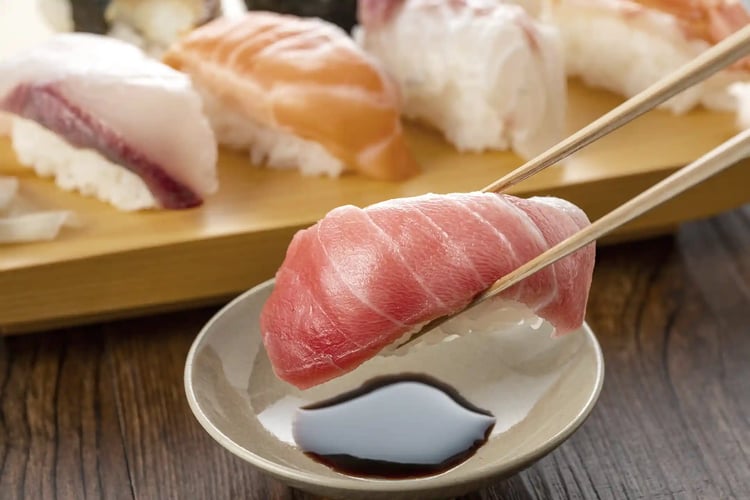
Sushi etiquette is practical before it is formal. Official guidance explains that soy sauce should touch the topping side, not the rice, because the rice absorbs too much liquid and can lose both its balance and its shape. That single adjustment improves the eating experience immediately.
You may use chopsticks or your hands; at a counter, eating nigiri with your hands is completely natural. Gari is best treated as a palate cleanser between bites, not as a topping. And when a chef serves sushi piece by piece, especially in omakase, it is usually at its best when eaten soon after it is placed in front of you.
Basic Manners for Sashimi
With sashimi, the basic rule is to preserve clarity of flavor. Sashimi is commonly served with wasabi, soy sauce, and garnishes such as daikon. Some restaurants expect you to place a little wasabi directly on the fish rather than stirring large amounts into the soy sauce.
The garnishes are not there only for looks. Japanese descriptions of washoku note that such accompaniments help complete the dish, adding contrast, freshness, and in some cases practical value as well as beauty.
If you are unsure how to begin, go from lighter flavors to richer ones. On an assorted plate, starting with white fish and moving toward fattier or more strongly flavored items helps each piece remain distinct.
Common Mistakes to Avoid
At more refined places, the main mistakes are usually the ones that interfere with other people’s experience or with the food itself. Strong perfume is a common example: official travel guidance notes that some restaurants discourage fragrances because delicate aromas are part of the meal.
Tipping is also not customary in Japan. In most cases, a sincere thank-you is more natural than leaving extra money. It is also wise to check the restaurant’s policy on photography rather than assuming photos are always welcome.
Keeping your voice low matters for the same reason. A sushi counter is a small, focused environment, and part of the pleasure is the concentration of the room. Good manners here are less about stiffness than about awareness.
Drink Pairings
Because sashimi places texture and aroma front and center, drinks that stay out of the way often work best. Encyclopaedia Britannica notes that sashimi is traditionally accompanied by sake. Tea also works well, especially when you want a clean reset between pieces.
Sushi can support a slightly wider range because it combines the acidity and sweetness of rice with the character of the topping. Sake, green tea, genmaicha, white wine, and sparkling wine can all work well. The best pairing is usually the one that matches the delicacy—or richness—of the piece in front of you.
How to Choose on Your Travels | How to Order at Sushi Restaurants, Kappo, and Izakaya
When deciding where to eat while traveling, the most useful starting point is not price alone, but the kind of experience you want. A sushi counter offers dialogue and timing. Kappo and kaiseki bring seasonality, vessels, and sequence more strongly into focus. A good izakaya can offer excellent sashimi with a looser, more social atmosphere. Thinking that way makes it much easier to choose well.
Experience-Based Recommendation 1 | What You Gain at a Sushi Counter (Omakase)
A memorable sushi counter experience is about more than premium fish. It is also about tempo. JNTO describes omakase as leaving the selection to the chef, and notes that it tends to be the highest-end style of sushi dining, often requiring reservations.
At the counter, each piece can be adjusted in real time—temperature, thickness, pressure, and seasoning are all part of what reaches you. That is why omakase feels different from ordering everything at once from a menu.
If it is your first time, tell the restaurant about allergies and language needs in advance. On the day, a simple “I’d love your recommendations” is often enough. It is clear, respectful, and easy for the restaurant to work with.
Experience-Based Recommendation 2 | Why Sashimi Shines in Kappo and Kaiseki
If you want to understand sashimi as more than “raw fish,” kappo and kaiseki are especially valuable. Current JNTO guidance describes kaiseki as a multi-course meal with strong emphasis on seasonal ingredients, presentation, and tableware. That setting naturally allows sashimi to appear as one part of a larger seasonal story.
Kappo often offers a more intimate version of that experience, with diners seated closer to the chef. In both formats, sashimi is not isolated; it is placed in sequence, often early in the meal, when the palate is still fresh enough to catch subtle differences.
Once you have had sashimi in that setting, you start to notice more even in casual places. The vessel, the garnish, the cut, and the order of service begin to feel intentional rather than incidental.
Notes on Reservations, Dress Code, and Payment
At better restaurants, a reservation is not just administrative. It can affect ingredient purchasing, course planning, and how the restaurant prepares for allergies or special requests. Confirming details in advance is part of dining smoothly, not a burden.
There may not be a rigid dress code, but clean, understated clothing suits the setting best. Strong fragrance is best avoided, especially at sushi-focused restaurants where aroma matters.
Since tipping is not standard in Japan, payment is usually straightforward. It is still smart to check whether the restaurant accepts cards, whether photography is allowed, and how strictly arrival times are observed. Precision is often part of the hospitality.
Experience Ideas That Deepen Your Understanding
If you want to deepen your understanding beyond the plate, seeing the supply side helps enormously. Toyosu Market officially provides visitor observation areas, and general access begins early in the morning. Watching the market at work gives real context to the freshness and timing behind sushi and sashimi.
Some viewing options and time slots may require advance confirmation, and rules can change, so it is best to check the official Toyosu Market information before you go. Even from the public walkways, the scale and pace of the market are revealing.
If you want to explore tools rather than ingredients, Kappabashi Kitchenware Town in Tokyo is an excellent stop. About 160 shops line the area, selling Japanese knives, lacquerware, ceramics, and professional kitchen tools.
And if blade culture itself becomes part of the fascination, Sakai’s forged-blade tradition is worth seeking out. Eating is only one way to understand sushi and sashimi. Seeing the market, the tools, and the craft behind them turns the meal into a much richer memory.