When you translate the English word “holiday” into Japanese, the meaning spills beyond any single term. “Kyūjitsu” (a designated day off), “Kyūka” (leave), and “Shukujitsu” (public holiday)—each carries subtle nuances that reflect your distance from work and society, your harmony with nature, and even the rhythm of your life.
What these carefully distinguished words reveal is not simply the act of resting, but a distinctly Japanese aesthetic: reconnecting self and society, nature and culture, through the way you rest. In this article, using “holiday” as a lens, you’ll explore Japan’s culture of time off and the values that give it shape. Consider this your invitation to rediscover the richness of Japanese sensibilities and the many-layered world of “rest.”
Subtle Nuances When Translating “Holiday” into Japanese
If someone says “holiday” in English, many readers in Europe and North America will picture a substantial break—say, summer vacation or the Christmas holidays.
In Japanese, however, that single word is divided with care into terms like “Kyūjitsu,” “Kyūka,” and “Shukujitsu,” depending on the context. Here you can sense a uniquely Japanese cadence that creates small “perches” between working days, and a thoughtful instinct to position time off properly within society.
First, “Kyūjitsu” and “Kyūka” may look similar, but they play very different roles. “Kyūjitsu” refers to days on which you’re not expected to work—your scheduled, official pit stop each week. By contrast, “Kyūka” is when you switch a regular workday to off-duty by your own request (*1). In many European workplaces, taking several consecutive weeks off isn’t unusual, but in Japan paid leave is often treated like a finite block of personal time and used in small increments so you don’t burden colleagues.
As a result, the average utilization rate of paid leave in 2023 stood at 65.3%, trailing the global average (*2). Because those days feel precious, it’s very Japanese to spend them on travel or hobbies—choices that feel like “investing in yourself.”
So what about “Shukujitsu,” or public holidays? This term denotes commemorative days set by the government. Japan has 16 such days a year, and many are anchored to stories tied to history or nature.
For example, February 11 is “National Foundation Day,” when you reflect on the “birthday” of the Japanese community and look ahead to the country’s future (*3). The third Monday in July is “Marine Day,” a moment for a maritime nation to renew its gratitude to the sea that surrounds it (*4). And November 3 is “Culture Day,” aligned with the postwar Constitution’s promulgation and dedicated to celebrating freedom, peace, and culture (*5). These are not just days off; they function as collective pauses when society “reconfirms” shared values.
The Difference Between “Kyūjitsu” (Designated Days Off) and “Kyūka” (Leave)
“Kyūjitsu” is a no‑work day set in advance by your company or school. Because it arrives with calendar certainty, many people in Japan tend to spend it on family time or self‑care.
“Kyūka,” on the other hand, is something you actively apply for—more like cashing in a “special ticket” and using it for travel or a favorite pursuit. Compared with Europe and North America, where “the freedom to rest” feels firmly established, Japan still retains some hesitation about “taking a day off when everyone else is working,” so paid‑leave utilization remains around 60% (*2). Even so, with recent work‑style reforms, more people are planning these days as chances to “unfurl their own wings.”
“Shukujitsu” (Public Holidays) and the Stories Behind Them
Japanese public holidays also mark historical moments and seasonal thresholds. “National Foundation Day” quietly calls up narratives reaching back to mythic times. “Marine Day” reaffirms an island nation’s identity and nudges summer leisure into motion. On “Culture Day,” events praising free expression take place across the country, and museums sometimes waive admission. Once you know the story behind each holiday, the red marks on the calendar stop being mere symbols and become touchpoints with society’s living memory.
The Japanese Aesthetic Inside “Holiday”―Seasonality and How You Take Time Off
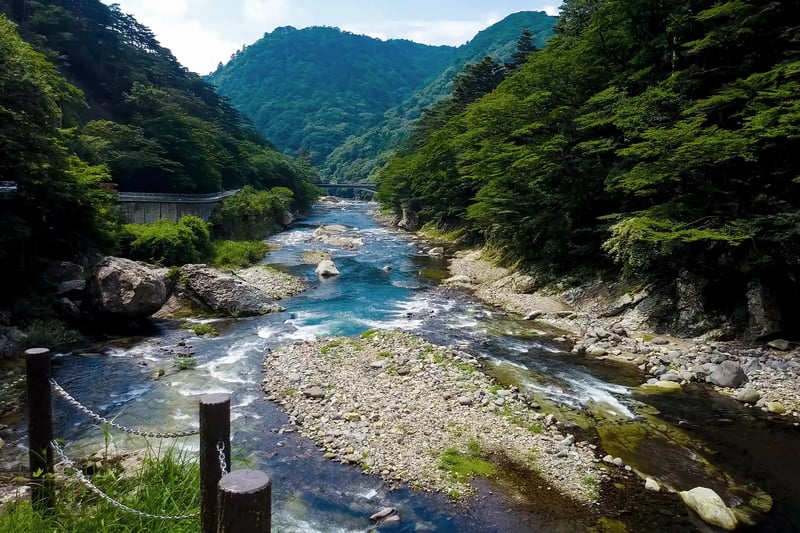
Sensing the turn of the seasons is central to how Japan approaches time away from work. Long breaks like Obon and the New Year have long been synchronized with nature’s cycles, enabling what feels like a “homecoming of the heart.”
Of course, Europe and North America have summer vacations and the Christmas holidays, but in Japan time off is tuned more finely to the calendar’s smaller beats and helps you reaffirm ties with family and local community. The tradition of parsing the year into the 24 sekki and 72 kō—micro‑seasons used to “converse” with nature—still shapes how many people plan their time away today.
Savoring Each Season’s Mood on a Japanese Holiday
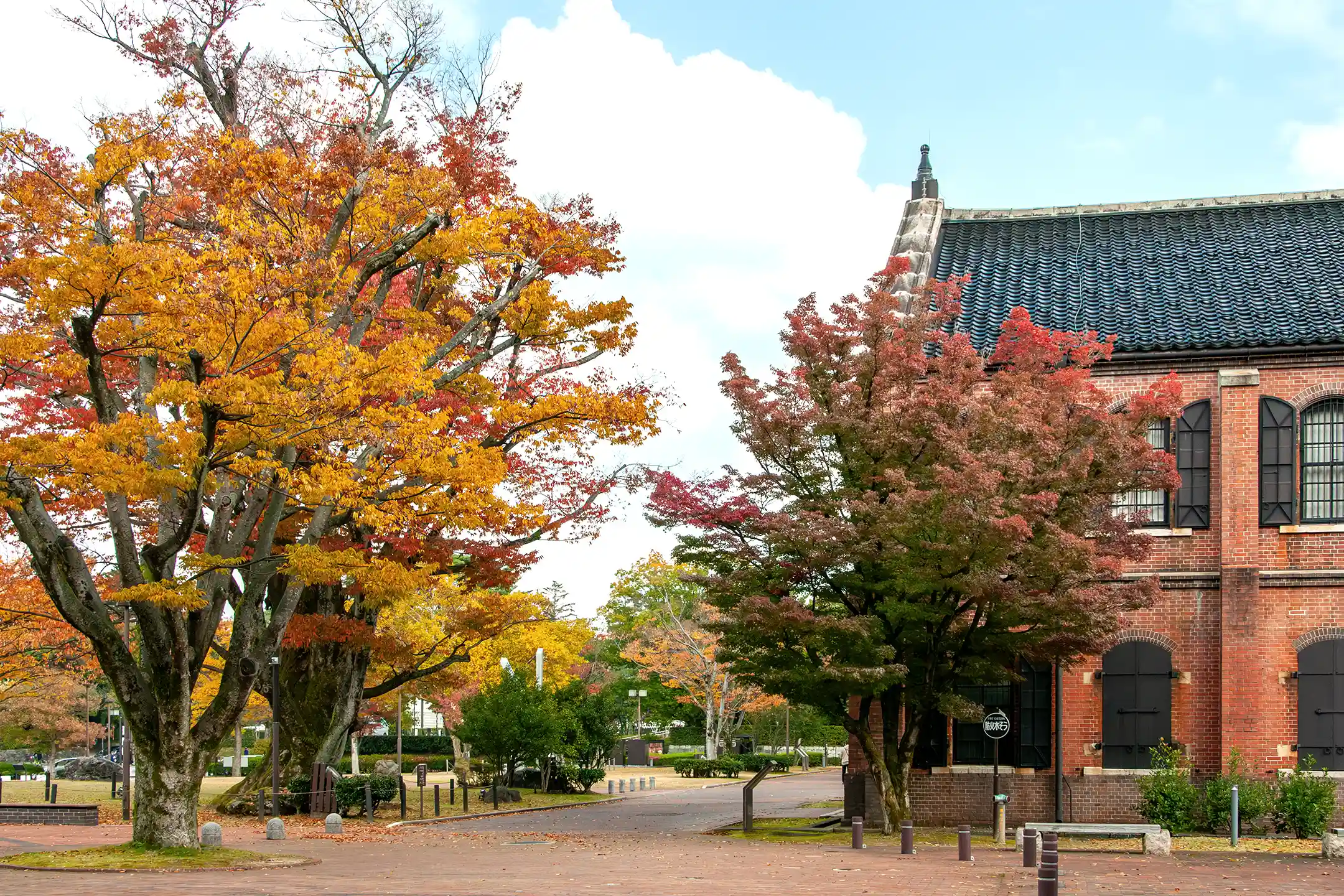
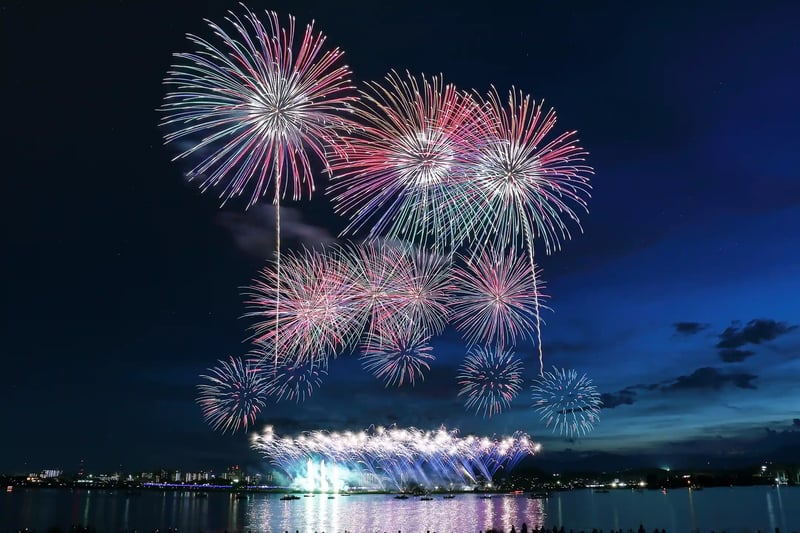
Hanami in spring invites you to honor the sakura’s fleetingness—an “here and now” philosophy made visible. Summer fireworks and Obon offer time to face memories of those who have passed as you send hopes into the night sky. Autumn leaf‑viewing lets you map life’s shading onto changing colors, and winter hot springs wrap you in quiet snow scenes and rising steam. In every scene, you and the season blend, guided by a Japanese way of resting that “learns from nature.”
Japanese Expressions for “Holiday” That Feed Cultural Curiosity
In Japanese, time off isn’t just empty space; many expressions frame it as a ritual for renewing your energy. “Hone‑yasume” (literally “resting the bones”), “Inochi no sentaku” (“washing one’s life clean”), and “Hane o nobasu” (“stretching your wings”)—each phrase resonates because it evokes loosening the body and self that daily busyness tends to compress. Knowing these words is your first step toward turning a holiday from “consumption” into “investment.”
“Hone‑yasume” and “Inochi no sentaku”―The Inner Value Japan Seeks in Time Off
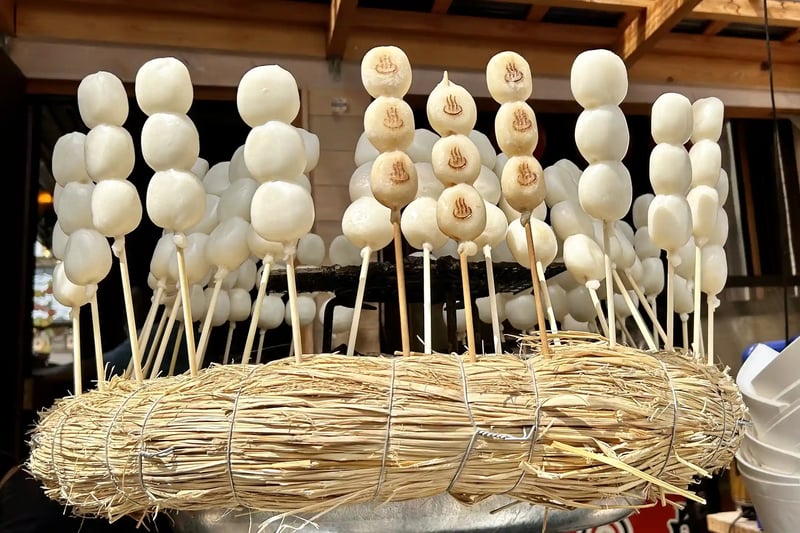
“Hone‑yasume” suggests warming and relaxing yourself to the core—a sensibility that grew alongside onsen culture. “Inochi no sentaku” imagines rinsing away the dull film left by stress; plenty of people feel that modern spas and retreats—or even a deep breath in nature—deliver that “washing” effect.
“Hane o nobasu,” meanwhile, is a metaphor for temporary liberation. When you design your time off with these keywords in mind, you don’t just spend hours—you remake yourself in the process.
From the Meaning of “Holiday” to Ways of Enjoying Time Off Unique to Japan
Travel that feeds your curiosity and your mind naturally fits Japan’s culture of time off. With more than 5,000 museums and art museums nationwide, these are not mere attractions—they’re “playgrounds for the intellect.” At the Tokyo National Museum or Kyoto National Museum, you can get close to National Treasure–class works and encounter ways of seeing the world that generations of Japanese refined.
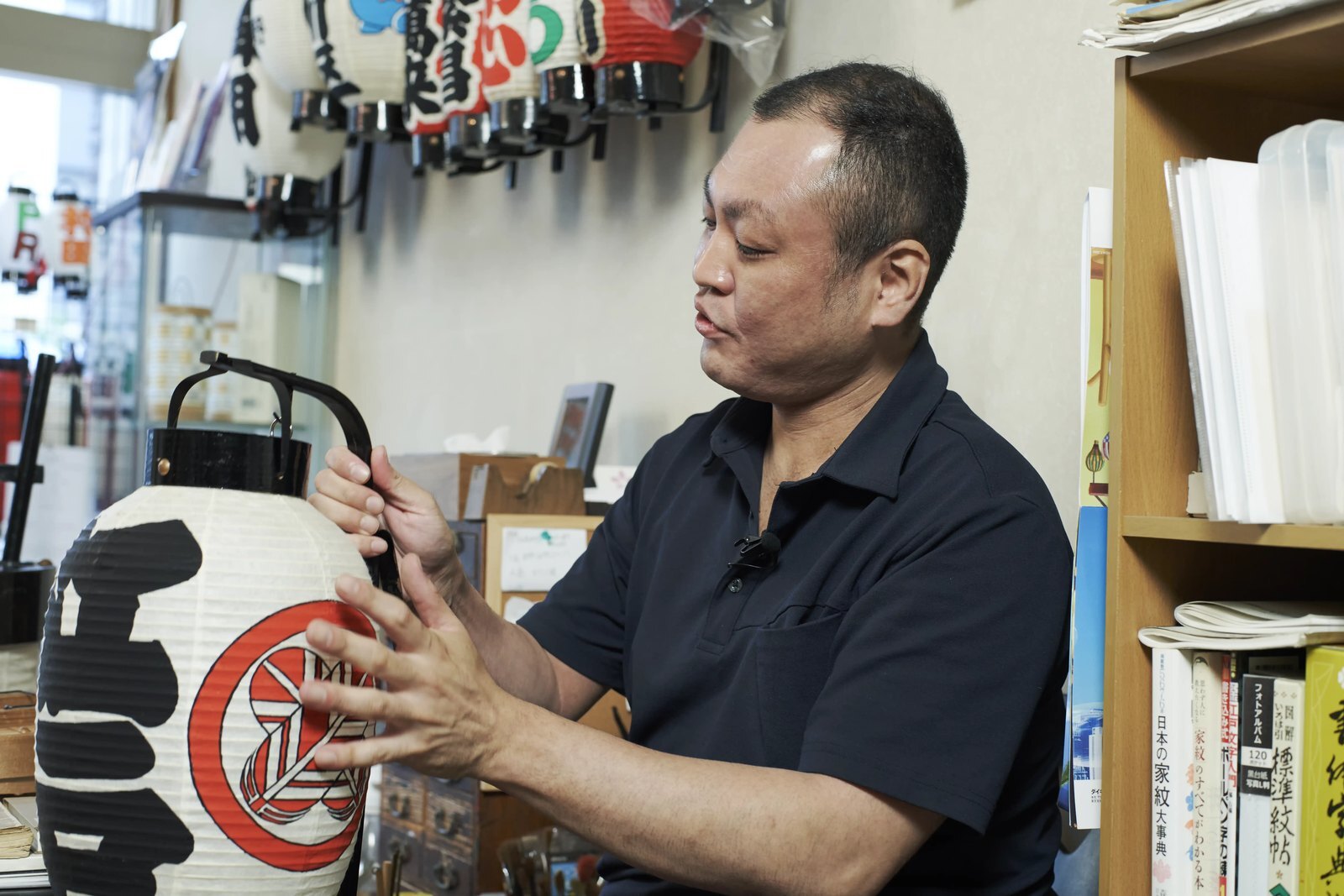
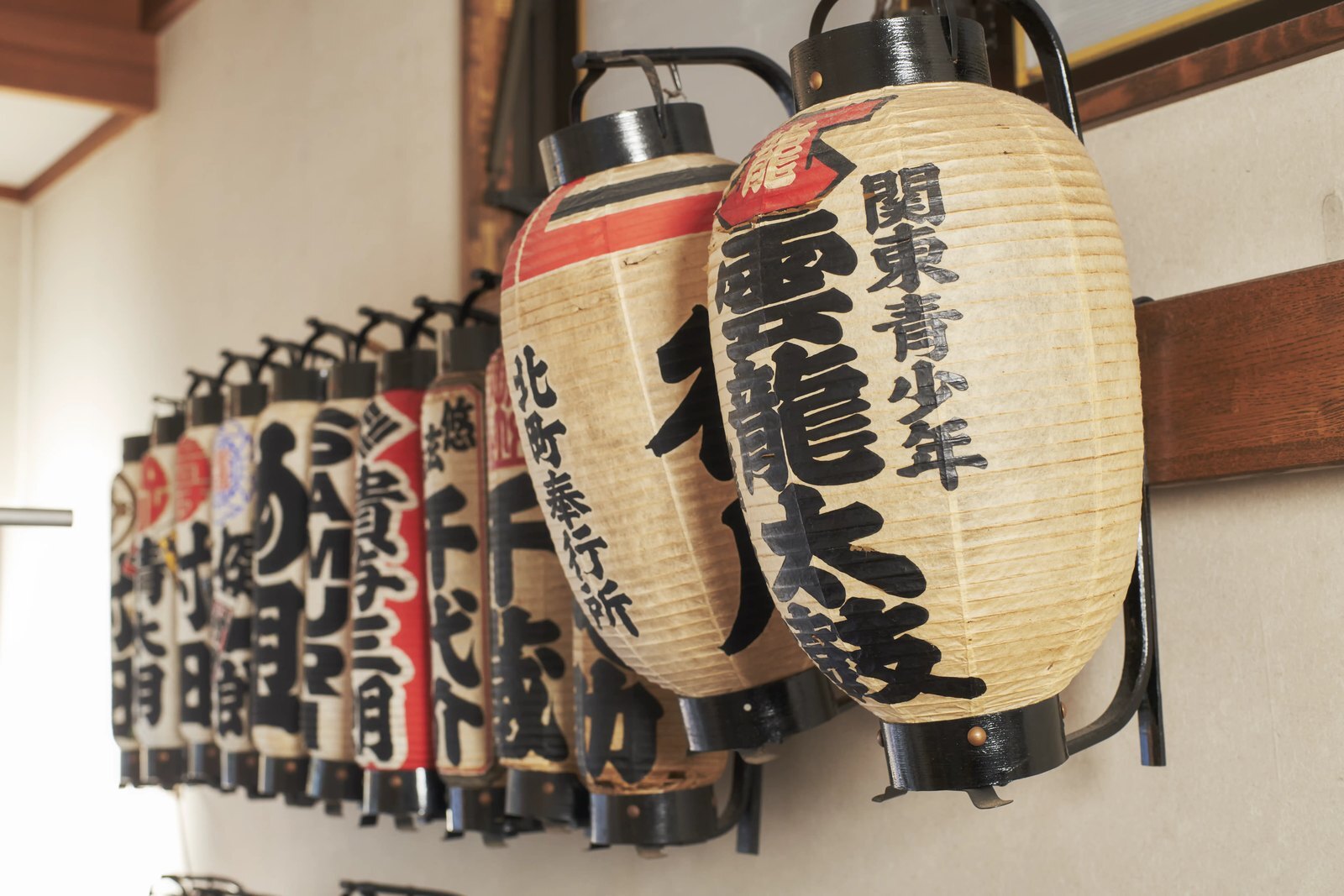
Walk castle grounds and historic sites, and the values embedded in stone walls and gardens begin to rise to the surface. In craft workshops, you learn history through your hands. When you weave cultural experiences into your time off, travel becomes more than “washing your life clean”—it evolves into a “re-tuning of the senses” (*1)(*2).
Ideas for a Learning‑Rich Holiday That Lets You Taste Japanese Culture
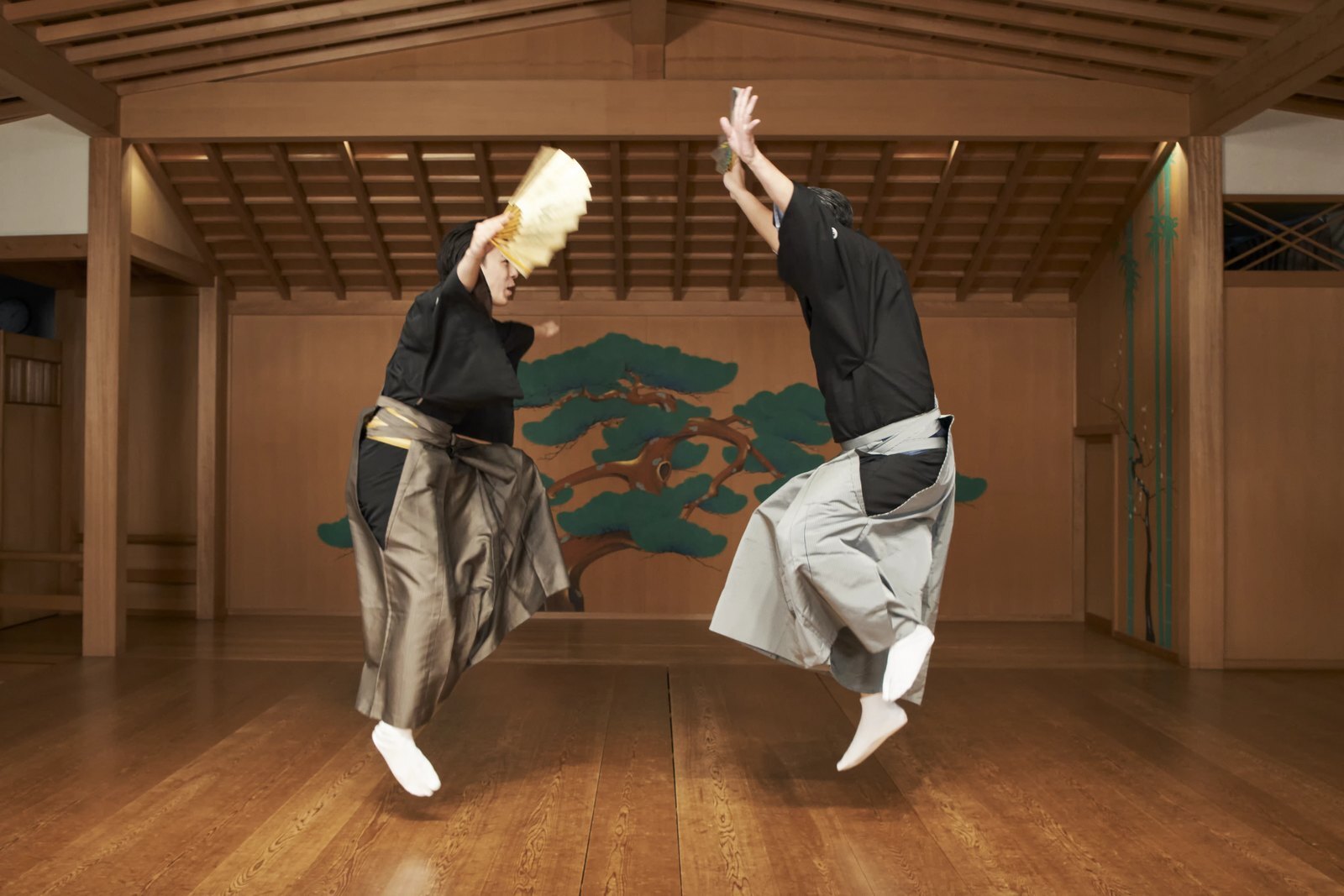
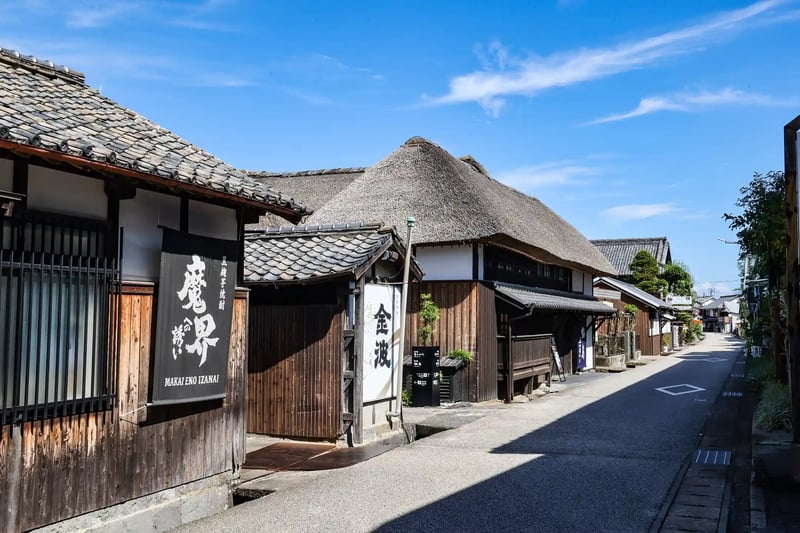
On a museum circuit, special exhibitions lend you a curator’s eye so you can decode the “aesthetic codes” at work in Japan. Strolling historic buildings and old townscapes, you may notice the patina on paving stones or the shadows cast by wooden lattices—“layers of time” speaking through materials. Tune your senses during a performance of traditional theater, then build embodied knowledge at a hands‑on craft workshop. Pleasure and learning coexist seamlessly on this kind of trip, giving you a layered holiday experience that feels different from typical relaxation‑first vacations in Europe or North America.