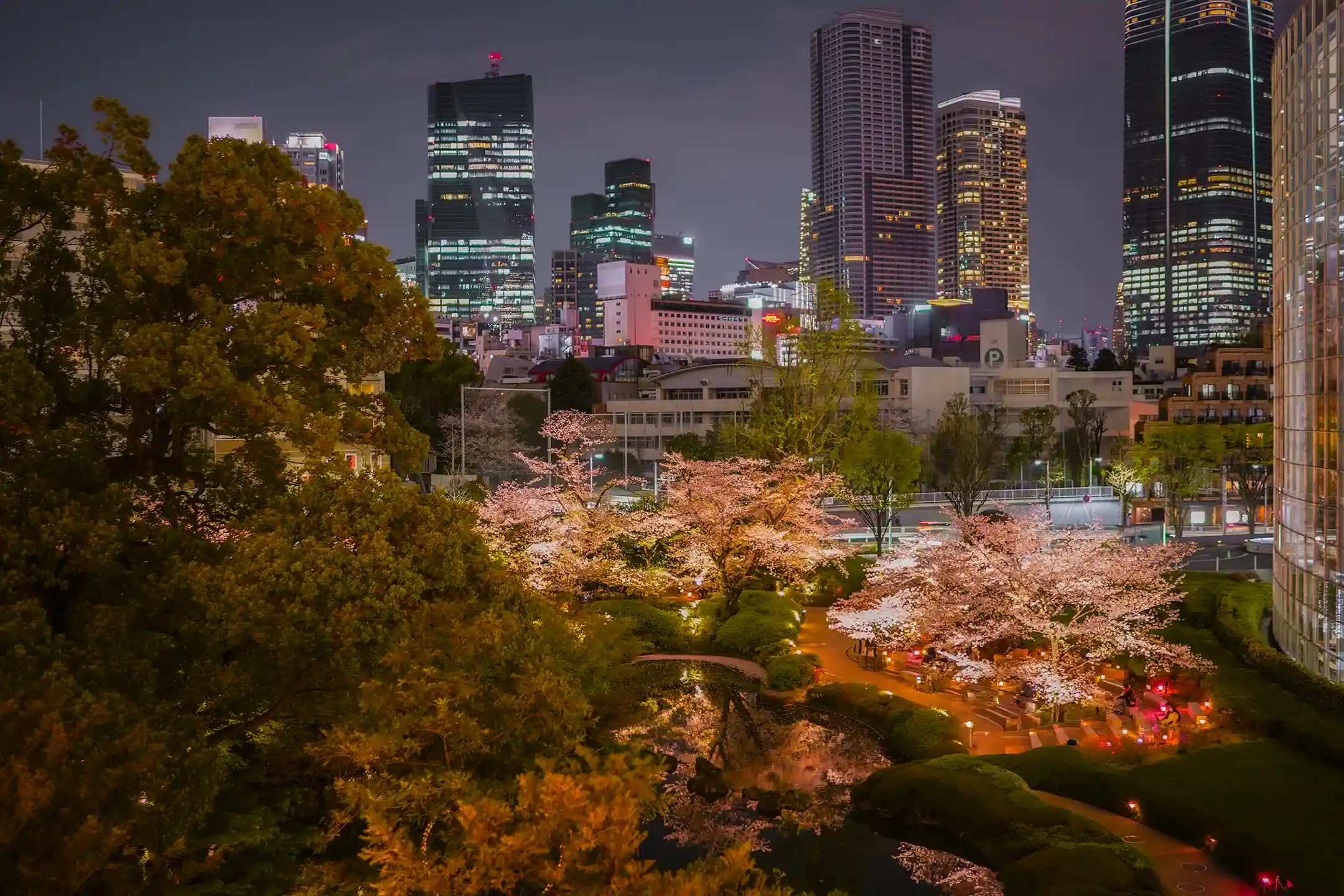
Did you know that in Tokyo—one of the world’s great megacities—there are places where steam rises quietly, as if time itself has softened? Nestled between soaring towers, an onsen ryokan is not simply a place to stay. It is a “cultural space” where Japanese aesthetics, the spirit of hospitality, and contemporary sophistication are distilled into a single experience.
In this article, you’ll explore Tokyo onsen ryokan as a true urban refuge—stepping away from the city’s constant pulse to restore both body and mind. From the benefits of natural hot springs and the beauty of architectural design, to the luxury of private baths, culture-rich experiences unique to high-end ryokan, and even sustainability initiatives, we’ll unpack these stays from multiple angles. Consider this your invitation to a serene, intellectually satisfying healing journey—one you can only experience in Tokyo.
The Allure of Tokyo Onsen Ryokan: 3 Hideaway Hot Springs to Forget the City’s Noise
The True Pleasure and Benefits of Authentic Hot Springs in Tokyo
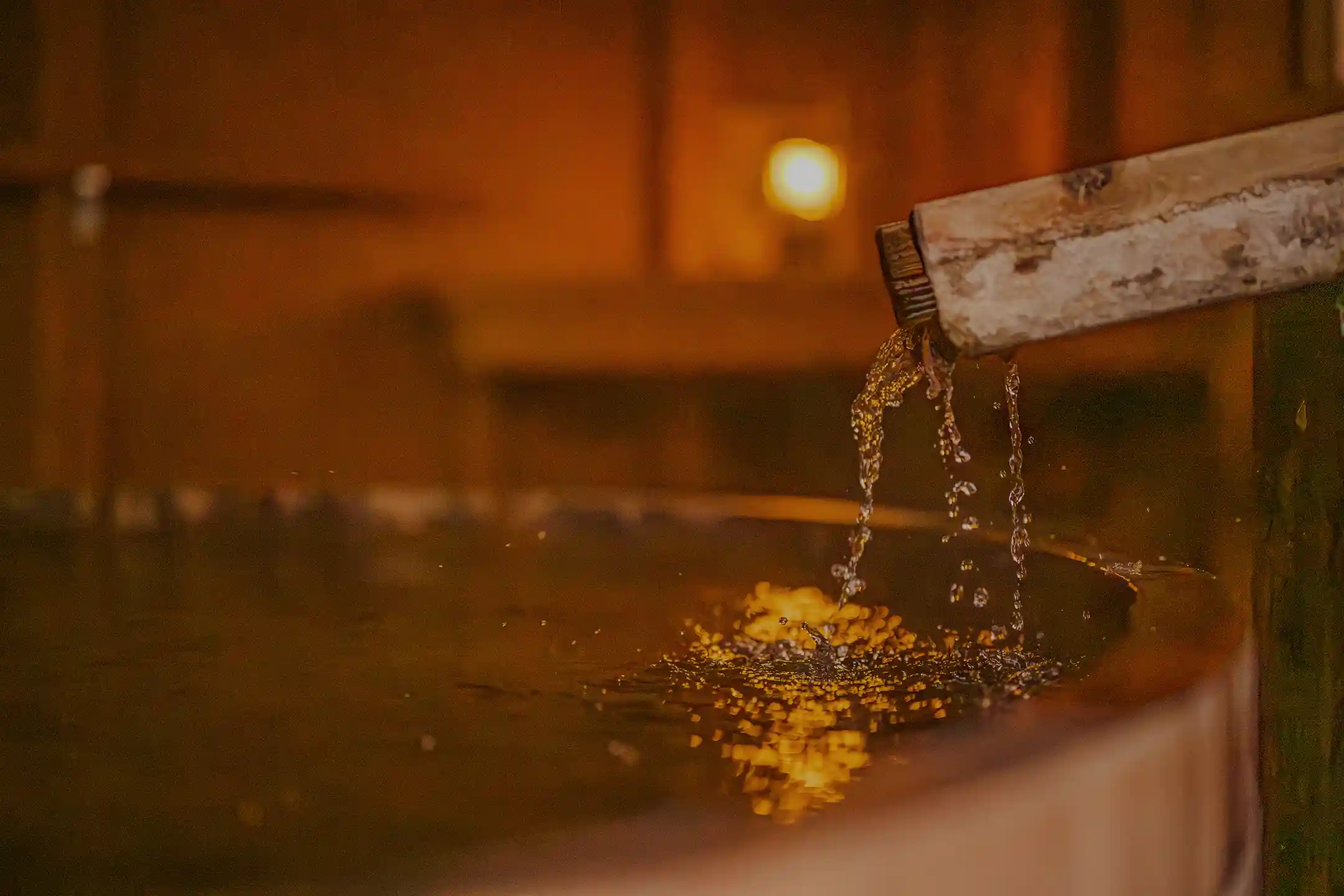
Even in central Tokyo, there are ryokan where you can enjoy genuine natural hot springs. Facilities that draw mineral-rich water from deep underground offer the kind of soak that warms you to your core—often associated with improved circulation, relief from aches and pains, and support for healthy metabolism (*1).
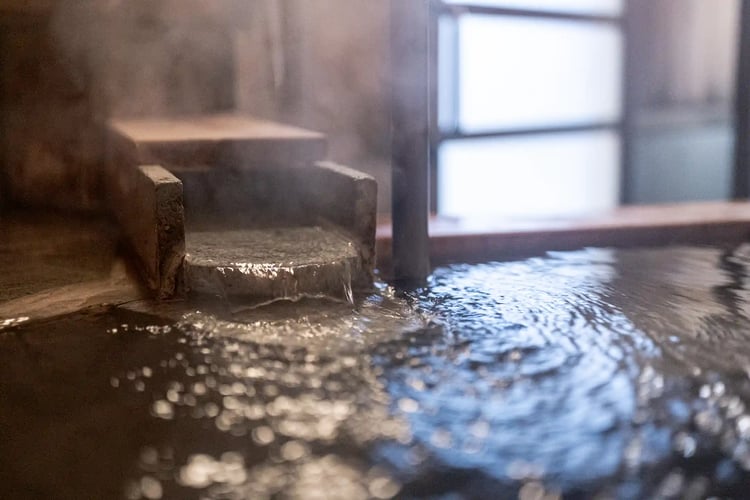
For example, the luxury ryokan HOSHINOYA Tokyo supplies natural hot spring water that rises from 1,500 meters below ground to an open-air bath on the top floor—letting you indulge in an extraordinary soak right in the heart of the city (*2). Meanwhile, Onsen Ryokan Yuen Shinjuku offers an alkaline simple hot spring delivered from a Hakone source, enjoyed from an open-air bath on the 18th floor—one of several clever approaches that allow you to savor the pleasure of renowned waters without leaving Tokyo (*2).
When you sink into the bath and let yourself slow down, it’s not only daily stress and fatigue that begin to dissolve. Minerals in the water are said to cling lightly to the skin, helping retain warmth—an effect often linked to easing sensitivity to cold and supporting immune function (*1). Wrapped in gentle steam far from the city’s commotion, you’ll find a moment that feels like the purest form of restoration.
.webp?width=750&height=500&name=Ryotei%20(High-end%20traditional%20Japanese%20restaurant).webp)
Artistic Architecture and Refined Spatial Design
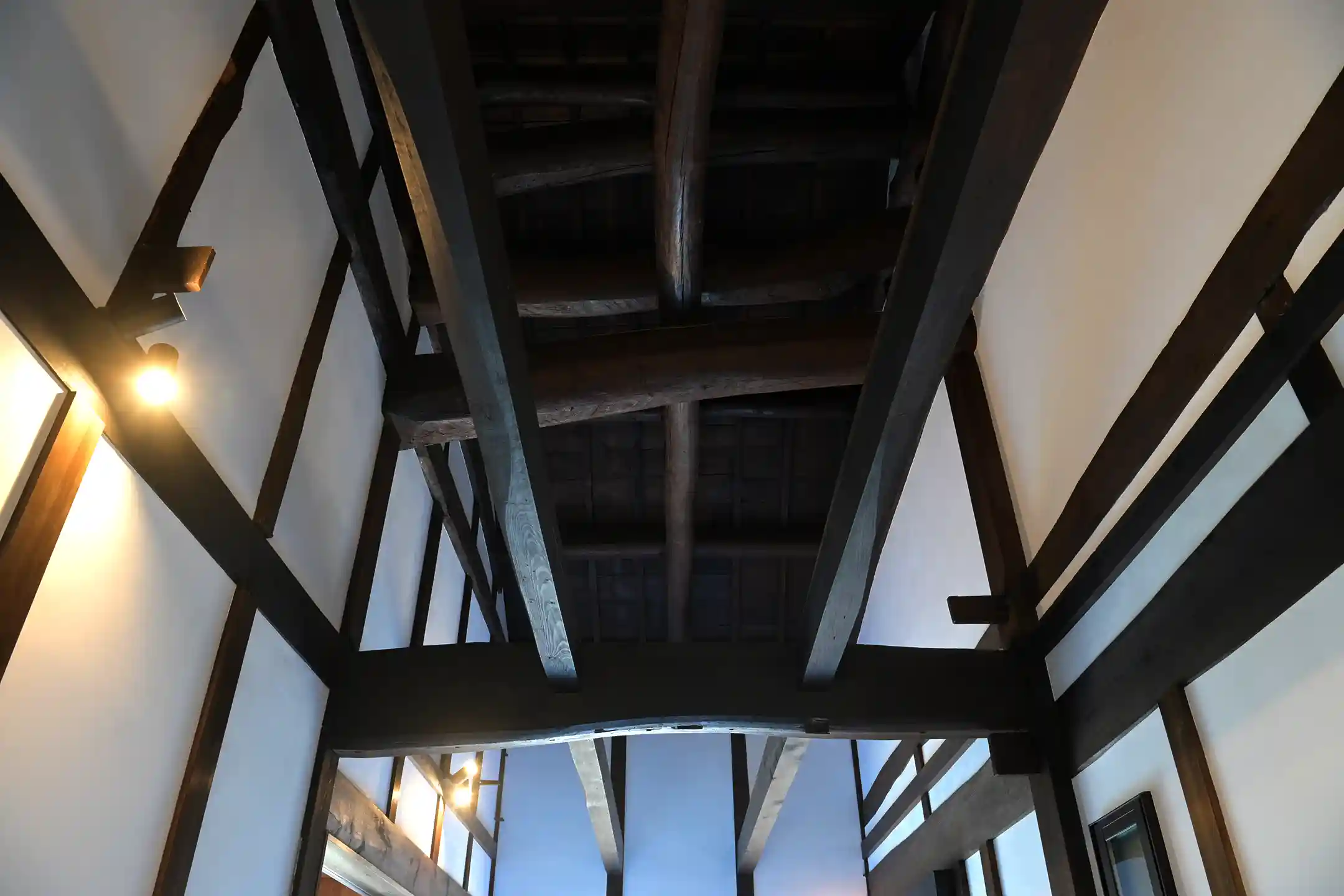
Tokyo’s onsen ryokan are equally compelling for their architecture and interior design. Though surrounded by high-rises, they create a distinct sense of “elsewhere,” often by blending traditional beauty with modern sensibility in a highly deliberate way. At HOSHINOYA Tokyo, for instance, the facade is covered with an Edo komon–inspired lattice. From a distance it reads like a dignified black tower, yet as you approach, a delicate pattern—an artful variation on the hemp-leaf motif—emerges. Soft light filtering through the lattice subtly signals a tranquil world apart from the bustle of the financial district (*3).
At Onsen Ryokan Yuen Shinjuku, the approach into the building is styled with noren curtains, stone paving, and a water basin—guiding you from a classical Japanese atmosphere toward a pared-back, contemporary Japanese space as you move deeper inside. Seasonal fragrances and the choreography of light and shadow are woven in so thoughtfully that simply walking through the property becomes a five-senses encounter with Japanese aesthetics (*3).
You may also notice an artistic spirit in tatami-lined corridors and the carefully chosen furnishings of lobby lounges—so much so that the ryokan itself can feel like a living “Japanese gallery.” Time spent within these spaces doesn’t just impress; it settles you, offering a quiet emotional resonance that lingers.
The Stories of Historic Ryokan Loved by Cultural Figures and Notable Guests
Tokyo is also home to discreet, long-established ryokan that have been cherished by cultural figures and well-known guests across generations.
One example is Hōmeikan in Hongo, Bunkyo City—founded in 1905 (Meiji 38). This atmospheric wooden ryokan preserves early Showa-era architecture, and its main building is designated as a Registered Tangible Cultural Property. The nostalgic presence—rich with Showa ambience—has a particular appeal for architecture lovers (*4). Inside, rooms featuring fine woods and baths adorned with retro tile art create a warmth all their own, quietly recalling the days when Showa-era literary greats once stayed here.
Elsewhere, in places like Asakusa and other downtown neighborhoods, some longstanding ryokan and intimate Japanese inns are said to have been quietly frequented by famous painters and actors. The culture of Tokyo’s ryokan is threaded with these living stories—and when you touch even a small part of that continuity, your journey can feel deeper, more moving, and unmistakably Tokyo.
Tokyo Onsen Ryokan with Private Baths: A Luxurious Space for Deep Restoration
3 Tokyo Onsen Ryokan Where Fully Private Hot Springs Are Especially Popular
Tokyo also has ryokan where you can soak in hot springs in the privacy of your own room—without a single worry about anyone else. At the luxury ryokan FUFU Tokyo Ginza, which opened in Ginza in 2025, every guestroom bathroom draws in natural hot spring water from Atami, allowing you to warm your body in a true onsen without leaving your room (*1). There is also a footbath in the rooftop garden, creating a lavish setting where you can enjoy a private soak while feeling the Ginza sky and breeze overhead (*1).
Onsen Ryokan Yuen Bettei Daita in Setagaya is another beloved option, offering open-air baths or private gardens in more than half of its 35 rooms. The corner suite, in particular, is praised for a spacious terrace with a large open-air bath beneath the open sky—so liberating that you might forget you’re still in Tokyo, as if you’ve wandered into a mountain village onsen retreat.
At the Japanese-modern Prostyle Ryokan Tokyo Asakusa, you’ll find guestrooms with semi open-air hinoki baths, along with private rental saunas—ideal for couples or families who want uninterrupted time together. Each of these properties delivers the rare promise of “your own onsen” in the center of the city, making them an exceptional choice for travelers who value privacy as the highest form of luxury.
Guestroom Interiors and High-End Amenities That Heighten the Sense of Occasion
In rooms that include private baths, the interior design and amenities are often curated with equal care. Some ryokan, for example, place low beds on tatami floors and unify furniture at a low eye level—creating a design that lets you feel a distinctly Japanese way of living, as though you were spending time in a traditional room with futon-like ease (*2).
Lighting tends to favor warm-toned indirect illumination for a calm atmosphere, and some rooms frame greenery from a private garden—small details that let you experience Japanese serenity through all five senses. Amenities, too, reveal a thoughtful balance of luxury and environmental awareness.
Depending on the ryokan, you may find organic skincare sets, or soaps infused with Japanese fragrance created in collaboration with long-established brands—each chosen to deliver a refined kind of comfort. Some luxury properties even offer plans that include popular organic cosmetics as a post-bath gift for female guests—an indulgent touch that shows how far hospitality extends into the details.
At FUFU Tokyo Ginza, guestrooms are also adorned with traditional crafts and artworks that vary from room to room, shaping spaces where you can feel the presence of artisanal hands and human craftsmanship (*3). Soft sunlight filtering through shoji screens, seasonal flowers arranged in the tokonoma alcove—these quiet accents deepen the atmosphere, adding nuance to an already special stay. Surrounded by such elevated interiors and amenities, you can truly relax while feeling the rare, non-everyday richness of the moment.
The Appeal of Traditional Crafts and Cultural Experiences You Can Enjoy Inside Your Room
Another pleasure of a private-bath guestroom is that you can encounter Japanese culture without stepping outside even once. Many ryokan provide yukata for after the bath and tanzen jacket-style robes for cooler moments—so simply changing into them and relaxing in a Japanese-style room becomes a cultural experience in itself. The sensation of tatami underfoot and the gentle daylight diffused through shoji screens—details rarely found in Western hotels—often feel both fresh and deeply soothing to international travelers.
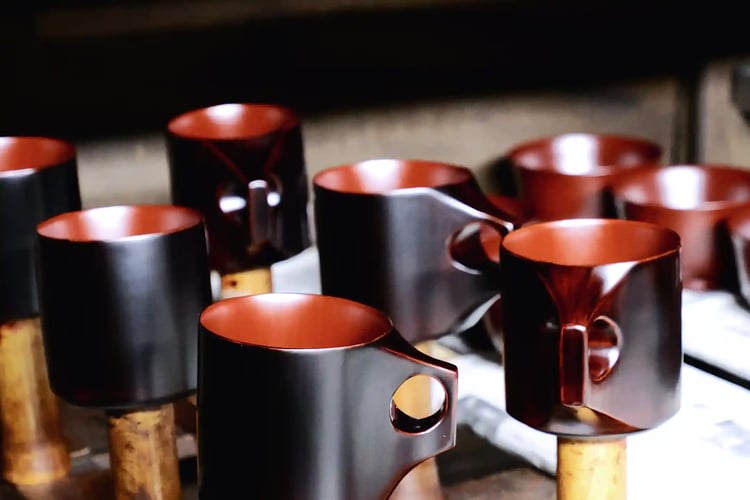
Some ryokan also place traditional toys and crafts in the room for you to enjoy at your own pace—items like spinning tops, origami, or wind chimes that you can pick up, play with, or simply admire. Others provide a tea set so you can whisk matcha yourself and savor it in the privacy of your room. Instruction booklets often explain the tools and the process in English, turning your stay into an approachable first step into the world of Japanese tea culture.
Time spent quietly in your own room, surrounded by traditional craftwork, can feel like a gentle, fleeting re-experience of everyday Japanese life. The ease of engaging with culture in a private setting is also part of what makes these ryokan so luxurious.
Luxury Onsen Ryokan in Tokyo: Supreme Hospitality and Cultural Experiences
A Carefully Selected Introduction to Tokyo Luxury Ryokan Known for Private Hot Springs
Among Tokyo’s many onsen ryokan, the properties positioned at the top tier offer hospitality at a genuinely world-class level.
For example, Takanawa Hanakohro in Shinagawa is a small ryokan with only 16 rooms, yet it is widely known for exceptional service. In fact, the 2024 Forbes Travel Guide awarded it five stars for the fifth consecutive year as a ryokan—recognition that reflects the staff’s attentive care and refined approach to hospitality (*1).
At luxury ryokan like this, a dedicated staff member supports your needs from check-in to check-out, welcoming you with careful, personalized service. You might be greeted with matcha and wagashi in a tatami-scented room, then enjoy seasonal sweets and select sake in the lounge whenever you like—an experience run with the clear intention of delivering “service that stays in your memory.”
Similarly, HOSHINOYA Tokyo features a tatami-floored interior where guests remove their shoes, along with a 24-hour ochanoma lounge—ensuring you can spend your time in Tokyo while still feeling wrapped in Japanese calm. In these carefully chosen luxury ryokan, the combination of immersive atmosphere and meticulous service creates a stay that leaves you genuinely, deeply fulfilled.
Guest-Only Events for Meeting Artists and Artisans
Another major appeal of luxury onsen ryokan is access to special events—often reserved exclusively for guests—where you can experience Japanese culture and the arts up close. Some properties host free evening performances of local traditional arts or artisan demonstrations in their lounges, inviting you to feel the depth of Japanese culture in a relaxed setting.
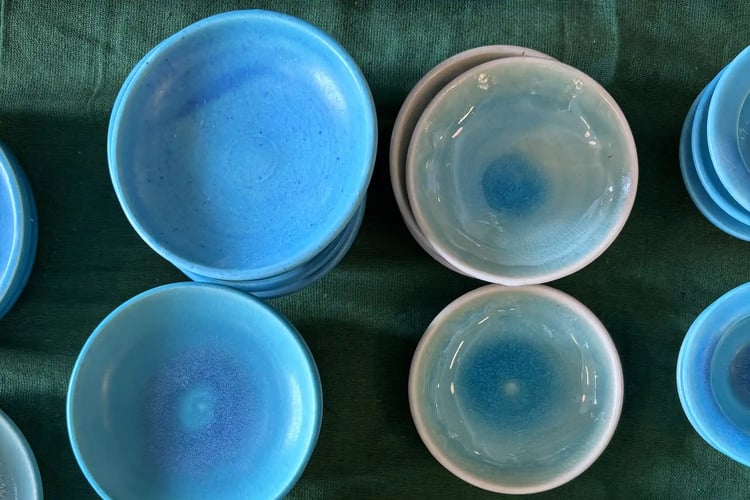
At Takanawa Hanakohro, for instance, an event in the guest-only lounge lets you grind tencha using a stone mill and enjoy matcha sweets. Using a stone mill from Kagawa Prefecture, you’ll savor wagashi alongside the fragrance of tea you have freshly ground yourself—an authentic, five-senses experience that guests consistently appreciate.
Hoshino Resorts’ onsen ryokan brand also offers a program called “Tewaza no Hitotoki,” inviting local traditional craft artisans, artists, and even sake brewers to small-group exchange events held at various properties (*2). As the artisan demonstrates techniques right before your eyes and explains cultural background in an accessible way, you can ask questions, converse, and engage closely with rare skills and living traditions (*2).
Experiences with this kind of privacy and intimacy can deepen your travel memories profoundly. Depending on the ryokan, you may also find mini-lessons in calligraphy or ikebana, or small concerts featuring Japanese instruments. Through special events available only to guests, the chance to connect with Japan’s cultural practitioners and makers is likely to become unforgettable—especially if your curiosity runs deep.
Workshops and Cultural Seminars You Can Join During Your Stay
Some luxury ryokan also offer workshops and cultural seminars that you can join while staying onsite—either included in a plan or available as optional reservations.
At HOSHINOYA Tokyo, for example, a tea-ceremony experience program is available year-round. You change into kimono provided by the ryokan, receive a simple introduction, then whisk matcha yourself and enjoy it with seasonal wagashi—an experience praised for offering an accessible encounter with Japan’s culture of hospitality (*3).
Other ryokan may offer early-morning yoga sessions in a Japanese garden, or nighttime shakyo (sutra-copying) experiences by the soft glow of lantern light—workshops that provide rare moments of quiet, focus, and calm. With careful guidance from instructors or staff, even beginners can participate with confidence.
Some properties also arrange special guided tours for art-loving guests, including visits to nearby museums and galleries or local atelier visits. Certain facilities collaborate with Tokyo cultural venues to host private viewings outside regular hours—unique initiatives that let you enjoy the city’s art scene more deeply through your stay.
In this way, a luxury onsen ryokan stay becomes more than accommodation. Through a rich lineup of workshops and seminars, it can turn into a journey that satisfies your intellectual curiosity and expands your cultural horizons.
Tokyo Onsen Ryokan Where Design and Art Shine: A Stay That Awakens the Senses
Key Highlights in Ryokan Architecture Where Contemporary Design Meets Traditional Beauty
Tokyo’s onsen ryokan architecture offers many points worth noticing—most notably, the elegant fusion of traditional beauty and contemporary building design. On the exterior, Japanese motifs are reinterpreted through a modern lens, creating a presence that stands out even amid dense clusters of high-rises.
Step inside and you’ll often find tatami-lined spaces and a lobby that holds the warmth of wood—an atmosphere that gently separates you from the city outside. Many ryokan cherish classic touches: a noren at the entrance, a stone-paved approach, an entry hall lit by andon lanterns—details that preserve the spirit of a Japanese inn.
At the same time, cutting-edge building technologies that prioritize seismic safety and comfort are integrated as well, enabling structures that place large communal baths and open-air baths even on high floors. From the design stage, special emphasis is often placed on how to translate “Japanese atmosphere” into contemporary architecture. At Yuen Shinjuku, for example, a low-rise Japanese-style building stands at the front, with an 18-story guestroom tower behind it—together forming a small Japanese streetscape within the city (*1).
Inside, curved walls and natural material finishes soften the space, creating a gentle ambiance that feels distinctly Japanese even at elevation. This skillful balance—modern building forms harmonized with traditional Japanese architectural elements—is one of the greatest appeals of Tokyo’s onsen ryokan, and it’s the kind of detail you’ll likely find yourself admiring again and again during your stay.
In-House Art Tours and Curator-Led Explanations
Some ryokan also make deliberate efforts to help art-minded guests enjoy works throughout the property. Beyond the fact that spaces designed by renowned architects and designers can feel like artworks in themselves, you may find paintings, sculptures, and crafts displayed across the building—creating a museum-like atmosphere.
At such properties, staff members or curators may offer tours for interested guests, guiding you through the in-house art and providing commentary. You might hear the story behind a contemporary piece displayed in the lounge, or learn about the techniques and origins of crafts placed throughout the building—an experience that goes beyond simply “looking,” offering a deeper layer of understanding.
Some hotels even feature art-focused concept floors (in Tokyo, Park Hotel Tokyo is often cited as an example of a hotel with art-themed rooms, though it is not an onsen ryokan), creating a structure where staying overnight lets you enjoy artworks in a uniquely private way. If you join an art tour during your stay, you’ll gain not only visual pleasure but also insight into creative stories and cultural context—making your trip feel richer and more complete.
Guest-Only Guides for Museum and Gallery Hopping
Some onsen ryokan also propose special guided tours for guests to explore nearby museums and galleries. Tokyo is filled with art museums and cultural institutions, and unique collaborations have emerged—such as arranging private tours before opening hours or after closing time in partnership with a venue.
In the past, for example, HOSHINOYA Tokyo offered a summer-limited plan that combined an early-morning Nihonbashi River cruise with an Edo-culture experience—drawing attention as a special program available only to guests. For art-loving travelers, some ryokan may propose services that arrange a specialist guide to accompany you on museum visits in Ueno or gallery walks in Roppongi.
These plans aren’t only about viewing works. Through conversation with a guide deeply familiar with Tokyo’s art scene, you can gain a more layered, thoughtful appreciation. And the luxury of returning to your ryokan afterward—then slipping into the hot springs to unwind—creates a flow that guests consistently enjoy.
Some luxury properties also invite notable artists for special in-house exhibitions or talk events, offering guests free or priority access. As a sensory-rich stay experience, Tokyo onsen ryokan that weave together art and hot springs can be an ideal choice for travelers who want their journey to be a cultural exploration.
Tokyo Onsen Ryokan Advancing with Technology and Environmental Care: A Sustainable Stay
A List of Tokyo Onsen Ryokan Equipped with Tesla-Compatible Charging Spots
As environmental awareness continues to grow, Tokyo’s luxury onsen ryokan and hotels are also expanding charging infrastructure for electric vehicles (EVs). Some top-tier Tokyo hotels have already introduced Tesla-dedicated charging stands and rapid chargers, helping guests feel confident arriving by EV.
At Palace Hotel Tokyo in Marunouchi, for instance, a Tesla Supercharger station was installed in the underground parking area, and the hotel provides valet-style charging service in which staff take custody of the vehicle and handle charging on the guest’s behalf (*1). This service also made waves for offering free charging fees and free parking for up to six hours—an especially generous approach for EV users.
Other properties such as The Prince Park Tower Tokyo near Shiba Park also offer EV charging spots in their parking facilities and receive strong praise from guests visiting by Tesla and other EVs. While it remains less common for onsen ryokan themselves to be fully equipped with charging infrastructure, the overall reception system is evolving—such as guiding guests to partner parking facilities where chargers are available.
Together, these initiatives propose a newer travel style: “drive long distances, then rest deeply in hot springs”—balancing environmentally considerate mobility with the restorative comfort of a ryokan stay.
Concrete Examples of Eco-Conscious Amenities and Facility Initiatives
From a sustainability perspective, Tokyo’s luxury ryokan and hotels are increasingly advancing environmentally considerate approaches to amenities and facilities. At Imperial Hotel Tokyo, for example, major guestroom amenities were boldly switched from conventional plastic to bamboo, wood, and biomass-based materials (*2). This initiative reportedly reduced the use of single-use plastics by roughly 90% compared to previous levels (*2).
Other hotels, including Grand Nikko Tokyo Daiba, have also adopted paper slippers and toothbrushes made from recycled materials, and have shifted shampoo and similar products to large refillable bottles—steps aimed at reducing plastic waste.
On the facilities side, energy-saving measures are expanding as well: comprehensive transitions to LED lighting to reduce power consumption, and the use of highly insulated building materials to improve HVAC efficiency. As initiatives particularly relevant to hot spring properties, some facilities are also exploring systems that reuse waste heat from hot springs for hot water supply—aiming for more circular energy use.
Some ryokan run unique projects grounded in ecology, such as composting fallen leaves from on-site Japanese gardens and reusing the compost for landscaping. Increasingly, properties invite guests to participate too—proposing “eco cleaning” that reduces linen changes for multi-night stays, or offering services that encourage guests to bring reusable bottles and join in plastic-reduction efforts.
These concrete examples can become a gentle catalyst, prompting guests to reflect on what “eco-friendly travel” can look like—while showing how Tokyo hospitality is beginning to reconcile comfort and sustainability in a new era.
Proposing a Sustainable Lifestyle You Can Learn While Enjoying Hot Springs
Tokyo’s onsen ryokan can become more than a place to indulge—they can also be a setting where you naturally learn a more sustainable lifestyle. Even the experience of traveling by EV, for instance, can heighten your awareness of ecology and long-term responsibility.
In fact, one hotel group introduced an EV charging service called “WeCharge” to five onsen properties, selling a dedicated plan that allows guests to charge from check-in to check-out. The initiative is described as a way to provide convenience while supporting a sustainable society by encouraging EV use (*3).
During your stay, simply living alongside eco-conscious choices can offer hints for rethinking your own daily habits. For example, spending evenings under softer, indirect lighting—rather than demanding constant brightness—can suggest an ethical comfort in living with “enough,” rather than excess.
Local dishes made with pesticide-free vegetables, and organic drinks served after your bath, can also quietly reinforce the importance of a food lifestyle that’s kind to both your body and the environment. Surrounded by natural materials such as tatami, wood, and washi paper, you may find yourself feeling—viscerally—what a “sustainable and abundant life” could mean.
You may even learn through casual conversation with ryokan staff—hearing about local nature-protection efforts or the sustainability of traditional crafts. Enjoying the gift of hot springs while reflecting on gratitude for nature and coexistence with the environment—Tokyo’s onsen ryokan can offer you precisely that kind of learning journey.
Food and Fashion at Tokyo Onsen Ryokan: A Refined Lifestyle Proposal
Kaiseki in Quiet Spaces and a Commitment to Regional Ingredients
At Tokyo’s luxury onsen ryokan, dining is also one of the great pleasures. Kaiseki served in serene private dining rooms or spacious restaurants is as beautiful to the eye as it is satisfying to the palate—a kind of art experienced through all five senses.
Chefs carefully build menus around seasonal blessings from across Japan, paying meticulous attention not only to flavor but also to vessels and presentation (*1). At FUFU Tokyo Ginza, for example, the Japanese restaurant “Ginzagayuu” offers kaiseki crafted with delicate technique using seasonal ingredients from around the country. The menu changes with the seasons, featuring abundant mountain and sea delicacies specific to that moment, with each vivid course arriving like a small, edible landscape.
Even while staying in a vast metropolis, being able to savor dishes made with fresh produce and seafood delivered directly from regions, as well as carefully selected branded beef, is both indulgent and a clear expression of the ryokan’s deep commitment to ingredients. In a quiet private space, each bite can make you feel the shifting seasons and the gifts of place—bringing profound satisfaction to travelers who seek cultural depth through food.
Some properties also offer more than Japanese cuisine, including sushi counters or bars where you can enjoy Edo-style sushi prepared in front of you, or taste regional sake from across Japan. In a calm setting far from the city’s noise, taking your time with a meal prepared by top-level artisans becomes a richly restorative experience—one that seems to soak into both body and mind.
.webp?width=750&height=500&name=Kaiseki%20(Traditional%20Japanese%20multi-course%20dinner).webp)
Refined Fashion Items You Can Buy in the In-House Shop
In a ryokan’s in-house shop or boutique, you may find a curated selection of refined items that reflect the property’s sensibility. Alongside traditional crafts and aromatherapy goods you can bring home as souvenirs, some shops also offer high-quality fashion items designed to fit seamlessly into everyday life.
At FUFU Tokyo Ginza, for instance, you can purchase original amenities and fragrances from across the entire group, as well as bedding—selections that help you recreate the feeling of your stay at home (*2). From premium Imabari towels and organic-cotton loungewear, to stoles and bags featuring Japanese patterns crafted by artisans, the items are chosen to add quiet elegance to daily living.
Hoshino Resorts properties often sell contemporary goods that reinterpret traditional crafts: Edo kiriko glassware, modern Arita-yaki teacups, and ryokan-original tenugui hand towels or furoshiki wrapping cloths. If you have a strong fashion sense, the pleasure of discovering a favorite piece in the shop can be a highlight in itself. For international travelers, Japanese-made leather goods and textile products are especially popular—designs that incorporate a Japanese touch while remaining easy to use in an urban wardrobe.
Some properties, such as Tokyo Station Hotel, have also offered collaborations with local brands—selling trench coats or ties. Encountering a refined fashion item while traveling can become a meaningful moment, and a piece purchased at a ryokan shop can later bring your memories back to life—quietly, beautifully—once you return home.
A Fashion Guide to Enjoying an Urban Yet Classical Style
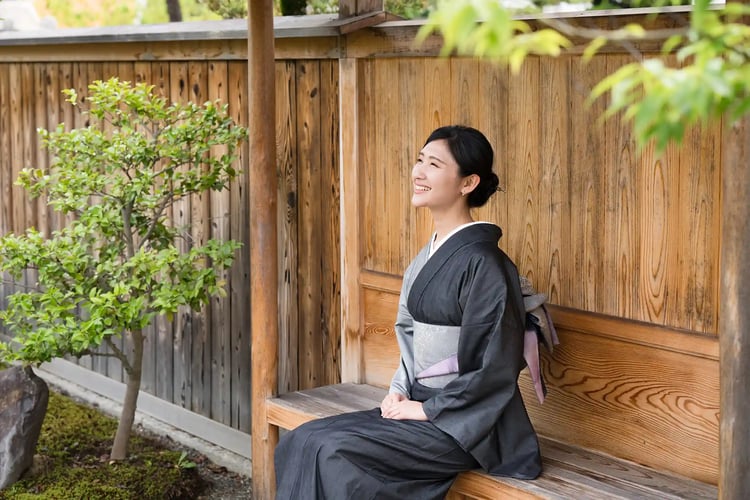
A stay at a Tokyo onsen ryokan is also unique from a fashion point of view. Inside, it’s common to change into a yukata provided by the ryokan—an outfit that functions as loungewear while also offering a chance to enjoy a distinctly Japanese classical style. For many first-time visitors from the West, walking the property in a relaxed cotton robe feels fresh and satisfying—photogenic, yes, but more importantly, it can give you a tangible sense of “I’m experiencing Japanese culture.” Pair your yukata with the ryokan’s sandals or geta and stroll along the corridors, and you may even feel as if you’ve stepped into another era.
That said, because yukata also doubles as sleepwear, it’s considered good manners to change back into Western clothing if you plan to leave the property beyond public areas like the lobby or dining spaces. In Tokyo onsen ryokan, what you wear when stepping out into the neighborhood also benefits from balancing urban polish with a classical mood.
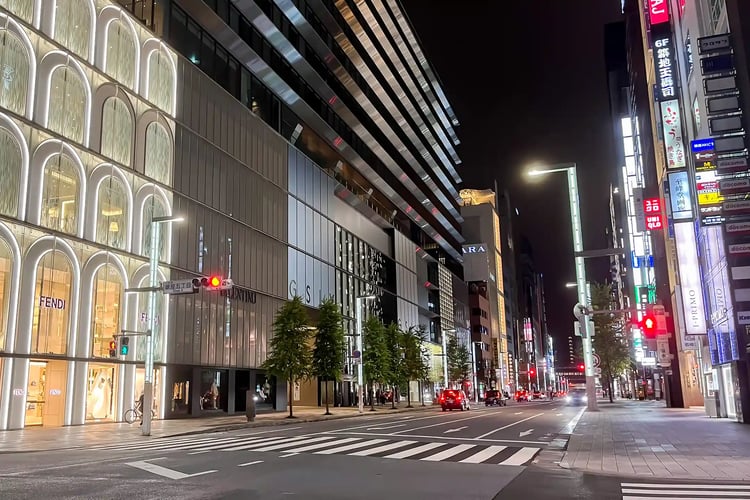
If you’re staying in Ginza, for instance, you might explore during the day in a chic trench coat paired with a fine cashmere scarf, then return at night and slip back into your yukata to unwind—enjoying the contrast as part of the experience. If you’ll be traveling mainly by car, refined loafers or driving shoes can be both practical and elegant. Keeping a business-casual foundation while incorporating Japanese touches through accessories can also feel stylish.
For men, a pocket square inspired by obi patterns; for women, a scarf with Japanese motifs or a furoshiki-style bag—small details like these can elevate the mood of the journey. Tokyo is one of the world’s great fashion cities, so even during an onsen ryokan stay, it helps to keep a sense of urban style—while still choosing clothing that lets you truly relax.
In the classical space of a ryokan, calmer colors and understated designs tend to look especially elegant, so try enjoying the stay itself as a kind of fashion experience—through your own version of refined comfort. A tasteful, comfortable wardrobe will likely become inseparable from the best memories of your trip.
Summary
Tokyo’s onsen ryokan are not merely “places in the city where you can soak in hot springs.” They are devices for quietly meeting yourself in the middle of an endlessly busy urban life—and stages where you can experience Japanese culture with all five senses. When you surrender to natural hot springs rising from deep underground and place yourself within architectural spaces where tradition and modernity merge, you may feel the very flow of time begin to shift.
Complete silence in guestrooms with private baths. Intelligent cultural experiences that bring you into contact with artisans and artists. Refined lifestyle proposals expressed through kaiseki cuisine and carefully selected fashion items. And, as symbolized by EV-ready facilities and eco-conscious amenities, Tokyo’s onsen ryokan also carry forward-looking values.
A stay here is luxurious—and at the same time sustainable, intentional, and meaningful. While touching the depth of Japanese culture, you quietly recalibrate your inner rhythm. Tokyo’s onsen ryokan can be seen as a new form of urban retreat—one that truly suits the mature traveler.
Author Bio

Shohei Toguri

.jpg)