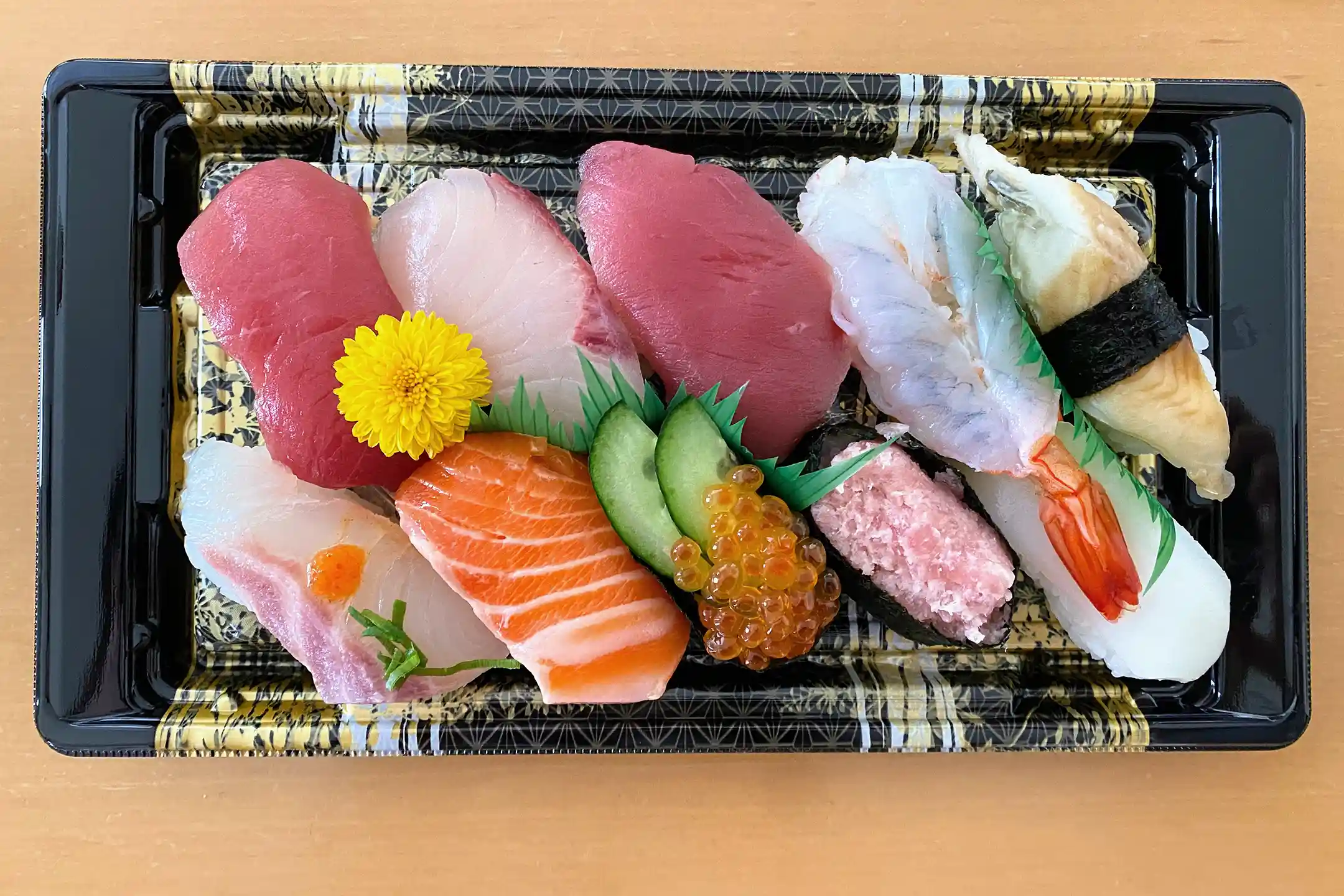
On a trip, you open a boxed sushi set in your hotel room, and that small thrill is something only sushi can deliver. But once glossy fish or seafood and delicately seasoned vinegared rice share the same box, they also create a surprisingly delicate storage problem.
Bottom line first: takeout sushi is best eaten the same day, kept cold, and not left at room temperature for more than two hours—or one hour if the temperature is above 90°F (32°C). In this guide, we’ll walk through the essentials in order: the bottom line, time-and-temperature rules, refrigerator storage, carrying sushi on the go, how to improve texture before eating, how to handle cooked toppings, and which types of sushi keep better. The goal is simple: to help you judge clearly, store sushi safely, and still enjoy it as much as possible.
Why Sushi Doesn’t Keep Well: Both the Rice and the Toppings Deteriorate Quickly
Sushi is difficult to store not just because some of it is raw. It is fragile for several overlapping reasons: (1) sushi rice stales quickly in the refrigerator as starch retrogradation progresses, which makes it firmer and less appealing; (2) raw seafood requires strict time-and-temperature control, and the longer it stays in the danger zone, the higher the risk; and (3) vinegar and wasabi are not cure-alls—for example, they do not kill Anisakis(*1)(*2)(*6).
Takeaway sushi also combines multiple fresh ingredients and several hand-prepared steps, so from a food-safety standpoint it is treated as a potentially hazardous ready-to-eat food. Studies evaluating takeaway sushi have assessed risks involving organisms such as Salmonella spp., Listeria monocytogenes, and Vibrio species(*3).
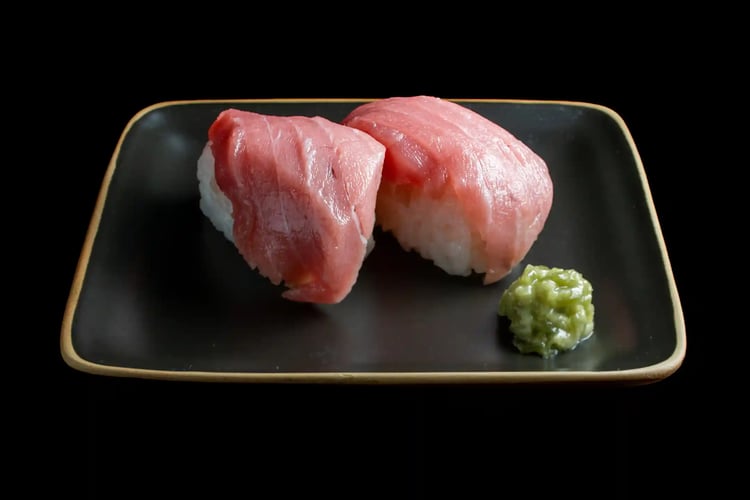
Edomae Sushi Was Built to Be Eaten Fresh
Edomae nigiri took shape in Edo as part of a street-food culture built on quick, casual eating. In other words, “buy it and eat it right away” is built into the logic of the food itself. Takeaway and delivery are everyday conveniences now, but sushi still belongs to a cuisine whose best texture and aroma appear in the short window just after it is made. Once you understand that, the priorities of storage become clearer: safety first, texture second.
Sushi Rice Moves in the Wrong Direction When It Gets Too Cold or Too Dry
Shari—vinegared sushi rice—becomes more prone to starch retrogradation at refrigerator temperatures, which pushes the texture toward firmness(*2). Food-science research also shows that refrigeration changes the moisture state inside rice grains and affects hardness and stickiness. That is why the three common disappointments of refrigerated sushi—hard rice, dryness, and muted aroma—often arrive together(*2)(*4).
.webp?width=750&height=500&name=Problems%20with%20Frozen%20Storage%20(Quality%20Deterioration).webp)
For the Toppings, Temperature History Matters More Than the Clock Alone
The microorganisms behind foodborne illness multiply most easily when perishable food drifts into the so-called danger zone, and risk rises with time. Japanese sanitation guidance for large-scale food preparation also states that seafood should basically be stored at 5°C or below(*1)(*5). Because takeaway sushi can warm up quickly in a car, on a train platform, or back at a hotel, the first question is not just “When did I buy it?” but “How warm has it been, and for how long?”
“It Has Vinegar Rice and Wasabi, So It’s Fine” Is an Easy Mistake
Vinegar and wasabi are often imagined as natural safety nets, but they are not universal protection. Japan’s Ministry of Health, Labour and Welfare clearly states that for parasites such as Anisakis, the level of vinegar used in ordinary cooking, as well as salting, soy sauce, and wasabi, will not kill the larvae(*6).
Some laboratory studies do suggest antibacterial activity in wasabi compounds such as allyl isothiocyanate(*7). Even so, it is risky to assume they can cancel out real-world storage conditions like time, temperature, and mixed contamination. At best, they are a small extra—not a food-safety plan. The factors that matter most are still time and temperature.
How Many Hours Can Sushi Sit Out? A Practical Guide to Safe Storage Time
The first principle is this: if the shop provides a label such as “use by” or “keep refrigerated,” that information comes first(*1). If there is no label, or if you are unsure how to judge it, you can usually make a sound call using just two factors: (1) how long it has been left at room temperature, and (2) what kind of toppings it contains.
Start with One Question: “How Long Has It Been at Room Temperature?”
In general, bacteria grow most easily in the “danger zone” of 40°F to 140°F (about 4°C to 60°C), and the chance of a food-safety problem rises with time(*2). That is why, once sushi has been at room temperature for more than two hours, the default decision should lean strongly toward not eating it. If it has been exposed to temperatures above 90°F (about 32°C)—for example, in a hot car or outdoors in peak summer—it should be refrigerated or otherwise kept cold within one hour, not two(*2)(*3).
Guidelines by Type
Nigiri is usually the most fragile because the topping is exposed and directly affected by temperature and drying. Rolls and inari get slightly more physical protection from their outer layer, but fillings such as raw fish, vegetables, or mayonnaise-based ingredients can still move them quickly into the handle-with-care category.
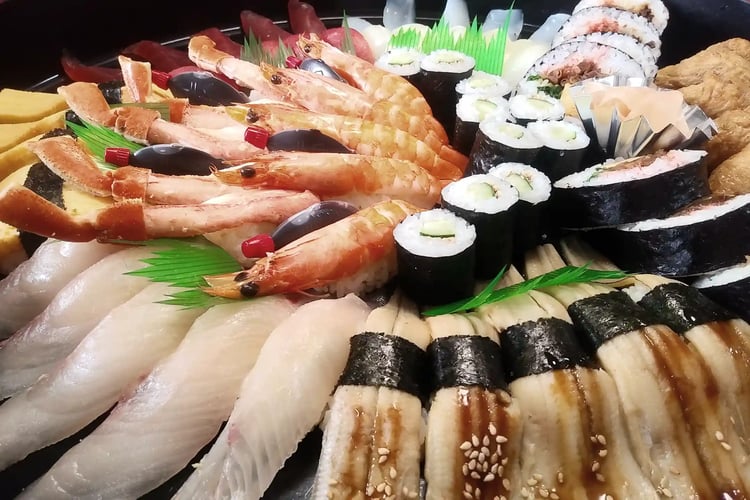
As a rough household comparison, general refrigerated seafood guidance suggests 1 to 3 days for fatty fish and 1 to 3 days for squid. But sushi has already been sliced, handled, shaped by hand, and combined with other ingredients, so it should not be treated as sturdier than plain sashimi stored at home. In real-life terms, even when refrigerated, the practical goal is still to eat it the same day(*4).
If You Want It to Last Until the Next Day, These Are the Minimum Conditions
If you want sushi to make it to the next day, think in terms of minimum safety conditions before flavor: (1) chill it immediately after purchase and keep it cold, (2) refrigerate it as soon as you get home or reach your destination, (3) seal it well to reduce drying and secondary contamination, (4) keep any warming-up time before eating brief, and (5) if you warm any part of the sushi, treat that as the final step and finish it promptly—do not leave it in the danger zone for long, and refrigerate leftovers quickly in small portions if any remain(*2)(*3)(*5).
Japanese professional hygiene guidance also treats raw-ready seafood as something that should stay in clean containers under cold conditions, so even at home, putting sushi in the coldest practical part of the refrigerator moves you closer to the safer side(*6)(*8).
Signs That Tell You Not to Eat It
When in doubt, err on the side of safety. Pathogenic bacteria can be present even when appearance, smell, and taste have not changed much. Do not rely on whether it merely “seems fine.” Time and temperature matter more—two hours at room temperature, or one hour above 90°F(*1)(*2)(*3).
With sushi in particular, do not eat it if you notice any of the following: (1) a strong fishy, sour, or otherwise off odor, (2) a slimy surface, (3) dull color or a clear loss of translucence, (4) watery seepage or visible drip in the box, or (5) rice that has turned unusually gummy or slimy.
Higher-Risk Situations, Including Pregnancy, Older Adults, and Children
During pregnancy, susceptibility to foodborne infections such as listeria is higher, and the CDC advises avoiding raw or undercooked fish or shellfish, including sushi and sashimi(*7). The same logic applies to older adults, young children, and people with weakened immune systems: this is not the moment to accept even a small avoidable risk. If you still want sushi, the safer choice is to go with cooked toppings—shrimp, anago, eel, tamago, and the like—or vegetable-forward rolls(*7).
How to Store Takeaway Sushi on the Go: Tips for Travel, Cars, and Hotels
The first ten minutes after purchase do a lot to decide whether takeaway sushi stays safe and appealing. Think of the clock as starting the moment you pay. When you are traveling, your setup matters as much as the clock. If you understand cooling, placement, and the limits of hotel refrigerators, you can protect both flavor and safety.
Three Things to Check When You Pick It Up
There are only three things to check when you collect takeaway sushi: (1) the use-by time or when it should be eaten, (2) whether it must be kept refrigerated, and (3) whether an ice pack is included or recommended(*2).
If none of that is clearly shown, the smart move is to ask on the spot how long you can carry it and how it should be stored(*2). That one question can shape the rest of your day: whether you can make another stop—or whether it is time to go straight back to your hotel.
How to Pack a Cooler Bag and Ice Packs
Cold food should stay cold. The FDA recommends using a cooler with ice or frozen gel packs to keep perishable foods at 40°F (4°C) or below when eating outdoors(*1). At the same time, sushi has a quality issue of its own: overchilling can make the rice go hard(*3). So the goal is not extreme cold but steady cold.
In practice, avoid pressing an ice pack directly against the sushi box. To limit condensation and moisture damage, a better setup is to cool the box indirectly—for example, by placing a pack above or beside the container rather than against the sushi itself. Sagamihara City gives similar consumer guidance for takeout and delivery foods(*2).
The Blind Spot of Hotel Refrigerators
Once you arrive at your hotel, the first thing to check is what the refrigerator can actually do. The basic food-safety rule is to keep a refrigerator at 40°F (4°C) or below and verify it with a thermometer. Small hotel refrigerators do not always hold a stable temperature, especially if they are overpacked or poorly ventilated, so checking the temperature and leaving room for air circulation puts you on the safer side(*4).
The Best Strategy on Days with Long Travel Times
On long travel days, the most reliable strategy is simple: raw first, cooked later. If time at room temperature steadily pushes food toward the danger side—two hours, or one hour in hot conditions(*5)—saving a box heavy on raw seafood for the latter half of the day is not a smart plan.
If a long journey is unavoidable, this setup works better: (1) choose raw sushi for lunch and eat it on the spot, (2) choose cooked toppings or more travel-friendly sushi for dinner, as discussed later, and (3) keep a cooler bag and cold pack ready in your car or bag(*5). That alone greatly lowers the odds of a disappointing outcome.
Before You Eat: How to Bring Chilled Sushi Rice Back to a Better Texture
The goal with refrigerated sushi is to correct texture briefly and carefully, not to let it sit out for ages. You are not trying to leave it on the counter for a long “recovery”; you are just giving the rice a short reset right before eating(*1).
A Sensible Guide to Letting It Warm Slightly
Only take sushi out shortly before you eat it. Since official guidance is clear that perishable food should not sit out beyond two hours—or one hour in hot conditions—do not turn this step into a long wait. Keep the lid closed, keep it out of direct sunlight, and stop as soon as the rice softens a little. That brief window is the practical target(*1).
A Microwave Is Acceptable Under Certain Conditions
A microwave can soften hardened sushi rice if you use it carefully, but uneven heating is the main risk. General reheating guidance recommends covering the food, reducing hot and cold spots, and checking it as you go. Applied to sushi, the practical rules are: (1) remove raw toppings first, because heating hurts both texture and flavor, (2) use low power and short bursts, checking the rice each time, and (3) once warmed, eat it right away(*2)(*3).
How to Preserve the Crispness of Nori
Nori is extremely sensitive to moisture, so it turns limp easily in the refrigerator. At the storage stage, if the nori for rolls or temaki is packaged separately, the best option is to assemble it only just before eating. If it has already been rolled, keep it sealed to limit drying, but do not leave the lid open any longer than necessary before serving. Simply reducing the movement of moisture in and out of the container can make a noticeable difference to texture.
Soy Sauce, Wasabi, and Gari Are Best Kept Separate
If you pour soy sauce over sushi ahead of time, the rice absorbs moisture, weakens, and loses its clean grain definition. Wasabi and gari depend on aroma, so the longer they sit and mingle inside the box, the duller their edges become. From a hygiene standpoint, washing your hands just before eating and using clean utensils are also basic practice(*3). Keep condiments separate and add them at the last moment—that protects both flavor and safety.
How to Store Sushi with Cooked Toppings: What to Watch by Topping and How to Think About Reheating
“Cooked” does not automatically mean risk-free. Cooking can reduce bacteria(*1), but if the food is then kept too warm for too long, the risk rises again(*2). Sushi with cooked toppings is usually a little more forgiving than raw sushi, but it can also include sauces, fats, and egg, and those quality changes are not always easy to spot.
Common Cooked Toppings—Anago, Eel, Shrimp, Tamago, and Seared Sushi—and Their Hidden Pitfalls
Common cooked toppings—anago, eel, shrimp, tamago, and seared sushi—look easier to manage, but each has its own weak point. Sauced toppings such as anago and eel are especially prone to a state where they still look acceptable even though the aroma has faded and the glaze has become sticky. Tamago, because of its balance of moisture and sugar, can start declining inside even when the surface only looks slightly dry. Cooked toppings feel safer, and that is exactly why people may become less careful about refrigeration and time control(*2).
Storage Tips
The basics are the same as for raw sushi: refrigerate it as soon as possible, seal it well, and prevent secondary contamination(*1)(*2). With cooked toppings, three extra steps help: (1) separate or wrap them so sauces do not spread to other pieces, (2) make the container reasonably airtight to limit odor transfer, and (3) if condensation builds up inside the box, move your priority toward finishing it rather than keeping it longer.
If You Reheat It, Follow These Steps
It helps to think of reheating not as a way to restore freshness, but as a final-use step. In general, microwave reheating requires care because of uneven heating, and using a thermometer is the best way to check temperature when safety matters(*3). If you cannot finish sushi and are thinking about the next day, the realistic sequence is: (1) do not treat raw toppings as reheating candidates, (2) move only the cooked toppings to a separate plate and warm those, and (3) eat them immediately once reheated(*2)(*3).
Can You Freeze Sushi? Why It’s Hard to Recommend, and the Limited Exceptions
The short answer is that freezing sushi is rarely a good storage plan. At best, it is an emergency way to avoid waste—not a smart quality strategy or a magic safety fix. There are two main reasons: (1) freezing stops many bacteria from multiplying, but it does not reliably kill them, and (2) the rice, toppings, and nori tend to lose quality at the same time(*1)(*2).
Quality Changes That Commonly Happen During Freezing
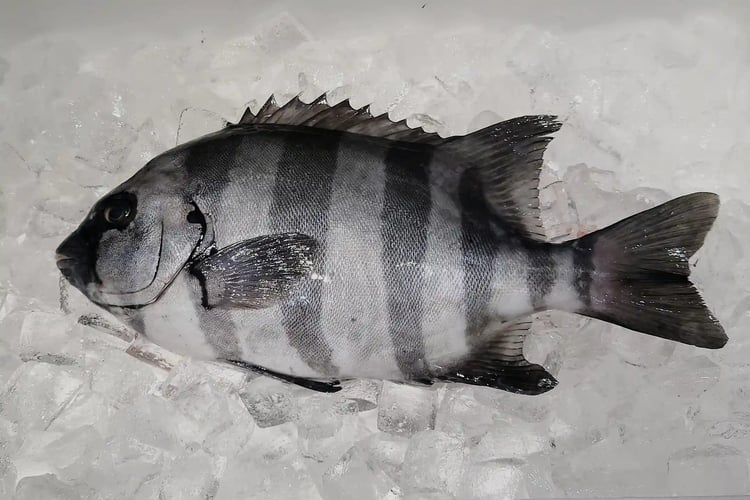
Freezing turns water into ice crystals, and those crystals change food structure. After thawing, seafood often tightens and releases drip, and aroma fades more easily. Sushi rice already hardens easily in the refrigerator; after freezing and thawing, it may lose cohesion or turn wet and patchy(*3). Nori is notoriously weak against moisture, so its texture almost always suffers as well.
If You Still Freeze It, Here Is the Bare Minimum
If you still choose to freeze sushi, think less about “making it safe” and more about limiting quality loss. The bare minimum is: (1) do not try to rescue sushi that has already sat at room temperature too long by freezing it—the unsafe time cannot be reversed, (2) freeze it as quickly as possible, (3) wrap it tightly to block air and reduce drying and freezer burn, and (4) thaw it in the refrigerator, not on the counter(*2)(*4).
The FDA also notes that food kept frozen continuously at 0°F (-18°C) or below remains safe from a storage standpoint, even though quality declines over time(*2). So the right takeaway is not “It’s frozen, so it’s fine,” but “Even if you freeze it, use it sooner rather than later.”
How to Choose Sushi That Keeps Better: Longer-Lasting Types and Gift-Friendly Options
Not all sushi is equally fragile. Some types were shaped from the beginning by preservation logic—salt, vinegar, wrapping, pressing, or fermentation. When you want a more dependable option for travel or a gift, sushi designed around keeping quality becomes much more useful. Once you recognize that, you make smarter choices from the start.
Why Pressed Sushi and Kakinoha-zushi Keep Better
Kakinoha-zushi is a clear example: a pressed sushi made with vinegared rice and salted mackerel, wrapped in persimmon leaves. It is often described in terms of the preservative effect of both vinegar and the leaves. Regional accounts also explain that the tannins in persimmon leaves contributed antibacterial and antioxidant properties, helping the sushi keep better. Pressed sushi also exposes less surface area than loose piece-by-piece styles, and its flavor is meant to settle slightly before eating. In other words, time and travel are already part of the design of the dish itself(*1)(*2).
.webp?width=750&height=500&name=Persimmon%20Leaf%20Sushi%20(Wrapped%20in%20Leaf).webp)
What to Check When Choosing Sushi for Travel or as a Gift
The checklist is straightforward: (1) check whether the package says “keep refrigerated” and note the use-by time, (2) be realistic about how long you will carry it, keeping the two-hour rule—or the one-hour rule in hot conditions—in mind, and (3) prepare cooling gear such as a cooler bag and ice packs(*3)(*4).
Saitama Prefecture notes that takeaway food should, in principle, be bought with the expectation that it will be eaten soon after purchase, and that if more time is needed, cooling packs and a cooler bag should be used. The Kinki Regional Agricultural Administration Office likewise advises taking chilled or frozen foods home under refrigeration because microorganisms multiply more easily as temperatures rise.
A thoughtful food gift reflects the other person’s schedule and physical condition as much as your own taste. Make sushi your last shopping stop, reduce detours, and prepare proper cooling. With that much care, sushi becomes a gift you can choose with more confidence(*5)(*6).