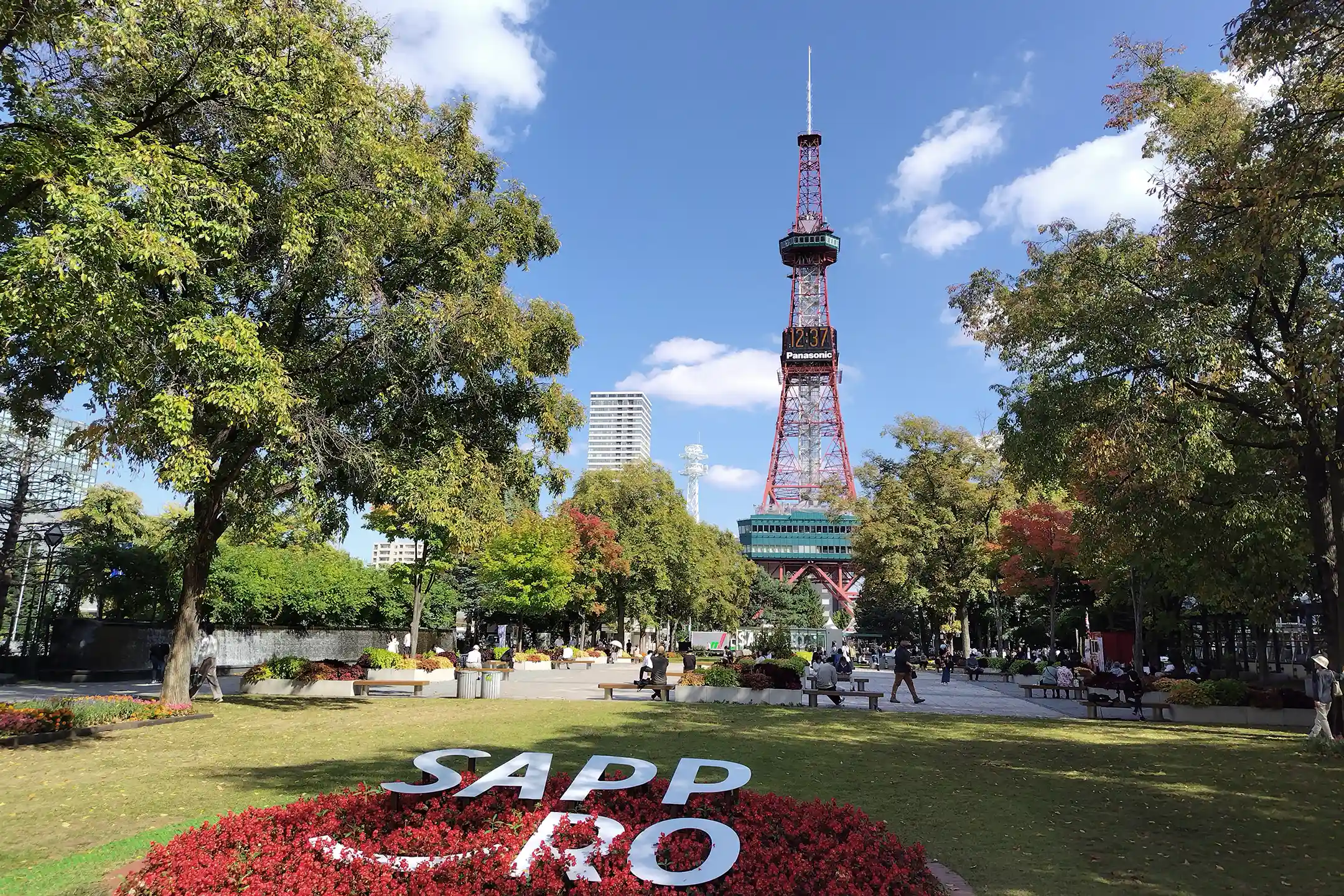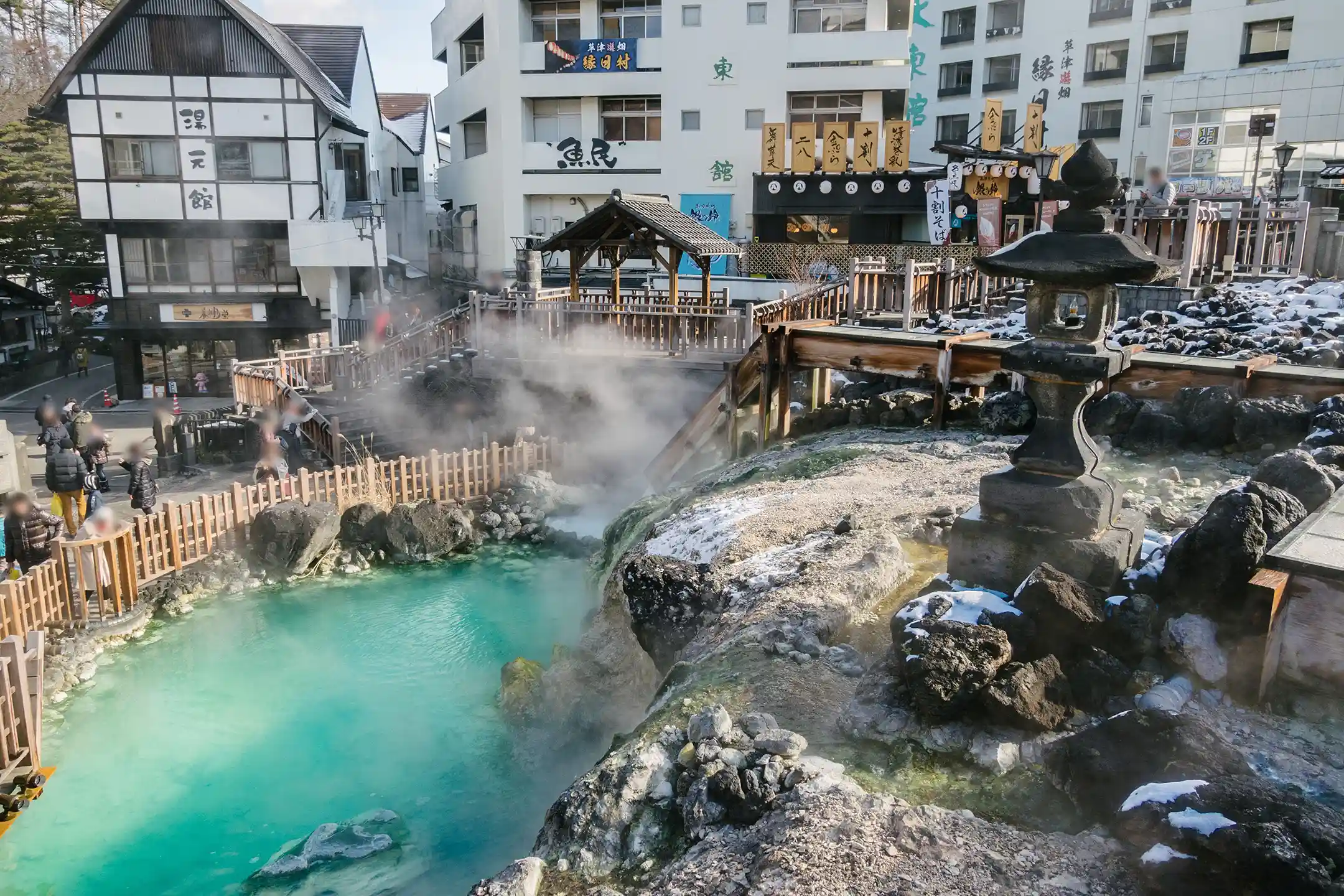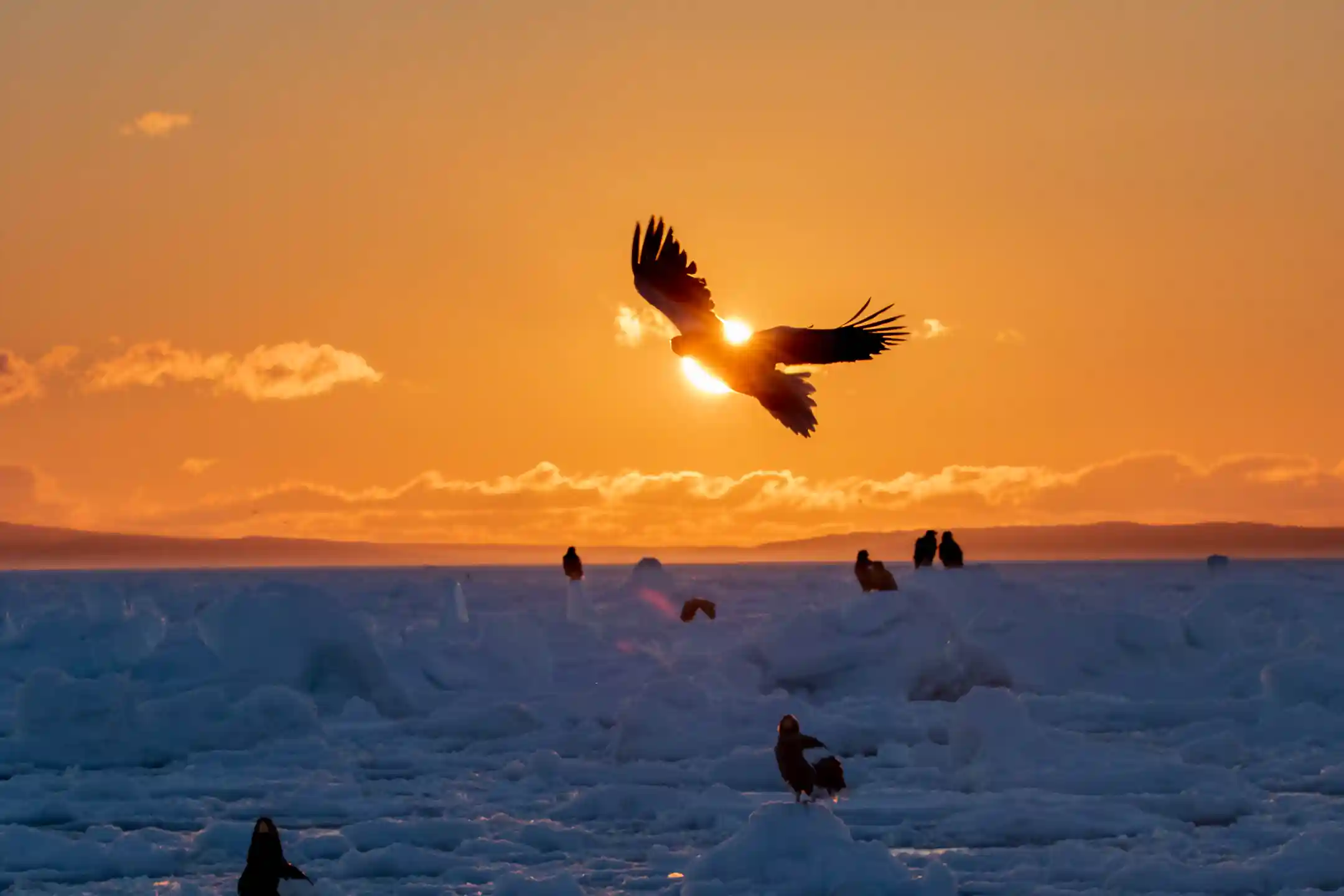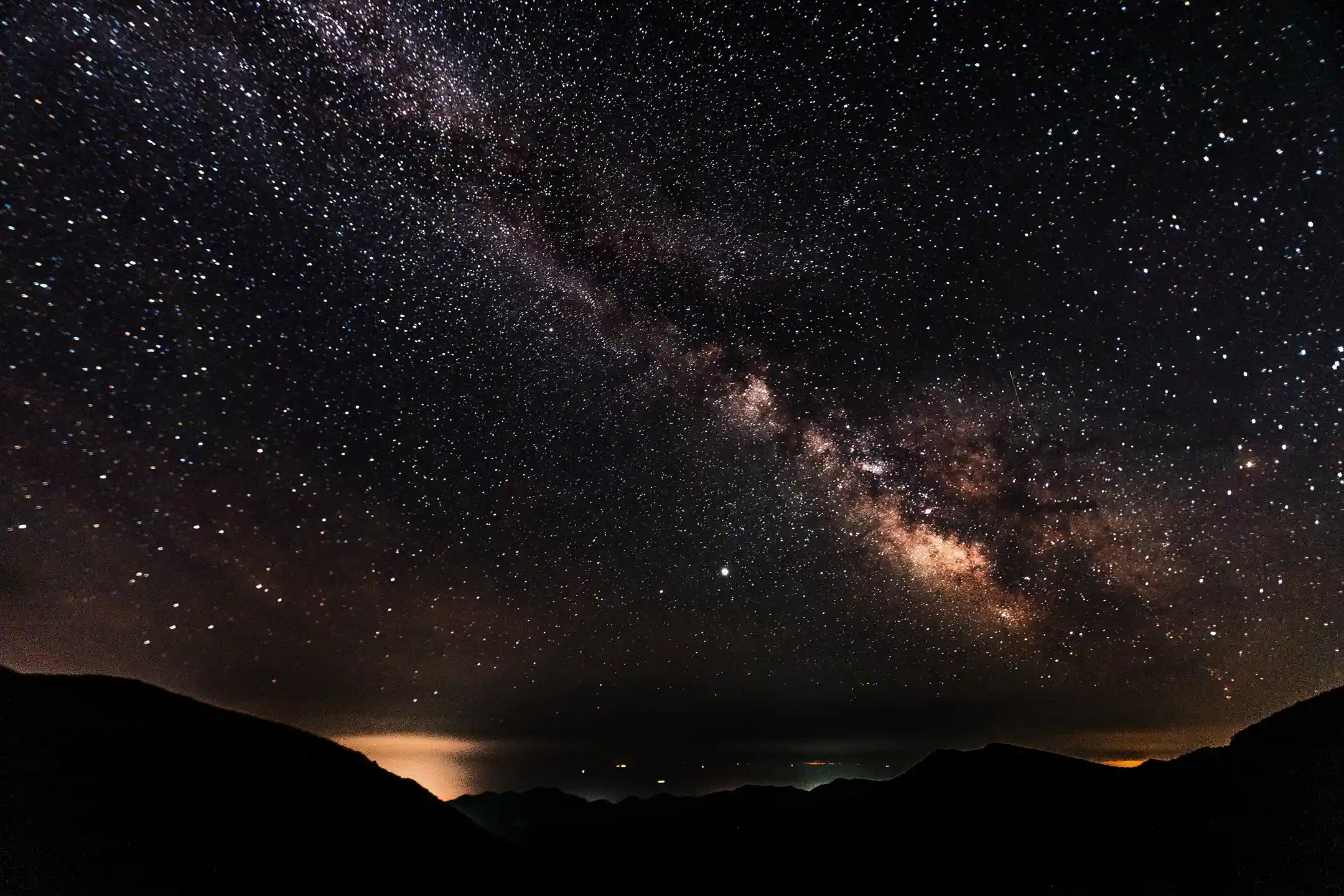
Wellness‑oriented guided tours in Hokkaido let you design a journey that stays close to the island’s vast nature while restoring both body and mind. With a focus on small, private groups, your dedicated guide safely leads you into remote landscapes and quiet moments with wildlife. Transportation and lodging balance comfort with sustainability, and the itinerary is built for deep refreshment through organic dining plus onsen and sauna experiences.
Mindful time—forest bathing, yoga, zazen—helps you step away from urban noise and focus on the “here and now.” By practicing ecotourism that respects the environment and local communities, your travels become an investment in the future. This guide walks you through the full appeal of a Hokkaido travel package designed with that philosophy.
This article is one way into Hokkaido. The Digital Guide gathers its onsen and forests, the quiet rhythm of its four seasons, and the art of designing a private, nature-led journey into a single, connected reading.
What Are Hokkaido Nature‑Guide Tours? Value, Character, and Essentials
Hokkaido’s nature‑guide tours are not just a circuit of famous sights; they connect you with the essence of the land. In small, private formats, guides adapt to your pace and interests, safely opening doors to hidden locales and wildlife encounters you’d likely miss on your own.
In Shiretoko, for example, it’s said that “touring with a guide becomes a precious chance to understand Shiretoko in depth,” and that guides reveal the area’s best‑kept charms(*1). On a landmass as broad as Hokkaido, guides with local fluency translate directly into safety and peace of mind while deepening your understanding of nature and culture—so much so that “a guide’s presence is indispensable” is often emphasized(*2).
Core Components of a Hokkaido Travel Package (What’s Included)
High‑quality Hokkaido travel packages pair you with an experienced private guide and driver. You typically combine a dedicated vehicle (often a hybrid or EV) with rail where it fits, and stay at comfort‑forward properties such as onsen ryokan.
Meals feature organic local ingredients, with advance accommodation for vegans and guests with allergies. Travel insurance and 24/7 emergency support are included so you can relax. Recently, plans that offset the trip’s CO₂ emissions have also appeared.
Who These Journeys Suit
These private packages are ideal for solo travelers, couples, and small groups who value quiet and privacy. You set your own rhythm without worrying about others—perfect if you want distance from the bustle and time for reflection in a private Hokkaido travel package.
They’re also a strong match if you care about sustainability and efficient movement. In fact, around 90% of luxury travelers are said to prioritize “wellness experiences” when choosing destinations(*3). If you’re seeking a restorative trip for body and mind, Hokkaido’s soothing landscapes deliver.
Private vs. Group
Private tours offer freedom and attentive service you won’t find in large groups. You can flex the plan to your interests, linger for photos, or pause for rest whenever you like. While costs may appear higher than group tours, the payoff in fulfillment and time well spent is substantial—especially within a private Hokkaido travel package.
From a safety standpoint, the guide can keep an eye on everyone, responding quickly if anyone feels unwell—another layer of reassurance. Without the stress of moving in a big crowd, you access true relaxation. If you prefer to avoid congestion and savor quiet settings, the benefits of going private are hard to overstate.
Designing the Journey—How to Build a Private Hokkaido Travel Package
Smart planning is essential for a wellness‑forward trip. Start by clarifying your purpose (recovery, learning, challenge, etc.). Choose destinations and seasons that match, and set a schedule with breathable margins.
Keep “experiences > transit” in mind. If you avoid overstuffing the plan, you’ll have more mental space on the day. Confirm cancellation terms during booking—flexibility helps you pivot around weather shifts and adds peace of mind.
Access and Choosing a Base
In a place this vast, your entry airport and base area change the trip’s efficiency. Choose an airport near your main region—New Chitose for Sapporo and surrounds, Memanbetsu for eastern Hokkaido, and so on. On the ground, pick one or two hubs and explore nearby on day trips; a base‑stay approach works beautifully.
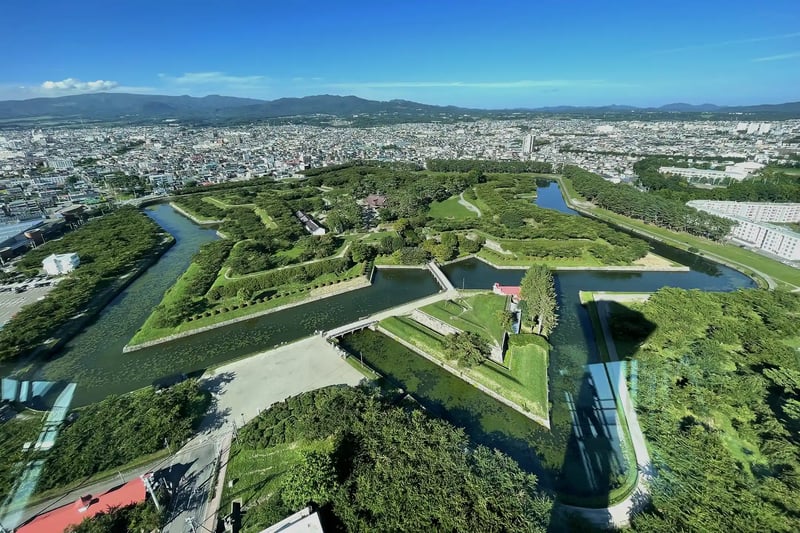
Driving times are long—“over four hours from Sapporo to Hakodate” is a common benchmark—so limiting transit is key to comfort. Depending on the season, decide whether to anchor in an accessible city or deliberately lodge amid richer nature; align the choice to your goals.
How to Choose a Guide (Credentials, Safety Record, Languages)
A trustworthy guide is crucial. Nationally licensed interpreter‑guides, for example, have verified language skills you can rely on.
Look for nature‑guide certifications, first‑aid training, and a clean safety record as well. At Shiretoko Goko (the Five Lakes), only registered guides who’ve passed brown‑bear countermeasure tests can lead visitors during certain periods, and about 90% of local guides are registered(*1). Achievements like this are strong decision points. Confirm language support too—when explanations are in your preferred language, your understanding deepens.
If you’re a woman traveling solo, it’s fine to ask whether a female guide can be arranged. A guide’s commitment to conservation is another plus. Balance credentials, experience, language, and ethos to choose the “travel companion” that fits you best.
Getting Around
Aim to balance comfort with environmental care. For long intercity legs, use JR trains or express buses; for local hops, a private vehicle can be efficient. If you opt for a car, choosing an EV or hybrid keeps the ride quiet and reduces impact.
Hokkaido is steadily adding fast chargers at roadside stations, so you can plug in during breaks. If you head to islands or far‑flung areas by ferry or small aircraft, consider donating to carbon offsets afterward.
Helicopter sightseeing is memorable, but it comes with noise and CO₂ emissions—decide carefully whether it’s necessary. If time allows, slow travel by local rail can be both sustainable and deeply charming.
Treat transit as “journey time” for scenery and stories—not just a way to get from A to B. That mindset is part of traveling well.
Time Design and Budget Allocation
Use the “experiences > transit” rule for your hours. Cap daily activities at about two, and devote the rest to strolling and rest—you’ll feel the difference. Prioritize budget for lodging and guiding, which shape quality the most; with a little creativity, transport and meals can be optimized.
Prices rise in peak seasons (summer holidays, Snow Festival, etc.), so early booking matters. August fills quickly, and hotels can sell out—planning six months ahead is often advised. Decide what you value, then spend your time and money on those top‑priority experiences.
With generous pacing and a thoughtful budget, you’ll design a Hokkaido trip that feels truly enriching.
Weaving in Wellness & Mindfulness
In Hokkaido’s great outdoors, try yielding to nature’s rhythm. Wake with the sun and breathe deeply in the fresh morning air. Switch your phone off for a digital detox and give your mind a break from information overload.
Soaking in silence outdoors is associated with lowering stress hormones(*1), leaving you surprisingly refreshed. Savor “the luxury of doing nothing,” sharpen the senses, and let those quiet minutes restore you from travel fatigue and refill your energy.
Forest Bathing and Walking Meditation
Move slowly through the woods, tuning into the scent of soil and the whisper of leaves: forest bathing at its most soothing. Even a 10–50 minute forest stroll has been reported to steady heart rate and blood pressure and foster relaxation(*2). Everyone’s sense of time and response is different, so include it in ways that feel comfortable for you.
Fold in walking meditation by focusing on breath and the sensation under your feet. Pause with your eyes closed and listen to birds and wind; you may feel your awareness settle into “right now.” Let the forest’s restorative power wash over you, breathe deeply, and let your mind and body align.
Zen, Zazen, and Sutra Copying
Many Zen temples across Hokkaido welcome beginners for zazen. In a quiet hall, straighten your back and breathe slowly; stray thoughts gradually soften and your mind grows calm. Words aren’t needed—this is a time to meet yourself in silence.
Even a short session often ends with mental clarity and a more positive mood. If you like, try sutra copying (shakyo): focusing on each character can bring you to a still, centered state, and the finished work becomes a keepsake of the heart. Encounters with this tradition can be a surprisingly practical way to rebalance.
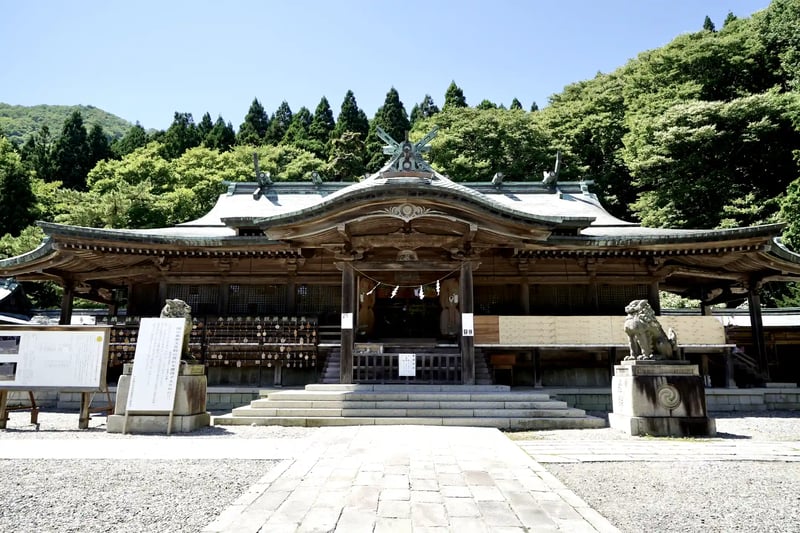
Lakeside & Seaside Yoga / Pilates
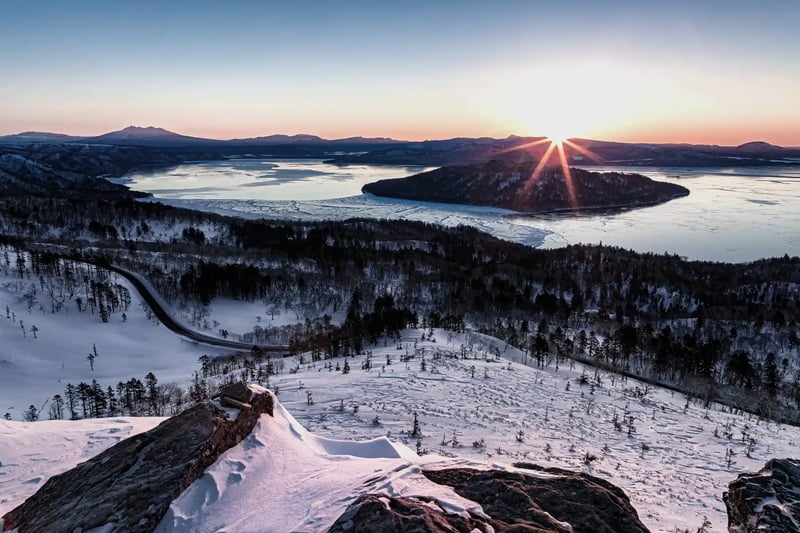
Yoga at dawn or dusk by a lake or the sea brings an openness you can’t get in a studio. Events sometimes offer “sky yoga” atop Bihoro Pass, which looks out over Lake Kussharo—posing in that panoramic setting is unforgettable.
Sun salutations in crisp morning air help reset your body clock; at sunset, moving with the murmur of waves brings deep relaxation. Feeling the wind and ground beneath you can spark the sense that you’re part of nature. In colder months, shift indoors, but if conditions allow, carve out time to stretch in Hokkaido’s wide‑open landscapes.
Designing a Silent Retreat
Even a few hours of “silence” can transform a trip. In a silent retreat, you set aside conversation and smartphones and simply spend time in quiet. It may feel unfamiliar at first, but steady deep breathing helps you settle.
Rules vary by organizer, but the basics are “no talking, devices off, minimal reading/writing,” with meditation and gentle walks instead. As you acclimate to quiet, bird calls and breezes seem to come into sharper focus, and you may notice: “The world is rich even without words.”
Afterward, many people feel lighter, with renewed energy. Silence can be the ultimate luxury—and it often deepens the meaning of travel.
Reset with Onsen, Sauna, and Spa
On a Hokkaido journey, onsen and sauna are restorative highlights. After time in the wild, soak in the region’s waters and warm yourself to the core.
You’ll find a range of hot‑spring types: alkaline springs known as “beautifying” for silky skin, sulfur springs noted for strong antibacterial properties—often called “healing waters” for minor skin concerns.
Before bathing, pour warm water over hands and feet to acclimate; avoid staying in too long. Potent waters like sulfur springs are best limited to once or twice a day, and always rehydrate after bathing. Alternating with rinse‑downs and short rests helps prevent dizziness. If you have a chronic condition, consult your physician before using hot springs or saunas.
How to Read Spring Qualities
An onsen analysis sheet lists dissolved components and the official spring type. For instance, a “sodium‑chloride spring” contains more salt and is excellent for retaining warmth. A “sulfate spring” includes sulfate ions and is known for promoting wound recovery.
Hokkaido also has rare moor hot springs—tea‑brown waters rich in plant‑derived humic substances, such as at Tokachigawa Onsen. Qualities like the spring name and pH influence how the water feels: alkaline often leaves skin velvety; acidic tends to have stronger antibacterial effects. When you bathe with the spring’s traits in mind, you can make more of the experience(*1).
Elevating Your Sauna Session
Try seeking the much‑talked‑about sensation of being “totonou”—that sweet, balanced afterglow. The basic cycle is simple: sauna → cold bath → outdoor rest, repeated two or three times. First, sweat thoroughly in the sauna; then cool down briskly in the cold bath.
Next, sit outside or in a rest area and breathe deeply. This helps your nervous system switch smoothly between sympathetic and parasympathetic modes, and you may feel your whole body grow light—that’s being “in the zone.” Many facilities offer löyly (pouring water over hot stones to generate steam) or Aufguss (circulating hot air with towels), both of which boost perspiration and clarity.
Afterward, drink water and rest well to savor the reset.
Aroma & Bodywork
After onsen or sauna time, treat yourself to an aromatherapy session or massage. Using Japanese herb oils such as Hokkaido lavender or mint, therapists ease muscle tension while the scent relaxes you.
Kuromoji essential oil, for example, is said to be rich in linalool, a calming component. Professional work can lull you into a nap and ease fatigue even in a short session. If there’s no spa, self‑care still helps: in the evening, loosen your feet and neck, or diffuse a favorite scent and stretch. On the road, plan small windows to care for your body.
In‑Room Rituals
End the day by turning your room into a sanctuary. Dim the lights, put on quiet music, and diffuse a sleep‑friendly scent like lavender.
Soak in warm water to gently raise body temperature, then unwind with stretches or light yoga. As you breathe deeply and reflect with gratitude on the day, you’ll drift into restful sleep.
Note that drinking alcohol before bed can reduce sleep quality. It may help you nod off faster, but it tends to disrupt the later stages, reducing overall rest(*2). If you do drink, stop early and switch to water or warm milk before bedtime. The next morning’s clarity changes dramatically with what you sip at night. Even without alcohol, you’re rewarded with deeper sleep. *Note: If you have a chronic condition, consult your physician before using hot springs or saunas.
Traveling Sustainably (Practicing Ecotourism)
To preserve Hokkaido’s grandeur for the future and support its communities, bring a sustainability lens to your trip. Ecotourism means travel that benefits the natural environment, local society, and travelers alike. The ideal is a “three‑way good” cycle in which attractions are protected, environments stay healthy, and local economies thrive(*1).
As travelers, your small, steady choices can make this real. Pay attention to your less visible footprint and aim for a trip that lasts—in every sense.
Distance and Ethics with Wildlife
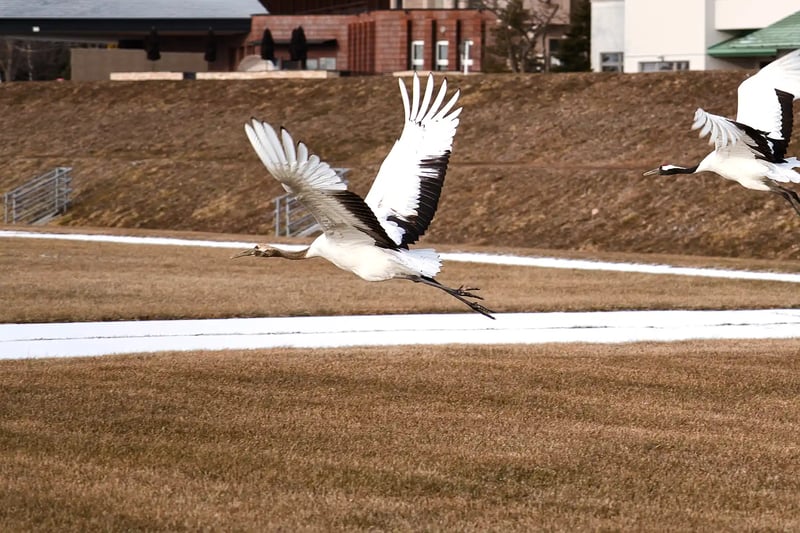
Encounters with squirrels, Ezo deer, and other wildlife are part of Hokkaido’s charm, but your approach matters. Do not feed wild animals—ever. Animals habituated to handouts stop foraging, drift to roads, and are more often hit by cars; such harms have been reported(*2).
In Shiretoko National Park, approaching or feeding brown bears is prohibited by ordinance. Observe all wildlife quietly from a distance with binoculars or a telephoto lens. Avoid closeness especially during breeding or when young are present; stress can be severe.
Needless to say, leave no litter. Pack out even a single snack wrapper and “leave no trace.” Respect for wild beings is the first step in protecting rich nature.
Mobility and Energy
Your transport choices affect the environment, too. Use public transit where possible or fuel‑efficient vehicles to lower CO₂. Trains let you take in scenery as a bonus. If you need a rental, request a hybrid or EV. Post‑trip, you can support carbon offsets and balance travel emissions with forest‑conservation donations.
Given Hokkaido’s long distances, narrow your regions and plan a route that avoids backtracking.
Co‑Creating with Local Communities
Look beyond the attractions to the people who live there, and aim to co‑create your trip with them. Book local guides and activities when you can so tourism revenues circulate in the community.
If you wish to explore Ainu culture, for instance, hire an Ainu guide; partnering with experts leads to deeper learning and supports local livelihoods. Even 30 minutes of volunteer cleanup or a tree‑planting event during your stay has meaning. If that’s not feasible, choose accommodations or tours that donate part of their proceeds to conservation.
Some destinations have earned international sustainable‑tourism certifications. Travel not just as a customer but as a temporary member of the place; you’ll raise your own satisfaction while helping the region thrive—a genuine win‑win.
Waste and What You Pack
Practice “don’t use and toss.” Carry a refillable bottle and top up at water stations to cut single‑use plastic. In your room, leave amenities unopened if you won’t use them; ideally bring your own toothbrush and shampoo.
Pack clothing and gear minimally, and rent locally when possible instead of purchasing anew. Always take your trash with you outside, and sort it properly in town. Reducing plastic waste protects ecosystems on land and sea alike.
When choosing souvenirs, consider foods made from natural ingredients or handcrafts with lighter footprints. Your awareness—person by person—helps pass Hokkaido’s beauty to the future.
Food for Well‑Being (Organic & Locally Sourced)
What you eat on the road shapes how you feel. Embrace Hokkaido’s bounty from land and sea and choose meals your body will appreciate. Fresh organic vegetables, seasonal seafood, and traditional fermented foods will energize you from within.
Meals aren’t just refueling; they’re part of the healing arc of your trip. Opt for dishes that don’t weigh you down, order sensible portions, and take your time chewing—habits that support well‑being.
Designing Breakfast
Start gently with a balanced breakfast. A Japanese‑style spread—warm miso soup; fermented foods like natto and pickles; fresh grilled fish or eggs—nourishes without heaviness. Fermented foods support gut health and immunity. Mixing multigrain or barley into white rice adds vitamins and fiber and may blunt blood‑sugar spikes.
Hotel buffets can skew Western by default. If you choose whole‑grain bread over croissants, grilled fish over bacon, and milk over juice, your morning will feel lighter. Stop at about 80% full; if you’re hungry later, top up with a small snack while out and about.
Lunch in the Wild
For outdoor days, pack warming, steady energy. A vacuum bottle of hot soup makes breaks comforting.
Choose fillings for rice balls or sandwiches that keep well; use cold packs in summer and guard against freezing in winter. Avoid overly oily foods and keep portions aligned with your afternoon plans.
If you need vegan or gluten‑free options, arrange supplies or reservations in advance. In open country, the scenery becomes a condiment—let it season your lunch.
Always pack out your garbage and aim to leave places better than you found them. Filling a thermos with hot tea or coffee warms you on breaks and helps recovery.
Dinner to Savor
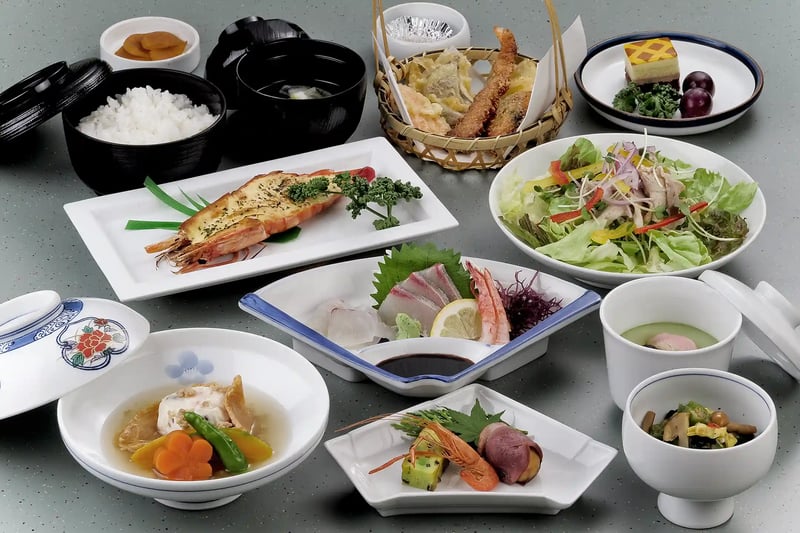
At day’s end, linger over flavors unique to the region—but keep an eye on sleep quality by favoring quality over quantity. Hokkaido is a trove of sea and mountain fare; build your menu around fresh seafood and seasonal vegetables.
With tasting menus, savor each course and consider setting your chopsticks down before you’re full. Go easy on fried and heavy sauces; mix in hot pots or steamed dishes for a lighter balance.
A cup of herbal tea or a gentle stroll after dinner aids digestion so you wake bright. The sweet spot is a right‑sized, high‑quality dinner that feeds both body and spirit.
Honoring Dietary Needs and Preferences
Respect your own and your companions’ dietary needs while traveling. Hokkaido has more vegan‑friendly and allergy‑aware venues now, but advance notice is key.
When booking a stay or restaurant, specify what you cannot eat; many can provide alternatives. Gluten‑free and dairy‑free requests are often possible with prior communication.
Share needs within your group and factor them into restaurant choices. Food is a joy of travel, but choosing what suits your body is what sustains you.
Non‑Alcohol Pairings
In the evening, consider pairing your meal with non‑alcoholic drinks. Overdrinking is known to lower sleep quality, while herbal teas and local‑fruit mocktails complement dishes without affecting the next morning.
If you do drink, wrap up early and switch to water or warm milk before bed. Your morning freshness changes with your nighttime choices—deeper sleep is a gift waiting for you.
.png)
Stay with Hokkaido a little longer
This article followed one path through the island. The Digital Guide widens it—bringing together Hokkaido's hot springs and forests, the changing rhythm of its seasons, and the considered craft of shaping a private, nature-led journey. Less a single view than a fuller landscape to return to, at your own pace.

Closing
A journey that fuses Hokkaido’s rich nature with wellness elements brings deep nourishment to body and mind. Guided for safety into remote corners, given mindful pockets of silence, reset in onsen and sauna, and fed with foods that treat you kindly—this kind of Hokkaido trip delivers more than sightseeing.
Stepping away from the city and focusing on “here and now” unravels daily stress and recharges you. Breathe in the forest, welcome the sunrise by a quiet lake, and soak in warm water as you reflect on the day. Those moments will linger long after you return home.
With a wellness‑oriented private tour in Hokkaido—your customized Hokkaido travel package—you can gift yourself the most refreshed travel time you’ve had yet.
Author Bio