If you’re marking a milestone in Kyoto, choose a boutique hotel worthy of the moment. In the small luxury hotels Kyoto is known for—where the city’s historic spirit meets contemporary polish—you’ll enjoy a deeply personal stay that lingers in your memory. Within these intimate spaces—where cultural depth and modern comfort come together—you and your partner can reaffirm your bond and savor time that feels made just for you.
In this guide, you’ll discover the appeal of Kyoto’s small high‑end hotels and how to make the most of them. Use it as your go‑to reference for a refined anniversary stay designed for well‑traveled couples.
What Are Kyoto’s Boutique Hotels?|Defining “Small Luxury” and How to Choose
In Kyoto, a “boutique hotel” typically refers to a high‑quality property with roughly 10–100 rooms, a distinctive and carefully conceived design concept, and highly personalized, attentive service (*1).
You’ll find hospitality that truly sees you as an individual and offers a stay with character. Because contact with other guests is limited, you can enjoy quiet and comfort—one reason these hotels have become increasingly popular in recent years (*2).
Standards of Small Luxury and How to Spot Them
The allure of boutique hotels lies in their rootedness in place and their emphasis on privacy. At Gion’s “Hotel Ethnography,” for example, local artisans and artists collaborate to shape the spaces, and the hotel hosts programs that let you experience Kyoto’s history and climate through all five senses (*3). Each property curates a one‑of‑a‑kind worldview that reflects its own aesthetic, turning the stay itself into an experience.
With fewer rooms and a generous staff‑to‑guest ratio, attention to detail comes naturally, and your requests are met with flexibility. It’s not uncommon for a concierge to help with everything from itinerary planning to orchestrating surprises (*4). Thoughtful service of this caliber offers real peace of mind for couples celebrating something special.
Anniversary‑Ready Checklist
To gauge whether a hotel is well‑versed in anniversaries, confirm these points in advance.
Bouquet & Cake Arrangements… Can the hotel prepare flowers or an anniversary cake in your room?
Turndown Surprises… During evening turndown, can they decorate the bed with petals or place a handwritten card?
Photo Spots… Are there photogenic locations on property or in rooms (gardens, terraces) suited to keepsake shots?
Private‑Use Services… Can you reserve the spa or bar lounge for private use? In some cases, ask whether a full‑property buyout is possible.
Late Check‑Out… Will they allow a later check‑out so you can linger over a slow, luxurious morning?
Photography Policy… What are the in‑house rules for photography (flash/tripod restrictions, no‑photo zones)? Some limits protect guest privacy.
Hotel Selection Framework & Catalog Template
When narrowing your options, organize each candidate under headings like: “Hotel Name / Area / Number of Rooms / Signature Room Type / Dining Style / Private‑Use Availability / Price Range / Highlights / Watch‑Outs / How to Book.”
Area and room count affect the hotel’s overall atmosphere and sense of quiet. Signature room types and dining style hint at the shape of your experience. Private‑use options and price band reveal the level of seclusion and indulgence. Property‑specific strengths and caveats (e.g., geiko/maiko visit plans available; no children allowed) also help you decide.
Finally, booking channels matter. Some properties only accept reservations via official website or phone, so map out the surest path to a confirmed booking. Always confirm current policies and inclusions directly with the property.
Choose by Area: Small Luxury Hotels Kyoto|Gion & Higashiyama / Pontocho & Kiyamachi / Gosho (Imperial Palace) & Teramachi
A boutique hotel’s neighborhood shapes the ambiance of your stay. Understand the personalities of Gion & Higashiyama, Pontocho & Kiyamachi, and the Gosho (Imperial Palace) & Teramachi area, then choose the location that matches your anniversary theme.
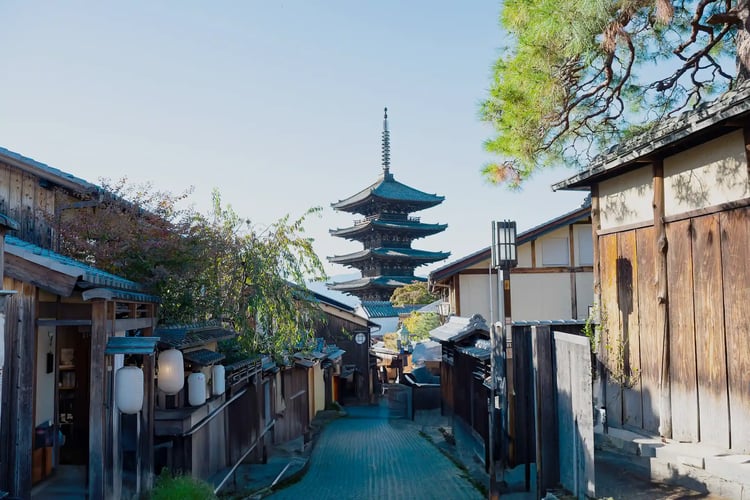
Gion & Higashiyama|The Romance of the Ancient Capital with Views of Yasaka Pagoda
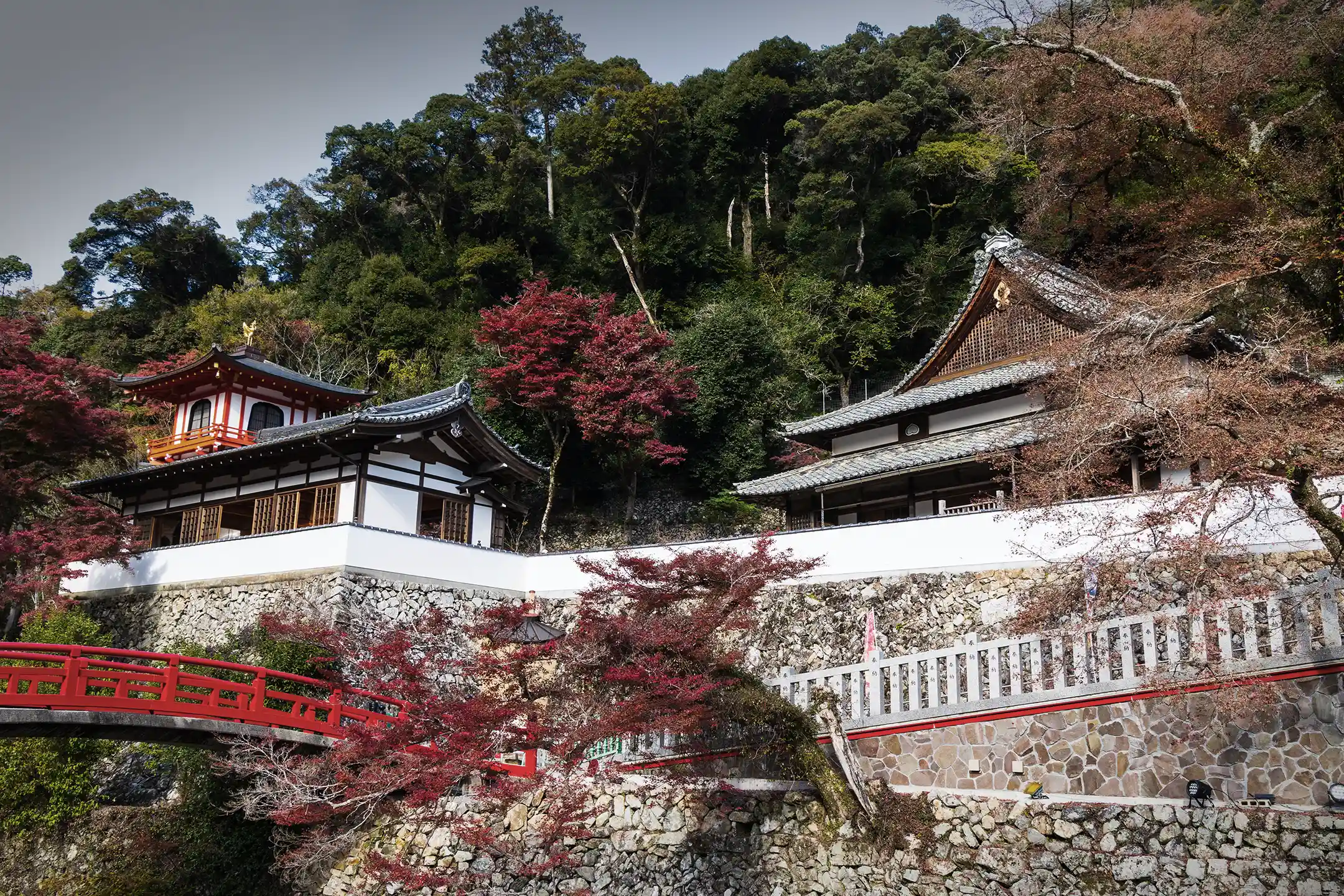
This area showcases Kyoto at its most evocative: stone‑paved lanes, lattice‑fronted townhouses, and scenery that stirs the imagination. At daybreak, wander around Kiyomizu‑dera and Yasaka Pagoda to have the historic views nearly to yourself. After dark, lantern‑lit stones and the pagoda’s silhouette create photogenic scenes—ideal for your commemorative photos.
Gion is also a traditional entertainment district where local life is close at hand, so courtesy is essential. In recent years, some private lanes have posted signs prohibiting unauthorized entry and photography, with fines indicated; observing etiquette is strongly requested (*1). If you see geiko or maiko (Kyoto’s geisha and apprentices), don’t give chase or take photos without permission. Staying in Gion & Higashiyama puts landmarks like Yasaka Shrine and Kodaiji within walking distance, setting you up for an anniversary steeped in old‑Kyoto atmosphere.
Pontocho & Kiyamachi|Riverside Kamo and Kyoto Kappo
Along the Kamo River, the Pontocho–Kiyamachi area blends culinary flair with luminous evening views. In summer, riverside terrace seating known as yuka lines the water; you can feel the cool breeze off the river and toast the shift from dusk to night (*2).
Pontocho’s stone lane is dotted with kaiseki and kappo institutions as well as venerable bars, drawing couples who enjoy grazing from place to place. Because many venues keep late hours, consider potential noise when choosing a hotel here. In lively districts, pick a property with good soundproofing or request a higher‑floor, river‑facing room.
From a Kamo‑view room, you can raise a private toast against the shimmer of the water at night. Access is convenient from Hankyu Kyoto‑Kawaramachi Station, but weekend evenings can be crowded; aim for off‑peak strolls to keep things relaxed.
Gosho & Teramachi|Mindful Strolls and Art Galleries
South of the Kyoto Imperial Palace (Kyoto Gyoen) toward Teramachi Street, the mood turns scholarly and serene. In the morning, jog through the expansive Imperial Park or take a refreshing walk in the greenery to reset body and mind.
The area is home to secondhand bookstores, galleries, and antique dealers—some specializing in vintage kimono or tea utensils. Teramachi Street, known as “Teramachi Art Street,” gathers a diverse range of antique shops; some carry everything from Qing‑era furniture to Japanese antiques (*3). Gallery‑hopping and browsing for fine objects spark curiosity and conversation.
At night, foot traffic drops and a hush settles over the neighborhood, perfect for lingering together. Tucked‑away, adults‑only lodgings here let you bask in culture’s afterglow without the bustle intruding on your anniversary time.
%20at%20Kyoto%20Gyoen%20National%20Garden.webp?width=750&height=500&name=Kyoto_s%20scenery%20Autumn%20leaves%20(or%20Autumn%20colors)%20at%20Kyoto%20Gyoen%20National%20Garden.webp)
Experiences That Elevate Your Anniversary|How to Make the Most of Kyoto’s Boutique Hotels
To turn an anniversary stay into something unforgettable, you need experiences that transform the hotel itself into your stage. Private dining, full-buyout flourishes, Kyoto-specific cultural encounters, and thoughtful surprises can all make a profound difference. Here, we’ll share concrete ways to weave these touches into your stay so your story together feels uniquely your own.
Private Dining & Full‑Buyout Flourishes
To transform the hotel into your stage, consider a private dining experience or reserving a space just for you. Many boutique hotels offer plans where a chef prepares an intimate dinner in a suite or private room.
At Park Hyatt Kyoto, for example, there’s a plan featuring a one‑night‑only dinner crafted exclusively for you by the executive chef and a sommelier inside the 135 m² signature Pagoda House suite on the top floor (*1).
And yes—you can go big. Thanks to their intimate scale, some 8‑room properties offer complete private‑use plans accommodating up to 39 overnight guests (*2). It’s a striking option for anniversary gatherings with family and friends.
Sharing Kyoto Culture, Just the Two of You
Sharing Kyoto‑specific cultural experiences makes an anniversary unforgettable. Some boutique hotels arrange private lessons in the tea ceremony, incense appreciation, or wagashi (confectionery) making.
At THE JUNEI HOTEL Kyoto Gosho West, for instance, you can learn the tea ceremony with a tea master on the tatami space in your room and enjoy a bowl of matcha together (*4). The hotel also offers an indulgent plan in which a maiko performs right in your room, followed by Q&A and commemorative photos (*3).
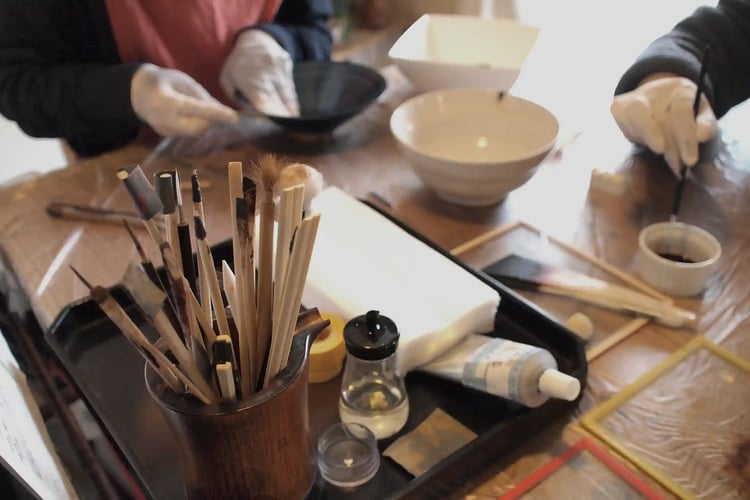
Traditional craft workshops are popular, too. Some hotels offer short kintsugi sessions—mending broken pottery with lacquer and gold powder—in about 90 minutes (*5). Creating something side by side becomes a lifelong memory. Many programs have English‑language support and are well‑received by international guests.
How to Orchestrate a Seamless Surprise
For anniversary surprises to land beautifully, preparation and on‑site choreography matter. Coordinate with hotel staff ahead of time on the timing, location, and details.
If you leave a card or gift with them in advance, they can place it discreetly on the pillow at turndown. Hire a photographer or videographer to capture the key moment so you can revisit it together.
THE JUNEI HOTEL Kyoto Gosho West offers a “memory photo” service, arranging a professional shoot at your preferred time and location and delivering the data afterward (*6). If planning an outdoor surprise, have a rainy‑day contingency so the moment is magical in any weather.
A Social‑Media‑Ready Photo Map—with Courtesy
Map out quintessential Kyoto backdrops before you go.
Top picks include: Yasaka Pagoda at sunrise (soft light and few people feel almost dreamlike), the Kamo River at dusk (sky and water glowing during the golden hour), and Okazaki Canal in spring (a painterly duet of cherry trees and water). Be mindful of natural light; aim for that “magic hour” just after sunrise or just before sunset for even more dramatic frames.
Do note that tripods or flash may be restricted at certain sites or could disturb others. In Gion and at temples and shrines, follow local photography etiquette and avoid blocking pathways. When your smiles shine against Kyoto’s landscapes—and you’ve kept good manners—that becomes the most precious souvenir of all.
Guestrooms and Interior Design|The Beauty of Restraint and Privacy
In Kyoto’s boutique hotels, the aesthetic of “beauty in restraint” permeates the spaces. The warmth of restored machiya townhouses, the quiet refinement of sukiya architecture, and the interplay of light and natural materials all come together to create a setting of serene comfort. These elements combine to deliver a deeply private atmosphere—an ideal backdrop for an anniversary that prizes intimacy and ease.
How to Choose by Room Type|Suite / Whole‑Townhouse Stay / Open‑Air Bath / River View
For an anniversary stay, your choice of room type can make all the difference. Suites deliver spaciousness and a heightened sense of occasion—perfect if you want to luxuriate in an extraordinary setting. Park Hyatt Kyoto’s “Pagoda House,” for example, is a sweeping suite with panoramic city views.
A whole‑townhouse stay (machiya) is quintessentially Kyoto, giving you the run of a restored historic home with exceptional privacy. At THE HIRAMATSU Kyoto, housed in a renovated Meiji‑era townhouse, rooms pair traditional beauty with modern comfort (*3).
Open‑air bath rooms are perennial favorites. Some properties offer guest rooms with natural hot‑spring baths and views of gardens or Arashiyama, letting you soak in bliss while taking in the scenery (*1)—a ryokan‑like cocoon within your own room.
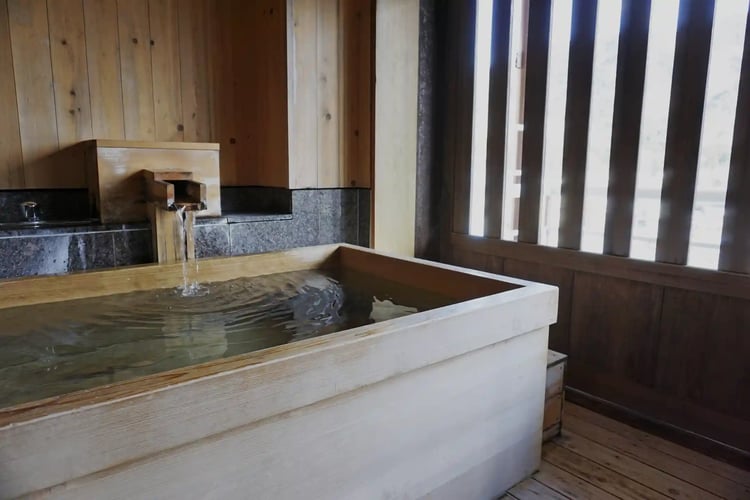
View matters, too. Kamo River vistas and cityscapes offer different facets of Kyoto; some windows frame the seasons like a living painting (*2). Balance space, amenities, and outlook, and choose what delivers the most value for you both.
Design That Elevates Privacy
Thanks to their size, boutique hotels often prioritize privacy in their layouts. Interior corridors prevent random foot traffic past your door, and floors tend to have fewer rooms to reduce noise and the feeling of being observed.
Doors and walls usually employ high‑grade soundproofing to minimize noise from neighboring rooms and corridors. Elevators and service rooms are often sited away from guest quarters, creating a hush that feels like your own private retreat.
Shared spaces are compact and comfortable, so you can relax without feeling on display. Many hotels have familiar staff who look after you from check‑in to check‑out, and that continuity—paired with attentive service—makes privacy‑minded couples feel truly at ease.
Materials and the Play of Light & Shadow that Embody Kyoto’s Aesthetics
Kyoto’s boutique hotels excel at “beauty in restraint” through their materials and lighting.
You’ll often see generous use of solid wood, washi, lacquer, and tatami, with a conscious avoidance of over‑decoration. Natural materials that age gracefully harmonize with modern furniture, creating a calm, elevated atmosphere (*3).
Lighting is thoughtfully layered. Soft, indirect light casts shadows across woodwork, lattices, and shoji, giving simple spaces unexpected depth. In some hotels, closing a shoji door turns it into a softly glowing plane, subtly transforming the room and setting the tone for a quietly luxurious evening.
This “In Praise of Shadows” sensibility is part of what makes these spaces feel distinctly Kyoto. For an anniversary, rooms that favor refinement and warmth over flash offer true ease—and an afterglow that stays with you.
Dining & Bar|Seasonal Kyoto Cuisine and Pairing Experiences
Cuisine is central to how you’ll remember a celebration. From seasonal Kyoto dishes crafted with finesse to sake or wine pairings that heighten each bite, and from private toasts with a city or garden view to after-dinner drinks in an elegant bar, these experiences enrich both palate and memory. Dining in Kyoto’s boutique hotels ensures your anniversary lingers as vividly as the flavors themselves.
Course Design That Hits the Right Notes for Anniversaries
Cuisine is a pillar of any celebration. In Kyoto’s boutique hotels, seasonal ingredients and time‑honored techniques shape courses rich in surprise and sense of place.
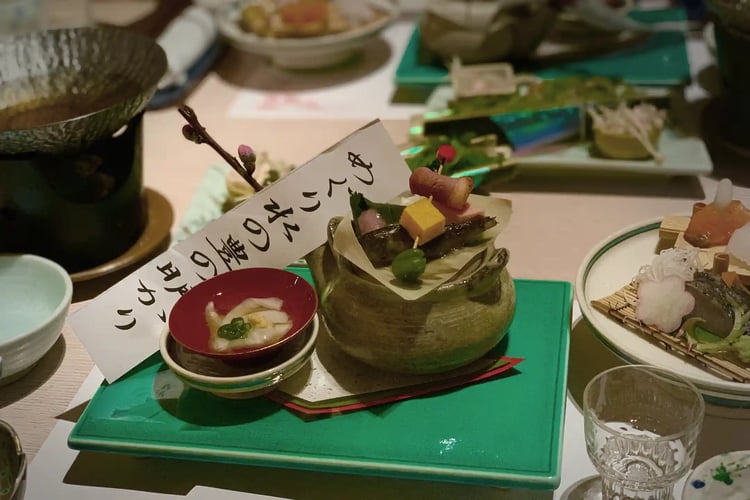
At The Ritz‑Carlton, Kyoto, for example, the chef crafts kaiseki inspired by Kyoto’s delicate “72 micro‑seasons” (*1). Even in a classic multi‑course meal, the opening bite might echo the season’s motif; mid‑course fish and meat dishes draw out peak flavors; and dessert can arrive with a celebratory message—touches that speak directly to an anniversary.
If you coordinate ahead, the hotel can weave special elements into the meal—an inscribed cake, a surprise bouquet, and more. Each plate becomes a prompt for shared stories, nourishing the heart as much as the palate.
Pairings & Bar Time
Thoughtful pairings double the delight. Kyoto is also sake country, and many in‑house restaurants and bars offer pairing flights of local sake or wine.
At a sake bar in Gion, you might find premium labels like the much‑sought‑after Juyondai poured to match the food (*2). If sake isn’t your preference, a sommelier can pivot to wine, or you can enjoy cocktails featuring Kyoto craft gin. After dinner, linger over a nightcap in the hotel bar.
A single glass enjoyed while gazing at a garden or night skyline feels perfectly celebratory. Consider toasting with a non‑alcoholic cocktail using local fruit or tea—the moment is no less special. Let the quiet of Kyoto at night wrap around your conversation.
Why Breakfast Determines Satisfaction
“Breakfast makes the stay” is a saying for a reason—the quality often shapes how you remember the hotel. Kyoto’s boutique properties take breakfast seriously, whether Japanese or Western.
On the Western side, The Ritz‑Carlton, Kyoto is known for Pierre Hermé’s croissants (*3). Fresh from the oven, their fragrance and crisp layers set a blissful tone for the day.
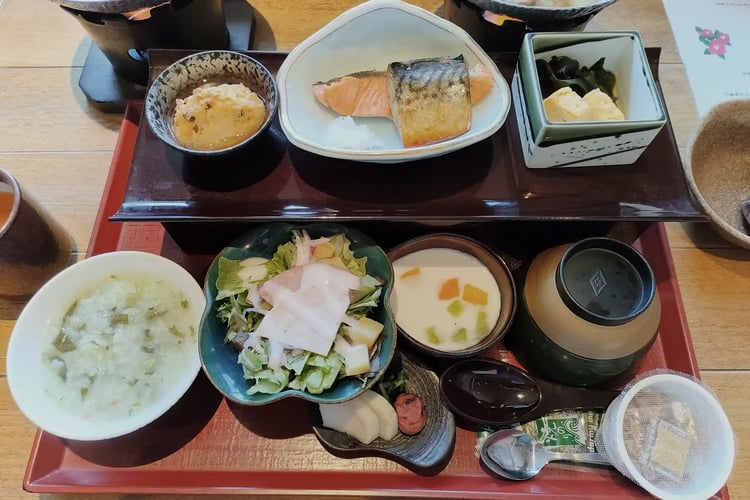
Japanese breakfasts might feature obanzai (home‑style Kyoto dishes), white‑miso ozoni, and dashi‑rich rolled omelets—gentle, ingredient‑driven plates that are kind to both stomach and spirit. If you opt for in‑room breakfast, you’ll enjoy a private morning with no interruptions.
Either way, a high‑quality breakfast extends the glow of the night before. Beginning your day deliciously is the final flourish that completes an anniversary trip (*4).
FAQ|Small Luxury Hotels Kyoto
If it’s your first time staying at a boutique hotel, you may wonder how it differs from a luxury ryokan, how strong the English-language support is, or how far in advance to arrange anniversary extras. In this section, we answer common questions and share practical tips, so you can plan your stay with confidence and focus fully on the celebration itself.
What’s the difference between a boutique hotel and a luxury ryokan?
Mainly, the operating style and service philosophy. Boutique hotels fall within the Western‑style hotel category, typically offering front‑desk and room service; for dinner, you can dine in‑house or go out as you please. Luxury ryokan, by contrast, honor Japanese tradition—tatami rooms with futon bedding and yukata robes—with two meals (dinner and breakfast) commonly included (*1).
At a ryokan, a nakai (attendant) may welcome you with freshly prepared matcha in your room and serve meals there—hands‑on hospitality that feels like home, shoes off and all. The trade‑off is that staff may enter to lay out futons at bedtime; whether that level of interaction feels comfortable depends on your preferences.
Dress codes differ, too: at a ryokan, you can lounge in yukata and haori around the property, while at an upscale restaurant inside a boutique hotel, smart‑casual attire is usually appropriate. In short, luxury ryokan stage the extraordinary through Japanese tradition and attentive face‑to‑face service, whereas boutique hotels offer indulgent time through original design and a freer style of stay.
How strong is the English‑language support?
Because many guests come from overseas, most boutique hotel staff can assist you in English. Front desks and concierges often include bilingual team members, and some hotels can guide you entirely in English from check‑in to check‑out (*2).
At Hotel Ethnography, for example, all guest services can be completed in English, and they even offer English‑language Gion walking tours and bonsai lessons (*2). Some properties also use multilingual concierge tools, so you can expect hospitality that bridges language gaps.
When emailing requests in advance, keep messages simple or mention that you prefer English support when booking—it helps everyone prepare. If you don’t speak Japanese, you can still expect a smooth, comfortable stay; there’s no need to worry excessively about language barriers.
What’s the lead time for anniversary surprise requests?
Reach out as early as you can. Many hotels advise contacting them at least one week ahead for bouquets, cakes, or room decorations (*3).
Kyoto Brighton Hotel, for instance, asks that anniversary options be booked one week prior, with a 100% fee for cancellations after that point (*3). Some smaller hotels accept requests up to three days before (*4).
Kyoto Tokyu Hotel’s surprise options specify “reservation required at least three days in advance” (*4). Lead time depends on the content, but if possible, aim for one to two weeks.
Some elements may have conditions or fees, so share your concept and desired touches at booking and coordinate the details with the hotel. Day‑of changes are difficult; build a weather‑backup plan for outdoor surprises and set the stage for a flawless celebration.
%20Gunkan%20Maki%20Sushi.webp)