.webp)
Boutique hotels are intimate, high-end accommodations where each property weaves its own distinctive story. In Japan, boutique hotels that combine refined design with local culture are drawing attention as destinations for celebrating milestones such as wedding anniversaries and birthdays. If you’re searching for “boutique hotels japan” with an eye to a special occasion, this guide will help you compare options with confidence.
In spaces that blend the privacy you won’t find at large hotels with a contemporary style of hospitality distinct from traditional ryokan, you and your partner can savor an extraordinary, one-of-a-kind time together. In this article, you’ll find a wide-ranging guide—from the definition and appeal of boutique hotels to ideas for surprise gestures, photogenic ways to spend your time, model itineraries, booking tips, and etiquette.
What Is a Boutique Hotel in Japan? Definition, Appeal, and How It Differs from Ryokan
A boutique hotel generally refers to a small-scale luxury property with roughly 30–100 guest rooms, each with a distinctive theme or concept expressed through meticulous interior and architectural design (*1).
Every element is crafted so that the stay itself becomes a special experience. Styles range widely—from “art hotels” that exhibit works throughout the property to “resort-style” hotels in harmony with nature (*1). Unlike large chain brands, boutique properties favor a singular point of view over uniformity, often pairing high-touch service with a premium price point (*2).
In practice, most boutique hotels are designed so staff can attend to each guest attentively, enabling a stay that feels deeply private (*1). For independent travelers and couples seeking sophisticated, photo-friendly spaces and a sense of occasion, these hotels hold strong appeal, and the market in Japan continues to grow (*1).
So how do they differ from traditional Japanese ryokan or large luxury hotels? Many ryokan highlight time-honored hospitality—tatami rooms, open-air baths attached to guest rooms, and seasonal kaiseki cuisine—often with a measure of formality in how you conduct yourself during the stay.
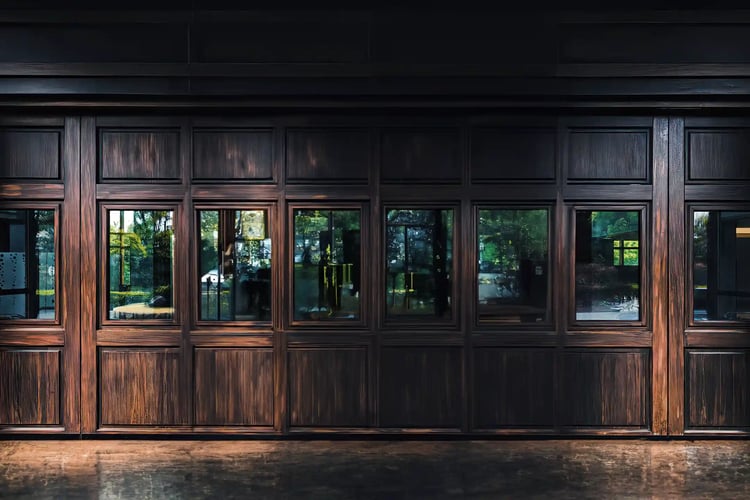
Boutique hotels, by contrast, are not necessarily Japanese in aesthetic. Modern Western-style rooms or hybrid Japanese–Western designs are common, and dining can span French, Italian, and other cuisines. In terms of service, while ryokan may include highly attentive touches like staff laying out futons in your room, boutique hotels tend to place more emphasis on privacy while still offering personalized attention.
Large international luxury hotels boast grand facilities and many rooms, but that scale can sometimes make staff feel more distant. Because boutique hotels have fewer rooms, communication with staff is often closer—you may be addressed by name from check-in, which adds to the feeling of being recognized.
Pricing at boutique hotels also fluctuates with season and demand. Rates rise and reservations become harder to secure during high season—cherry-blossom spring, the autumn foliage period, around Christmas, and long holiday weeks. Conversely, off-season weekdays in January–February tend to be less expensive, meaning you may be able to stay more affordably without any change in service content (*3).
Weekday stays can also be priced lower than weekends, so when you plan an anniversary trip, it’s smart to compare potential dates for rates and crowd levels.
Surprises and Staging at Boutique Hotels
When you travel to celebrate a special date, a surprise just for the two of you makes the moment unforgettable. Thanks to their intimate scale, boutique hotels are flexible and well suited to staging private experiences around dining and space.
For dinner, you might reserve a window-side table with city views or a private room at the hotel’s restaurant and enjoy a special course in a romantic setting (*1). Consult the chef to incorporate ingredients with personal meaning, or arrange wine or sake pairings to create a culinary experience you’ll never forget.
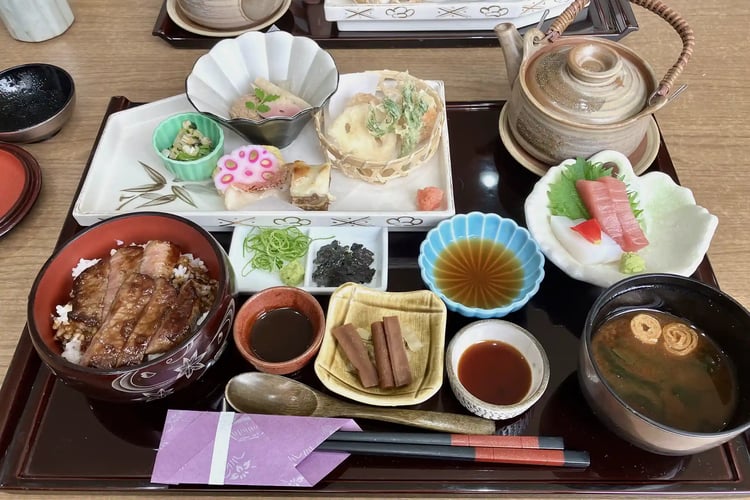
If your hotel offers in-room dining, you can relax over a full-course meal without worrying about anyone else. Many properties now offer “balloon decoration plans” and similar options, arranging bouquets or balloons in your room so the surprise begins the moment you sit down to dine.
Boutique hotels also excel at spatial staging. At properties with rooftop terraces or private balconies, toasting at dusk as you look out over the sky and skyline is popular. Some hotels illuminate gardens or courtyards after dark, inviting you into a dreamlike nighttime scene.
At Hotel Chinzanso Tokyo, for example, about 1,000 lights dramatically illuminate the garden’s trees, and together with a sea-of-clouds effect, they create a magical nighttime world (*2). Properties with private baths or saunas can also help you stage relaxing moments tuned to the time of day—like gazing up at the stars from a terrace after your soak.
Before check-in, speak with staff so they can help with details—dim the room lights at the right moment, play a favorite song—and time everything to the start of your surprise.
The key to success is close coordination with hotel staff. If you plan ahead, they can help with cake and flowers—and even carry the ring at just the right time for a proposal.
If you’re planning to propose over dinner, for instance, it’s important to align cues with staff—such as timing the reveal with dessert service (*3). If you share your wishes by email or phone before arrival, the team can work behind the scenes to keep the evening smooth.
At The Okura Tokyo, there is even a service called “Surprise Support” that assists with arrangements for birthdays and proposals (*4). With the personal cooperation you can expect from a boutique hotel, you can plan your surprise with confidence.
Photogenic Strategy|Capture Your Best Shot at Japan’s Boutique Hotels
On a special journey, you’ll want to take photographs that linger in your memory. With distinctive architecture and beautiful natural settings, boutique hotels offer countless ways—if you plan thoughtfully—to capture shots worthy of a film still.
Start by matching location to the time of day. At dusk (the golden hour), silhouette-style photos from a rooftop terrace or a high-floor lounge against a sky turning scarlet are a great choice.
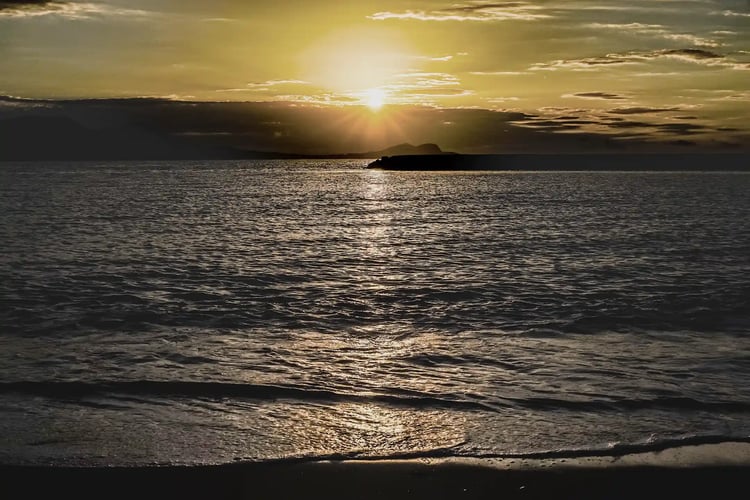
At night, frame portraits with city views through your room’s windows, or pose against a lit-up garden for something dramatic.
In the morning, soft natural light near the entrance or in a courtyard wrapped in fresh greenery makes for crisp, uplifting shots.
Even on rainy days, there’s no need to be disappointed. Use a chic lobby or library interior, or photograph yourselves walking across wet stone with umbrellas to let the weather’s poetry shine through. Ask hotel staff to press the shutter—they’ll often coax out your most natural smiles.
Do keep etiquette in mind. Protect other guests’ privacy and, when shooting in shared spaces, take care not to include anyone in your frame.
In fact, many hotels explicitly ask that you “do not aim your camera at other guests” and “avoid inconveniencing others” when taking photos (*1).
Some properties prohibit unauthorized media shoots, photography, and publication in lobbies, restaurants, and other shared spaces; if discovered, you may be asked to leave or delete posts (*2). These policies protect guest privacy, and even for personal photos, the baseline is not disturbing others’ peace.
So, if you use a tripod, choose low-traffic times; avoid flash around artworks; and always be considerate. Drones are heavily regulated in Japan, especially in cities and crowded areas, and flying without permission on hotel grounds is typically prohibited for safety. If you’re unsure what’s allowed, check with the hotel in advance and enjoy within the rules.
Boutique Hotels Japan—Sample Itineraries for Stays at Japan’s Boutique Hotels
If you’re undecided about where to go for your anniversary, consider model plans in three areas with distinct charms—city, nature, and sea. Below are examples for Tokyo, Hakone–Izu, and Setouchi. Weave in travel time and season, and sketch the plan that feels perfect for you both.
Tokyo, 2 Nights/3 Days|Night Views & Art × Boutique Hotel
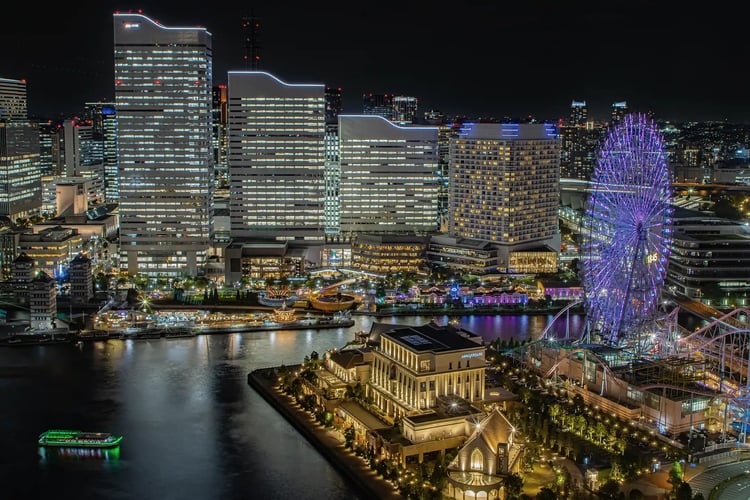
In cosmopolitan Tokyo, the appeal is a boutique stay that lets you enjoy both refined interiors and city lights.
Day 1: Check in during the afternoon and wander the property. Savor Tokyo’s urbane sensibility in a lobby accented with contemporary art and in your stylish room. Then head out for museum-hopping to spark your artistic side. For dinner, reserve a private room at a hidden sushi counter and relish Edo-style sushi paired with sake.
After dinner, make your way to the hotel’s rooftop bar. Toast with champagne as the Tokyo skyline glitters—an unforgettable close to the night. Day 2: After breakfast, unwind at the hotel spa or enjoy free time shopping in the city. Day 3: After check-out, leave your bags at the hotel and stroll through a traditional downtown neighborhood. Pick up gifts, then transfer smoothly with an airport car service.
Hakone & Izu, 2 Nights/3 Days|Hot Springs & Ravines × Boutique Hotel
For an anniversary that restores you with nature, pair Hakone and Izu in a hot-spring escape. Start in Hakone-Yumoto, immersing yourselves in Hakone’s landscapes. In the afternoon, check into a boutique resort hotel. If your room comes with its own open-air bath, slip into the sulfur-scented waters to wash away travel fatigue. Dinner is a seasonal kaiseki meal served in your room; the pre-arranged anniversary cake arrives as a surprise after the meal, and you celebrate quietly, just the two of you.
Day 2: After a morning cruise on mist-veiled Lake Ashi, drive to Izu and breathe in the forest air. Arrive at your Izu boutique hotel around evening. Watch the sun sink into the sea from an ocean-view villa, then soak in a private open-air bath as the sky and water glow orange—pure bliss. For dinner, enjoy a full-course French menu featuring local, ultra-fresh seafood.
Day 3: Wake to birdsong, stroll the property’s garden, and check out. Head home with minds and bodies reset by hot springs and ravines, and with your bond deepened.
Setouchi & Naoshima, 2 Nights/3 Days|Sea & Art × Boutique Hotel
If you want to immerse yourselves in contemporary art, head for the islands of the Seto Inland Sea.
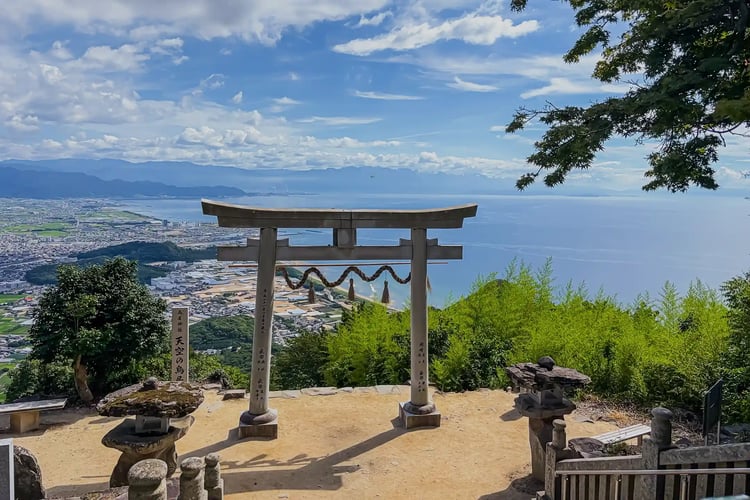
Day 1: From Takamatsu Port, take a ferry to Naoshima, an island devoted to art. Visit the Chichu Art Museum and the Art House Project, and feel moved by works that fuse with the Setouchi landscape. In the evening, check into a boutique hotel perched on a hill with views across the sea. From a villa-style room, you can take in the islands at a glance; linger on the terrace as the sea turns to sunset hues and time slows. For dinner, enjoy a full-course meal in the hotel dining room, showcasing island ingredients—Setouchi seafood, Olive Beef, and more—paired beautifully with wine.
Day 2: Consider arranging a sunset cruise through the hotel with an external charter operator. Availability and partners vary by property, so check in advance; watching the sun sink into the waves from the deck is a romantic moment you’ll remember for life.
Day 3: After check-out, you might visit another island from Naoshima or stop in Takamatsu to pay your respects at Kotohira Shrine (Konpira-san). Wrapped in sea breezes and contemporary art, these two nights and three days will spark your shared creativity and senses in the best way.
Wellness and Culture Experiences|Finding Your Balance Together at Japan’s Boutique Hotels
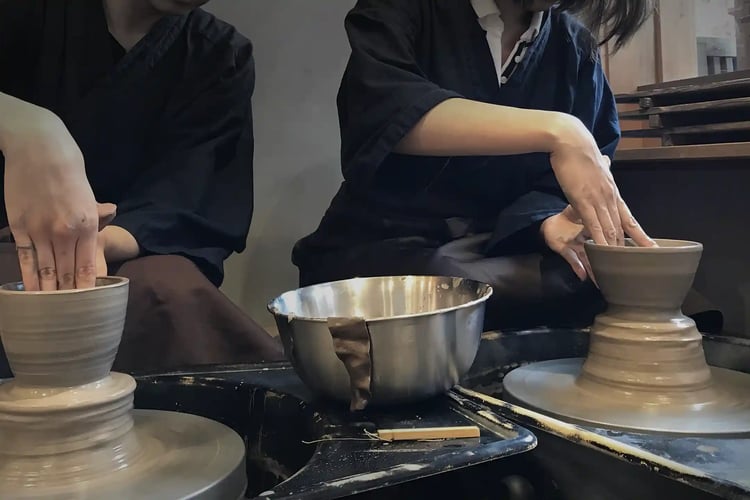
To enrich your boutique-hotel stay even more, weave in wellness (soothing body and mind) and hands-on experiences of Japanese culture. Private hot springs and saunas help you “reset,” while activities like tea ceremony or pottery deepen your understanding of Japan—bringing you closer as a couple.
How to Enjoy Private Bathing
At boutique hotels with open-air baths or private saunas attached to the room, you can bathe entirely at your own pace, without worrying about others.
First, warm up thoroughly in the hot spring or sauna, then cool down with a cold plunge or cool shower and rest in fresh air—repeat this “hot–cold alternating bathing” cycle to reach the blissful, deeply relaxed state Japanese sauna-goers call totonou (*1).
In winter especially, cooling off in the crisp air after raising your body temperature is said to feel even more invigorating (*1). In a private bath, you can add a few drops of your favorite essential oil, play music you love, and stage the experience like a home spa. Don’t forget to hydrate after bathing.
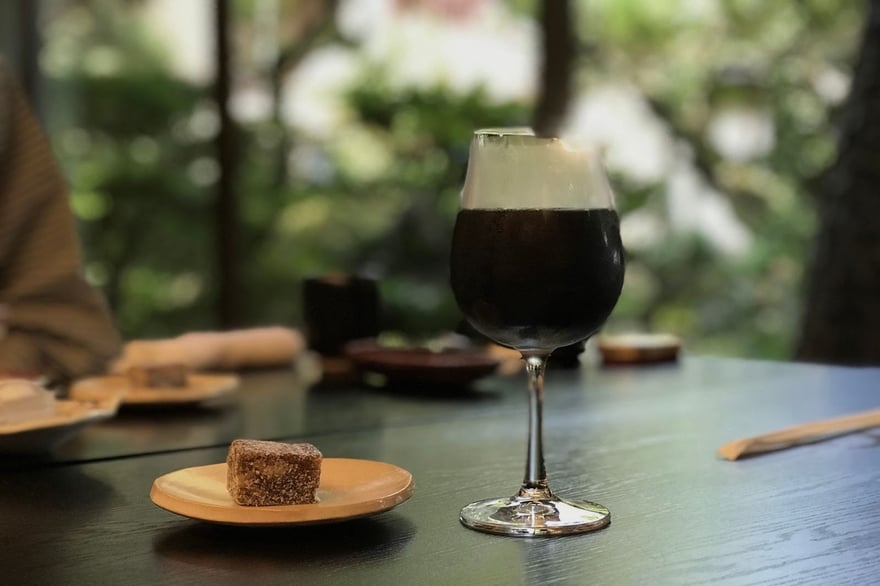
There’s also a nostalgic Japanese custom of drinking coffee milk or fruit milk after a bath—hand on hip at the vending machine. In one survey, 57% chose coffee milk as their post-bath drink (*2). Quench your thirst with whatever you fancy; warmed through, you’ll find the breeze outside feels wonderful at any hour.
How to Choose Cultural Experiences
Activities that connect you with Japanese culture add a special dimension to your trip. Depending on the hotel, you may find programs such as tea ceremony, ikebana flower arranging, wagashi confectionery making, or pottery. When choosing, check the time required and language support. Confirm whether there’s an instructor who can explain in English (or another language you need) and whether the hotel can arrange the booking.
It’s also worth asking in advance whether photography is allowed during the activity. With traditional arts, flash may be prohibited or shooting limited to specific moments, so aim to capture memories in a way that respects the rules.
Confirm as well whether you can take your creations home—such as a ceramic piece or wagashi. Pottery often requires firing and may be mailed later, but having something to hold onto keeps the trip’s afterglow alive.
If an outdoor tea gathering is canceled due to rain, check whether an alternative program is available. With flexible planning, you’ll keep learning and enjoying yourselves whatever the weather.
Seasonal Calendar
Japan’s four seasons each bring their own beauty, and weaving seasonality into your plans makes your stay all the more memorable.
Spring (March–April) centers on cherry-blossom viewing. Blossoms begin opening in Kyushu in late March, reach Tokyo in early April, and move north to Hokkaido by mid-May (*3).
Early summer (May–June) is radiant with fresh green; during the rainy season, hydrangeas and irises look especially lovely beaded with rain.
Autumn (October–November) is foliage season. The first hues appear in Hokkaido in late September; in Honshu through Kyushu, the peak is generally around November (*4).
Winter (December–February) brings snow landscapes in some regions; soaking in an open-air bath while watching snowfall is a rare treat. When planning, consult a seasonal calendar like this and match your itinerary to each time of year’s highlights to spend richer, more rewarding time together.
Booking, Benefits, Practicalities & Etiquette|Mastering Japan’s Boutique Hotels
To make the most of a boutique-hotel experience, savvy booking, smart travel logistics, and an understanding of etiquette are essential. Let’s start with booking channels—comparing official websites and online travel agencies (OTAs). Many hotels offer perks and best-rate guarantees for direct bookings on their official sites (*1).
You may find official-only discounts and member benefits, as well as services like long-stay deals or early check-in.
OTAs, on the other hand, make it easy to compare across many properties and collect points. Check both and choose whichever offers the best value for you.
If your schedule is flexible, consider adjusting by weekday or adding nights. Last-minute or multi-night discounts may apply, so getting quotes across several date options can reveal pleasant surprises.
For access, optimize your route to keep the experience stress-free. Confirm ahead of time whether the hotel offers a transfer or car service from the airport. Even if you’re using public transit, consider taking a taxi from the nearest major station so you’re not hauling heavy luggage over long distances.
Japan is actively promoting “hands-free travel,” with robust luggage-forwarding services; more travelers are shipping bags to their next hotel or the airport (*1). Ask the front desk to handle shipping and you can explore unburdened. Most properties also store luggage before check-in and after check-out so you can use your time well.
Lastly, a note on etiquette and privacy at Japanese boutique hotels.
If you have tattoos, be mindful when using hot springs. Many public large baths restrict entry; opt for a private bath or cover tattoos with patches when necessary (*2).
In shared spaces, keep voices and music at considerate levels so everyone can relax. In quiet lounges and bars especially, respect the calm atmosphere. Go easy on fragrance, too; strong scents can be unwelcome in Japan and can bother others around hot springs.
When addressing staff, a warm greeting and a clear, polite request are all you need. Tipping is generally not customary; express thanks in words (*3). In a few high-end ryokan, some guests offer a small “kokorozuke” at check-in, but it isn’t required. In most cases, service charges are already included in rates, and staff may decline tips (*3).
Understanding these norms builds trust with the hotel and lets you enjoy your stay with confidence.

.webp)