Step a beat away from the city’s rhythm and craft a story for two, told with care. A Japanese ryokan or a traditional hotel becomes the stage on which those moments live on.
This end‑to‑end guide covers the history and etiquette that keep first‑time stays effortless, experience design that truly works for anniversaries, a comparison of Tokyo’s distinguished heritage hotels, how to choose excellent ryokan with a Kanto focus, and even photography that lingers in memory long after social‑media “likes.”
Not ostentatious, but refined—and private. With Japan’s spirit of omotenashi, you’ll tailor a night that befits your milestone.
What Is a Ryokan—History, Culture, and Basic Etiquette
A ryokan is a traditional Japanese inn licensed under the Inns and Hotels Act—accommodation offered for a fee—delivering an experience rooted in Japanese life and culture: tatami, yukata, and large communal baths (*1). While ryokan and hotels share the same legal framework, minimum room sizes and structural standards for Japanese‑ and Western‑style rooms are set out, reflecting design principles grounded in a Japanese lifestyle (*2).
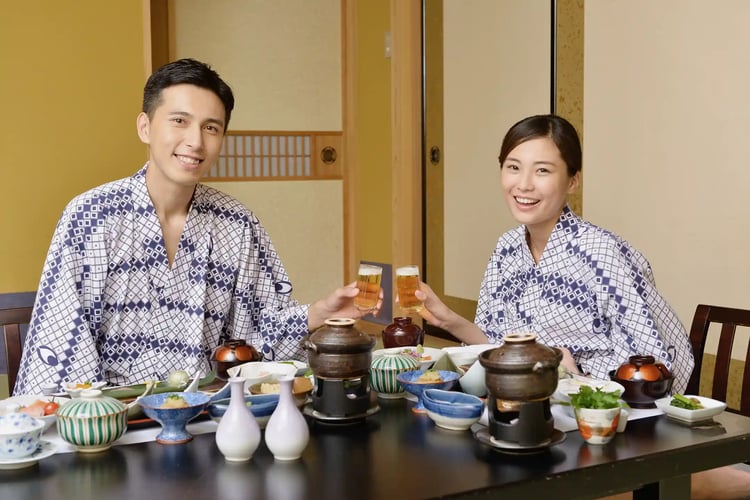
At a ryokan, you remove your shoes at the entrance and step onto tatami barefoot or in socks, change into a yukata and head for the baths, then savor seasonal kaiseki presented with thoughtful tableware—an unbroken sequence that gently resets your travel tempo. Photography requires consideration for other guests and staff; treat the premises as private space, ask first, and follow posted signs as a basic rule (*3).
Bath etiquette is broadly shared: rinse before entering, wash thoroughly at the wash area, and never dip towels into the tub, among other points (*4). Even on your first stay, moving with care lets you relax fully into the ease of Japanese‑style comfort.
How Ryokan Differ from Japan’s Traditional Hotels (Space, Dining, Omotenashi)
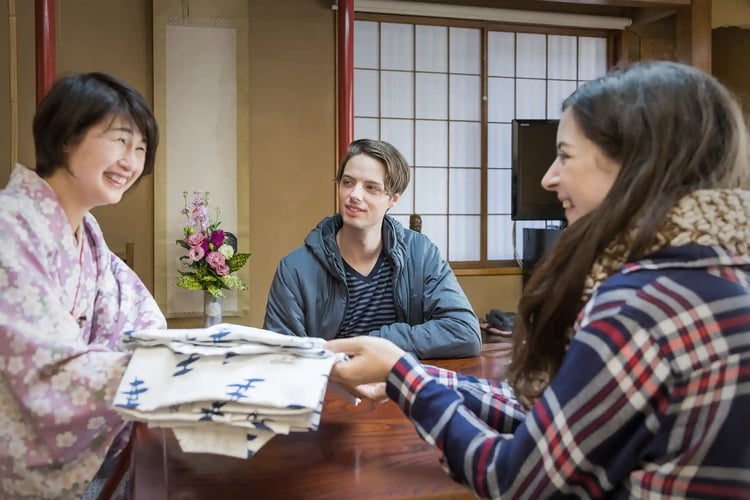
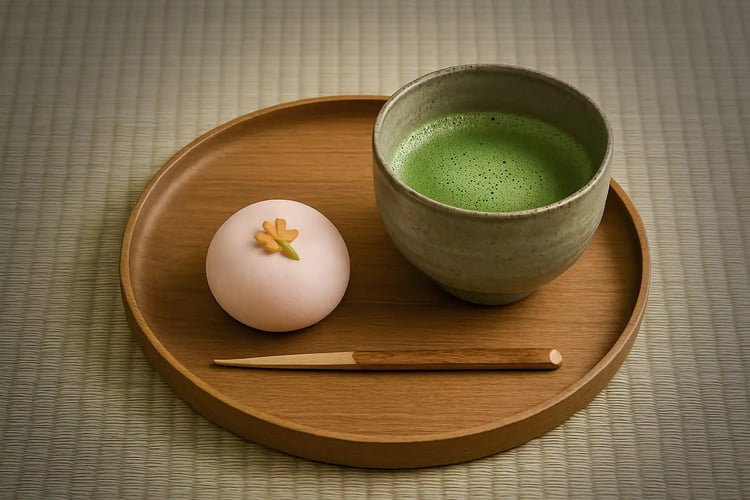
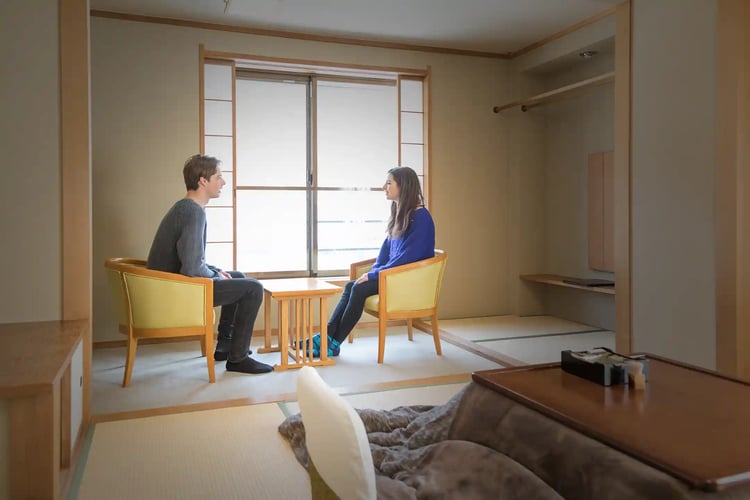
Ryokan are designed around a low vantage point—washitsu rooms, tatami, shoji, and low tables—helping the body unwind. Large public baths and bookable private baths, in‑room dining or private dining rooms, and attentive care from the okami (proprietress) and nakai attendants are hallmarks; welcomes often begin with tea and sweets at check‑in, as a sequence of homely yet dignified gestures unfolds (*1)(*4).
By contrast, Tokyo’s traditional hotels offer Western‑style spaces centered on beds, with concierge service, storied bars, and international‑standard security and operations—city sophistication at its best. In both, the core of “Japanese hospitality” is anticipatory care. Think of it this way: ryokan turn your entire stay into a Japanese narrative, while hotels artfully edit urban time. That perspective makes choosing simpler (*1).
Origins and Evolution of Ryokan (From Hot Spring Towns to Urban Settings)
Hot springs developed long ago as places of therapy and convalescence, with records dating to the Nara period. By the Edo era, pilgrimages and hot‑spring cures had become major travel purposes, integrating with a waystation culture suited to longer stays (*5).
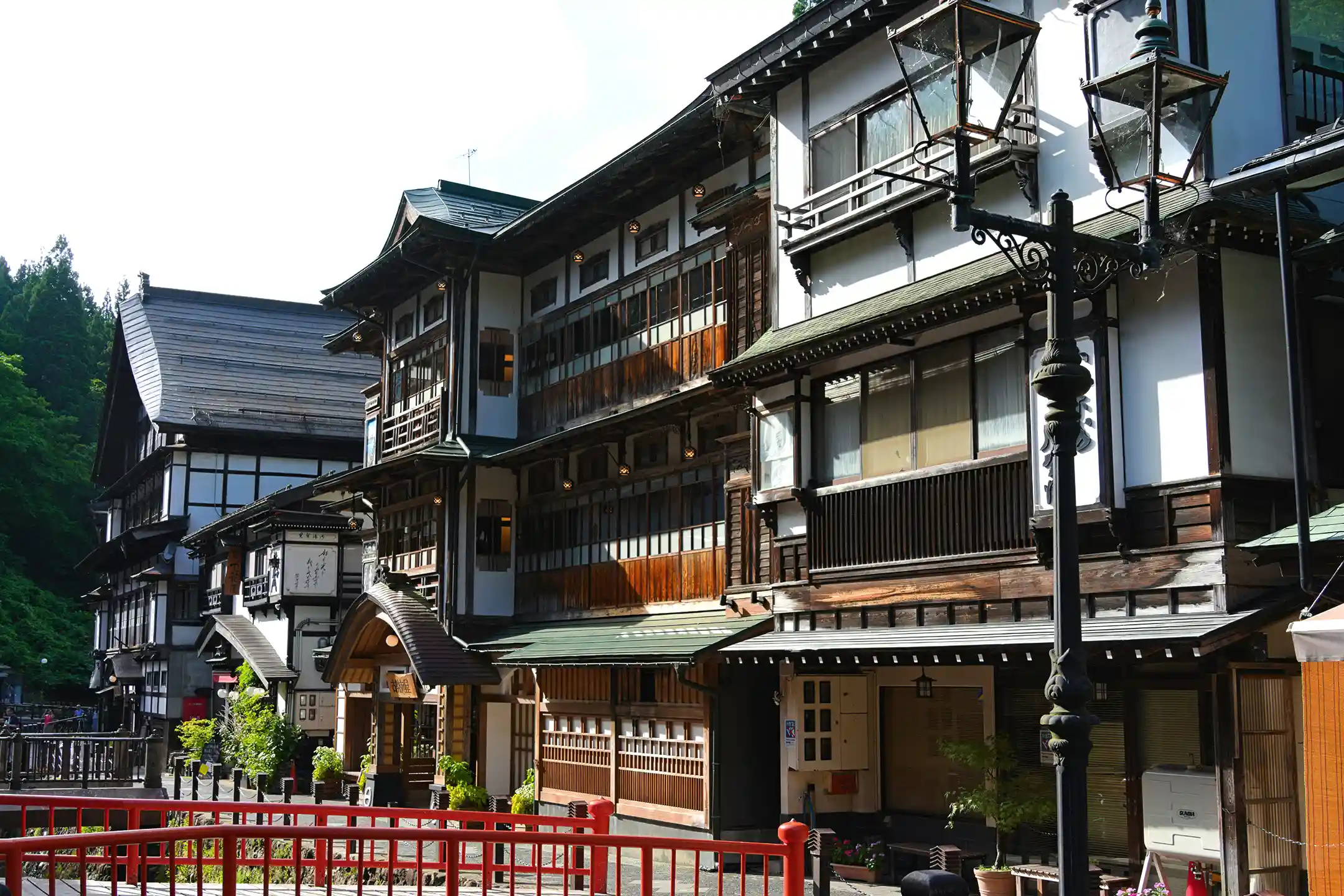
In modern times, the focus widened to leisure and tourism. Today, while inheriting the atmosphere of hot‑spring regions, “urban ryokan” have emerged in central Tokyo, complete with onsen and tatami lounges. For example, HOSHINOYA Tokyo—a “tower ryokan” in Otemachi—and Yuen Shinjuku, which pipes in Hakone spring water, let you enjoy a full‑fledged Japanese stay with minimal transit (*6). Tradition isn’t a fixed point—it’s an elegant reinterpretation. That is the ryokan of today.
First‑Timer Ryokan How‑To and Etiquette (Your Confidence Guide)
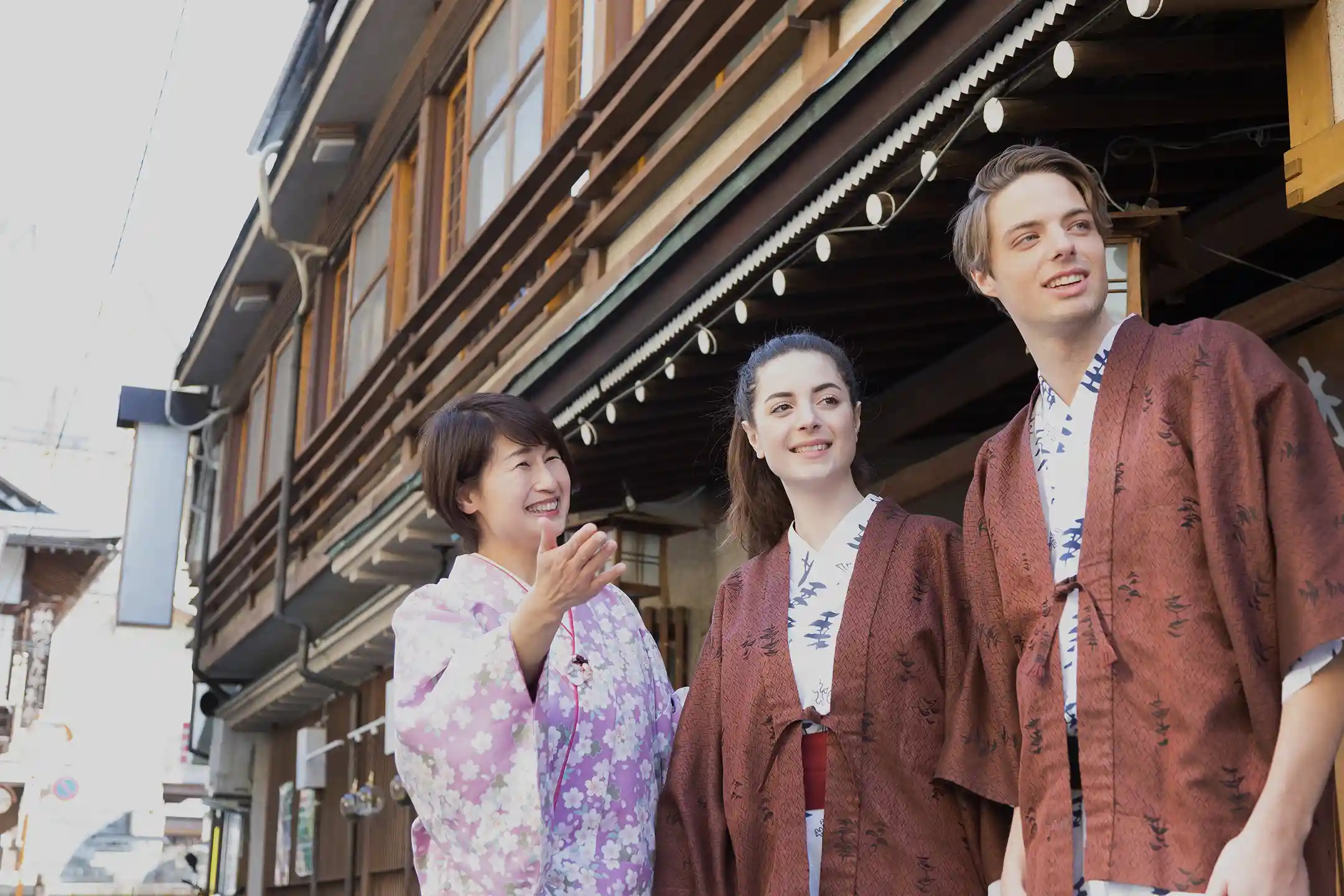
Wear your yukata left panel over right, and keep the sash knot off your front center (*7). On tatami, go barefoot or wear tabi; avoid hard soles and rolling luggage wheels. In the baths, wash before soaking, tie back long hair, and be mindful not to block others along the sauna–cold‑plunge route (*4).
If you photograph indoors, ask permission when people may appear in frame. For cultural properties and exhibits, authorization from the proper office is required for any external use (*3)(*8). Master these basics and your respect will be clear, even without words. Ryokan staff help before issues arise, so raise any concerns early. Courteous communication is the best travel preparation.
.webp?width=750&height=500&name=The%20image%20of%20a%20Washitsu%20(Japanese-style%20room).webp)
The Pleasures of a Ryokan Stay—Experience Design That Makes an Anniversary Special
What matters is creating “a natural path for your shared story to take shape.” Keep transfers short and your time rich. Hone the essentials—quiet, dining, bathing, sleep—and then add a single drop of surprise. With private‑use baths, private dining rooms, and in‑room meals, a ryokan allows abundant freedom to shape intimacy, making it wonderfully compatible with anniversary celebrations.
Share any food allergies and aversions in advance. If you co‑design the kaiseki menu, tableware, and wine or sake pairings through a dialogue, the experience value rises significantly (*1)(*2). Cakes, flowers, and message cards can often be arranged by the hotel or ryokan; a reservation a few days ahead usually makes it seamless (*3)(*4).
How to Choose Your Ryokan Room (Open‑Air Bath, Detached Villa, Suite)
Rooms with open‑air baths offer unrivaled freedom—you can claim the night sky or the morning mist all to yourself. Because each hot spring quality feels and smells different, choose what you love (the scent of sulfur springs, the silky‑smooth touch of bicarbonate springs, and so on).
Detached villas excel in sound insulation and independent flow, preserving the afterglow of your celebration. For an urban stay, combine a suite with club lounge access, using the lounge as a “second living room” that connects your check‑in to your nightcap at an easy pace. Private baths typically require advance reservations; prepare a first‑ and second‑choice time to secure your slot smoothly (*5).
The Value of Dining at a Ryokan (Kaiseki, Private Dining Rooms, Pairings)
Japanese kaiseki unites seasonality, tableware, and shitsurae (arrangement). The pairing of seasonal ingredients and vessels is itself a core cultural experience (*2). Alongside wine, sake pairings that follow aroma, umami, and acidity have become increasingly refined in hotel and ryokan dining rooms (*6).
For allergy management, pre‑declaration of specific ingredients is standard. Remember that eight major allergens require labeling in Japan; knowing this keeps communication smooth (*1).
Breakfast is where a property’s caliber shows. Choose a place that takes grilled fish, dashi, and freshly cooked rice seriously—you’ll feel the difference all day.
Onsen and Wellness at a Ryokan (Private Baths, Spa, Sauna, Meditation)
Create a rhythm of “soak → rest → reset.” After arrival, take a short bath to rinse away travel fatigue; after dinner, book a private bath for quiet time together; at dawn, breathe deeply in an open‑air tub. Many venues now offer löyly‑style sauna (water poured over heated stones to raise perceived heat), and the hot–cold contrast can deliver deep relaxation (*7).
Schedule herbal baths and treatments at least two hours before bedtime. For meditation, one minute of counted‑breath practice (susokukan) while gazing at the open‑air water surface can calm your heart rate. Lock in private bath slots and spa bookings before you arrive—that’s the golden rule (*5).
Surprises and Customization at a Ryokan
The classics—flowers, cake, and a message—rarely miss. In a washitsu room, place a single stem in the tokonoma alcove and match a washi card to the tableware and menu for a cohesive look. If you want the surprise near the end of dinner, share a simple run‑of‑show and serving cues in advance. For photos, be considerate of other tables; using a private room or your guest room is best.
Hotels often have official anniversary options for arranging cakes and flowers with just a few days’ notice. Ryokan, too, respond flexibly to phone or email requests (*3)(*4). For music, keep your phone and a small speaker at the lowest volume. The hush—the “negative space”—is what makes a grown‑up gesture shine.
Booking operations memo:
① For cakes, specify size (diameter) and type, fresh cream or chocolate, plus the inscription and language.
② For flowers, specify palette, quantity, and timing of the handoff.
③ Cue for the surprise (e.g., after dessert).
④ List allergies, aversions, and even “broths to avoid.”
⑤ Provide check‑in time and a day‑of contact number.
If you email these 3–7 days in advance, the choreography falls beautifully into place.
Comparing and Choosing Between Ryokan and Tokyo’s Traditional Hotels (Tokyo Edition)
“Japanese‑style serenity you can enjoy in the city” is evolving fast in Tokyo. Urban ryokan with tatami lounges and guests‑only hot‑spring baths minimize transit while maximizing cultural density.
Meanwhile, heritage hotels—Imperial Hotel, The Okura, Palace Hotel, and The Tokyo Station Hotel—stage anniversaries with architectural presence, art, dining, and concierge mastery (*1)(*2)(*3).
Tokyo’s strength lies in how your stay can include skyline views, iconic bars, and even quiet time in museums. Your best choice shifts with what you two value most.
Features of Urban Ryokan (Tokyo)
The key is “wa‑modern design × quiet.” Slip off your shoes at the door; once you settle onto low seating on tatami floors, the city noise recedes. Rooms and floor lounges are attentively appointed with Japanese aesthetics, and the in‑house baths are for staying guests only—meaning fewer crowds.
Open‑air and indoor baths on high floors create a “sky‑soak,” completing your relaxation without stepping outside, even on rainy days. Circulation paths are short, acoustic insulation is often strong, and nighttime quiet is easier to maintain—distinct urban advantages (*4)(*5).
The Value of Tokyo’s Traditional Hotels
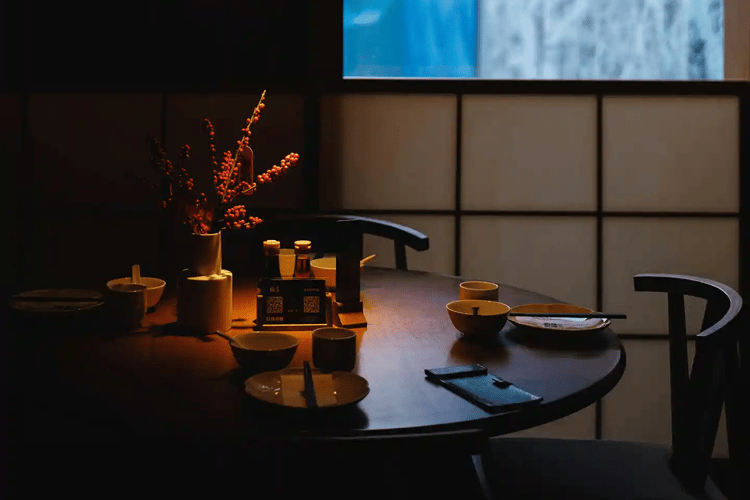
The Imperial Hotel has recorded history since the Meiji era as “Japan’s guesthouse” (*1). The Okura carries forward a philosophy of “Simplicity & Elegance” into the present (*2). Palace Hotel Tokyo, beside the Imperial Palace Outer Gardens, offers vistas of water and greenery (*3), while The Tokyo Station Hotel, housed inside the Marunouchi station building, stands out for the dignity of its railway heritage (*6).
A renowned bar, a concierge who reads your wishes, and an evening in a restaurant with a dress code—these add a tasteful frisson of ceremony and allure to your celebration. The singular value of classic hotels is how they let you borrow the city’s cultural assets as your backdrop.
How to Choose by Scene (Anniversary‑Optimized)
For quiet: choose an urban ryokan with a tatami lounge plus a private bath, and make the night all about conversation.
For night views: go high‑floor with a heritage hotel and its bar—or frame the cityscape of Marunouchi.
For cuisine: dress up for a hotel’s flagship dining room, or reserve a ryokan’s private dining room for kaiseki with a sake pairing.
For access: Tokyo Station, Otemachi, and Hibiya excel in airport links and sightseeing routes. In every case, balance “photo appeal” with “quiet,” and protect pockets of unscheduled time—that’s the key to success.
Checkpoints (Criteria That Make Comparisons Easier)
Turndown service, butler/concierge coverage, what the club lounge offers for breakfast, afternoon tea, and cocktails, and whether late check‑out is possible—these all shape satisfaction.
Confirm anniversary support (cake, flowers, cards), professional photo arrangements, and private spa treatment rooms. Pay particular attention to acoustic conditions (soundproofing between rooms and hallways), in‑room humidity control, bed size, and hot water supply—all factors that directly affect sleep quality (*7)(*8).
Reservation email template:
EN) We are celebrating our wedding anniversary. Could you arrange a small whole cake (12 cm) with “Happy Anniversary” and a bouquet in white & green?
JP) We are staying for our wedding anniversary. Please arrange a 12 cm whole cake with “Happy Anniversary” and a bouquet in white and green. Allergy: shellfish.
Distinguished Ryokan and Japan’s Traditional Hotels Around the Country (By Area)
While focusing on Kanto as requested, here are a few can’t‑miss highlights nationwide—kept to a thoughtful minimum.
Keep transfers simple and your time dense. Hakone and Izu are perfectly placed from Tokyo and offer diverse spring qualities. Nikko is ideal for a stay at one of Japan’s oldest classic hotels paired with heritage sites. In addition, Oita (Beppu and Yufuin), which boasts Japan’s highest hot‑spring outflow, and Noboribetsu, with ten types of springs, deliver “hot‑spring first experiences” you’ll remember for life (*1)(*2)(*3).
In Kansai, Kyoto’s seasons and streetscape are a refined stage in their own right. In Kobe, the sea and night view set off the Okura’s traditional beauty (*4).
Kanto model plan (1 night / 2 days): On day one, check into a room with an open‑air bath in Hakone or Izu; dine in a private room with kaiseki and a sake pairing.
The next morning, after a late check‑out, head to Nikko to visit Toshogu Shrine, then share the afterglow over tea in a classic hotel lounge. It’s easy to do with public transit plus short taxi rides arranged by your hotel.
Hot Spring Highlights by Area (Hakone, Izu, Kanazawa, Kyoto, Beppu, Yufuin, Noboribetsu)
Hakone: One of Japan’s foremost hot‑spring regions with 14 distinct spring qualities. Use them by scene—the scent of sulfur springs, the “silky skin” of bicarbonate springs, and the “heat‑sealing” comfort of chloride springs (*5)(*6).
Izu: Where ocean views meet hot springs. The character shifts by locale, from gently alkaline, silky waters to sulfate springs (*7).
Kanazawa: Bathe in the nearby Kaga Onsen Villages (Yamashiro, Yamanaka, Katayamazu, Awazu) and pair with Kenrokuen and the culture of tea for a refined weekend (*8).
Kyoto: You can enjoy baths in Arashiyama or Kurama, but let machiya townhouses, gardens, and the world of kaiseki take center stage. Beppu & Yufuin: Both rank among Japan’s finest in number of sources and total outflow. “Jigoku Meguri” (Hell Tour) and the backdrop of Mount Yufu make your photos sing (*1)(*2).
Noboribetsu: Encounter ten spring types—from acidic and sulfur to iron—making it a natural spa resort in the truest sense (*3).
Regions with Notable Traditional Hotels (Kyoto, Kobe, Nikko, Nagasaki)
Kyoto: Along the Kamogawa or in Okazaki, storied hotels blend into the city’s culture, resonating with art and tea. Kobe: With the harbor nightscape as your backdrop, Hotel Okura Kobe welcomes you with the spirit of “purity and elegance” (*9).
Nikko: Nikko Kanaya Hotel is Japan’s oldest existing classic resort; the layered history itself is the experience (*10). Nagasaki: In Unzen, properties marry free‑flowing spring water with classic hotel character, adding the port city’s narrative to your stay (*11). When you anchor your trip in each place’s “sense of story,” a single anniversary night becomes a work of art.
Best Seasons and Weather Risks
Cherry blossom (Mar–Apr), fresh green (May–Jun), autumn colors (Nov), and snow‑viewing (Dec–Feb) all come with gentle morning and evening light—ideal for photography. In the peak heat and typhoon seasons (roughly Jul–Oct), design short indoor routes and keep outdoor shoots to the hour after sunrise and the hour before sunset—the “golden hours.” Referencing Tokyo’s climate normals and average typhoon data when planning adds peace of mind (*12)(*13).
Even in warm months, pack a light layer you can throw on. Bring full rain gear and a waterproof camera bag. Check sunrise/sunset times in advance, and treat mist or light rain as your ally—your trip becomes more cinematic.
Photogenic Strategies for a Ryokan Stay and Smart Use of Social Media
“Insta‑worthy” is the doorway; “memorable” is the essence. For your special day, compose with subject, light, and negative space. Ryokan glow in soft, diffused light.
The play of an andon lantern, light filtering through shoji, the lift of steam—these Japanese textures call for edits that don’t punch up contrast too far.
Keep live posting to a minimum. Spend the stay in “observer mode” to sharpen your inner resolution, then share a curated set on your way home. Photography manners and privacy awareness are the first steps to honoring hospitality at your destination (*1).
Timing, Light, and Composition
Morning mist’s soft light, evening’s slant light, and lanterns at night—Japanese architecture gives “shadow and shade” a leading role.
Use the rule of thirds or a diagonal and leave generous negative space, letting small stories—a bowl in hand, drifting steam—carry the theme. Outdoors, the best times are shinonome (around daybreak) and dusk.
In your room, sit diagonally by the window; overlap the shoji plane with your silhouette for a quiet, poetic frame. In the open‑air bath, treat the waterline as your horizon and use ridgelines or garden stones as a “frame” to steady your composition.
How to Photograph the Room, Private Onsen, and Food
Room: Keep stray items and clutter out of frame. Square the corners of the duvet, align cushions, and place the tea set with intention—these small fixes add poise.
Private onsen: Carry a microfiber cloth to prevent lens fogging and shoot steam backlit. For privacy, crop portraits from the shoulders up.
Food: Use the height differences of the tableware and shoot at a 45‑degree slanted eye level. For soups, two seconds after the surface stills is your gloss peak. Place the sake glass to the back right of the star dish to guide the eye naturally.
Professional Shoots, In‑House Permissions, and Delivery Formats
If you hire a professional, apply in advance for permitted areas, routes, and times (when guest traffic is minimal). For cultural properties and artworks, you’ll need authorization from the relevant office for any external use (*2).
Request both RAW and JPG, plus short clips, to make social posting easier. Secure consent when faces are identifiable. Sharing tourism‑etiquette guides and pictograms beforehand reduces misunderstandings in international teams (*3). More important than “where you can shoot” is agreeing on “when and how to shoot”—that’s the shortcut to refined results.


.webp)