Tokyo is a city layered in time: futuristic skylines of soaring towers coexist with historic neighborhoods that trace back to Edo, alongside shrines and temples that anchor daily life. For travelers from Europe and North America, this multiplicity reads as a unique field where city and history, technology and tradition, press against each other. Within that setting, staying at a traditional hotel is not merely “accommodation” — it’s an active encounter with culture.
Here, through the three lenses of cultural experiences, architectural beauty, and sustainability, you’ll discover the deeper value of a journey shaped by Tokyo’s traditional hotels.
This article is one doorway into the wider art of marking a milestone in Tokyo. The Tokyo for Two Digital Guide gathers intimate stays, quiet celebrations, and the city's most personal corners into a single, connected reading.
Cultural Experiences — Meeting a Different Aesthetic That Extends from Everyday Life
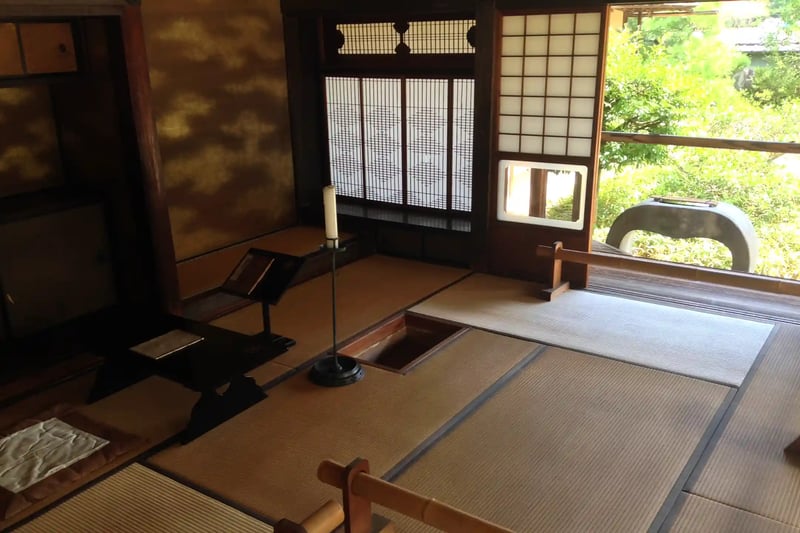
From the moment you step into a traditional hotel, time begins to flow differently. Soft light filters through shoji screens, the scent of tatami rises at your feet, and seasonal expressions appear throughout the room. This orchestration lets you feel the Japanese values of “understated richness” and “living in harmony with nature.”
In many Western cultures, ornament and clear statements are often prized; in Japan, beauty has long been found in blank space and silence. The quiet that fills a room — ma (間) — feels natural to Japanese sensibilities, yet to visitors it can sometimes appear almost “empty.” That moment is precisely where you meet difference and step closer to understanding.
A hanging scroll and seasonal flowers in the tokonoma alcove are more than decoration; they stage the room with meaningful ma. When you join programs like tea ceremony or incense ceremony, you move from “observer” to “performer,” feeling yourself stand within the culture. Rather than simply “touching” something unfamiliar, you let it soak in. The relationship between traveler and host shifts beyond consumer and provider into something shared.
Architectural Beauty — Spaces That Speak with the Weight of Time
In Tokyo’s traditional hotels, the building itself becomes the narrator. After the wave of Westernization in the Meiji era, architecture built from the Taishō into early Shōwa periods retains, in its bones, how each era influenced Japan — and how Japan absorbed and transformed those influences.
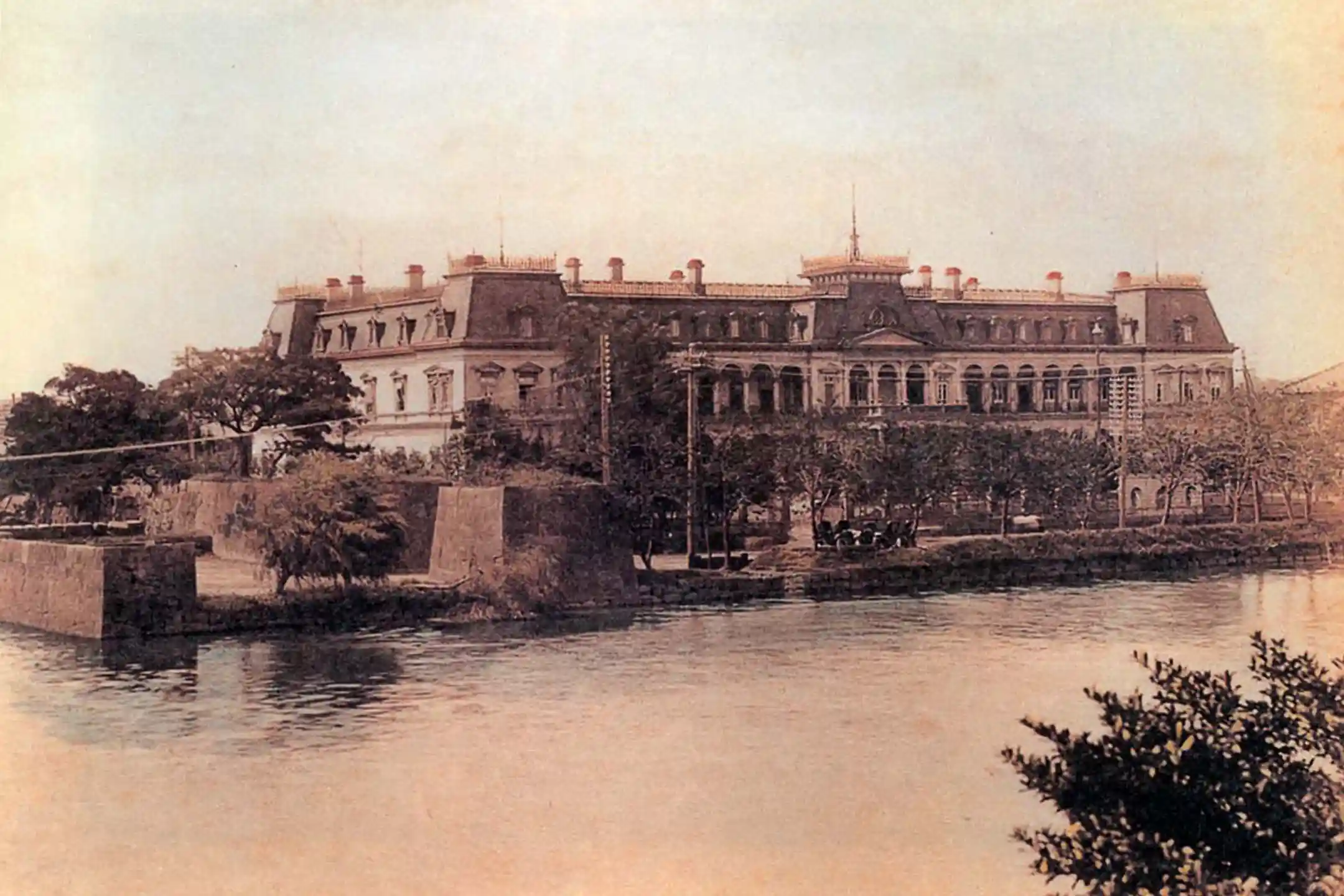
For example, the former Imperial Hotel main building (completed in 1923, late Taishō–early Shōwa; designed by Frank Lloyd Wright) welcomed currents of Western architecture while fusing them with the essence of Japanese building — harmony with nature, strong horizontality — without losing either. How do you reconcile the permanence aspired to by Western “stone architecture” with the Japanese wooden tradition that assumes transience? This is not only a question of architectural aesthetics but a crossroads of values.
Contemporary wa-modern inns re-interpret “shadow and blankness” using traditional materials and structures guided by modern design thinking. In that moment where Japan’s sensitivity to light and texture meets present-day technology, space privileges not Western “clarity,” but the felt presence of ambiguity and atmosphere. It appeals to sensibilities beyond words.
Sustainability — Stays Open to the Community and the Future
Many traditional hotels are also being noticed for their approach to sustainability. In parts of Kagurazaka, for example, some properties revive old townhouses slated for demolition, reusing salvaged lumber to carry the memory of the past into the future. They serve cuisine with local ingredients and adopt water-saving laundry methods — operating practices that reduce environmental impact.
These efforts go beyond environmental protection alone. Amenities and furnishings made in collaboration with local artisans let you encounter things rooted in place, inviting you to step beyond the role of consumer and take part in co-creating culture. This shifts travel from “consuming special experiences” to “rediscovering relationships.”
Unlike the conspicuous luxury often associated with Western high-end hotels, what traditional Japanese hotels treasure is the “luxury of shared time.” It’s not comfort that shouts, but an experience that settles quietly and lingers in you. That’s why these stays are shaping a sustainable future for travel itself.
What Are Tokyo’s Traditional Hotels? Definitions and Evolution — Traits of Ryokan, Heritage Hotels, and Wa-Modern Inns
When you hear “Tokyo’s traditional hotels,” you might picture tatami rooms and the fragrance of wood — calm, restrained spaces. Yet the category is far from uniform and can be broadly divided into three lineages: ryokan, long-established heritage hotels, and the wa-modern inns that have flourished in recent years.
First, ryokan embody Japan’s traditional style of lodging, valuing formality and seasonality in hospitality. Rooms feature a tokonoma alcove displaying a hanging scroll and seasonal flowers. Meals are typically served in your room, with dinner and breakfast included as the basic plan (*1). This is not simply an overnight stay; it’s an experience of “arranged time” beyond the everyday.
By contrast, long-established hotels dating from before the war developed a distinctive style by blending Western architectural modes with Japanese service philosophy and aesthetics. The Imperial Hotel and Hotel Okura Tokyo are emblematic. They fused the spirit of omotenashi with Western-style hotels to cultivate a uniquely Japanese hospitality culture (*2).
Today, attention is also focused on wa-modern inns. These include properties that restore traditional townhouses or adopt modern architecture layered with Japanese elements. Shoji and washi appear in the interiors, while lighting and bedding incorporate the latest technology. The appeal lies in experiencing traditional beauty without sacrificing comfort — a new value that balances culture and ease.
%20with%20twin%20beds.webp?width=800&height=533&name=A%20Japanese-Western%20room%20(Wayo-shitsu)%20with%20twin%20beds.webp)
Reading “Tokyo’s Lodging History” in Meiji, Taishō, and Shōwa Architecture
Traditional hotels that remain in Tokyo are more than places to sleep; they’re architectural heritage that narrates Japan’s modern history. In the Meiji era, Western-influenced hotels in the European style appeared, especially those built for foreign guests, with a clear intention to fuse “Japan-ness” and modernity.
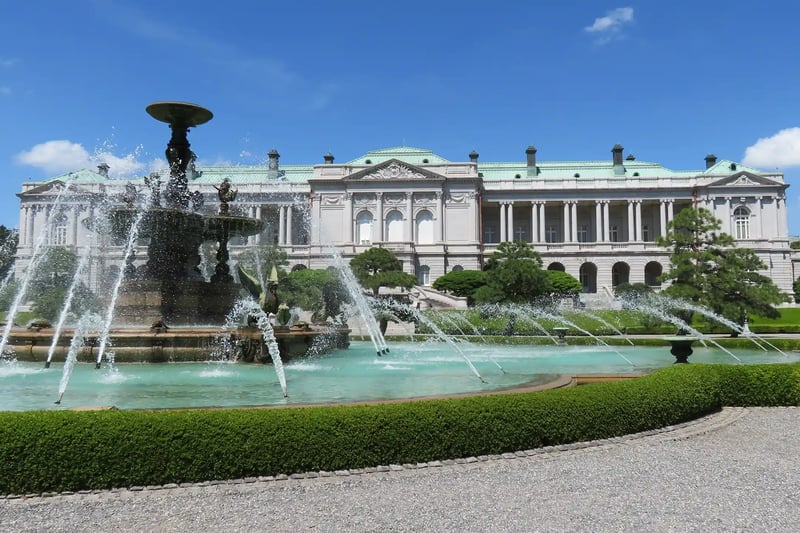
Opened in 1887, the Imperial Hotel served as a guesthouse for a nation embracing civilization and enlightenment. The former main building designed by Frank Lloyd Wright (completed 1923) is highly regarded in architectural history. Portions now relocated to Meiji-mura (Aichi Prefecture) attest to the recognized value of preservation and succession (*1).
From Taishō into early Shōwa, Japan’s original “Imperial Crown Style” spread — modern buildings topped with traditional Japanese roofs — symbolizing the “face” of the nation. To stay within such architectural language is to feel, as space, the aesthetics and values of its era. In Tokyo, meeting stories that leap across time is a unique allure of traditional hotels.
New Value Born from the Fusion of Tradition and Contemporary Design
Today, “traditional hotels” are not about nostalgia. They honor tradition deeply while inviting modern sensibilities and technologies to create new value.
At HOSHINOYA Tokyo in Akasaka, for example, the entire property is laid with tatami, yet features cutting-edge climate control, digital lighting, and privacy-forward planning. Rather than replicating tradition as a set of forms, it reinterprets it in step with how people live and feel now (*1).
From the standpoint of “sustainability,” these hotels also draw attention. The use of natural materials, cuisine grounded in local ingredients, and efforts to carry on regional culture all align with the spirit of the SDGs. As places where architecture, culture, and human activity sustain each other in balance, traditional hotels propose value beyond a place to sleep (*2).
In other words, a traditional hotel is not merely “a place to experience the past,” but a living interface between culture and the future. For travelers with a keen sensibility, it’s an intellectual gateway that engages all five senses — and your curiosity.
Staying to Experience Culture — How Hotels Design an Intellectually Enriching Stay
What moves you in contemporary travel isn’t just relaxation or ticking off sights; it’s the deeper spark of “noticing” and the questions that come from meeting culture. Japan’s traditional hotels weave that very experience into the stay with great care. Rather than observing from a distance, you enter as a participant, encountering Japanese wisdom and aesthetics through your body. Through space and time, you engage a quietly intellectual way of traveling.
Programs in Kimono, Tea Ceremony, and Calligraphy
Many traditional hotels treat your stay itself as an “introduction” to culture, with thoughtful touches throughout. Especially memorable are embodied programs like kimono dressing, tea ceremony, and calligraphy.
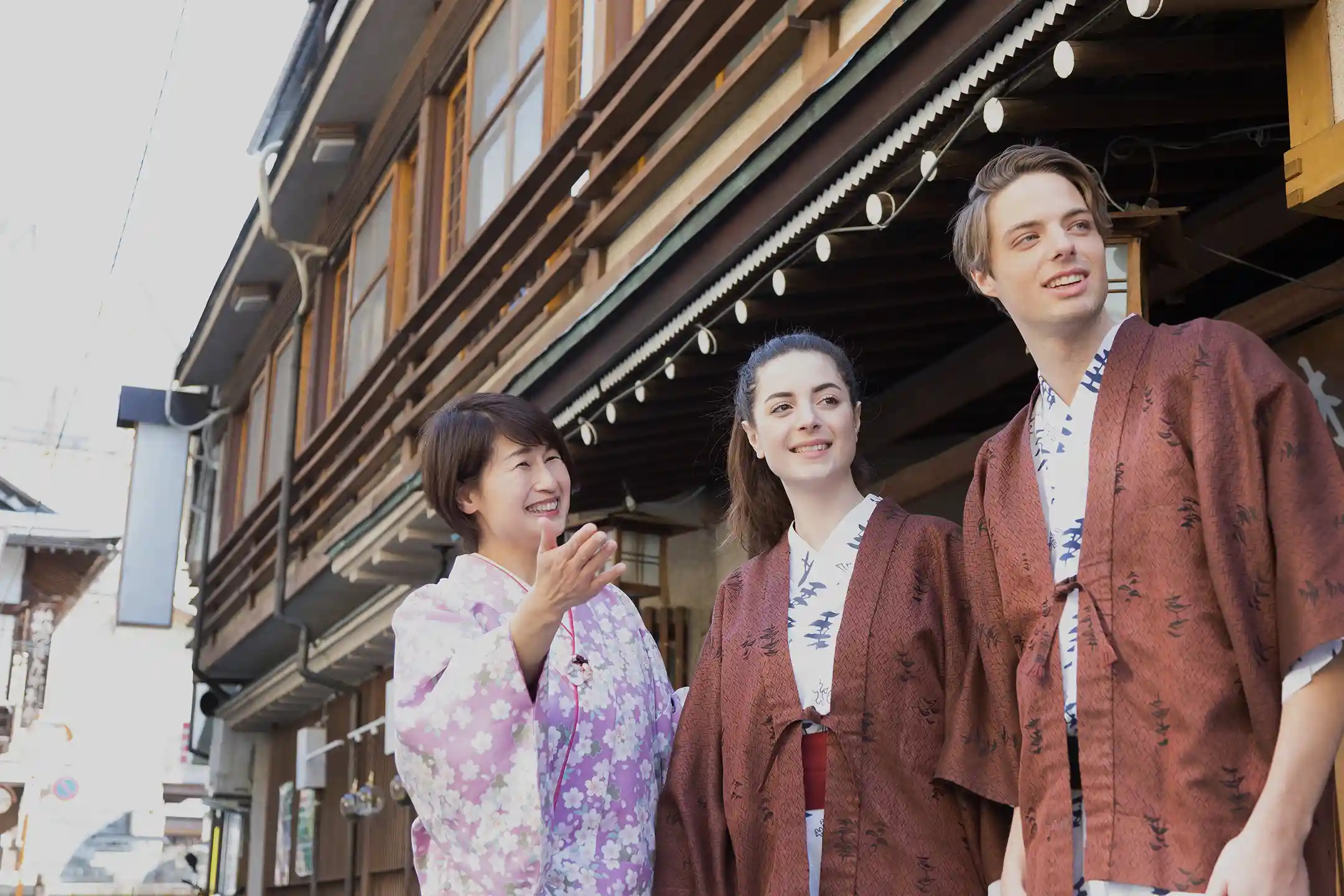
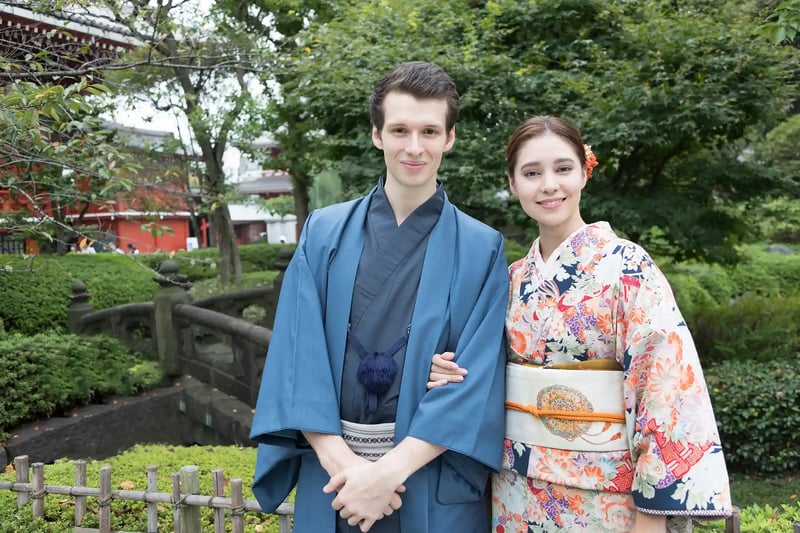
In a kimono experience, you may wear patterns reflecting the seasons, then stroll a Japanese garden or sit in a tatami room for photos — an encounter with Japan’s distinctive “aesthetics of coexisting with nature,” which emphasizes harmony with the seasons more than many Western clothing traditions do. Clothing isn’t just attire; it’s a way to wear culture, the season, and the atmosphere of a place — an idea that leaves a deep impression.
In tea ceremony, the ma between host and guest and each element of etiquette embody Japanese ways of relating. While Western contexts often prioritize individual freedom and directness, tea celebrates “restraint” and “consideration,” inviting you to notice a different value system.
In calligraphy, the movement of the brush and the form of kanji reveal writing not as mere information but as expression where beauty and meaning are one. Quality standards for such programs are advancing nationwide as part of the Japan Tourism Agency’s experiential tourism initiatives, making them an important way for international travelers to get closer to cultural essence (*1).
Encounters with Local Artists and Cultural Figures
To understand culture deeply, it’s essential to meet the people who make it. Increasingly, especially in traditional hotels in Tokyo and Kyoto, properties host local craftspeople, artists, and researchers for guest exchanges.
Workshops with potters or washi papermakers, for example, go beyond how to use tools. You hear the thinking behind the craft, the work of passing down techniques, and what it means to face materials — stories that extend beyond the finished piece. Like a European salon, it’s a place where intellectual dialogue and sensibility intersect.
Such efforts reframe works from things to “display” or “own” into practices that “breathe as someone’s life.” In other words, you’re not just “viewing art,” you’re feeling “living culture.” These activities dovetail with the Agency for Cultural Affairs’ push to leverage regional cultural resources in tourism, amplifying not only economic effects but the social significance of preserving and evolving culture (*2).
The Appeal of Traditional Hotels as “Places to Learn by Staying”
In Europe, travel once served explicitly to cultivate young people — the Grand Tour. In a similar spirit, Japan’s traditional hotels offer a contemporary shape of the “journey of knowledge.”
Many properties maintain libraries on literature, poetry, and crafts; guest rooms display local ceramics or calligraphy so you can soak in culture through all five senses. Some hotels offer “culture stay” plans — multi-day courses — for those who want to go deeper than a quick, surface visit.
Crucially, these stays aren’t designed as a performance of “Japan-ness,” but as spaces where culture-bearers and travelers learn from each other. A traditional hotel isn’t a museum preserving the past; it’s a present-tense space where culture lives on — opening possibilities for learning and meeting.
Spaces That Speak — Aesthetics and Hospitality in Tokyo’s Traditional Hotels
Walk into a traditional hotel in Tokyo and you feel a comfort that’s hard to put into words. Materials, light, sound, and scent — all tuned to Japanese aesthetics and the subtlest consideration — form a space that tells the philosophy of omotenashi without speaking.
Where Western luxury hotels often emphasize opulence and the extraordinary, Japanese traditional hotels value quiet beauty and harmony. Even in the city center, time loosens — because these “speaking spaces” offer deep calm.
Natural Materials and Quiet Design — Spaces Gentle to the Senses
Traditional hotels make generous use of natural materials like hinoki cypress, cedar, plaster, and washi. The fragrance of hinoki relaxes body and mind (*1), and sound-absorbing structures maintain indoor quiet. This quiet also stages the Japanese sensibilities of ma and blank space.
Soft light through shoji creates shadow, inviting your attention to turn inward. Even unobtrusive elements like light and sound are part of thoughtful hospitality.

Understated Luxury — The True Value of “Japanese-Style Omotenashi”
Luxury in Japan’s traditional hotels isn’t about flash or brand force; it lives in the quality of unforced attentiveness. Lighting is adjusted to suit check-in time; chairs are placed to frame the garden at just the right angle. Care reaches the smallest details.
Japanese hospitality esteems action over words and intuition over explanation — a quiet presence by your side. Different from the friendly directness common in Western hospitality, the experience of “comfort without being told” feels fresh to many visitors. Japan Tourism Agency surveys indicate that this cultural value heightens satisfaction for international travelers and encourages return visits (*2).
Showcases of Refined Contemporary Wa Design
In Ginza and Omotesandō, more properties fuse tradition with contemporary sensibility. Spaces use Ryūkyū tatami, diatomaceous earth plaster, and latticework timber, with indirect lighting to shape shadow — a modern translation of the aesthetic in In Praise of Shadows.
Chairs by Hida woodworkers and mingei pottery turn daily use into cultural experience. International recognition follows: Aman Tokyo, for example, is often praised as a leading work in fusing tradition with modernism (*3).
Sustainable × Tradition — Tokyo’s Hotel Culture with an Eye on the Future
Traditional hotels in Tokyo are no longer only places to preserve and pass on culture. Facing climate change and resource challenges, many are evolving as spaces that merge “sustainability” and “Japanese traditional beauty.” The result is design that coexists with nature, uses reusable materials, and even rethinks how you spend your time. This is hospitality that proposes an experience of caring for the planet and yourself.
Reclaimed Materials and Natural Energy — Architecture in Quiet Harmony with the Environment
Some traditional hotels build environmental consideration into the architecture itself. In townhouse reconstructions, reusing old timber is on the rise. It reduces CO₂ emissions compared to milling new wood and adds patina and narrative depth to the space.
More properties are also installing solar panels and adopting geothermal climate systems, aligning with Tokyo Metropolitan Government’s “Zero Emission Tokyo” strategy. In some cases, rooftop solar covers power for common areas (*2).
Interior finishes like plaster walls and washi wallpapers do more than decorate: these natural materials regulate humidity and insulate, delivering comfort with energy efficiency — beauty that’s also sustainable (*1).
A “Forest Standing in the City” — Spaces Where Culture and Nature Coexist
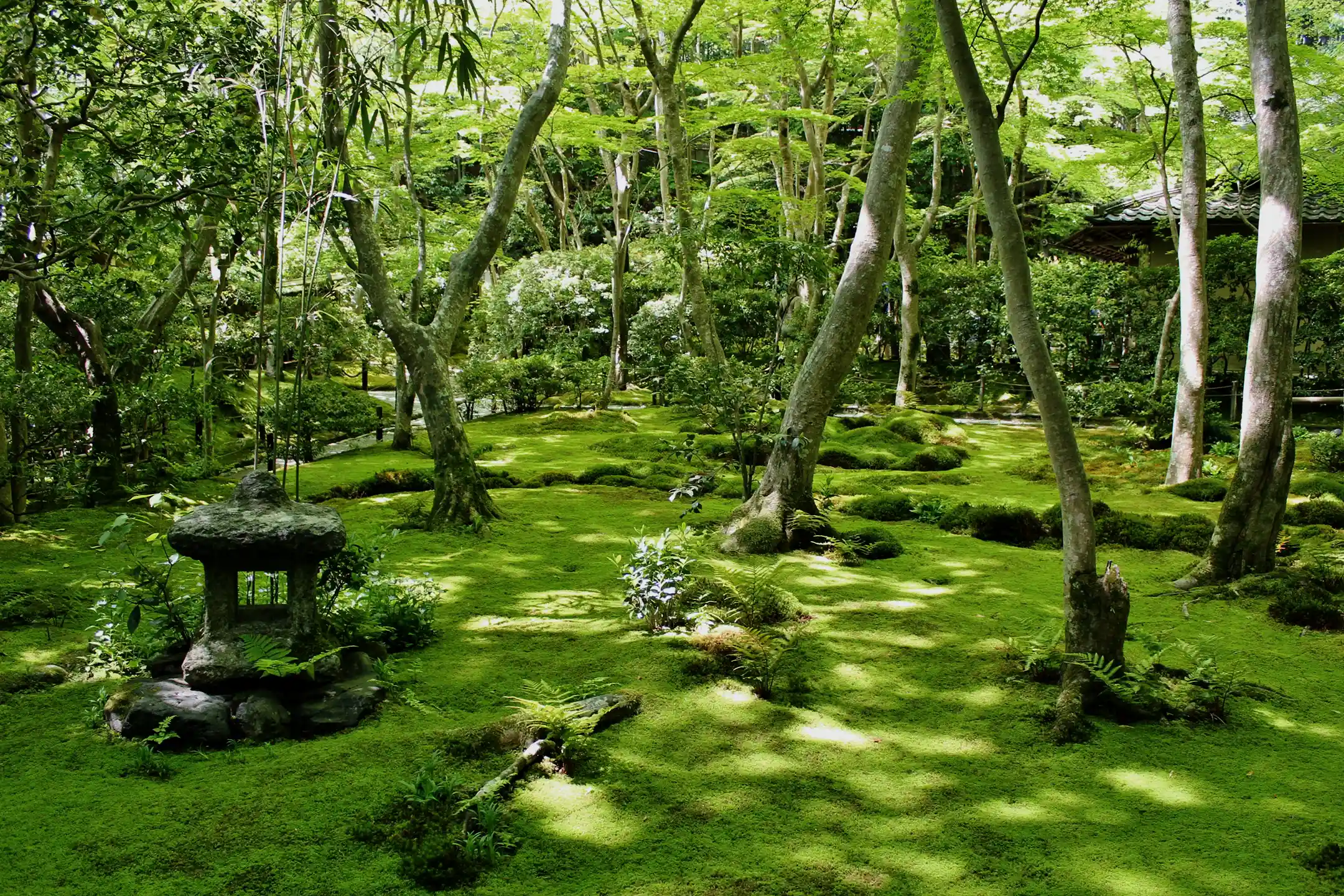
Hotel Chinzanso Tokyo exemplifies urban coexistence with nature. Its grounds hold a vast Japanese garden of roughly 20,000 tsubo (about 66,000 m²). The garden softens heat-island effects, absorbs CO₂, and supports biodiversity — a “small forest in the city.”
Guests join seasonal nature programs, meeting plants and insects to learn, through experience, about biodiversity and living with nature. More than eco-activity, it reflects a long-held Japanese view that nature is sacred and to be honored in daily life.
Architecturally, traditional motifs like tiled roofs and lattice doors blend with contemporary planning to pass on culture with elegance. These spaces symbolize a distinctly “Tokyo” sustainable design where environmental care and aesthetic sense reinforce each other (*3).
A Future Held in Tradition — Japan’s Distinct Hospitality Philosophy
While many sustainable hotels in the West emphasize cutting-edge technology and efficiency, Japan’s traditional hotels suggest that clues to a sustainable future lie in harmony with nature and a beautiful bearing. That stance may be the heart of Japan’s sustainable hospitality.
Where to Stay in Tokyo — 6 Traditional Hotels Alive with Heritage [Culture, Architecture, Nature]
When you think “Tokyo hotels,” you might picture high-rises and cutting-edge luxury. Yet within the city’s bustle, quiet places wait where you can savor culture with all five senses.
Here are six traditional hotels where “staying itself becomes the journey,” selected through the lenses of cultural experience, architecture, and coexistence with nature. You’ll meet depths of Japan that surface sightseeing can’t reach.
- Imperial Hotel, Tokyo — The Source of Japanese-Style Hospitality
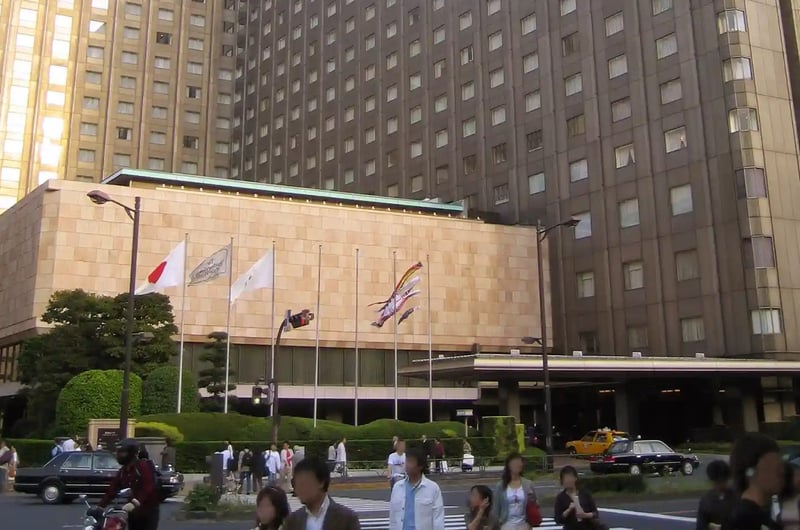
Founded in 1890 (Meiji 23), the Imperial Hotel has welcomed dignitaries from Japan and abroad. Though Frank Lloyd Wright’s former main building no longer stands, its spirit and aesthetics live on in service and spatial design. Tea rooms and Japanese dining lend a calm air to grandeur. If “restraint” is a Japanese virtue, you’ll feel it here as hospitality with quiet precision. - HOSHINOYA Tokyo — An Urban Inn that Stacks the Spirit of Edo Vertically
Set within Otemachi Tower, this ryokan reconstructs Japan’s essence in the vertical. Tatami, lattice, and washi warm a modern frame. Every floor’s “Ochanoma Lounge” encourages easy conversation, and you can join seasonal observances. It’s a place where you sense a culture that prizes ma and “together,” not only the individual. - Hotel Chinzanso Tokyo — Wrapped in Forest and Mist
Surrounded by a roughly 66,000 m² Japanese garden, the hotel becomes otherworldly at dawn and dusk when artificial mist drifts through the trees. It’s astonishingly quiet for the city center — a place where your mind gently unknots. Tea rooms and hands-on programs invite a moment where nature and spiritual culture resonate. - Hotel Niwa Tokyo — A Tranquil Hideaway That Tends to the Senses
Near Suidōbashi Station, this mid-sized hotel pairs wa-modern design with natural materials. Courtyards and a reading lounge help you forget the day’s noise. Here, “having nothing” turns into a luxury, and you may notice how this differs from the common Western impulse to fill space. - Hotel Ryumeikan Tokyo — Carrying Wa into the Present
With more than 140 years of history and a walkable location from Tokyo Station, Ryumeikan holds the heart of a Japanese ryokan. Tatami and shoji feel somehow familiar; care shows in Japanese tea and locally sourced amenities. Tradition isn’t a step back — it’s something to apply to today. This hotel embodies that philosophy.
Tokyo’s traditional hotels are more than destinations; they’re places to converse with culture. By touching an aesthetic that favors quiet and blank space over display, you notice how different cultures frame beauty.
Choosing Tokyo’s Traditional Inns — Cultural Experiences that Lead to the Future
Travel is more than moving or sightseeing; it’s a chance to meet different values and ways of life. In a city where the ultra-modern sits beside deep history, staying at a traditional inn can feel like touching culture itself — far beyond a place to sleep.
Western hotel culture often spotlights “function” and “efficiency,” though many luxury properties worldwide now emphasize the value of experience. In Japan’s traditional stays, you feel the weight on ma, atmosphere, and the “margin” in hospitality — a vivid encounter with a distinct spirit.
Here’s why staying at a traditional Tokyo inn lingers in you as an intellectual, cultural journey — and how it can help safeguard future value.
Stays as Intellectual Education — Experiences of Knowledge
In Western thinking, “to know” often means “to acquire information.” In Japan’s traditional inns, the core of learning is “to feel.” Soft light through shoji, the fragrance of tatami, seasonal arrangements — these are forms of knowledge your body receives.
In a way, staying becomes like “reading a book with your body.” Each room is a chapter of culture. As time passes, the values of Japanese aesthetics and the importance of ma seep into you as lived experience. Tea, calligraphy, and washoku programs bridge knowledge and sensation — a shape of living education no guidebook can deliver.
Rediscovering Local Culture in a Global Age
Globalization makes spaces and services look and feel similar everywhere. Against that backdrop, “what you can only find here” grows more precious.
Tokyo’s traditional inns are a prime example of local, one-and-only value. The handiwork of local craftspeople, cuisine shaped by the season, and architectural details that hold the city’s memory — together they let you feel the fine grain of place. While Western cultures often elevate individualism and independence, Japanese inns emphasize relationship and the quality of shared time. Through conversations with staff, you touch what it means to live in harmony with others.
For international travelers, that becomes a vivid memory of “Tokyo-ness”; for Japanese guests, it offers a chance to rediscover their own aesthetic heritage.
Leaving Something for the Next Generation — Preserving Tradition by Staying
Traditional architecture and artisanal skills are cultural assets — and fragile without daily care and economic support. The idea of “preserving by staying” resonates with Western ecotourism and heritage conservation, too.
Many traditional inns prioritize coexistence with their communities, using natural materials and running with environmental care. Rather than ostentation, they revere the “richness within simplicity,” aligning with ideals of sustainable tourism.
Culture is preserved by being used. When you stay, you support maintenance, training, and transmission so that these practices reach the next generation. It’s not mere consumption — it’s a gift toward the future, with you taking part in carrying culture forward.
In a time when the value of travel is decided less by “where you stay” than by “how you stay,” Tokyo’s traditional inns become places to savor culture, question it, and pass it on. If you choose with an eye to how your journey contributes to the world’s diversity and the respect it deserves, new doors open.
Summary
-1.png)
When one story opens onto many
This article followed a single thread through the city. The Tokyo for Two Digital Guide draws those threads together — the intimate stays, the unhurried celebrations, the small details that make a milestone feel entirely your own — into a broader, more connected understanding. A quieter, fuller way to imagine a stay made for two.

Choosing a traditional hotel in Tokyo means more than a “comfortable stay”; it’s an intellectually engaging encounter with culture itself. Shoji-filtered light, the scent of tatami, and programs in tea and calligraphy let you feel Japan’s sensibilities — ma and “understated richness” — firsthand.
Architectural beauty, seen in icons like the Imperial Hotel and HOSHINOYA Tokyo, tells a story where Western rationality and Japanese ambiguity meet — a history of cultural exchange, etched in space. Efforts such as reviving old townhouses, using local ingredients, and proposing unplugged stays are sustainable practices that help hand culture to future generations.
Where Western hotels often emphasize dazzle and efficiency, Japan’s traditional inns honor quiet and blank space, guiding travel toward inner awareness. As the value of travel shifts from where to how, Tokyo’s traditional inns invite you to become a steward of culture — contributing to the world’s diversity through the way you choose to stay.
.webp)