.webp)
Japanese ryokan are far more than places to sleep; they are thoughtful, richly layered spaces where you can feel Japan’s history and culture with all your senses. Tatami-mat rooms, wooden architecture, and gardens that unfold like paintings help you step away from the noise of everyday life and settle into a calm, inspiring rhythm filled with learning and wonder.
The moment you cross the threshold, the spirit of omotenashi—attentive, quietly graceful hospitality—meets you. Seasonal décor and regional flavors set the tone, while art and traditional crafts surround you in a setting designed with the local climate and culture in mind.
Staying at a ryokan is, in essence, an intelligent journey into daily life and culture in Japan—an immersion from the inside out. In this article, you will explore the appeal of culturally rich, artistically minded ryokan from venerable, centuries-old establishments to contemporary design-forward stays.
An Intelligent Journey into the Culture and History of Japanese Ryokan
Across Japan, long-established ryokan still carry forward the architecture, gardens, and time-honored customs of hospitality that have been refined over hundreds of years. When you stay at one, you gain access to “living” Japanese history and culture—something books and museums alone can’t fully convey.
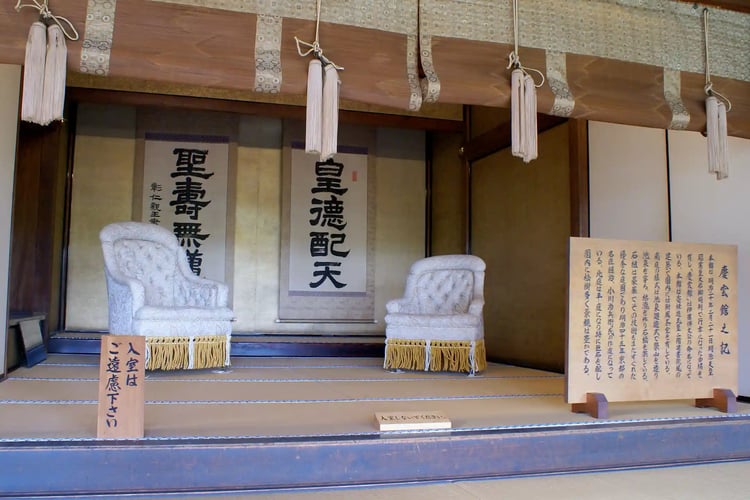
As you walk the corridors of a storied ryokan, you sense the breath of past eras in every pillar and beam; calligraphy, paintings, and furnishings hint at the cultural figures who once gathered there. Casual conversations with a proprietor or attendant—often deeply knowledgeable about local history—can open doors to regional traditions and little-known anecdotes, sparking your curiosity in unexpected ways.
To place yourself in these “historic rooms” is to experience a kind of time travel—an intellectual journey that everyday life simply doesn’t offer.
Feeling History and Refined Tradition at Long-Established Ryokan
Step into a ryokan that has protected its noren for centuries, and the first thing that strikes you is the gravity of its history and the beauty of its traditions. Properties founded 300 or 400 years ago are not uncommon; some even trace their origins back to the Nara period, spanning more than 1,300 years.
Take Nishiyama Onsen Keiunkan in Hayakawa, Yamanashi, for instance. Founded in A.D. 705 and passed down through more than 50 generations, it was certified by Guinness World Records in 2011 as “the oldest hotel in the world” (*1). Its hot spring has never ceased to flow since it first opened, and for over 1,300 years it has soothed travelers—including famous warlords and men of letters such as Tokugawa Ieyasu (*1).
At ryokan like these, the buildings themselves are often cultural assets. From beams and pillars to carved ranma transoms, you can still read the artisanship and aesthetic ideals of earlier times. In fact, among hot-spring ryokan with over a century of history, some wooden structures built with traditional techniques have been recognized as Registered Tangible Cultural Properties of Japan (*2).
The mellow sheen of wood burnished by age and the mossy stones of a garden path create a depth no new building can replicate. To place yourself in such spaces is to encounter the Japanese sense of beauty and view of nature as they have been cultivated over millennia—the essence of staying at a classic ryokan.
Close your eyes in a quiet, tatami-scented room and let your thoughts travel to the Edo or Meiji eras; you may find calm and insight that transcend time.
Touring Legendary Ryokan Loved by Writers and Artists
For generations, ryokan have served as sanctuaries and creative retreats for cultural figures. All over Japan, you’ll find renowned ryokan cherished by authors and artists—places that preserve stories and traces of their stays.
Natsume Sōseki, for example, lodged at Dōgo Onsen Funaya in Ehime Prefecture and placed the ryokan in the setting of his novel Botchan. Founded in the Edo period, this classic inn has nearly 390 years of history; a stone monument near the entrance bears a haiku Sōseki composed to celebrate his stay (*1). The ryokan was also a favorite of Masaoka Shiki and other Meiji men of letters; some guest rooms are designed with haiku motifs, allowing you to feel the breath of those literary lives (*1).
At Ochiairō in Amagi Yugashima, Izu (Shizuoka Prefecture), literary greats such as Tayama Katai, Shimazaki Tōson, Kawabata Yasunari, and Kitahara Hakushū made it their regular inn from the time of its founding in 1874 (*2). In the on-site “Reading Room,” you’ll find the authors’ books alongside retro toys, inviting you into a nostalgic world with the charm of Taishō-era romanticism (*2).
Ryokan like Seikiro in Miyazu, Kyoto Prefecture, display numerous sliding-door paintings and calligraphic works left behind by artists, offering you a museum-like experience. Founded in the Genroku era (late 17th century), Seikiro has welcomed not only literary and artistic figures such as Noguchi Ujō and Yoshikawa Eiji, but even statesman Yoshida Shigeru; many pieces of poetry and painting remain (*3).
Today, selected works are open to guests in an in-house viewing space, allowing you to appreciate cultural treasures from the comfort of your stay (*3). Visiting such storied inns lets you sleep in the rooms your favorite novelist or painter once chose, look out on the same garden, and sip tea in the very spot they did. It’s more than sightseeing—it’s a cultural re-enactment, a luxurious moment that satisfies your intellectual curiosity.
Traditional Architecture and Modern Design—Only at Japanese Ryokan
The architectural beauty of ryokan—where tradition and innovation meet—is irresistible if you love buildings and design. Many properties preserve elements of classical wooden construction and sukiya-zukuri while integrating contemporary comfort and a refined visual sensibility.
Natural materials characteristic of Japanese architecture blend seamlessly with modern furnishings and contemporary art, creating one-of-a-kind spaces where past and present seem to converse. The ryokan aesthetic prizes harmony with the surrounding landscape; everything from corridor layouts and window frames that “capture” seasonal scenery to lighting schemes and color palettes reflects a distinctly Japanese design philosophy.
When you surrender to these spaces, you feel at ease—cradled by tradition yet sharpened by modern sensibility. Below, let’s look at sukiya-zukuri, essential to ryokan architecture, and several cutting-edge designer ryokan with on-site art galleries.
Sukiya-zukuri Ryokan and the Japanese Sense of Beauty
Among Japan’s traditional architectural styles, sukiya-zukuri—often adopted in ryokan—stands out as a touchstone of Japanese aesthetics. Evolving from tearoom architecture from the Azuchi–Momoyama to Edo periods and said to have been perfected by Sen no Rikyū (*1), it departs from the formal opulence of shoin-zukuri in favor of a spare, refined sensibility beloved by tea practitioners.
A modest tokonoma alcove, natural log columns, and finely crafted ranma transoms embody the spirit of wabi-sabi at every turn.
At the celebrated Nishimuraya Honkan in Kinosaki Onsen, for example, master of sukiya architecture Masaya Hirata—known for projects like the famed restaurant Kichō—designed an annex with guest rooms that evoke a tearoom nestled in a bamboo grove (*1). In expansive special suites, you can admire the delicate interplay of carved transoms, the lattice of shōji screens, and the wood grain of polished pillars—as if standing inside a Japanese painting (*1).
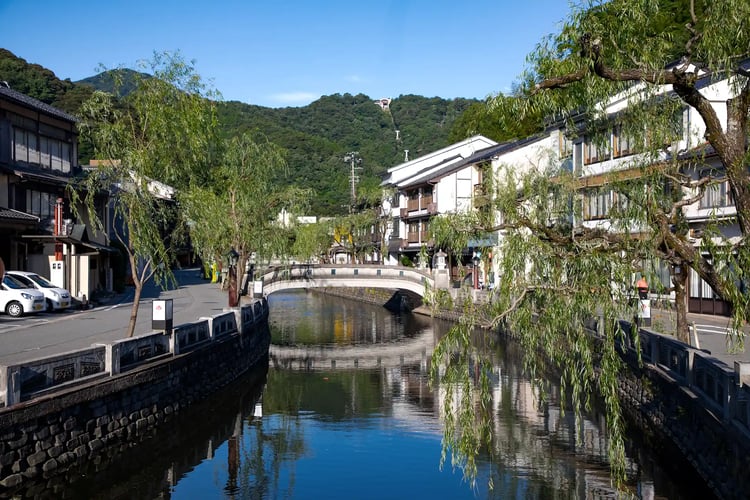
Soft natural light falls across sukiya-style rooms, and the garden’s seasonal scenes beyond the window wash the mind clean. Craftspeople capable of faithfully executing sukiya-zukuri are now few, making such buildings all the more precious; spending a night within them is itself a form of living art appreciation.
A space that finds quiet beauty in simplicity becomes a perfect primer on Japanese aesthetics—and a moment to contemplate its depth can heighten the intellectual allure of your journey.
Designer Ryokan with On-Site Art Galleries
In recent years, ryokan that foreground contemporary art and design have begun to emerge across Japan. Many host gallery spaces rivaling museums, or invite renowned architects and artists to shape rooms and public areas—turning your stay itself into an art-viewing experience.
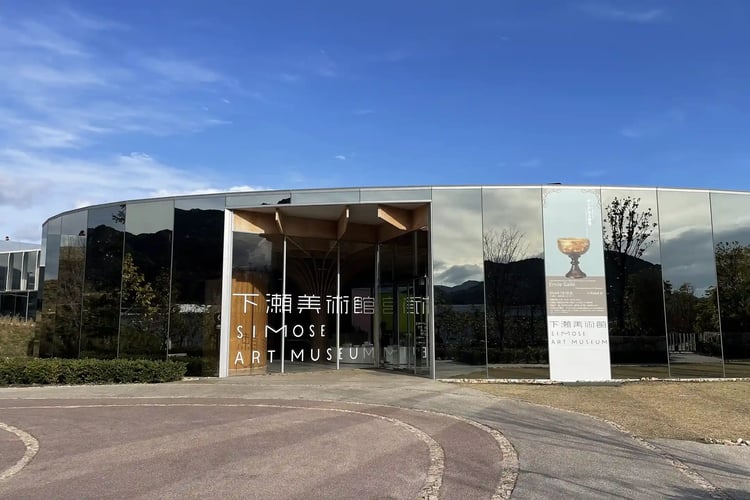
Opened in 2023 in Ōtake, Hiroshima, Simose Art Garden Villa is an art auberge with all ten villas designed by globally acclaimed architect Shigeru Ban. You’ll find striking structures—villas with glass walls and no interior partitions, or playful constructions using recycled paper tubes—set in dialogue with nature.
Next door, the Shimose Art Museum features movable galleries also designed by Ban, and displays Art Nouveau glass by Émile Gallé along with masterpieces of modern Western and Japanese art by Matisse, Chagall, Higashiyama Kaii, and others (*1). As a guest, you can enjoy these collections on an all-inclusive basis—pure bliss if you love art.
By contrast, Daikokuya at Itamuro Onsen in Nasu, Tochigi Prefecture, balances a 468-year heritage with a pioneering concept as “an inn for rest and art.” The property maintains museum and gallery spaces on-site, including a renovated-warehouse museum with roughly 300 works by contemporary artist Suga Kishio permanently on display (*2).
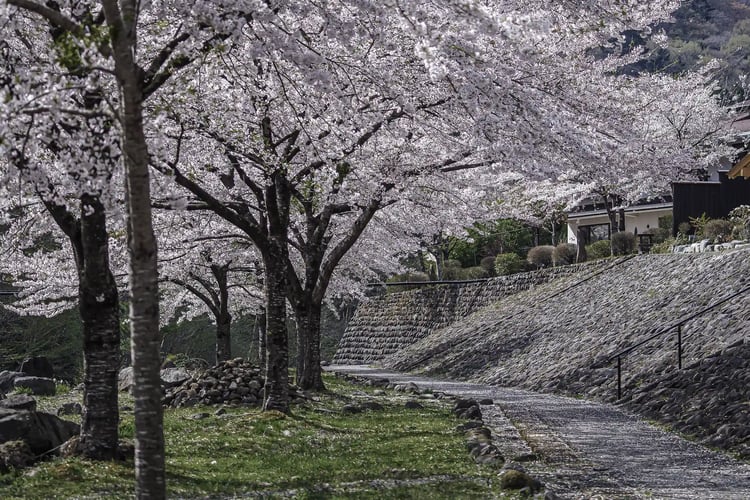
Monthly exhibitions in the ryokan’s salon showcase ceramics, crafts, and more—giving you direct access to the cutting edge without leaving your retreat (*2).
You’ll also find hotels like Shiroiya in Maebashi, Gunma, where a 300-year-old ryokan was transformed through a large-scale renovation and enlivened with works by world-class creators—spaces where tradition and avant-garde intersect to great acclaim.
Time at a designer ryokan is not just a night’s rest; it’s like stepping into an artwork. Surrounded by art, you hone your sensibilities, and the travel high deepens—your curiosity richly rewarded.
Immersive Stays for Local Art and Culture
Your ryokan stay gains new depth when it connects you with art and culture unique to the region. Many properties collaborate with local artists and craftspeople to host events and workshops that let you try traditional techniques first-hand.
In this way, the ryokan becomes not just a place to sleep but a stage for exchange between the community and travelers. Meeting artisans and creators face to face makes for unforgettable memories and a deeper understanding of local culture—and it also invites residents to re-examine and take pride in their own traditions.
Let’s look at artist meetups and craft workshops you can enjoy during a ryokan stay.
Meet-the-Artist Events with Local Creators
Why not join a relaxed event that brings you together with local makers and artists in the easygoing atmosphere of a ryokan? More and more properties invite craftspeople and creatives for mini concerts, exhibitions, and talks that welcome both guests and neighbors.
At Ōmuraya, a venerable ryokan in Ureshino Onsen, Saga, regular jazz performances, photo shows, and community-focused talk sessions turn the inn into a social salon for travelers and locals alike (*1).
Hoshino Resorts’ KAI brand of hot-spring ryokan offers a program called “Tewaza no Hitotoki,” inviting artisans who carry on local traditions to demonstrate their techniques up close and lead intimate, hands-on making sessions (*2).
From live lacquering by Wajima-nuri masters to sake tastings with brewers, you’ll encounter professional skills and knowledge directly. Small-group formats encourage conversation, so you can delve into a craftsperson’s life and the culture that shapes their work.
Join events like these, and your stay becomes more than sightseeing—it feels like stepping into the region’s creative community. You’ll be moved by local passion; they, in turn, draw energy from sharing their culture. For an inquisitive traveler, meeting artists at a ryokan may well become the highlight of your trip.
Ryokan Offering Traditional Craft Workshops and Cultural Lessons
If you’re drawn to Japanese traditions, ryokan that host hands-on programs are ideal. Many now offer workshops and cultural classes exclusively for guests.
At Beniya Mukayu, a luxury ryokan in Yamashiro Onsen, Kaga, you can book private lessons in carving a bamboo chashaku (tea scoop), making wagashi confections, or crafting herbal sachets. In the chashaku workshop, you select your bamboo and carve it yourself—from start to finish—and then whisk and savor tea using your freshly made scoop (*1).
A distinctive experience called “Flower Play” invites you to stroll the garden with the proprietress or staff, gather wild blossoms, and arrange them in a vessel yourself. Rooted in the spirit of chabana, this free-form approach embraces flowers as they are, revealing the unforced charm of Japanese floral arts (*1).
Through programs like these, you encounter the essence of tea ceremony and flower arrangement—as well as sweets-making—while staying in comfort. Ryokan around Kyoto and the Tokyo area also host easy-to-join cultural sessions during your visit: a short morning lesson in whisking matcha in a tatami room, or evening demonstrations of calligraphy and ikebana in a lounge.
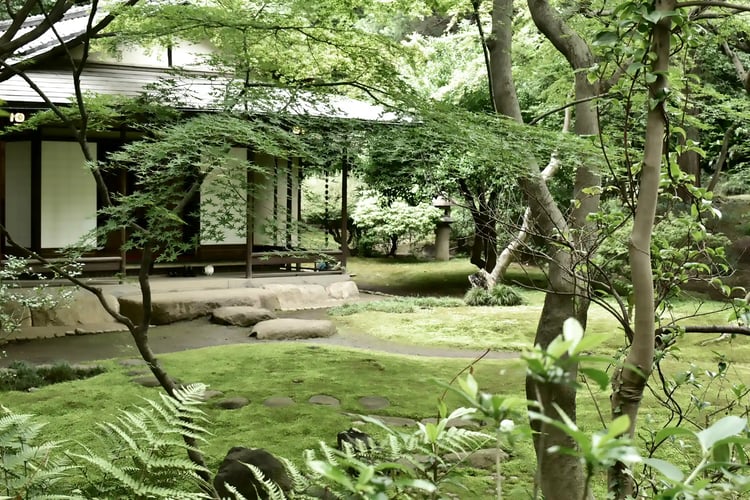
When workshops are available on-site, you can take home a piece you created—and more importantly, you learn by doing, so insights linger. Experiences in tea, calligraphy, kimono dressing, and other traditions set ryokan apart from hotels (*2). They satisfy your curiosity and foster affection for the culture of the place you visit—one reason these immersive stays are drawing attention now.
Uniquely Enriching Initiatives that Spark Curiosity
While preserving tradition, ryokan also experiment with new ways to deepen your stay. Programs designed to turn a night’s lodging into a journey of discovery are perfect if you love to learn.
Some properties create libraries stocked with local histories and art books, or host mini-seminars with invited experts. At one venerable inn, for example, guests joined a talk session on local tourism development—an event that sparked lively discussion (as mentioned earlier, the talk events at Ureshino Onsen Ōmuraya, etc.).
Other ryokan offer guided architectural tours of their historic premises, with owners themselves explaining the building’s design and collection—like receiving a curator’s tour in a private museum.
In the evolving concept of “stakeholder tourism,” ryokan connect organically with local communities and travelers to pursue sustainable tourism that benefits everyone (*1). In this approach, guests and residents join inns and travel companies in a shared circle—supporting the regional economy, daily life, and natural environment—so that all three smile together (*1).
Guided by this vision, Nagato Yumoto Onsen in Yamaguchi Prefecture has pursued public–private revivals of the entire hot-spring town, with ryokan renovations integrated into broader community development (*2).
With the awareness that your stay can help sustain local economies and cultural heritage, your trip takes on added meaning. Ryokan that champion such initiatives become small academies in their own right—places where what you learn colors daily life long after you return home.
The Meaning and Appeal of Tea Ceremony and Flower Arrangement at a Ryokan
Some ryokan invite you to experience tea ceremony (sadō) or flower arrangement (kadō/ikebana) during your stay—precious chances to encounter the heart of Japanese culture. Practices that may seem intricate at first become approachable when you learn in a relaxed setting.
At the aforementioned Beniya Mukayu, the host personally serves a bowl of thin tea in a seated, table-style tea gathering before dinner every evening (*1). Held in a study-like library, the tea is accompanied by easy conversation; receiving a carefully whisked bowl lets you feel the attentiveness behind each gesture—and naturally grasp the spirit of ichigo ichie, “one time, one meeting.”
“Flower Play” there involves walking the garden with the proprietress or staff to pick blossoms and arrange them yourself—free from rigid forms. Through it, you experience how ikebana honors the life within each stem.
These programs are ideal for learning, through action, the aesthetic and spiritual underpinnings of Japanese culture. As you practice the steps with guidance, you notice nuances that aren’t visible when you only watch—meanings embedded in etiquette and the beauty of movement.
In a single bowl of tea, you begin to taste the season and the host’s mindfulness; in one branch, you sense reverence for nature and a desire for harmony. A tea or flower-arranging experience at a ryokan is more than an activity—it’s a dialogue with Japanese aesthetics, and a chance to deepen your cultural literacy.
Cultural Seminars that Let You Learn in Depth Through Your Stay
For an even more structured understanding, some ryokan organize seminars and lectures on Japanese culture—evidence that inns are beginning to serve as cultural hubs.
One hot-spring ryokan, for instance, regularly hosts evening talks by specialists on local history and culture, open to staying guests. Another offers guided tours by an in-house curator who explains artworks in the gallery—participants often remark that it feels like taking an art class.
Common to these efforts is a redefinition of ryokan as places to gain new knowledge, not merely to rest. Government studies have also noted that the ability to experience regional culture through ryokan stays adds significant value for travelers (*1). At the same time, inns are asked to delve deeper into local cultural resources and share them through the guest experience (*1).
Aligned with Hoshino Resorts’ stakeholder-tourism philosophy, the idea is that experiences at your destination cultivate affection for regional assets and the will to protect them—leading to more sustainable ways of living (as noted under *1 regarding educational effects).
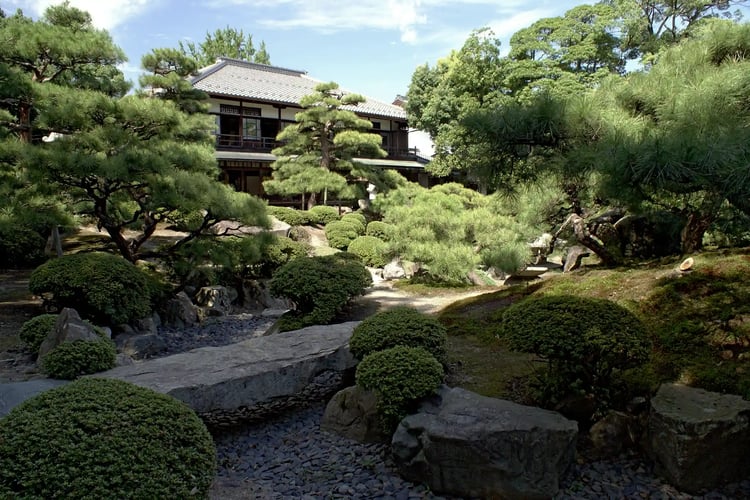
Cultural seminars at ryokan thus satisfy curiosity while encouraging participants to become future supporters and advocates of local culture. Listening to a talk in a tatami room with a tokonoma alcove or by a hearth leaves a different, more intimate impression than a lecture hall. In a ryokan evening where learning and relaxation harmonize, knowledge enriches the heart and draws you closer to the place itself—an unforgettable gift for anyone seeking a thoughtful journey.
Japanese Ryokan Advancing Sustainable Practices
As interest in sustainable travel grows worldwide, high-end ryokan in Japan are embracing environmental and social initiatives. Historically, ryokan have existed in close dialogue with their surroundings; today, they carry that spirit forward with new technologies and ideas to reduce impact and enhance sustainability.
On the energy front, many use hot-spring heat for space heating and hot water, and some have introduced solar power or biomass boilers. Others build or renovate with local timber and traditional methods to harmonize with the environment and extend the building’s lifespan.
In the kitchen, a deep commitment to local sourcing reduces food miles; menus minimize waste, and some properties compost leftovers to create fertilizer for nearby farms—closing the loop.
At sustainable ryokan, your stay contributes to environmental and social well-being—delivering both a high-quality experience and a sense of doing good. Here are concrete examples of eco-conscious facilities and the roles ryokan play in their communities.
Concrete Examples of Environmentally Mindful Facilities
The ryokan’s long-held wisdom of living with nature now pairs elegantly with modern green technology.
Many hot-spring inns harness geothermal heat as a renewable resource, but Keiunkan in Yamanashi is an exceptional case. The entire property’s hot water and heating rely on its 52°C source spring—no boilers at all.
Even the water from guestroom showers and taps is the spring itself—unblended, unheated, and potable—an extremely rare approach in Japan. Using spring heat to warm the building and supply domestic water drastically cuts fossil-fuel use while making the most of a natural gift.
Elsewhere, mountain auberges deploy ground-source systems to trim cooling and heating loads; seaside resorts purify seawater into freshwater to reduce plastic bottles; and large resorts in Okinawa compost food scraps and reuse the fertilizer to grow vegetables served on site (*1). By sourcing ingredients and energy within a few kilometers and cycling outputs back into local resources, these bold models can lighten environmental impact while invigorating regional agriculture (*1).
Many ryokan also work to reduce plastic waste—adopting bamboo or washi amenities, installing refillable containers instead of single-use bottles, and switching from disposable slippers to washable fabric pairs. On electricity, they choose renewable sources or generate their own—steady steps toward decarbonization.
All of this shows how ryokan aim to deliver comfort and indulgence while honoring their responsibility to the planet. Time spent at such properties invites you to reflect on sustainability—and lends deeper meaning to your stay.
Cuisine, Hot Springs, and Amenities that Elevate a Refined Lifestyle
Even for those who live with a sense of refinement, time at a luxury ryokan brings new color and discovery. Expect seasonal kaiseki cuisine, tableware and settings that frame each dish beautifully, soothing hot springs, and thoughtful amenities.
Every detail of the décor and service reflects a distinctly Japanese commitment to quality—creating a space that feels at once comfortably familiar and gently extraordinary. Seasonal presentation and shitsurai (room styling) heighten the joy of the moment, so each visit feels fresh.
Interiors that balance comfort with tradition—and finely made furnishings and amenities you’ll want to touch—resonate with anyone who appreciates good design. At a ryokan, the food, the baths, and the space itself become inspirations that lift your daily life a notch even after you return home.
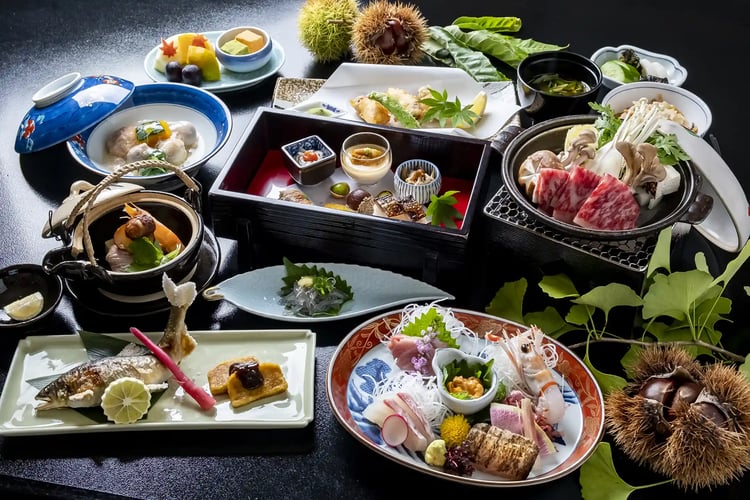
Seasonal Kaiseki and Special Dining Settings
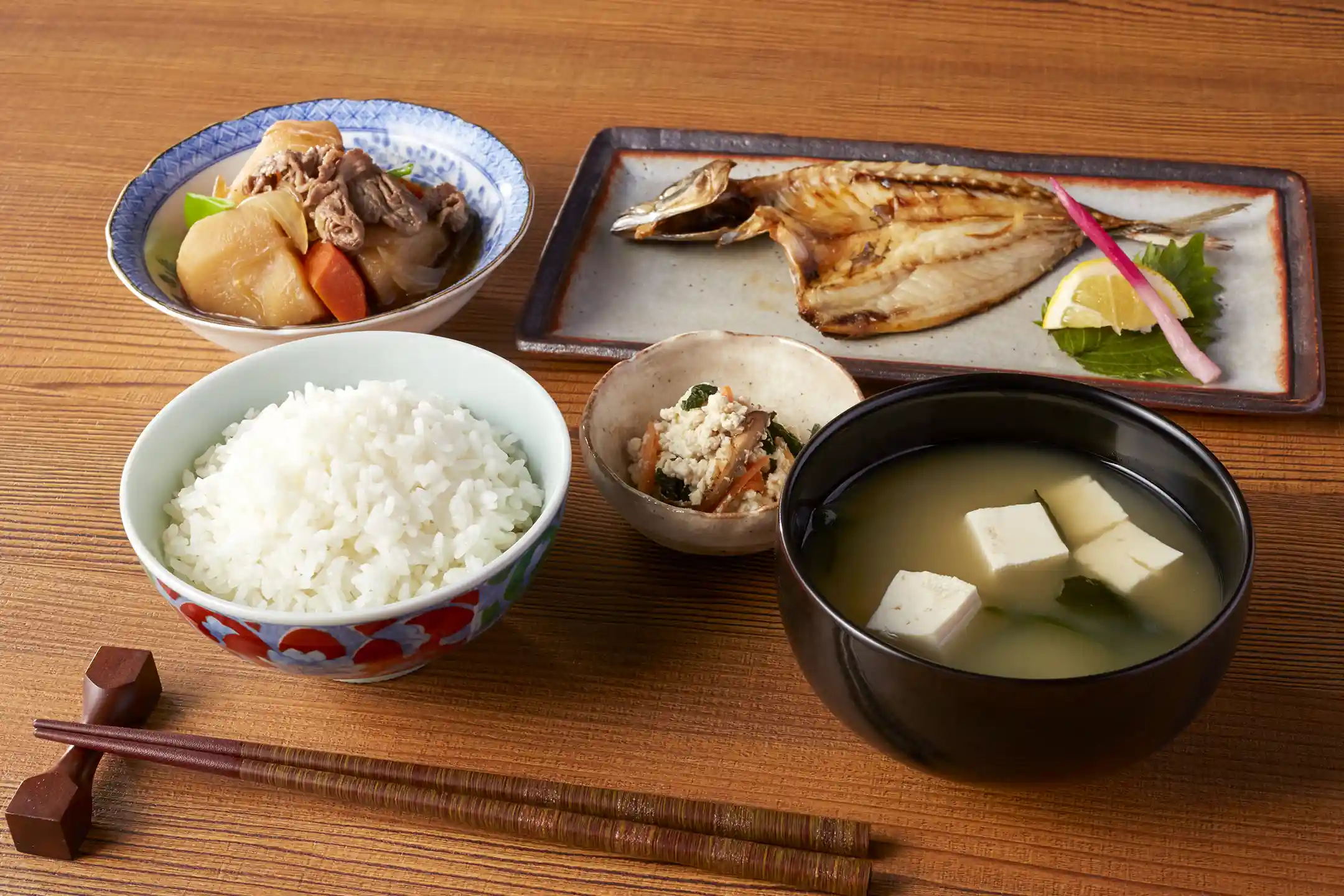
Nothing says “ryokan dining” quite like kaiseki: a full-course expression of the season through Japanese cuisine. Drawing richly on mountain and sea, each dish is plated like a small work of art—letting you taste and see the region’s four seasons at once.
In spring, perhaps a delicate starter sprinkled with cherry petals or young bamboo shoots; in summer, salt-grilled sweetfish or a clear soup with pike conger presented in cool glass; in autumn, fragrant matsutake with a touch of crimson leaves; in winter, warm turnip steamed in white bowls that echo the hush of snow. Each course carries color and story.
“Washoku,” traditional Japanese dietary culture, was inscribed by UNESCO as Intangible Cultural Heritage in 2013 for values such as respect for seasonal nature and nutritional balance (*1). Kaiseki distills the spirit of washoku, embodying reverence and gratitude in the rhythm of soup and three side dishes.
At top ryokan, the head chef may visit the market at dawn to build the day’s menu around the finest ingredients. Reading the menu, you’ll notice local produce and hints of regional cuisine—so every bite becomes a window into place.
Dining settings are a pleasure in their own right. While dinner is often served in your room, higher-end inns may offer private dining pavilions or scenic restaurants (*2).
Imagine savoring kaiseki in a teahouse-style dining room that opens to a garden view; the scene outside resonates with the food, and you feel as if you’ve stepped into the season itself. Lighting and tableware are carefully considered so colors appear at their best.
Quiet, private rooms—another ryokan hallmark—let you focus on conversation and flavor without distraction, making time with loved ones even more intimate.
Enjoy local sake while chatting with the hostess or server about the provenance of a dish or an ingredient. Understanding deepens enjoyment. In this way, kaiseki and the crafted dining environment become a total art form—an experience for all five senses that lingers long after the last course.