
At a time when the value of travel is shifting from “what you saw” to “what you touched and how you were changed,” an onsen ryokan can become a place where “the stay itself is a field site for cultural study.” The feel of tatami beneath your feet, the soft light filtering through shoji screens, the scent of wood and earth rising beyond the steam.
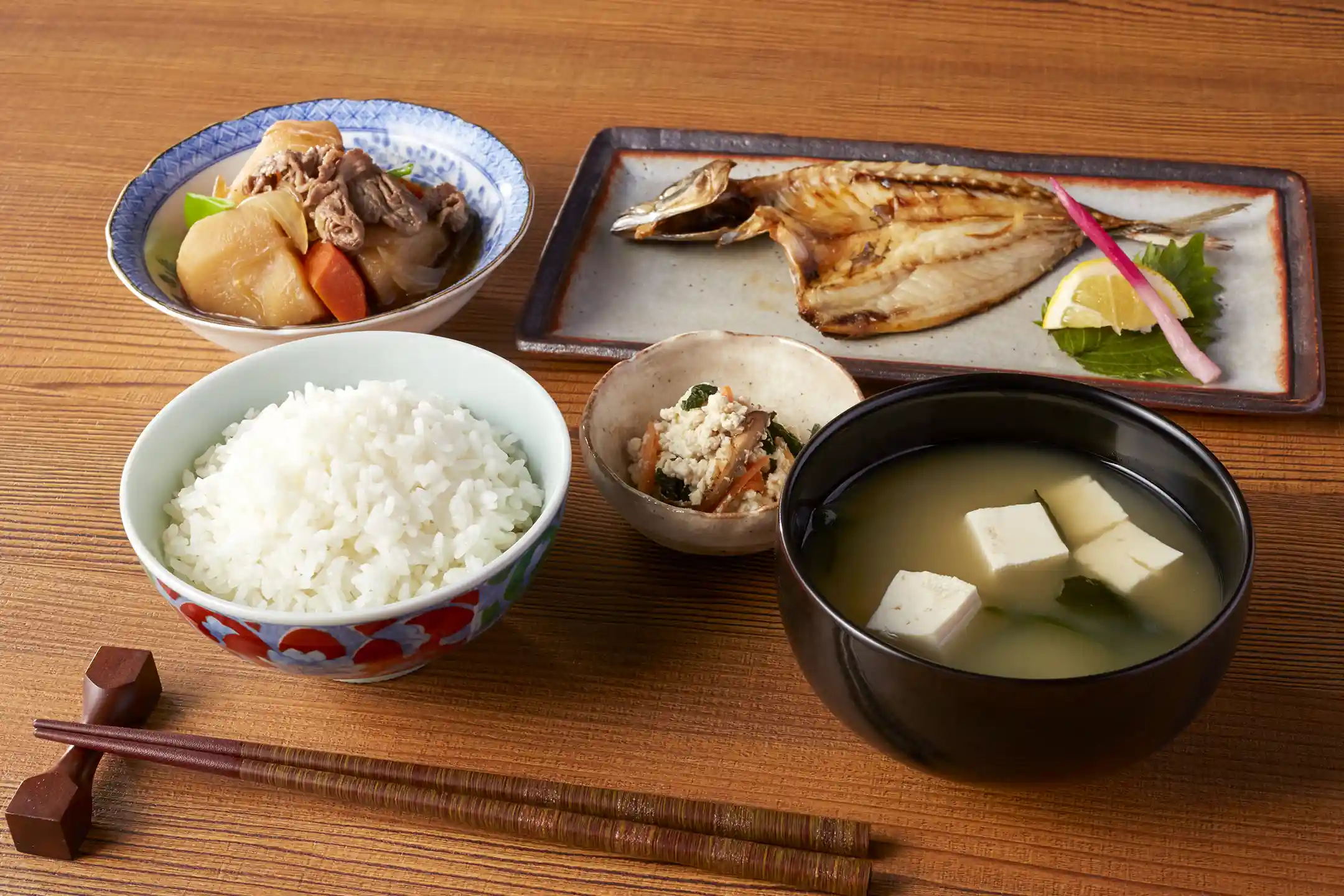
When that is joined by kaiseki (a multi-course meal that translates the seasons onto the plate) and programs that connect you with local artisans and makers, a stay quickly becomes an “intellectual experience.”
In this article, while covering the history of onsen and basic scientific safety guidance (with simple explanations for first-time visitors), we suggest ways to enjoy onsen ryokan in the Tokyo, Kyoto, Hakone, and Kanazawa areas where you can immerse yourself deeply in culture and aesthetic sensibility.
The Appeal of Cultural Experiences at Japanese Onsen Ryokan
The appeal of an onsen ryokan goes far beyond “hot springs + accommodation.” If Western hotels have refined “individual comfort,” ryokan have cultivated a holistic experience of space, etiquette, and cuisine as a “microcosm of everyday culture.” The Japan Ryokan Association describes a ryokan as “lodging where Japan’s traditional culture resides,” and notes that even the moments of uncertainty a first-time guest may feel can deepen the impression a stay leaves on your journey (*1).
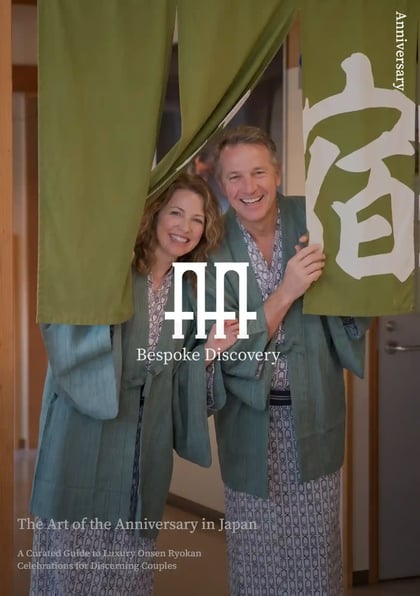
JNTO likewise introduces tatami rooms, kaiseki cuisine, and yukata (a light Japanese garment worn within the property) as the core of the ryokan experience (*2).

The Aesthetics of Japanese Architecture and Traditional Craftsmanship Found in Onsen Ryokan
The first thing you notice when you step into a ryokan room is often the springy feel of tatami underfoot. Tatami is a traditional flooring material made by assembling a straw base and a woven rush covering, then finishing it with fabric edging, and it requires highly skilled craftsmanship, with dimensions measured and adjusted for each individual room (*3).
The washi used in shoji screens is handmade from fibers such as kozo (paper mulberry), and as a device that “softly diffuses light indoors,” it has long supported Japanese homes alongside paintings, calligraphy, and architectural fittings (*4).
Behind these materials and techniques lies an entire system of skills—plastering, joinery, lacquerwork, thatching, and more—needed to preserve wooden architecture, and UNESCO has also inscribed “traditional skills, techniques and knowledge for the conservation and transmission of wooden architecture” as Intangible Cultural Heritage (*5).
A ryokan is where those techniques remain alive on the scale of everyday living. The subtle chamfer of a pillar, the stones along the path to the bathhouse, the quiet space of a tokonoma (an alcove for a hanging scroll or flowers)—their stillness speaks to you of a “matured aesthetic” that is distinct from sheer opulence.
.webp?width=750&height=500&name=Open-Air%20Hot%20Spring%20Bath%20(Rotenburo).webp)
Art Workshops and Guided Tours That Let You Experience Regional Culture
On a high-value journey, what stays with you most is often not simply “seeing,” but experiences where you make, listen, and ask questions. In recent years, more ryokan have begun working with local artisans and artists to offer workshops where you can learn not only the finished craft, but also the thinking and process behind it.
For example, Hoshino Resorts’ onsen ryokan brand Kai offers cultural programs called Tewaza no Hitotoki, local experiences where you can closely observe regional makers at work and sometimes create alongside them (*6). At Kai Sengokuhara in the Hakone area, programs have been introduced in which you create a piece after receiving guidance from the artist behind the art displayed in the property (*7).
The same is true in urban areas, where tourism boards now organize traditional cultural experiences as “intellectual activities” to be reserved in advance. GO TOKYO, the official Tokyo tourism site, features Traditional Cultural Experience programs including calligraphy and meditation workshops, making cultural programming visible as one of your travel options (*8). When you layer these programs onto a ryokan stay, one night’s lodging becomes a “base for learning.”

Examples of Stay Programs That Spark Intellectual Curiosity
The charm of an “intellectual stay” at an onsen ryokan lies not in difficult lectures, but in experiences designed so your understanding deepens through the five senses. At HOSHINOYA Tokyo, for instance, each floor has an Ochano Ma Lounge for guests staying there, where you can experience how sencha is brewed and how its flavors differ (*9).
Tea practice developed not simply as a beverage culture, but as a comprehensive art form encompassing spatial arrangement, utensils, and seasonal sweets. Once a sense of the calendar enters even a small moment of your stay, your journey becomes more dimensional. At onsen destinations, there are also growing efforts to examine extended-stay programs that combine hot springs, nature, and local exchange.
In a newsletter related to hot springs, Japan’s Ministry of the Environment introduced examples of programs that combined onsen with regional resources such as zazen experiences and local cooking, and examined outcomes including stress reduction among participants (*10). What matters here is not consuming the experience, but approaching the history of the land, the lives of its people, and the techniques behind it with respect. That attitude itself is the quickest path to reaching cultural depth.
The History and Benefits of Onsen for Enjoying Japanese Onsen Ryokan More Deeply
Onsen are not only “pleasant”; they are also public resources grounded in law, geology, and medical precautions. In Japan, onsen are defined under the Hot Springs Act: hot water, mineral water, steam, or gas emerging from underground that meets specified temperature or compositional criteria is classified as “onsen” (*1).
That is why even among places all described as “onsen,” the spring quality (mineral composition), temperature, scent, color, and feel on your skin can differ dramatically, giving you a new lens through which to read the “personality of water” wherever you travel (*2).
A Cultural History of Japanese Onsen, from Ancient Times to the Present
The history of onsen is long, and originally they developed less as tourist destinations than as places for toji (staying at a hot spring resort for therapeutic purposes). According to the National Diet Library, hot spring resorts were traditionally places for therapeutic bathing, and by the medieval period there was an understanding that seven days counted as one cycle, with at least three cycles—21 days—serving as a guideline for toji (*3).
Sources from the Heian and Kamakura periods also suggest that the term toji referred not only to extended stays at hot spring areas, but also to therapeutic practices involving medicinal baths, salt baths, and other treatments using water or hot water (*4). Modern onsen ryokan have continued to adapt this “time for recuperation” into forms that work even for shorter stays.
Japan’s Ministry of the Environment has promoted a contemporary version of therapeutic hot spring travel called “New Toji,” compiling case studies of collaborations suited to modern lifestyles (*5). When that is paired with the cultural experiences a ryokan offers—zazen, local cooking, nature walks, and more—onsen become more than relaxation alone; they become something closer to a redesign of your daily rhythm.
How to Enjoy Onsen by Spring Type and What Their Characteristics Mean
Spring quality is like a map that shapes how you experience an onsen. The Japan Spa Association organizes categories such as chloride springs, bicarbonate springs, and sulfur springs, along with therapeutic indications for bathing and drinking (*6).
That said, this is not medical treatment in itself, and depending on your condition or medical history, caution may be necessary. The Ministry of the Environment has published signage standards based on medical knowledge, as well as public-facing safety guides covering contraindications (conditions in which even a single bath may cause adverse effects) and bathing precautions (*7). A recommended way for first-time visitors to “read” an onsen is to note: 1) whether an onsen analysis sheet is posted, 2) the scent (such as sulfur), 3) the feel on your skin (silky, smooth, crisp), and 4) how your body feels after bathing, including warmth retention.
For example, chloride springs are described as having salt as a main component and tending to preserve body warmth, with bathing indications including cuts and sensitivity to cold (*8). On the other hand, hot baths may affect blood pressure, so customs such as kakeyu (pouring hot water over your body before entering the bath) and short bathing times also function as important safety measures (*7).
Examples of Distinctive Regional Onsen Therapies
Across Japan, there are unique bathing styles shaped by local terrain and spring temperatures. In Beppu, for example, mushi-yu, which uses hot spring steam and geothermal vapor, is introduced on the city’s official site along with practical guidance such as approximate temperature and a suggested usage time of around 10 minutes (*9).
In Ibusuki, sunamushi onsen, where you are buried in sand warmed by geothermal heat, is presented as a signature local experience on the tourism association’s website, which also gathers information on places where you can try it (*10).
As a modern form of toji, there is also a growing idea of composing nature, food, culture, and human connection “like a prescription,” alongside the hot spring itself. The Ministry of the Environment’s “New Toji” casebook encourages collaboration among not only hot spring areas, but also companies, local governments, and community groups, reimagining onsen destinations as places where society can address issues such as stress, isolation, and disrupted lifestyles (*5).
When choosing a ryokan, if you design your trip around not only the “spring quality,” but also “what you can learn during your stay” and “who you might meet,” your onsen journey becomes a form of cultural wellness.
Onsen Ryokan in Tokyo | Refined Stays Close to the Heart of the City
The fixed idea that “onsen means deep in the mountains” is pleasantly overturned in Tokyo. Soaking in hot water atop a high-rise in the city center, visiting a museum in the morning, and closing the day with kaiseki in the evening—when the cultural capital of the city meets the curatorial sensibility of a ryokan, a “culture-focused trip with minimal transit” becomes possible. Here, using “within roughly one hour from central Tokyo” as a guide, we introduce ways to combine onsen ryokan (or ryokan-style hot spring stays) with cultural experiences.
Luxury Onsen Ryokan You Can Enjoy Within About an Hour from Central Tokyo
As a leading urban example, HOSHINOYA Tokyo offers Otemachi Onsen exclusively to staying guests, clearly noting that it is a natural hot spring emerging from about 1,500 meters underground (*1). Despite being located close to Tokyo Station, the interior is designed as an “urban ryokan” built around tatami and wooden latticework, and the flow of removing your shoes from the lobby onward becomes the switch that eases you into travel mode (*2).
If you want a more residential kind of quiet, Yuen Bettei Daita in Setagaya offers an open-air bath using source water transported from Hakone Ashinoko Onsen, and identifies it as an alkaline simple hot spring (*3). The facility introduction also explains its design intention of weaving local memory into the space by incorporating architectural fittings from buildings more than 100 years old (*4).
Another example that brings together “views × hot springs” in central Tokyo is ONSEN RYOKAN YUEN SHINJUKU, which states that you can enjoy transported Hakone spring water in its rooftop open-air bath (*5). When choosing an onsen stay in Tokyo, your satisfaction rises when you clarify your priorities: natural source or transported water, sweeping views or quiet calm, and whether there is a clear path to cultural experiences.

Cultural Workshops and Guided Art Tours Held Around Tokyo
GO TOKYO, the official Tokyo tourism site, brings together “traditional cultural experiences” such as cooking, calligraphy, and meditation, and recommends reserving in advance (*6). Since a ryokan stay tends to be strongest in the evening and morning, one of its advantages is how easily you can place cultural activities into the daytime.
The Tokyo National Museum, for example, offers an official app, TNM Art Guide, to support your viewing experience, using themed routes and interactive content to help you understand how to approach the exhibits (*7). The longer you linger in front of a work, the more your trip shifts from “consumption” to “interpretation.” If you would like to engage with contemporary art, the Mori Art Museum has also shared that it has run learning programs including exhibition talks and workshop-style tours (*8).
What matters is bringing the sensitivity to “notice the beauty of empty space,” cultivated through the design language of the ryokan, into your urban art experiences. Return to your lodging in the evening and reflect in the bath on the colors and forms of the works you saw that day—and Tokyo will begin to reveal itself to you more deeply.
Onsen Ryokan in Kyoto | A Journey to Experience Traditional Beauty and Aesthetic Sensibility
Onsen ryokan in Kyoto allow you to absorb a “standard of beauty visible precisely because this is an ancient capital.” The lines of the architecture are slender, the colors restrained, and the gardens are designed less to “show” than to create an atmosphere. That quietness tends to resonate even more deeply if you already have an affinity for art and design. Here, we organize three perspectives for shaping a distinctly Kyoto stay: architecture, learning, and intellectually satisfying exploration.
The Appeal of Architecture and Interiors in Onsen Ryokan That Let You Feel Kyoto’s Atmosphere
If you want to feel the “aesthetic sensibility of a ryokan” in Kyoto, one of the surest guides is whether the space leaves room for stillness and pause. Fufu Kyoto, for example, officially highlights its location near Nanzen-ji Temple and along the Lake Biwa Canal, allowing the layers of history in the place itself to become part of your stay (*1).
Its guest rooms are introduced as having hinoki baths, making it clear how the fragrance of wood shapes the bathing experience (*2). In the Arashiyama area, Suiran, a Luxury Collection Hotel, Kyoto officially presents rooms with access to Arashiyama Onsen, including guest rooms where you can enjoy natural hot spring water (*3).
The stronger the scenery outside, the more the interiors succeed through subtraction. Wooden latticework, lacquer, stone, washi, softly woven textiles. Because the materials do not insist too strongly on themselves, the sound of water and wind outside the window becomes part of the décor. In Kyoto, your stay is most successful when you choose not for grandeur alone, but for “densely textured quiet.”

Stay Programs Incorporating Traditional Arts and Cultural Lessons
Kyoto is a city rich in experiences. But if you try to include too much, your learning can become scattered. A more rewarding approach is to grasp the basics inside the ryokan, then encounter the real thing in the city. Fufu Kyoto introduces experiences such as ikebana, tea ceremony, and incense ceremony in a detached building on the property, as well as Kyoto-specific experiences such as zazen in a temple (*4).
Even if you are new to these traditions, a setting where “a teacher raises the resolution of what you are seeing through words” deepens your cultural understanding. For experiences out in the city, using official tourism platforms improves accuracy and ease. Kyoto City’s official tourism site, Kyoto Travel Navi, allows you to search studios and hands-on facilities by category and includes paths for advance booking (*5).
For a short stay, it is a major advantage to see at a glance options for engaging with Kyoto’s “technologies of daily life,” such as shibori dyeing, incense, and food culture. When you can bring your learning home with you as a crafted object or a lingering fragrance, the afterglow of the journey lasts much longer.
Examples of Tours That Satisfy Intellectual Curiosity Through Historic Sites and Gardens
Kyoto’s gardens and cultural properties can sometimes hold “too much information” to fully appreciate by simply walking through them. That is where guides who can put design intent into words, or worksheets that support deeper observation, become especially valuable. Kyoto National Museum, for example, offers viewing guides and worksheets connected to its exhibitions, helping you think about how to look at the works (*6).
A fine example of a garden experience is Murin-an, a designated Place of Scenic Beauty. According to Kyoto Travel Navi, Murin-an was built in the Meiji period as the villa of Yamagata Aritomo, was designated a national Place of Scenic Beauty in 1951, and hosts year-round programs including tea gatherings and lectures (*7). Cultural Heritage Online also provides designation details and an explanation of the Murin-an garden (*8).
Murin-an’s event page announces programs designed for beginners to make their tea gathering debut with etiquette guidance for guests, and it is arranged in a way that supports ease of learning, including chair seating (*9). When you soak in the onsen before heading to a garden, your awareness opens not only visually but physically, and the dampness of the moss and the movement of the water reach you more vividly. In Kyoto, the sequence of “onsen → garden → tea → kaiseki” is the most intellectual, and also the most luxurious.
Onsen Ryokan in Hakone | A Healing Space Where Art and Nature Merge
Hakone is easy to reach from central Tokyo, yet it offers an unusually dense sense of escape shaped by volcanic terrain and abundant forest. Hot springs, nature, and museums—because all three overlap on the same map, a stay in Hakone allows “the movement itself” to become part of the experience of viewing art.

Design Spaces in Hakone Ryokan Where Nature and Art Are in Harmony
Many onsen ryokan in Hakone are designed to let art and architecture dissolve into the surrounding natural setting. Hoshino Resorts’ Kai Sengokuhara describes itself as an “atelier onsen ryokan,” explaining that encounters with the art inside the property make for a stay that stirs your desire to create (*1).
The Hakone Town Tourism Association also describes the property in concrete terms, including guest rooms with open-air baths, art throughout the building, and hands-on creative experiences such as tenugui making (*2). Here, art is not merely decoration, but something placed as a device that draws something out from within the guest. Hakone is equally compelling for its more traditional, highly formal accommodations. Gora Kadan explains on its official site that it originated as a former imperial family villa and has inherited the spirit of welcoming distinguished guests (*3).
In architecture carrying such history, even the width of the corridors, the lines of sight toward the garden, and the placement of the baths are part of the design of hospitality. In Hakone, there is a rare luxury in being able to choose your accommodation according to your preferred aesthetic—whether that is contemporary art or historic architecture.
Access and Guide Information for Art Spots Including The Hakone Open-Air Museum
One essential stop on an art-focused Hakone itinerary is The Hakone Open-Air Museum. Its official access guide lays out the route clearly: Odawara Station → Hakone-Yumoto Station → Hakone Tozan Railway to Chokoku-no-Mori Station, followed by a two-minute walk (*4). In other words, it is entirely realistic to build your day around “dropping by a museum by train” before check-in or after check-out. Because the outdoor exhibitions change with the weather, just as with onsen, “seasonal conditions” shape the experience of viewing the works.
Another museum beautifully matched to Hakone’s quiet atmosphere is the Pola Museum of Art. Its official site explains in English how to travel from Shinjuku to Odawara on the Odakyu Romancecar, then onward by Hakone Tozan Railway or shuttle bus (*5).
For guests visiting from overseas, that kind of primary information in English is deeply reassuring. Hakone makes it easy to create a rhythm of “ryokan → museum → ryokan → onsen,” and as a result, the density of your art-viewing experience naturally deepens.
Examples of Sustainability Initiatives at Onsen Ryokan in Hakone
The more elevated the journey, the more your eye tends to turn not only toward the beauty of the landscape, but also toward “the systems that keep that beauty intact.” Hakone is part of Fuji-Hakone-Izu National Park, and multilingual government materials explain that its natural scenery is protected institutionally as part of a national park and that different zones are assigned different levels of protection (*6). Japan’s Ministry of the Environment also explains that it is promoting a National Park Enjoyment Project in the Hakone area, working with regional stakeholders to balance conservation with the provision of high-quality experiences (*7).
On the regional side, Hakone promotes the idea of “Sustainable Tourism,” sharing its commitment to tourism that protects hot springs, culture, and ecosystems (*8). On the accommodation side, Hoshino Resorts, for example, has publicly shared both the process and the measurable results of its efforts to reduce plastic, including the elimination of plastic bottle distribution (*9).
When choosing a ryokan, your sense of satisfaction grows when you look beyond environmental commitment as a statement alone and check for concrete measures—reducing disposable items, sourcing locally, and caring for the natural environment.
Onsen Ryokan in Kanazawa | A Stay Where Traditional Craft and Modern Art Come Together
Kanazawa is a city where traditional craft lives not only “inside museums,” but “within daily life.” In the UNESCO Creative Cities Network, it is positioned as a “City of Crafts and Folk Art,” with artisans’ workshops described as something that shapes the city’s culture itself (*1).
Kanazawa City also organizes its official initiatives as a creative city of crafts on its website (*2). In other words, the appeal of a trip to Kanazawa lies not only in “viewing” finished works, but in coming closer to the places where techniques are actually being passed down.
Design and Services at Accommodations Centered on Traditional Craft
If you want to connect onsen ryokan and craft in Kanazawa, it is effective to make nearby hot spring areas such as Kaga Onsen-kyo your base. Hoshino Resorts’ Kai Kaga describes its local-themed guest rooms as “Rooms of Kaga Traditional Craft,” explaining that they incorporate Kaga Yuzen textiles, mizuhiki, and Kutani ware tea utensils (*3). The public bath is also said to be accented with Kutani ware art panels, turning bathing time itself into a craft-viewing experience (*4).
What matters here is not thinking of craft as decoration alone. The weight of a teacup, the reflection of gold leaf, the feel of lacquerware in your hands. When you experience these things through touch and changing light, it becomes much easier to understand that craft is also “the design of living.” One hidden advantage of a Kanazawa journey is that the relaxed state your body enters after soaking in an onsen heightens your sensitivity to these subtle differences.
A Stay Guide for Visiting the 21st Century Museum of Contemporary Art, Kanazawa, and Traditional Craft Workshops
As a centerpiece of modern art in the city, the 21st Century Museum of Contemporary Art, Kanazawa is indispensable. Its visitor guide clearly states access from JR Kanazawa Station—about 10 minutes by bus, getting off at Hirosaka / 21st Century Museum (*5).
Even if you stay in a hot spring area and head into central Kanazawa during the day, knowing that “travel times are predictable” makes your planning much stronger. For craft experiences, official tourism platforms quickly bring your options into focus. The Kanazawa Tourism Association’s experience plan list brings together information on workshops and tours related to gold leaf, Kaga Yuzen, Kutani ware, mizuhiki, and more (*6).
For example, a gold leaf experience is introduced on the association’s plan page as an easy gold leaf workshop in a machiya townhouse, with an estimated duration of less than one hour (*7). Hakuichi’s official site also presents year-round experience programs held at multiple locations (*8). On a shorter stay, satisfaction tends to be highest when you limit yourself to “one museum + one craft experience” and leave the remaining time for onsen and food.

Concrete Examples of Cultural Programs Where You Can Interact with Local Artists and Artisans
When exchange becomes part of the journey, your experience deepens another level. At Kai Kaga, a cultural program called Tewaza no Hitotoki introduces visits to the workshop of a Yamanaka lacquerware woodturner (kijishi: an artisan who shapes wooden bases) along with sake served in local vessels (*9).
Receiving the background of the technique in words—such as the tradition that made the area known as “Yamanaka of the wooden base”—and then actually using the vessels yourself creates a rich back-and-forth that transforms craft from “knowledge” into “physical understanding.” Travel within the hot spring area also becomes easier when you rely on official information. The Kaga sightseeing bus CANBUS officially guides visitors around highlights of Kaga Onsen-kyo starting from Kagaonsen Station (*10).
Reduce the stress of movement, and increase the time you spend with artisans and artworks. That is the shortest route to a deeply satisfying trip in the Kanazawa–Kaga area.
Useful Information for Booking and Visiting Japanese Onsen Ryokan
Onsen ryokan are a category of travel where the more thoughtfully you plan, the more meaningful your experience becomes. The reasons are clear: 1) many have a limited number of rooms, which is part of how they preserve quietness; 2) ingredients change with the seasons, making each menu a one-time encounter; and 3) cultural programs often have limited capacity. To close, here are the key points for booking and preparation.
The Best Seasons for Visiting Onsen Ryokan and Booking Tips
The best season for an onsen journey depends on your purpose. Snow-viewing open-air baths are at their most magical in winter; fresh greenery and tender maple leaves shine in early summer; autumn foliage makes fall especially rewarding. Peak cherry blossom and autumn leaf seasons, in particular, tend to see concentrated demand, so booking early is the rule.
For cherry blossoms, the Japan Meteorological Agency updates bloom conditions daily during the season, allowing you to confirm them through an official source, including regional differences (*1). For urban events and seasonal information, official tourism calendars such as GO TOKYO are also helpful (*2). For the practical side of booking, it helps to decide in the following order.
First is your “onsen style.” Will you focus on the large communal bath, or do you want a kashikiriburo (a reservable private bath) or an open-air bath in your room?
Second is “dining.” Do you want to complete the kaiseki experience within the ryokan, or mix it with meals out? Third is “cultural experience.” Workshops and guided experiences during your stay often have participant limits, and properties or organizers may present them on the assumption of advance reservation (*3).
Kyoto Travel Navi introduces “advance reservation” plans for enjoying Kyoto with peace of mind, showing a clear approach to building cultural experiences while avoiding crowds (*3).
What to Bring and How to Prepare for a More Fulfilling Stay
If it is your first time at an onsen ryokan, your biggest concern may be etiquette. But the basics are simple. At many hot springs, the standard flow is to undress completely in the changing room, wash yourself at the washing area before bathing, and then simply soak in the tub. JNTO’s guide gives clear beginner-friendly steps, including the importance of washing before entering, not putting your towel in the bath water, using kakeyu to let your body adjust to the temperature, and keeping your voice low in the bathing area (*4).
The same guide also recommends confirming tattoo policies in advance, since they differ by property, and suggests choosing a private bath when appropriate (*4). In terms of health, very hot water, long baths, and bathing after drinking alcohol can all involve risks. The Ministry of the Environment has published a public guide based on medical knowledge that organizes contraindications and precautions for bathing, making it clear that if you have a medical condition, you should approach onsen use with your doctor’s guidance in mind (*5).
As for what to bring, yukata and towels for use within the property are generally provided, so essential items are relatively few. In fact, satisfaction is often higher when you prioritize things that improve the quality of your stay: a light layer to put on after bathing, basic moisturizing care during dry seasons, and a book to enjoy in quiet moments, such as an art book or a thoughtful essay.