Our search-results check (Ahrefs, United States, October 2, 2026) found Japan Society's term course in New York, a calligrapher's own class site, a community centre, a course-booking page, an experience marketplace and a Tokyo class listing among the results for "japanese calligraphy class". They sit under one search term, and they are not the same thing. This article is about taking one in Japan, and about what each kind of lesson will actually teach you.
Our answer, stated up front: judge a class by what it does with a model. In our reading, a class that puts a model in front of you and then corrects your hand teaches shodo, while a class that only hands you a brush and lets you write is the weaker choice as a lesson. The evidence in this article is published: the Agency for Cultural Affairs' 2020 survey report on shodo, the Ministry of Education's history of the modern school system, the Japan National Tourism Organization (JNTO), Tokyo's official travel guide and published accounts by teachers. It rests on those sources, not on a lesson we sat through.
Japanese Calligraphy Class in Tokyo: Three Different Things Sold Under One Word
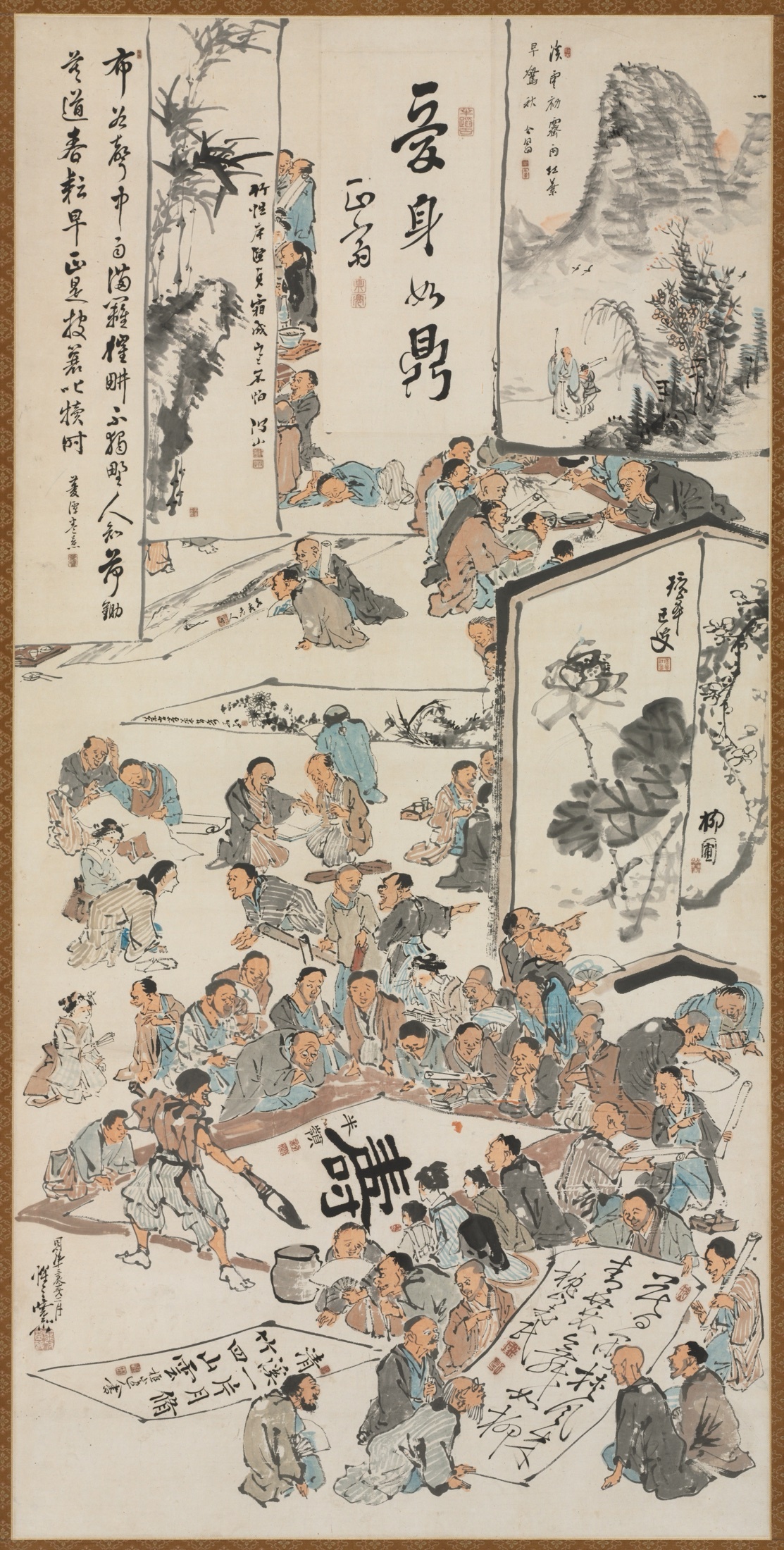
A shodo calligraphy class in Tokyo can mean three different things, and a listing may not say which. A listing may call any of them a Japanese calligraphy experience, a Japanese calligraphy workshop or Japanese calligraphy lessons. We sort them into three. This is our own framework for a traveller, not a count of what exists. An experience is a single session built for a visitor. A lesson is a regular class you keep attending. Study is years under one teacher.
JNTO's interview The Art of Calligraphy, with Keiko Fukumitsu, who founded Fukumitsu Calligraphy School and is from Osaka, says there are "many short cultural experiences in Japan introducing travellers to aspects of Japanese culture such as shodo, ikebana and tea ceremony". The same piece draws a similar line: "For people with a particularly keen interest, shodo schools offer the opportunity to engage more deeply and learn about the history and practice of the art form."
So the first answer to how to learn Japanese calligraphy is a choice, not a technique. A visitor with a few days can, in our reading, usually complete only an experience. In our reading, lessons and study are built around coming back. Japan Society's 2026 listing for its beginners course in New York shows ten classes (January to April 2026), and its Shodo Basic Kanji course says it is "designed to be taken repeatedly". In Japan, Kids Web Japan, What is Shodo? says some elementary and middle school students "go to special schools to learn the art, attending classes in the evenings and on the weekends". The JNTO interview adds that "There are also private shodo schools that operate after school and on weekends and teach both children and adults".
Experience, Lesson, Study: Why a One-Off Session Is Not a Small Version of a Course
A one-off session is not a short course. It is a different thing, and what you carry away from it is different.
One published account shows the shape of an experience. In 2018 nippon.com visited the Shinjuku classroom of the Tokyo teacher Miyazaki Atsushi: "Miyazaki mainly instructs Japanese students, but he also has a class for foreign tourists, who are typically complete newcomers to calligraphy." The session opened with "a quick primer on holding the brush at the right angle and keeping a straight wrist", moved from a gently rising horizontal line to vertical lines and then to kanji, and ended this way: "At the end, students choose their own kanji to write on a paper board or fan, depending on the course, and keep as a souvenir." That account is from 2018, and classes change.
In our reading, what a single session cannot hold is what Fukumitsu describes: "to become fully competent in it, a student needs to constantly practise over a number of years. They need to learn the five main styles, refine their brush technique, their character spacing, the application of ink on paper and the control of their hand and mind."
In our reading, a session gives you the feel of the brush and one finished piece. It cannot give you progress, because progress is what a series of classes is for. That is an honest comparison, not a criticism of the experience.
Shodo Is Learned by Copying: What a Good Class Does That a Tutorial Does Not
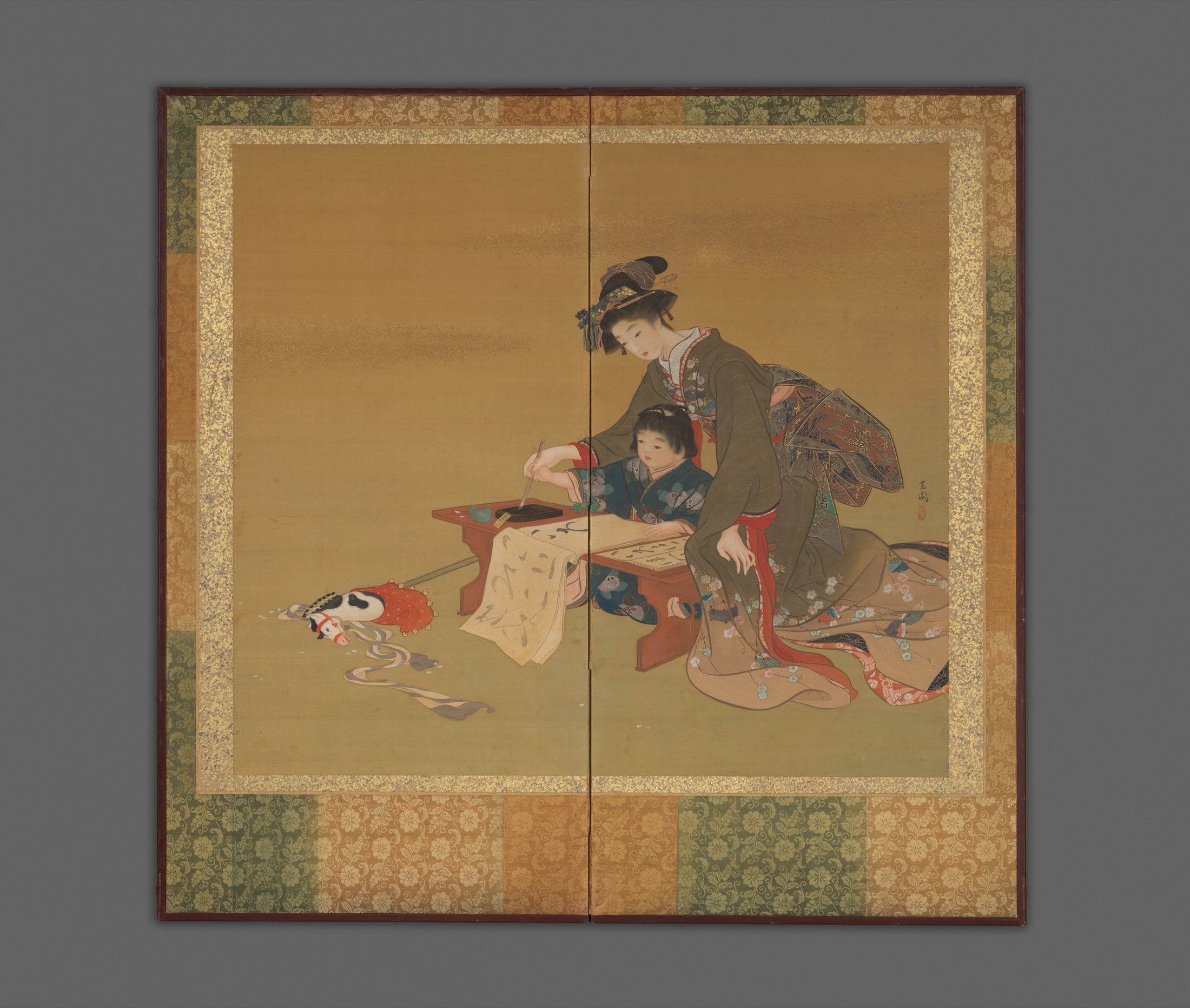
Shodo starts with copying. The Ministry of Education's history of the terakoya, the Edo-period schools for commoners, says the curriculum "began with calligraphy which the pupils practiced by imitating examples provided by the instructor". It adds that these "model examples were called tehon".
The Agency for Cultural Affairs' 2020 report on shodo makes the same point in its conclusion (our translation of the Japanese PDF, Agency for Cultural Affairs, FY2020 shodo survey report). In education, it says, learning starts from looking at a model and learning the shapes of characters, and the learning of calligraphy as art is placed as an extension of that. The report adds that copying classics is valued as a traditional method in calligraphy groups and classes today.
Is Japanese calligraphy difficult? Two things come up in what we quote. The first is that a stroke cannot be undone. Fukumitsu says: "Once you’ve made a stroke, it can’t be redone". In the same answer she says: "How you control the brush, use the ink and position the stroke all need to come together at the same time." The Tokyo teacher Miyazaki Atsushi puts it as the appeal: "You’ll never draw the same line again." The second is time, which is Fukumitsu's point about years of practice above.
In one account, a finished character of the writer's own choice was within reach in a session for newcomers. The writer of the 2018 nippon.com account, who took the lesson, reports that "My final version turned out pleasingly better than I had expected." We found no source that ranks calligraphy against other crafts for difficulty, so we do not.
In our reading, a good Japanese calligraphy lesson does what a video does not: it looks at your own page. A video can show a finished stroke, and in our reading it cannot mark yours. In the nippon.com account, "Miyazaki gives guidance on improvement using colorful ink that stands out against the black of students’ writing." Individual attention is not new either: a nippon.com history of the terakoya says terakoya instructors "generally did not offer the same lesson to all students at once, but rather prepared individualized study materials for each pupil to match their ability".
Rinsho: Learning a Line by Retracing Someone Else's
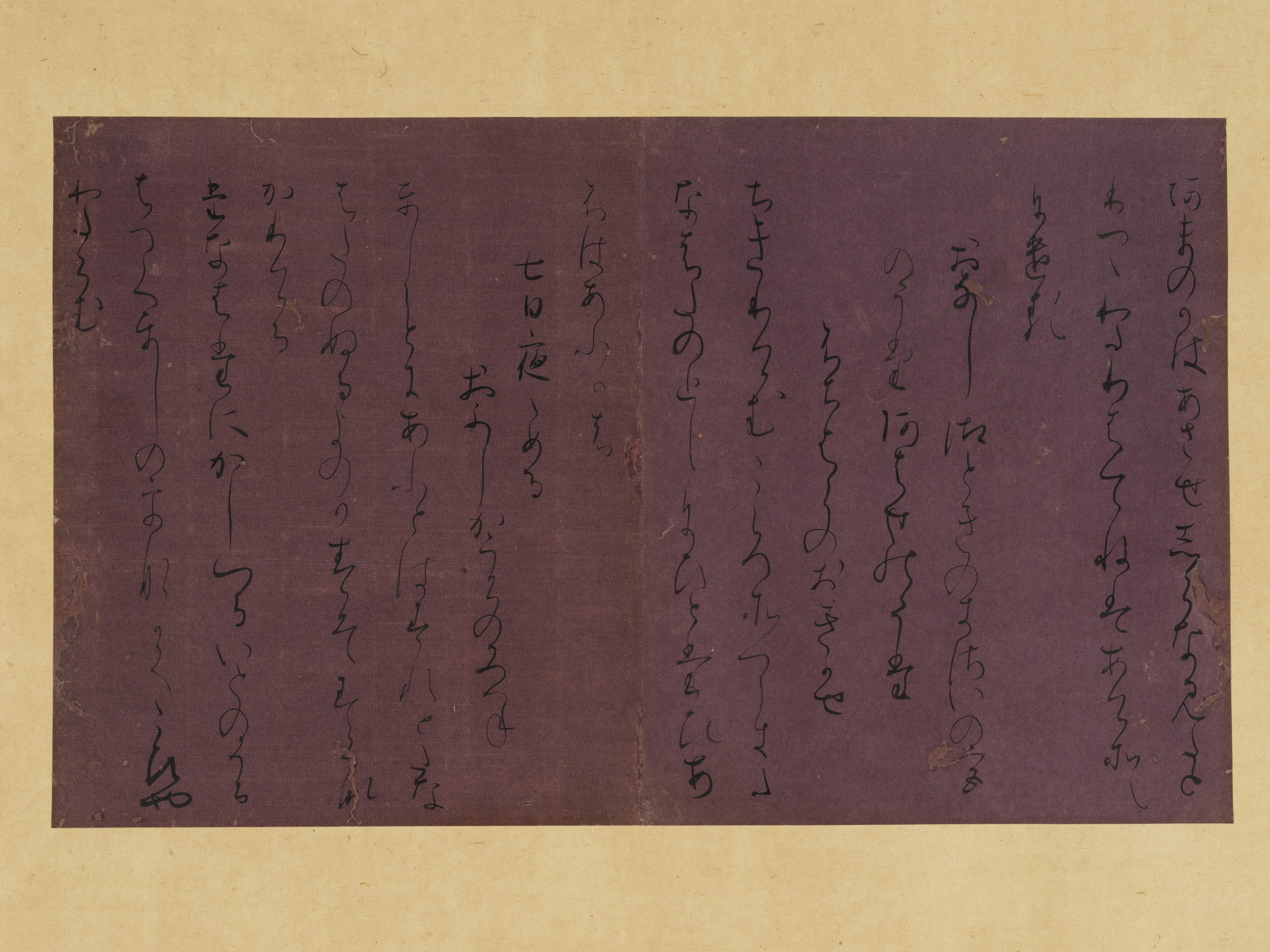
Rinsho is copying a classic work as your model. The Agency for Cultural Affairs describes it as a traditional way to learn the shapes of characters, the quality of the line and the movement of the brush, using classics and old calligraphic writings (kohitsu) as the model (our translation). Kids Web Japan describes the same habit in schools: students practise penmanship, sometimes "copying out works by famous Japanese calligraphers from the past to hone their skills".
The choice of model has a history, and it is a good thing to ask a teacher about. The Agency's report says that in the Heian period the models of the master calligraphers known as the Sanpitsu and the Sanseki were prized for handwriting practice. It also says that in 1880 the Qing scholar Yang Shoujing came to Japan and brought rubbings of inscriptions and model books in large numbers, and that rinsho diversified as a result (our translation). The model decides what hand you learn.
The Agency's survey of calligraphy classes, which it sent to classes it could identify (315 of 897 replied), shows how ordinary this is. Of the classes that answered the question on teaching materials, 68.7 percent used classics and 68.4 percent used a model written by the teacher; 79.2 percent used a kyoshoshi, a magazine, often tied to competitions, to which students submit work (our translation of the Japanese terms). These are the materials most classes in the survey name, so asking which model you will copy is an ordinary question.
What a Teacher Actually Corrects: Posture, Brush Angle, Order of Strokes
The published descriptions we found of how shodo is taught name three kinds of thing: how you sit, how you hold the brush, and how you build the stroke. We cannot tell you what any particular teacher will correct.
Kids Web Japan's page on posture and implements says: "Sit up straight without leaning on the back of your seat, and don't sit up too close to the desk, either." On the brush it says: "A brush is held more upright than a pencil." The nippon.com lesson began with the brush angle and a straight wrist, and its writer notes that Miyazaki "highlighted the geometrical beauty of the characters" with simple shapes drawn around the kanji. On sequence, JNTO's guide to an authentic Kyoto experience says of shodo that "there is meaning in every stroke, as well as in the sequence". The Agency's report says children in the lower elementary grades learn posture and stroke order among the basics of handwriting (our translation).
In our reading, these are things a model on a screen cannot mark on your own page, and that is why we treat correction as the test of a class.
How Calligraphy Became Something You Study: From Terakoya Desks to the Evening Lesson
This section follows several changes in who learned, who ran the lesson and what the state required.
The first change was who learned. The Agency for Cultural Affairs traces learning by model from the children of the nobility in the Heian period, to samurai children and, in temples, commoners' children from the Kamakura period, to wide popularity among commoners in the Muromachi period, when it says the word shuji began to be used (our translation). A skill of the court became a skill of ordinary families.
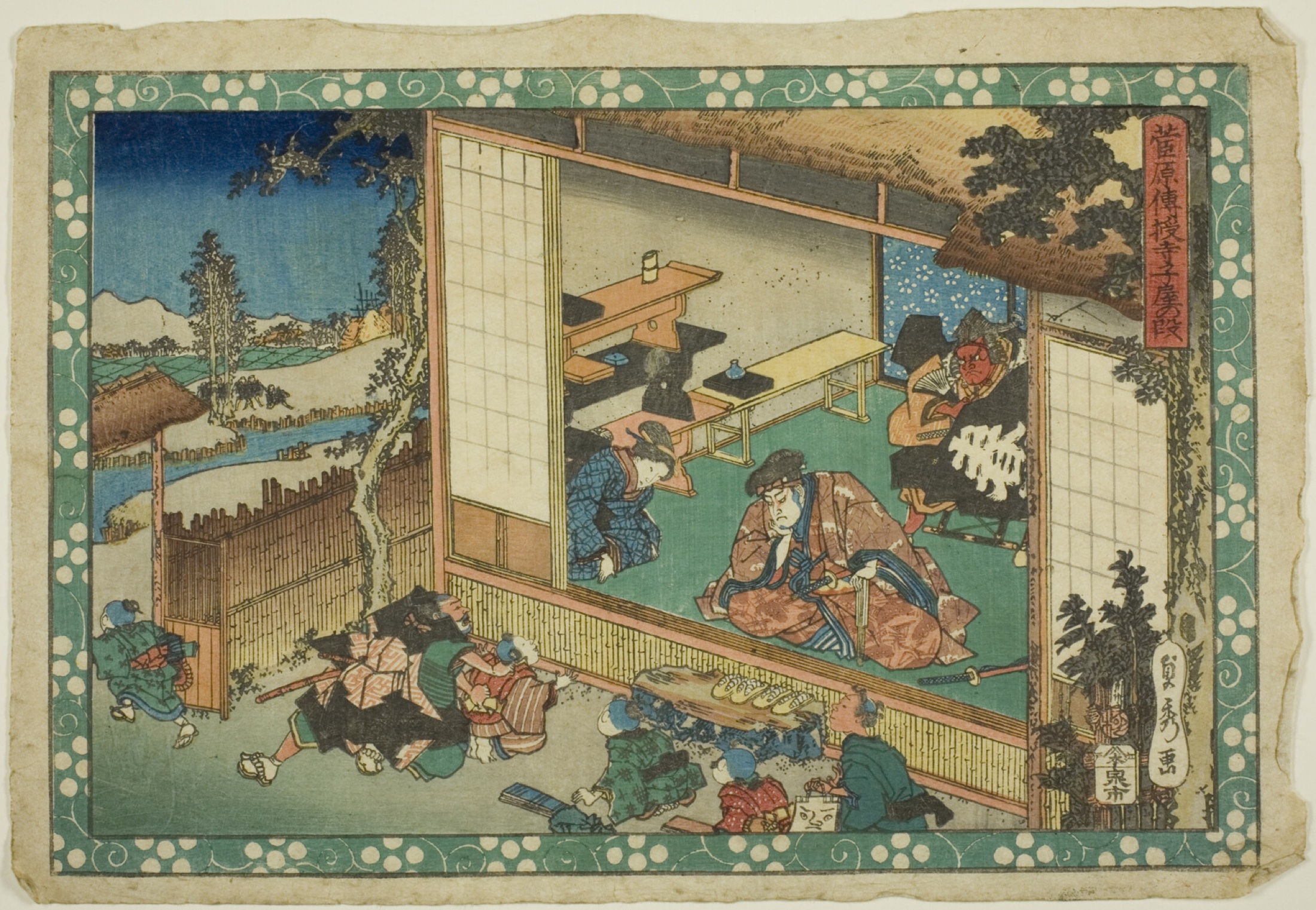
The second change was the terakoya. The Ministry of Education says that "for formal education in reading and writing, the commoners depended on the terakoya", that by the end of the Edo period they "numbered in the tens of thousands", and that "the majority of these teachers were commoners". nippon.com adds that a terakoya "required little more than a single instructor and a room", that education was not compulsory, and that children were free to attend or to leave. The Tokyo National Museum says the Oieryu style, which the Tokugawa government adopted as its official style, spread to the common people through the terakoya. In our reading, the terakoya desk is where the government's script reached the village, and the lesson was an individual one, set pupil by pupil.
The third change was a requirement from above. The Education System Order of 1872 set out a national school system, and the Ministry's history of the commoners' schools says the many terakoya made it possible to open elementary schools nationwide within a very brief period. The Agency's report says that with it the old tenarai, learning handwriting from a model, became writing education with a subject called shuji, and that after the Meiji Restoration the official script changed from Oieryu to Karayo (our translation).
The Ministry's 1881 guidelines list calligraphy in every course of the elementary school, and say the elementary curriculums across the country were "considerably standardized". In our reading, the lesson moved from the teacher's choice to a national framework.
In the same era, the Agency's report says, calligraphy was exhibited together with painting at the first National Industrial Exhibition in 1877 but was classified apart from painting by the third, in 1890, which made calligraphers feel a threat of decline; calligraphy societies were then founded one after another (our translation).
In 2015 nippon.com said, "there are both artistic and educational shodō groups", and the educational ones "popularize Japanese calligraphy by offering certification exams".
Brush writing in schools has been decided by regulation more than once. The Agency's report says that brush-writing as a subject was abolished in 1947 after GHQ, the occupation authorities, raised the issue, permitted again from the fourth grade at a school's discretion in 1951 after lobbying by the calligrapher Toyomichi Shunkai, and made compulsory in the 1968 course of study. Brush work now starts in the third grade (our translation). Alongside the school, the evening lesson carries on. Kids Web Japan describes children going to special schools in the evenings and at weekends. The Agency's survey of classes says the teens-or-younger group was the largest, at 44.2 percent of their students, that the 60s and the 70s and over were 11.8 and 12.2 percent, and that the 20s and 30s were few (our translation).
The change the Agency's 2020 report flags is whether the lesson keeps going. The Agency's report asks why the number of people practising is falling. A fiscal 2017 national survey that it cites found that 43.1 percent of respondents had tried shodo as a hobby or lesson, and that 3.5 percent still did; of those who had stopped, 51.6 percent gave lack of time, 18.4 percent a class no longer nearby and 4.0 percent the cost (our translation). The 2020 report says that during the pandemic classes were closing, especially those run by elderly teachers, and that one group saw about twice its usual number of members leave. Its class survey also found that some classes have taken down their signboard and teach only the students around them.
In 2015 nippon.com wrote that "many lay down the brush after leaving school", while manga, dramas and films about shodo had brought it "a quiet revival" among young and old.
In a July 2025 survey of fourth to ninth graders, 43.8 percent said they prefer typing to writing by hand, against 30.8 percent who prefer handwriting; that is a survey about handwriting, not calligraphy, and, in our reading, it describes the room the lesson now sits in.
Fukumitsu, a teacher, describes her international students: "I do generally find that international students enjoy learning shodo because it’s an opportunity to find out about many other aspects of Japan". She adds that "I find international students often enjoy that shodo requires a lot of concentration."
Choosing a Calligraphy Class: Five Questions to Ask Before You Book
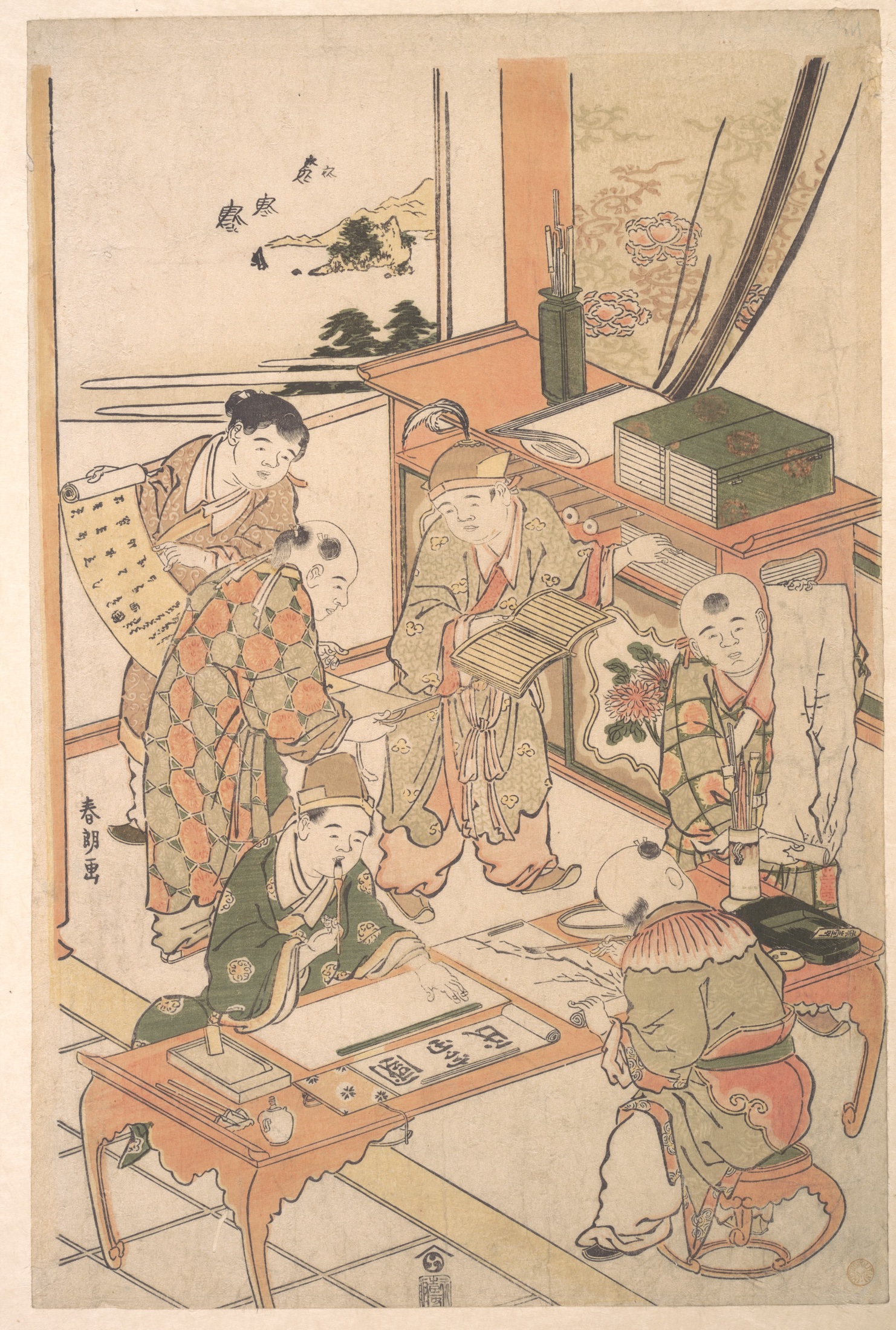
These five questions are ours, drawn from what the Agency's survey and the published accounts describe classes doing. Use them as questions to ask, not as a verdict. In our reading, the difference between a serious class and a souvenir activity is whether you leave with your hand corrected or only with an object.
Do you copy a model, and does the teacher correct your hand? The Agency's survey found classics and teacher-written models in most classes (68.7 and 68.4 percent), and the nippon.com account shows a teacher giving guidance in colourful ink on students' writing. In our reading, if the lesson is free writing and nothing is marked, you are buying the experience, not the lesson.
Is it taught in English, or through an interpreter? The correction is the lesson, so it has to reach you. In the nippon.com account, "As many of the tourists taking the course do not speak Japanese, he teaches in English." Ask whether the corrections themselves will be in a language you follow.
Do you take the piece home, and what is it? In the nippon.com account students keep a paper board or a fan as a souvenir. Tokyo's official guide describes one workshop in which you "ink your character onto a fan or a piece of paper that can be framed up". Ask what you will leave with and who keeps the sheets you practised on. We found no source on how finished pieces are packed for travel, so put that question to the teacher.
Is it one session or a series? In the Agency's survey, many classes' answers say their trial sessions are for people who wish to enrol, or are held at any time (our translation). A series teaches progress, and a session is a first encounter. Know which you are booking.
Who teaches, and are they part of a calligraphy group? The Agency's report sorts calligraphy classes into those run by calligraphers who belong to a calligraphy group and those that are not (our translation), so it is fair to ask which yours is. The profile attached to the nippon.com account lists the teacher's group membership and competition results, and that is the kind of answer worth asking for.
How Much Is a Calligraphy Course? Why the Answer Is a Structure, Not a Number
We give no figures for a calligraphy course here. Prices change, and the price of a single session and the price of a course are not the same unit. The useful answer is what the fee covers.
A one-off session carries a price for the session. A term course is priced for the term: Japan Society's tuition for a ten-class course states that it is "Inclusive of fees, where applicable, including a nonrefundable administrative fee". The Agency's report points to what a regular lesson in Japan can add. It notes that the old custom of giving the teacher a customary payment of thanks is hard for newcomers to understand, and that some groups think it needs revisiting (our translation).
So the questions are these. Is the fee for one session, a term or a month? Do the tools and paper come with it, and does the finished piece? And does joining a class also mean joining a group? Financial leeway is a hurdle before you start. The 2020 report says 40.2 percent of the people interested in starting name having more financial leeway as their hurdle. In our reading, once people have started it may matter less (these are different groups of people, so we do not compare them directly): in the 2017 survey above only 4.0 percent of people who had stopped learning gave cost as the reason, against 51.6 percent who gave lack of time (our translation).
Three Ways In: How a Visitor Finds a Calligraphy Class
There are three layers of access, and we label them as our own framework. They are not a ladder of quality. They differ in how a visitor finds the class, and in what it can teach.
Layer one: the single session a visitor books. Experience marketplaces appeared in the search results we checked, and tourism bodies list one-off slots too. Tokyo's official travel guide labels at least one calligraphy workshop as a traditional cultural experience. JNTO says that "Many cultural centres and dedicated calligraphy schools in Kyoto offer one-off shodo lessons". What this layer can teach is the first gesture and a finished piece. In our reading, by its shape it cannot give you what long correction gives.
Layer two: the class that publishes in English, known to those who look. Japan Living Guide keeps a list of English-language shodo classes in Tokyo, which we do not reproduce because we have not visited any of them (the page says it contains affiliate links). Whether a regular class admits a one-time visitor is each teacher's decision, and we do not claim that they do. The Agency's survey found that trial sessions are common, but many of its answers say they are for people wishing to enrol.
Layer three: the teacher's own circle, reached by introduction. The Agency's survey of classes found that the most common way they recruit students is through introductions from existing students, at 82.6 percent of the classes that answered. Its report says some classes have stopped putting out a signboard and teach only the students around them. The report itself says that calligraphy classes are too numerous to count and that capturing all of them is difficult. We cannot tell you how many of them accept a newcomer. We reserve the third layer for a teacher's circle that a traveller would reach only through someone who already belongs to it.
In our reading, a class that relies on introductions is hard to find by searching; the Agency's findings on introductions and missing signboards are why we name this layer.
Tokyo or Kyoto: Where to Take a Calligraphy Class on a Short Trip
The sources we found do not rank the two cities, and we will not. They say what each offers a visitor, and the choice is a matter of how you travel.
In Tokyo, the nippon.com account describes a Shinjuku classroom with a class for foreign tourists, and Tokyo's official guide lists a calligraphy workshop. Tokyo also has permanent museums devoted to calligraphy, the Agency's report says, among them the Taito Ward Calligraphy Museum. In Kyoto, JNTO says the one-off lessons are also held at temples, "as this art form is closely intertwined with the concept of “Zen” in Buddhism", and that at least one temple offers shodo together with zazen.
The axes for choosing are ours. How many days do you have in the city? Do you want a language you follow, and a teacher who corrects? Where in the itinerary does the lesson fit, and can you come more than once? In our reading, a trip with one session in it is best served by the city you are sleeping in, because an experience is a single session. A longer stay in one city can take a series, and a series is what builds progress. Our guide to the traditional crafts and artisanal culture of Japan covers bonsai, ikebana, the tea ceremony, tatami and washi art, other crafts you might pair with a lesson.
What You Take Home: Reading a Brushed Line After You Have Held the Brush
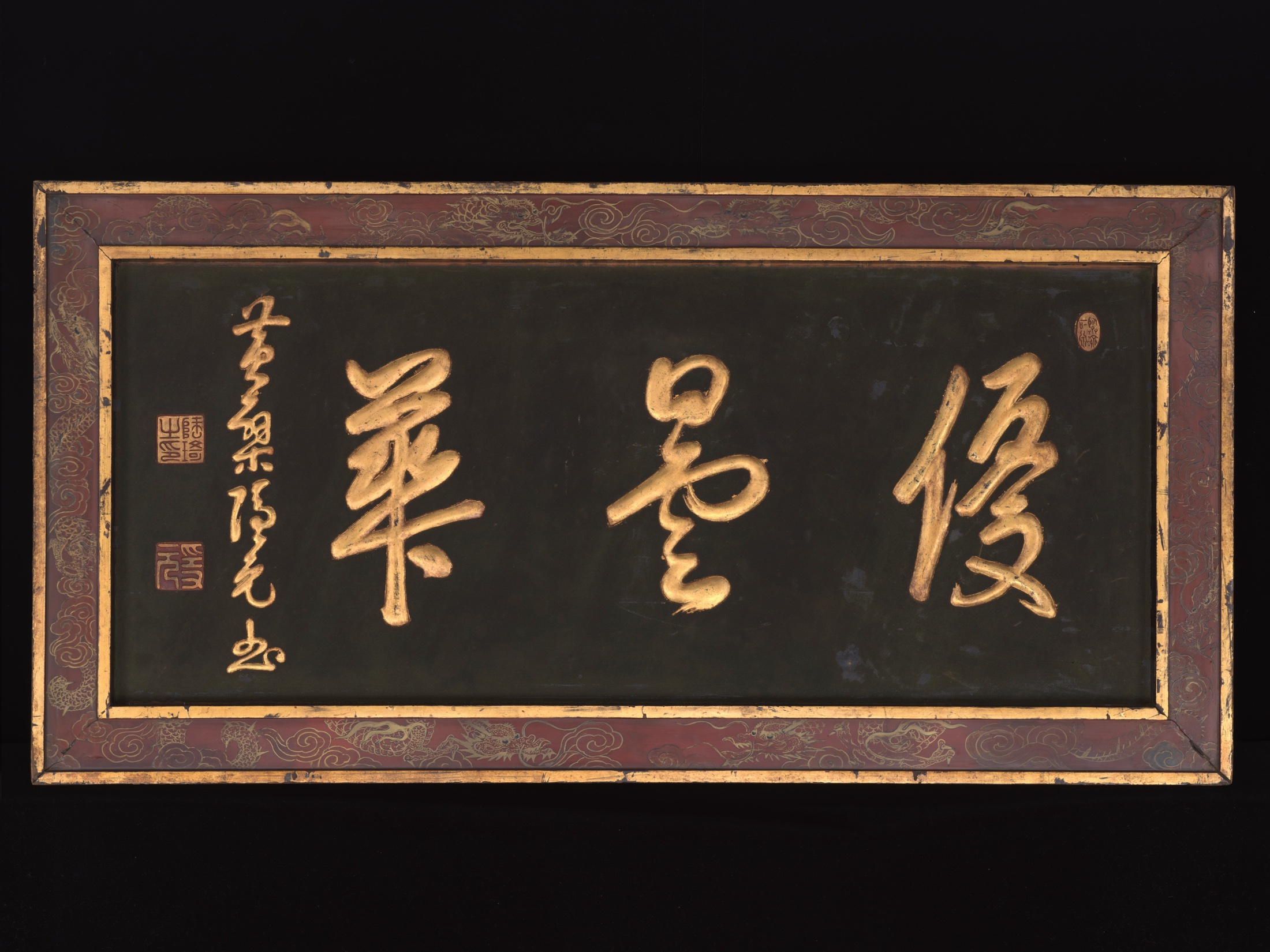
Someone who has held the brush once reads a brushed line differently. That is our reading, and it is an argument for the lesson even if you never take a second one. The Agency's report says brush-written lettering is still all around in Japanese life: scrolls in an alcove, gift wrapping paper, product labels and the plaques of shrines and temples (our translation).
What does holding the brush teach you to look for? Fukumitsu names two things. The first is irreversibility: "Once you’ve made a stroke, it can’t be redone". Our article on looking at Japanese ink painting makes the same point about the brush: "Ink cannot be lifted off paper." The second is the empty paper: "In shodo, the space around the written characters is just as important and beautiful as the characters themselves." She also says that red seals "act as a sort of signature for the artists" and are "officially considered part of the art of calligraphy".
You can test this away from the classroom. Tokyo has museums devoted to calligraphy, and the Agency's report records that the 2019 Tokyo National Museum exhibition on Yan Zhenqing drew 198,920 visitors, which it takes as a sign that interest in calligraphy is by no means low (our translation). What you will see there, in our reading, is the line as a decision made once.