When you’re celebrating with someone special, you want the day to feel more joyful than usual—and where you stay matters. For an occasion like this, both traditional Ryokans and modern hotels have real appeal. In this article, you’ll learn how Ryokans and hotels differ and how to choose the right fit for an anniversary.
You’ll also get a complete look at Takayama’s beloved ryokan, Honjin Hiranoya Bekkan: why it stands out right now, how to make your photos pop, and where to enjoy local food and couple‑friendly activities. Consider this your all‑in‑one playbook for an unforgettable trip—packed with tips to turn a special date into a lasting memory.
First Things First—Which Is Better for an Anniversary, Ryokans or Hotels?
Choosing where to stay often starts with the question: “Ryokan or hotel?” The value and service you experience differ, and your choice hinges on whether you want a deep sense of “out of the everyday” or you’d rather prioritize convenience. In this chapter, you’ll compare the features of Ryokans and hotels and find the decision points that make sense for your anniversary.
Reasons to Choose a Ryokan
The biggest advantage of Ryokans is how they immerse you in Japanese aesthetics and calm—creating an almost stage‑like atmosphere for celebration. Dinner is typically a multi‑course kaiseki centered on seasonal local ingredients, served dish by dish. The head chef’s artistry in plating and choice of tableware, paired with attentive service by the nakai (room attendants), heightens the occasion so you can celebrate with poise.
Many Ryokans are small by design, with a tranquil, subdued ambiance throughout the property. There’s minimal overhead paging and foot traffic, which helps you stay focused on time together. The architecture and rooms themselves are part of the charm: tatami floors, ikebana, and shoin‑style windows are quintessentially Japanese, deepening that feeling of stepping outside the ordinary.
Some Ryokans offer private‑use baths or rooms with open‑air tubs, letting you bathe in your own space without worrying about other guests. For an anniversary where you’d like to relax without self‑consciousness, this curated quiet is a major plus.
Reasons to Choose a Hotel
Hotels excel in globally familiar comfort and the reassurance of an extensive service network. Western‑style beds and sofas and well‑calibrated climate control make it easy to relax as if you were at home. If you don’t sleep well on futons, or you’re traveling with older guests, a room with beds can be gentler on the body.
Most hotels provide 24‑hour support, so late‑night check‑ins or sudden requests are handled at the front desk. Larger properties in major destinations often have multilingual staff; besides English, you may find help in Chinese or Korean as well.
On‑site facilities are another hallmark: toast with a view in the bar lounge, unwind at the spa, book a massage, or get in a quick workout at the gym. Many large hotels also offer 24‑hour room service, so you can celebrate with cake and champagne at midnight if you like.
Location‑wise, hotels often sit near stations or in city centers—handy for dropping off bags mid‑sightseeing. If you want convenience and lots of options on an anniversary trip, a hotel is a great fit.
Decision Criteria and Checklist for Ryokans vs. Hotels
When you’re torn, use the points below to compare properties.
Surprise readiness: Whether anniversary plans exist (cakes, bouquets, etc.) and how willing the staff are to help with special touches. If you can consult at booking, that’s reassuring(*3).
Private dining: Whether in‑room dinner or private dining rooms are available. If you want conversation and surprises without worrying about neighbors, a space for just the two of you is ideal.
Photo‑friendly spots: Whether the property or rooms have photogenic locations—gardens, terraces, and window views that help you capture that one perfect shot.
Location and flow: How easily you can reach the places you want to visit. Ryokans often sit near atmospheric historic streets; hotels tend to cluster around stations or downtown. Choose what fits your plan.
What’s in the anniversary plan: Compare benefits and optional services (e.g., a toast drink, a commemorative photo). Perks that match your wishes heighten the sense of occasion(*3).
Room freshness: Whether rooms were renovated recently. Clean, updated bathrooms and bedding directly affect comfort—newer, well‑maintained rooms are recommended.
Bath facilities: Check for hot springs, open‑air baths, and whether private baths can be reserved. If you love onsen, look for big baths and rooms with open‑air tubs; if you want time just for two, choose a ryokan with private‑use baths(*3).
Consider these points as a whole, then decide what matters most to you both. Clarifying your single top priority is the key to a successful choice. For example, if “quiet” tops the list, lean ryokan; if “freedom and flexibility” comes first, lean hotel. Rank your criteria and choose accordingly.
Honjin Hiranoya Bekkan|A Fully Rounded Look at an “Anniversary-Friendly” Ryokan in Takayama
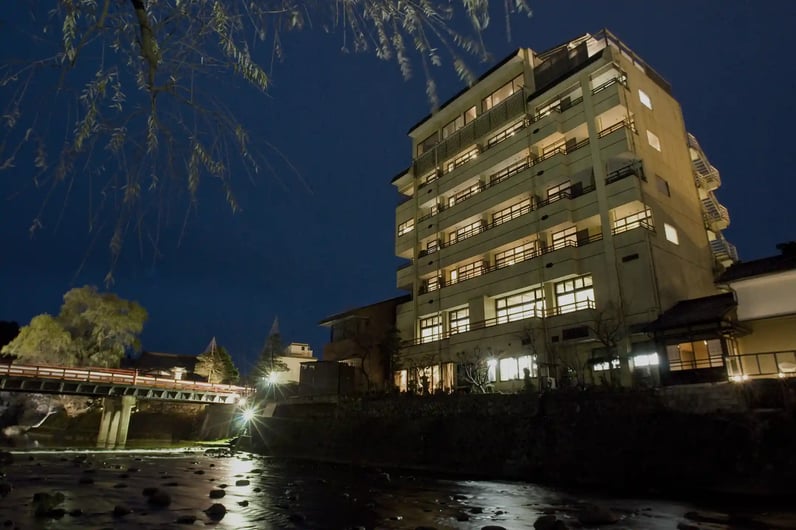
Located in the heart of Hida‑Takayama, Honjin Hiranoya Bekkan is a long‑established ryokan known for its ideal anniversary setting and warm hospitality. It stands right by Takayama’s signature red Nakabashi Bridge, with the Old Town streets and the Jinya‑mae Morning Market just a 1–2 minute walk away(*1).
JR Takayama Station is roughly 10 minutes on foot, and you can request a complimentary shuttle bus in advance(*2). Because the property fronts the Miyagawa River, you can stroll to the sound of the water and easily sightsee before and after check‑in.
Here, you’ll get the ryokan’s full picture—access, baths, guest rooms, and dining—in turn.
Location and Access
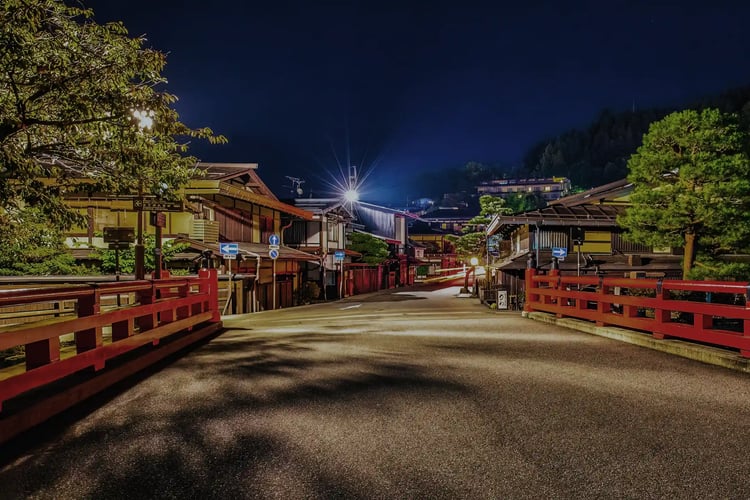
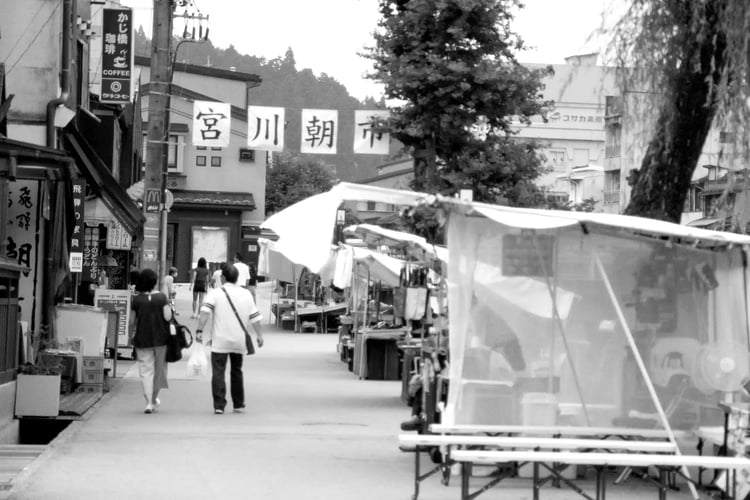
Honjin Hiranoya Bekkan sits along what’s practically Takayama’s “golden route.” Step outside and you’ll see the vermilion Nakabashi spanning the Miyagawa; across the river stands Takayama Jinya. In the morning, the Jinya‑mae square hosts a lively market for fresh vegetables, fruit, and folk crafts.
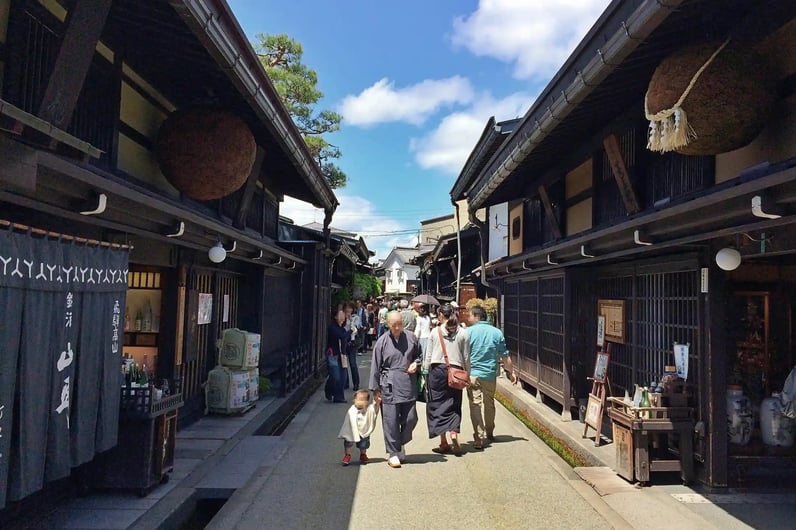
The Old Town (Sanmachi‑dori) is about a one‑minute walk. Slip into kimono and wander alongside other visitors for an almost time‑travel feel—perfect for an anniversary mood.
Access is easy: within walking distance of Takayama Station and about ten minutes from the highway bus center. There’s on‑site parking for 50 standard cars, so road trips are simple too. With so many sights nearby, you can leave your car or bags before check‑in to explore, and keep your luggage at the ryokan after check‑out to enjoy Takayama to the very end.
Bath Facilities and Men/Women Layout (No Private-Use Baths)
Unwinding in the bath is one of Honjin Hiranoya Bekkan’s pleasures. On the top (7th) floor you’ll find panoramic large baths; the men’s side features an open‑air bath with a wood deck called “Relax Manten,” with views of the Northern Alps by day and a star‑filled sky at night.
A sauna is also available. The women’s large bath, “Kirara no Yu,” is indoors, but the property operates a separate, old‑townhouse‑style bathhouse called “Relax Kura” a short way from the Bekkan. Converted from a white‑walled storehouse, it’s an atmospheric hideaway where you can soak while gazing at a tiny inner garden. Thoughtful touches like these let all guests enjoy Takayama’s waters.
Note that there are no private‑use baths; all bathing areas are separated by gender(*3). If you want bath time just for two, you’ll need to coordinate your times or use the unit bath in your room.
That said, the large baths stay open late and reopen early in the morning, so by timing your visit you can avoid crowds and soak in peace.
Guest Rooms and Views (Renovated in 2024)
While most rooms here are Japanese‑style, a new Western option debuted in summer 2024: the “JINYA VIEW Twin,” a Western twin room on the Jinya side. Its broad south‑facing windows look out toward Takayama Jinya and the Jinya‑mae Morning Market, with Hida’s mountains beyond(*4).
The bathroom pairs Western‑style tiled walls with a Shigaraki‑ware soaking tub—compact yet playful and premium(*4). Because it’s freshly renovated, you’ll enjoy like‑new cleanliness and up‑to‑date comforts. There are only four Western rooms (including this twin), and another 20 rooms are 10‑ or 12‑mat Japanese rooms(*5). From the Japanese rooms you can look down on the clear Miyagawa: cherry blossoms in spring, fiery leaves in autumn, and snow scenes in winter—Takayama’s seasons on full display.
Choose between 10‑ and 12‑mat layouts; the 12‑mat rooms offer separate bath and toilet for extra ease. Every room comes with a humidifying air purifier, Wi‑Fi, and thoughtful amenities—bringing together traditional beauty and modern comfort.
Dining and Kaiseki
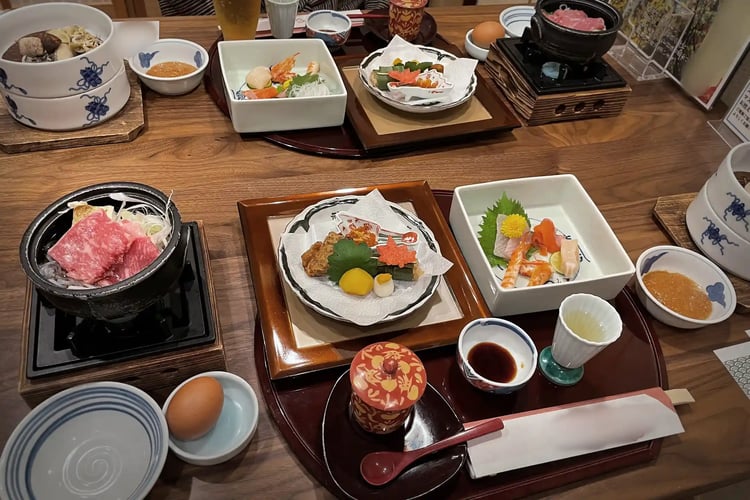
Dinner at Honjin Hiranoya Bekkan is generally served in private dining rooms on site. In your own space, you can relax and focus on each other while savoring a monthly Hida kaiseki menu. Expect seasonal Hida ingredients prepared with a light, refined touch that highlights each element’s natural character(*6).
Hida beef—the area’s signature—is woven throughout the menu, and the most popular option is the “All‑Hida‑Beef Kaiseki.” It uses a generous total of 200 g of top‑grade Hida beef across nine inventive courses—steak, simmered dishes, sushi, and more—making it a favorite for special‑occasion dinners(*7).
Other plans include a teppan‑grilled Hida beef steak course prepared right before your eyes, or options featuring Hida beef sushi from the sister property, Honjin Hiranoya Kachoan.
Request in advance and the staff can arrange a whole cake for surprises; they’re also happy to help with photos—anniversary hospitality is well covered.
Breakfast is a well‑regarded Japanese set that features local tastes such as hoba miso and miso soup with Hida leeks. Because it’s served in private dining rooms, you can enjoy a restful start to the day without distraction.
Local Gastronomy: Celebrate with Hida Beef and Local Sake
One of Takayama’s great pleasures is its regional cuisine. For your anniversary dinner, pair brand‑name Hida beef with Takayama’s proud lineup of local sake.
Thanks to cold winters, pristine spring water, and the sake rice “Hidahomare,” Takayama has long been known as a brewing town(*1). The richness of Hida beef pairs beautifully with crisp local ginjo and junmai sake.
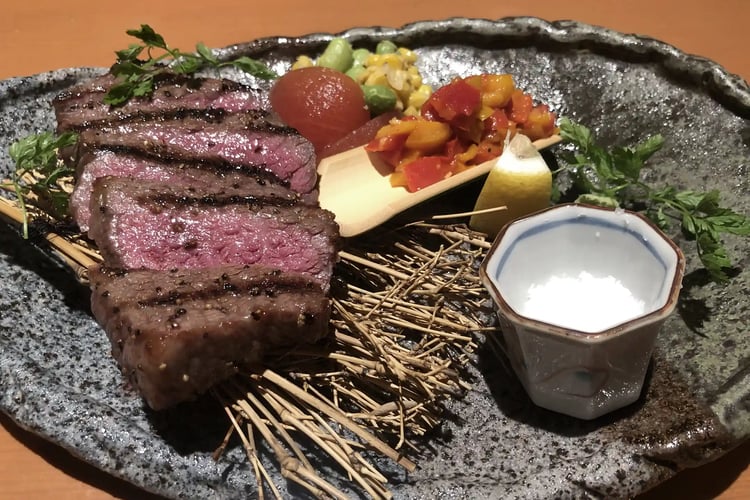
For example, match a fruity, chilled ginjo with a Hida beef steak for a refreshing pairing, and choose a fuller‑bodied junmai—served warm—to lift the umami in slow‑cooked dishes. If you prefer wine, look for bottles made from Hida‑grown grapes. To finish dinner, pair desserts with toasty hojicha or locally produced Japanese black tea.
If you don’t drink alcohol, you still have options. Ask about nonalcoholic pairings like house‑made syrups from Hida plums or yuzu topped with soda, or small‑batch craft cola blending local herbs and spices. Request them in advance and you can still enjoy a celebratory toast that feels special.
How to Think About Pairing
Thoughtful pairing elevates your dinner. Hida beef is known for deep umami and gentle sweetness, so choose sake or wine with enough structure not to be overshadowed. Local sake tends to lean dry with a clean finish, which generally harmonizes well with marbled Hida beef.
For desserts and sweets, soft Japanese black tea or roasty hojicha works well. Takayama isn’t especially known as a tea‑growing area, but some cafés and Ryokans serve drinks made with regional tea leaves.
Hojicha’s pleasant bitterness tightens the finish after something sweet and leaves a refreshing aftertaste. There’s no single “right” answer—testing combinations together is part of the fun and will become a memory in its own right.
Vegan and Gluten-Free Considerations
With more international visitors, dietary preferences and restrictions are increasingly diverse. Even in Hida—famous for beef—Ryokans can often accommodate vegan or gluten‑free requests if you ask in advance(*2).
At Honjin Hiranoya Bekkan, if you share allergies or dislikes at booking, the team will substitute or remove items carefully(*2).
Do note that Japanese cuisine frequently uses fish‑based stock, so offering a fully vegan menu can have limits. Also, soy sauce and miso may contain trace amounts of gluten from koji‑based fermentation; if you’re highly sensitive, communicate that clearly beforehand.
Some Ryokans provide English menus and allergen labels, and staff can explain ingredients if you ask. The key is to be specific about what you avoid and to what degree; the ryokan will do its best to create a safe, reassuring celebratory meal.
Couple Experiences in Takayama That Deepen Your Bond(Within a 10‑Minute Walk + Short Hops)
Takayama’s historic streets offer all kinds of activities to enjoy together. Whether you’re collaborating on something hands‑on or learning something new side by side, you’ll come away feeling closer. Below are walkable experiences—or those that require only a short hop—plus tips for keeping things private and relaxed.
Designing Learning and Play
Experiences rooted in Hida tradition make an anniversary trip feel special. Dress up in kimono and stroll the Old Town—you’ll capture a different side of yourselves in photos, and the whole town starts to feel like a film set from the Edo period.
Museums like Takayama Jinya and local history galleries are rewarding, but consider hands‑on workshops too. In Takayama, you can try crafts and folk toys: making sarubobo (Hida’s red talisman dolls), braiding kumihimo straps, or carving small wood ornaments are popular(*1).
Beginners are welcome—local artisans and staff guide you gently so you can laugh, learn, and feel the satisfaction of finishing something together. That teamwork becomes a shared memory.
Use your finished piece as a photo prop, then bring it home to display. Weeks later, catching sight of what you made will bring back your time in Takayama and spark new conversation—that lingering afterglow is part of the magic.
How to Keep Things Private
Even in a popular destination, a few choices create a world for just the two of you. First, shift your timing. Visit the Old Town and morning markets early or later in the day when crowds thin; you’ll have room to breathe and plenty of time for photos(*2).
On Sanmachi’s historic streets, early mornings feel almost like you have Edo all to yourself. During the busier midday hours, step off the main route—rest on a bench by the Miyagawa or duck into a small side‑street café.
As evening falls, return to Sanmachi to enjoy lantern‑lit streets in a calmer hush.
Advance reservations help too. For sake breweries, arrive right when they open for quiet tastings and time to chat; for popular wagashi shops, drop by before closing to skip lines. Ask your ryokan staff—their crowd insights can help you order your day for smoother flow.
With a bit of “intentional zig‑zagging,” you’ll find that even Takayama’s highlights can feel wonderfully private.
Booking Guide
To make sure your anniversary trip actually happens the way you want, give some thought to timing and how you book. Takayama is popular, so in peak seasons rooms can sell out—but with a bit of strategy you can still secure the room you want. Here’s how to approach the best seasons, how to choose your room, and what to watch for when booking.
Working with the Availability Calendar and Best Seasons
The Honjin Hiranoya Bekkan website publishes a real‑time availability calendar so you can check your dates at a glance. Start there, shortlist potential dates, and book early. Around the Takayama Festival (spring Sanno Festival: every April 14–15; autumn Hachiman Festival: October 9–10), the fall color period, and Golden Week, rooms can be booked out as early as six months ahead(*1).
In fact, city‑center properties tend to be fully booked more than half a year in advance for festival periods(*1). A smart play is to aim for weekdays or just after major events. For example, the weekdays right after the spring festival are calmer and typically easier for reservations.
If you absolutely want a popular weekend, use early‑bird discounts and reserve months ahead. If your schedule is flexible, you can also watch for last‑minute cancellations—but for an anniversary, locking things in early is the safer move.
How to Choose Your Room
Your room choice shapes your experience. At Honjin Hiranoya Bekkan, if views matter most, the newly added “JINYA VIEW Twin” stands out—with a wide‑open window facing Takayama Jinya and a fresh, refined interior that underscores the occasion.
If you want to lean into Japanese ambiance, choose a river‑side Japanese room. You’ll get serene water views and calming tatami; for extra space, the 12‑mat layout is especially comfortable. With capacity for up to five people, these rooms also suit family‑included anniversary trips.
If you prefer Western rooms but still want a view, consider the “River‑Side Western Twin” facing the Miyagawa. If views aren’t a priority and you’re watching budget, look at town‑side Japanese rooms; you’ll see the shopping streets below, get a more economical plan, and feel close to daily Takayama.
In any case, match the room to your anniversary style—“view‑first,” “Japanese modern mood,” or “budget‑first”—and choose accordingly.
Booking Notes
Payment: Reservations via the official site or major booking platforms typically support both advance card payment and on‑site payment. Even if carrying cash (JPY) is inconvenient, you can pay by card.
Language: Honjin Hiranoya Bekkan has English pages on its official site, and you can confirm bookings and make inquiries in English. Staff actively train in foreign languages (check in advance for languages beyond English), which helps if you’re calling from overseas or bringing international guests.
Cancellations: In general, fees apply from a certain number of days before arrival. At Honjin Hiranoya Bekkan, it varies by plan, but expect around 20% from the day before, and 50–100% on the day or for no‑shows (confirm on the booking site). Anniversary trips rarely need last‑minute changes, but fix your dates before you book just in case.
Photo etiquette: When taking pictures in common areas or your room, respect others’ privacy. In large baths or the lobby, avoid capturing other guests. Around town, check for no‑photo zones in shops and at temples/shrines, and enjoy shooting within considerate limits. With good manners, you’ll come home with beautiful memories—and everyone else will have had a good day too.
Nearby Highlights and Half‑Day to One‑Day Model Courses(Walkable Takayama)
Takayama’s charm extends well beyond the grounds of Honjin Hiranoya Bekkan. Base yourself at the ryokan and make the most of time before check‑in and after check‑out with easy, on‑foot sightseeing. Below is a walkable “golden route” from the Bekkan and half‑day/one‑day anniversary‑friendly model courses. You’ll walk most of the time, with a quick taxi or bus only if needed—so it’s effortless to explore.
Nearby Highlights
Back‑to‑back Jinya‑mae and Miyagawa Morning Markets: These two morning markets run daily. Jinya‑mae fills the square in front of Takayama Jinya with farm‑fresh produce, fruit, pickles, and miso—alive with friendly Hida dialect.
Miyagawa Morning Market stretches roughly 700 meters along the river. Snack on skewered dumplings or local sake sweets as you stroll. Both markets operate only in the morning (typically around 7:00–12:00, seasonal variations), so set an early alarm.
Nakabashi’s river view and bridgehead photo spot: The vermilion Nakabashi over the Miyagawa is Takayama’s emblematic photo op. Each season paints the view differently: cherry blossoms in spring, foliage in autumn, snow in winter. Morning’s clear light and the softer glow at dusk are especially beautiful. Benches by the bridge make a sweet pause with a river breeze.
Sanmachi’s sake breweries and shops for ceramics and woodwork: The streets around Kami‑Sannomachi, Kami‑Ninomachi, and Kami‑Ichinomachi preserve classic townhouses. Sake breweries marked by cedar balls (sugidama) offer tastings and souvenirs, and you can browse folk antiques, woodworking studios, and pottery shops. Rest at a café in a restored townhouse and enjoy the period streetscape.
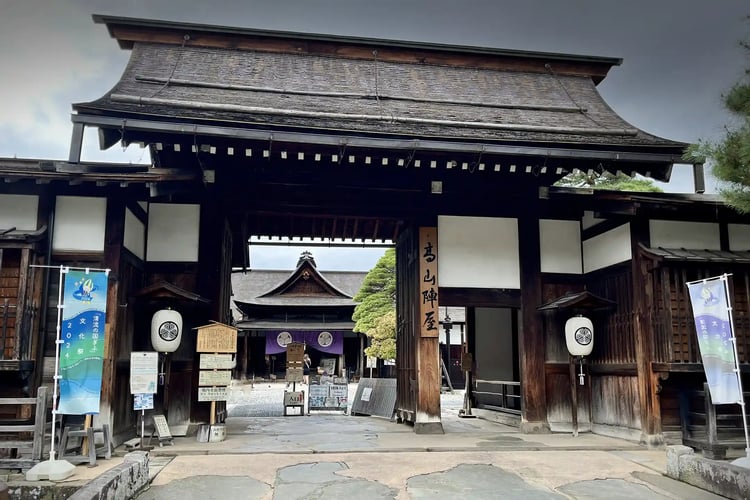
Takayama Jinya’s exterior and garden: Once the local government office for the Edo shogunate, Takayama Jinya is the only fully remaining complex of its kind in Japan(*1). Even a look from outside reveals stately gates and a sprawling residence; the garden behind changes with the seasons. After the market, take an anniversary shot with the Jinya in the background for a photo rich in history and culture.
Miyagawa riverside stroll: A promenade runs behind the ryokan along the river, offering nature’s sounds in the middle of town. By day, enjoy greenery and flowers with cooling breezes; by night, city lights shimmer on the water and stars glitter above—an easy, romantic escape for good conversation.
Café time and commemorative photos on the Honjin Hiranoya Bekkan terrace: Guests can freely use the terrace/lounge space with views of the Miyagawa and Nakabashi. Linger over an afternoon coffee, or shoot keepsake photos in the gentle evening light—the scenery of Takayama right there from the ryokan.
Half‑Day to One‑Day Model Courses
〈Half Day (Morning)〉 Honjin Hiranoya Bekkan (depart) → Jinya‑mae Morning Market (browse & shop) → Miyagawa Morning Market (snack your way along) → Nakabashi (photo spot) → Sanmachi stroll (brewery tasting & souvenir scouting) → Ceramics/woodwork shops in the Old Town → Break at a café → Honjin Hiranoya Bekkan (soak and rest)
〈Half Day (Afternoon–Evening)〉 Honjin Hiranoya Bekkan (check‑in) → Commemorative photos on the terrace → Sanmachi stroll (enjoy the evening streets) → Hida craftsmanship workshop (joinery, sarubobo‑making, etc.) → Nakabashi at dusk (enjoy the lights) → Private kaiseki dinner at the ryokan → Post‑dinner stargazing walk along the Miyagawa
〈One Day〉 (Morning) Jinya‑mae & Miyagawa morning markets → Takayama Jinya (interior visit) → Sanmachi stroll → Lunch in the Old Town → (Afternoon) Traditional craft workshop → Café break in the Old Town → Bath & rest at Honjin Hiranoya Bekkan → Celebrate with a Hida beef anniversary dinner. ※If you prefer hotels, use JR Takayama Station as your starting point and follow the same route (it’s a 15‑minute walk from the station to the Jinya‑mae market). Before check‑in, leave your bags at the station or your lodging and travel light.
How to Make the Most of Festival Days
If you’re visiting during a major event like the Takayama Festival, crowds surge—but with a plan, you’ll still be comfortable. For photos of the star attractions—the floats and processions—get out ahead of the action and shoot in morning front light.
For example, the “Hiki‑soroe,” when 11 floats line up together, is best captured right at the start, before the biggest crowds arrive. To secure a good vantage point, move early in the morning. Book dinner times and transport earlier than usual, too.
Restaurants fill rapidly on festival days, so either dine earlier at the ryokan or target opening time if you’re eating out. Traffic restrictions in the center make taxis scarce—avoid far‑flung plans and stick to walkable distances (pre‑book a taxi if necessary).
Travel light. Leave luggage at your lodging and keep your hands free. If you encounter a dense crowd, don’t fight the flow—loop around a different way. Consider postponing the most crowded spots and pausing on quieter bridgeheads or side lanes; you’ll often thread the needle with better timing. Festivals are exhilarating, but safety comes first—and tackling your schedule early is what makes an anniversary trip succeed.

%20Gunkan%20Maki%20Sushi.webp)