.webp)
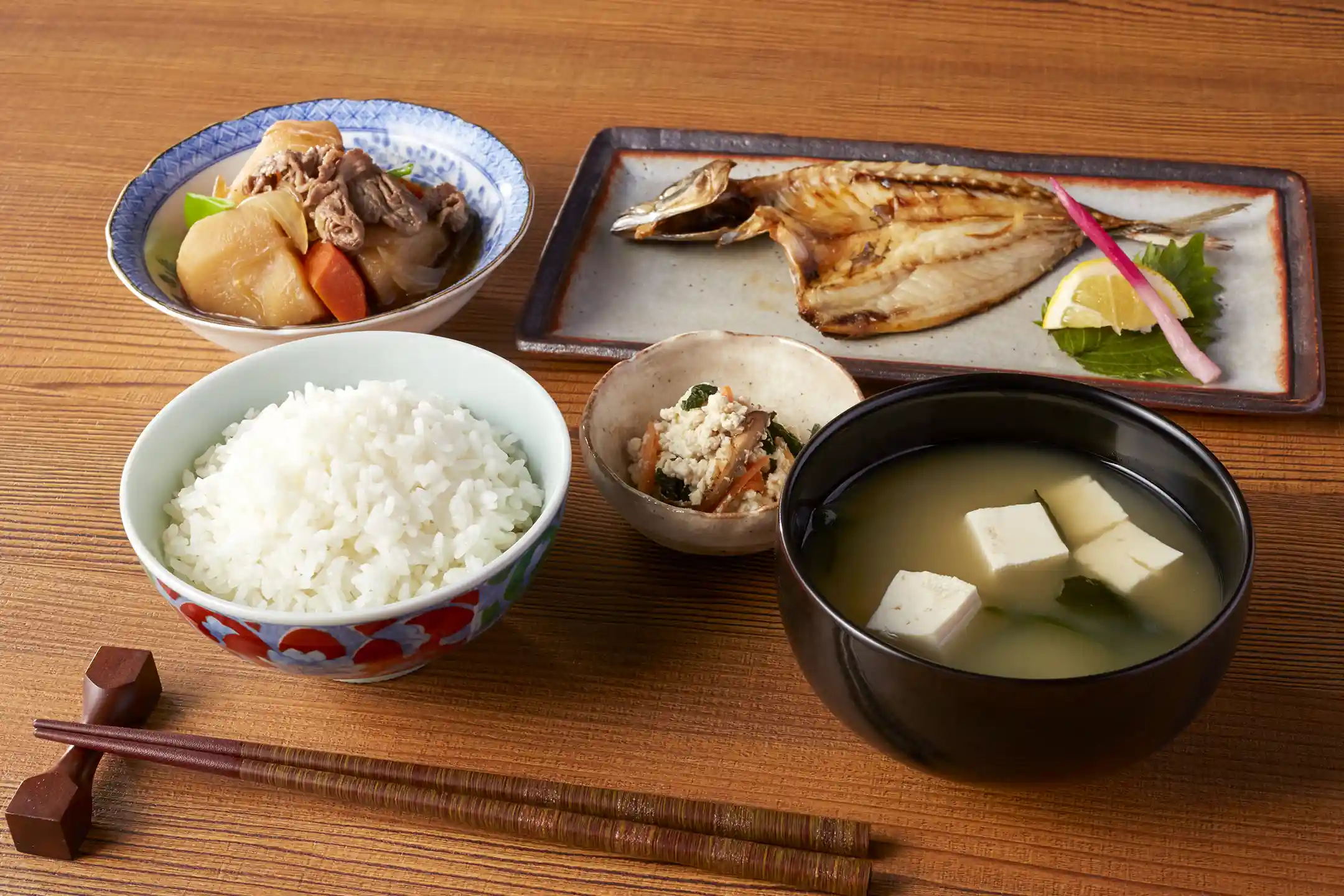
A high-end dinner in Japan is far more than flavor alone. It’s a fully sensorial cultural experience—beautiful, seasonal tableware; delicately orchestrated interiors; and heartfelt omotenashi—that lets you feel the seasons and savor hospitality with all five senses.
In this guide, you’ll unlock the essence of Japanese cuisine—from kaiseki and omakase styles to forward-looking, sustainable trends in fine dining—so you can confidently plan an unforgettable evening.
What Is a “High-End Japanese Dinner”?
A fancy Japanese dinner in Japan often means a high-end experience such as kaiseki or omakase, shaped by seasonality, refined tableware, and omotenashi. In this guide, you’ll learn what to expect, where to go in Tokyo, Kyoto, and Kobe, and which signature dishes make the experience unforgettable.
A high-end Japanese dinner is not simply a meal—it’s a cultural experience designed for your five senses. Beyond taste, Japan’s aesthetic and spirit are expressed through seasonal ingredients, exquisite vessels and furnishings, and seamless, attentive service.
This chapter introduces the core elements: kaiseki, omakase (entrusting the menu to the chef), and omotenashi, Japan’s distinctive approach to hospitality.
Kaiseki — Culinary Art That Plays the Seasons
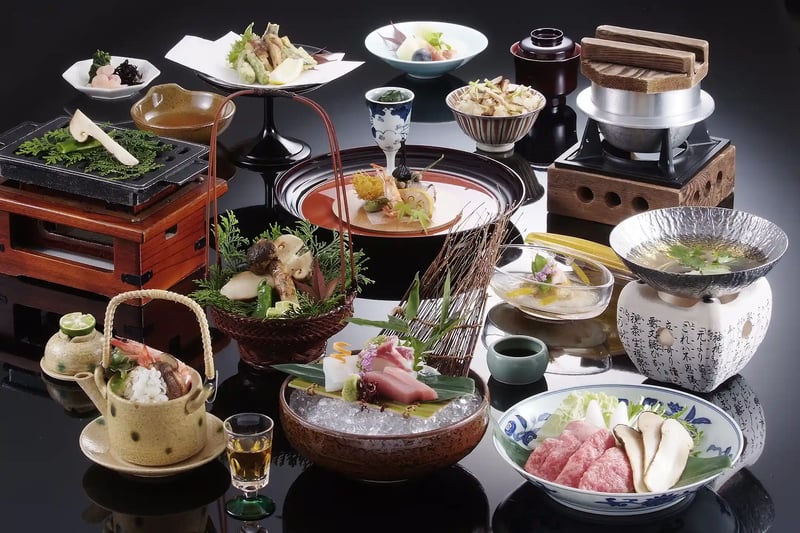
Kaiseki is a multi-course format at the heart of Japanese cuisine—an edible art form that celebrates seasonality. Originating in cha-kaiseki (the light courses served during tea gatherings), it evolved into the elegant courses served at banquets today. Each dish—from appetizers to dessert—is presented in small portions with meticulous attention to sequence and harmony.
Delicate seasoning elevates peak-season ingredients; lacquerware and ceramics are chosen with care; even the alcove scroll and seasonal flower arrangement echo the time of year. The entire space becomes a stage for beauty and season, uniting cuisine, vessels, and room into a single work of hospitality. Kaiseki is Japanese refinement distilled.
Omakase — The Supreme Experience of Trusting the Chef
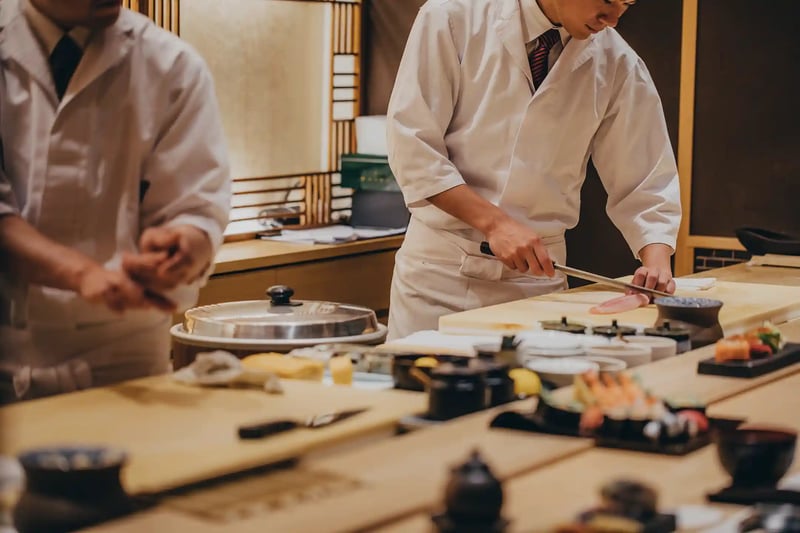
Omakase literally means “I leave it up to you.” In top restaurants, you entrust the entire menu to the chef. There’s no fixed list—only the day’s best seasonal ingredients, selected with precision and tailored to each guest.
At sushi counters and kappō restaurants, you taste surprise after surprise, building a quiet rapport with the chef that makes the experience feel truly personal. Abroad, omakase is often introduced as a bespoke journey through the finest seasonal produce. The thrill of not knowing what’s next—and tasting creations that exist only in that moment—defines its allure.
Omotenashi — Japanese Hospitality That Puts Heart First
You can’t talk about a high-end Japanese dinner without the spirit of omotenashi. More than service, it’s heartfelt welcome. Etymologies point both to motenasu (“to attend, to accomplish”) and to the idea of “no front and back”—sincerity without pretense. The aim is not transactional; it’s to offer the very best, with genuine care, so you feel fully seen.
Timing of dishes, the temperature of vessels, the discretion to never interrupt conversation—even a simple oshibori hand towel reflects guest-first consideration. Chefs and attendants move in quietly at just the right moment, shaping a sense of ease. This approach to hospitality leaves a deep impression, transforming dinner into a memory far beyond the meal itself.
Where to Enjoy High-End Dinners in Japan
Ginza, Tokyo — A Gastronomic District Where Tradition Meets Modernity
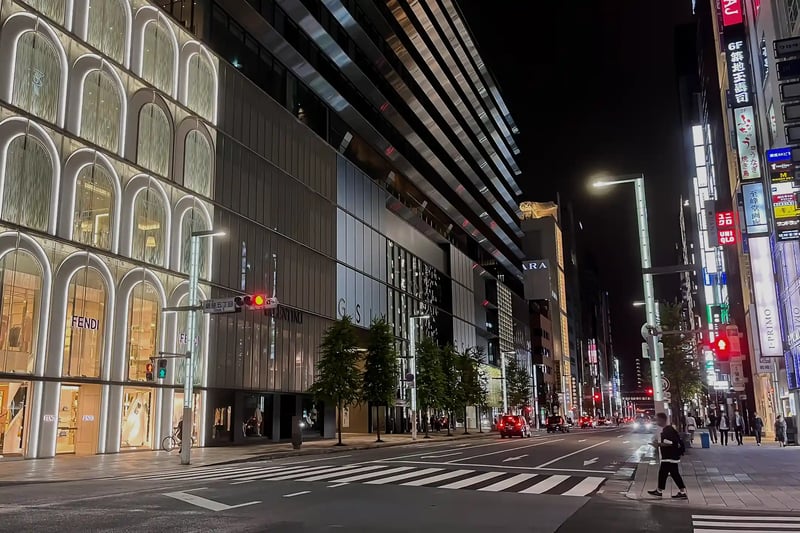
Ginza is Japan’s premier luxury dining neighborhood. Once home to an Edo-period silver mint, it was rebuilt after a Meiji-era fire with Western-style streets and has since evolved into a district where tradition and modern design coexist. Tokyo holds more Michelin-starred restaurants than any city in the world, and Ginza concentrates many of its icons.
For first-time luxury travelers, dinner in Ginza—where master craftsmanship and refined service shine—feels both reassuring and revelatory, opening a window onto the city’s depth and diversity.
Gion, Kyoto — Machiya Restaurants Alive with History
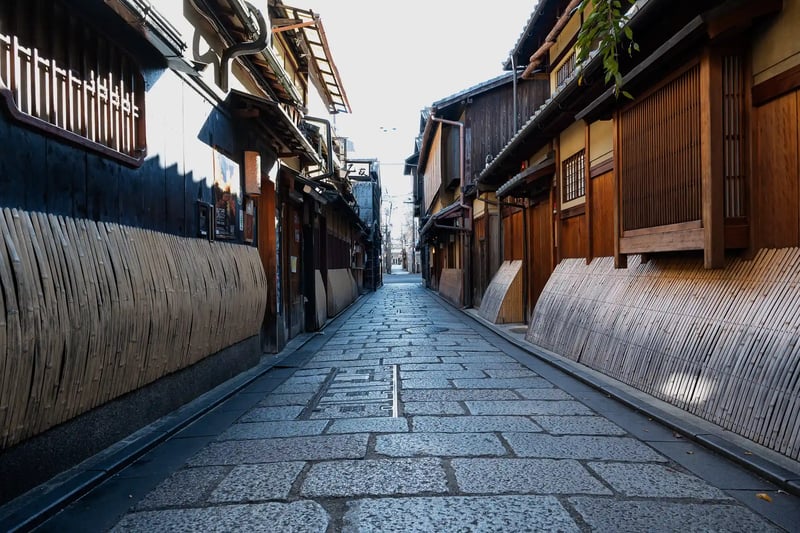
Gion is Kyoto’s historic entertainment quarter, with stone-paved lanes and lattice-front townhouses. Kyoto has the country’s second-highest number of Michelin-starred restaurants, and Gion is dotted with venerable ryōtei and kappō. In machiya restaurants serving Kyō-ryōri, you’ll savor the seasons on beautiful tableware in serene rooms that invite you to lose track of time and soak in traditional aesthetics.
Kobe & Arima — A Journey Through Wagyu’s Homeland and Hot Springs
Kobe is synonymous with world-famous Kobe beef, and nearby Arima Onsen is a hot-spring town with a 1,300-year history. At Arima’s luxury inns, you can bathe in Kinsen and Ginsen waters before enjoying a kaiseki centered on Kobe beef. It’s a rare pleasure to enjoy hot springs and haute cuisine in a single journey.
Signature Dishes & Rare Ingredients to Try at Least Once
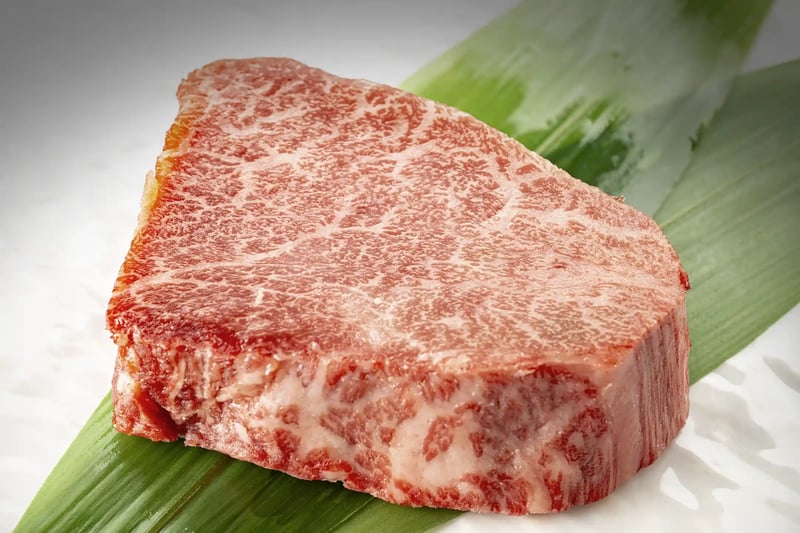
A5 Wagyu — The Sensuous Flavor Created by Marbling
Japan’s top-grade A5 Wagyu (premium Japanese Black) captivates gourmets worldwide with its fine marbling, lush umami, and melt-in-your-mouth texture.
At the Michelin one-star Oniku Karyu in Ginza, the owner carefully selects A5 Wagyu for a wagyu-forward kaiseki that may include nigiri, beef stew, and roast beef—blending Japanese and Western techniques. In an omakase by a wagyu specialist, inventive dishes arrive one after another—ribeye nigiri, chateaubriand katsu sandwiches—showcasing the character of each cut. It’s the union of rich beef flavor and creative technique that makes these “must-try” plates so unforgettable.
Ocean Delicacies — Fugu, Uni, and Ankimo
In high-end washoku, fugu (pufferfish), uni (sea urchin), and ankimo (monkfish liver) are revered luxuries.
Fugu is the king of winter flavors, requiring licensed craftsmanship to prepare. Usuki Fugu Yamadaya in Nishi-Azabu, the Tokyo outpost of a storied Ōita restaurant, earned three Michelin stars for nine consecutive years with courses featuring wild tiger pufferfish. Thick-cut tessa (sashimi) is brightened with house ponzu made from Ōita kabosu; grilled milt nigiri, kara-age, and a finishing porridge draw out fugu’s depth through practiced technique.
Equally, uni and ankimo glow in top-tier courses. Briny-sweet Hokkaidō uni crowns nigiri or delicate bowls, while winter-only ankimo, often called “foie gras of the sea,” appears steamed with sake, dressed with narazuke, or in soups—its velvet richness depending on expert preparation. In skilled hands, ankimo reveals its ultimate charms.
Liquid Jewels — Aged Sake Pairings
In the world of extraordinary dinners, the beverages matter, too. Aged sake (koshu)—mellowed over years into depth and roundness—has been drawing attention for pairings, earning the moniker “liquid jewels.” Some fine restaurants weave rare aged sakes right into their courses.
At “Sake-asobi Toratora” in Ebisu, you’ll find around 60 types of aged sake, paired with carefully sourced Japanese dishes. The owner, also a certified sake professional, curates a world of vintage sake that fascinates not only sake lovers but adventurous diners of all kinds.
Expect shabu-shabu complemented by aged junmai, Hitachi beef marinated in sake-lees miso, and other dishes that build sake into the cooking itself—elevating each plate-and-pour into harmony.
%2c%20an%20ochoko%20(sake%20cup)%2c%20and%20rice%20stalks.webp?width=800&height=533&name=Sake%2c%20a%20tokkuri%20(sake%20carafe)%2c%20an%20ochoko%20(sake%20cup)%2c%20and%20rice%20stalks.webp)
Deepening the Dining Experience Through Design and Art
Where Sukiya Architecture Meets Minimalism
Beyond flavor, spatial design profoundly shapes your experience. Some high-end restaurants welcome you into spaces that blend traditional sukiya-zukuri (tea-house–inspired architecture) with contemporary minimalism.
In Nihonbashi, the venerable Genyadana Hamadaya leads you into a world apart with warm wood and the fragrance of tatami, where you enjoy seasonal kaiseki in private sukiya rooms. In such spaces, the charm of traditional architecture and the beauty of restraint meet—no excess decor beyond scrolls and seasonal flowers—so the design of “ma” (purposeful space) can breathe.
You’ll also find hotel-based private dining rooms that recreate authentic sukiya settings: at Ryotei Cerulean Tower Sukiya inside Cerulean Tower Tokyu Hotel in Shibuya, you can reserve a tea-room-style chamber complete with a tiny garden, pairing the atmosphere of classic architecture with modern comfort.
Collaborations with Master Artisans: Tableware as Art
Harmony between cuisine and tableware is central to culinary art. Many fine restaurants now collaborate with renowned ceramic and lacquer artists, commissioning pieces tailored to each dish to heighten visual artistry.
At the Michelin one-star Nogizaka Shin, a twice-yearly “Vessels Gathering” spotlights a single artist. The restaurant exhibits the artist’s work and serves an entire menu on those pieces, with the chef composing dishes in dialogue with each vessel’s character. Even though Nogizaka Shin regularly incorporates diverse artists, limiting a course to one creator unlocks a new harmony—like dining in a gallery.
Chef’s Counters and Private Galleries
Chef’s counters—where you can watch technique and plating unfold—are essential to peak experiences. A front-row seat at the counter is like a private theater in a master chef’s kitchen.
In 2023, Butaiura (literally “Backstage”), a French restaurant in Azabudai, opened quietly behind an art gallery: a refined, industrial space with an open kitchen where a Belgium-trained chef serves playful plates right before your eyes—an experience many compare to viewing works in a gallery.
A new wave of “gallery-type restaurants” stages the space itself like an art exhibition, capturing shifting city culture and the seasons on the plate in improvisational ways. Watching a chef complete each dish at arm’s length, you sharpen all five senses—an experience that crosses the boundary between art and cuisine.
Enjoying ¥50,000-Per-Person Dinners in Japan: Sustainable and Innovative Gastronomy
Across Japan you’ll find luxury restaurants where tables are snapped up even at around ¥50,000 per person. These places don’t just serve opulence: they pursue new possibilities in gastronomy through sustainability and cutting-edge tech.
Below you’ll discover their innovative approaches—and a guide to prices, booking, and etiquette—so you can get the most from your evening.
Sustainability & Innovative Approaches
Satoyama-Born, Farm-to-Table Kaiseki
In the regions, high-end restaurants rooted in local nature are embracing farm-to-table kaiseki.
In Niigata, Satoyama Jujo works to revive traditional vegetables—like Kagura namban, Nagaoka marunasu, and Uonuma kinchaku nasu—sourcing directly from producers across the prefecture. Courses spotlight the satoyama’s shifting bounty and offer discoveries you can only find there.
In Nanto, Toyama, the auberge L’évo crafts “avant-garde regional cuisine,” elevating mountain ingredients into singular plates. Home-grown organic vegetables, wild mountain herbs, local game, and seafood from Toyama Bay—all shaped from the soil up by the chef—take center stage. With open-kitchen sounds and pastoral views outside, you experience the satoyama with all senses.
By working closely with producers and drawing on local resources, places like Satoyama Jujo and L’évo are defining a sustainable yet refined current in luxury dining.
Tech That Opens the Future of Service
Some luxury restaurants are enhancing the guest journey with technology. Tablet-based smart ordering—now found even in flagship hotel dining rooms—reduces errors and supports multilingual service.
In Ginza, MoonFlower Sagaya Ginza collaborated with teamLab to create an eight-seat immersive dinner: when dishes arrive, birds and flowers from the vessel’s design seem to bloom across the table and walls, letting the seasons unfold around you. A tiny bird might flit from one plate and alight on a branch “growing” from another; the projections respond to your movement—a bird may settle in your hand if you’re still, then fly off when you move. The monthly-changing 12-course menu features Saga beef and seasonal vegetables, engaging all your senses.
Practicing a Zero-Waste Philosophy
An increasing number of fine restaurants champion zero-waste. Since 2020, the MICHELIN Guide has awarded Green Stars to sustainability leaders; these restaurants show ingenuity you can feel as a guest.
The three-star L’Effervescence in Nishi-Azabu is a standout. By focusing on domestic ingredients, it supports producers and reduces food miles. The team avoids threatened species and uses thinned wood for the hearth to lower environmental impact and support forest renewal. In 2023, it became the first restaurant in Japan to publish its own impact report, asserting that restaurants are bridges connecting guests and producers—and that they play a role with global impact.
A dedicated waste-management team pursues full-use cooking and zero disposal. Chef Shinobu Namae notes that recipes are designed to avoid waste from the outset, and courses are portioned for what each guest can truly enjoy. Bones and vegetable trimmings not destined for the hearth become consommés or ravioli fillings—waste is meticulously eliminated. Even the ratio of women on staff and energy use are tracked, modeling a “regenerative restaurant” approach for the industry.
Minimizing environmental load while delivering a pinnacle experience is a philosophy that keeps guests coming back—even at premium prices.
Price Benchmarks and Booking Strategies
Typical Price Ranges by Budget (¥15,000–¥60,000+)
Pricing varies by restaurant and course, but having a general sense helps you plan.
Around ¥15,000 per person is often where “luxury” begins—common for entry-level dinner courses in hotel restaurants. For top French or kappō dinners by star chefs, courses in the ¥20,000–¥30,000 range are standard; with service charges and drinks, your total often reaches ¥30,000–¥40,000.
For three-star temples or omakase menus featuring the very best ingredients, totals approach ¥50,000, and some premium pairings exceed ¥60,000. For example, at Tokyo’s celebrated Joël Robuchon, the highest course runs about ¥36,000; with wine, some guests report totals near ¥50,000.
Drivers of higher pricing include costly seasonal produce (matsutake, wild high-grade fish, truffles, caviar), intensive techniques from renowned chefs, lavish private rooms, exceptional tableware, and theatrical service. These elements create the “ultimate omotenashi” that keeps reservation books full—even at premium prices.
At ¥50,000-class dinners, you can expect special touches worthy of the price: private rooms with bespoke service, finely tuned wine pairings for each course, and rare vintages served at their peak—an unforgettable, once-in-a-lifetime evening.
Best Seasons and Booking Difficulty
Seasonality also affects how hard it is to book. Cherry-blossom (March–April) and autumn foliage (October–November) seasons bring more travelers, and famous restaurants in Kyoto and Tokyo often fill up months ahead. Seats with views of sakura or gardens aflame with leaves become even more competitive.
Ingredient seasons raise demand, too: matsutake and Shanghai crab in autumn; crab and fugu in winter.
Beyond phone reservations, many restaurants now use online systems. A great many open their books on a set day 1–2 months in advance, and seats may vanish the same day.
For example, at the world-renowned Sushi Saito, the new Azabudai Hills location accepts reservations through OMAKASE, and reports suggest it’s more accessible than the main branch. In short, even “impossible” places offer a chance if you master timing and channels: note opening dates and act quickly via phone or booking platforms.
Services like Ikkyu.com Restaurants, Pocket Concierge, and TableAll sometimes surface rare seats at hard-to-book spots—worth keeping an eye on. If you’re still out of luck, a top-tier hotel concierge may secure a table.
Some restaurants run waitlists and will call if there’s a same-day cancellation. While policies at luxury spots are strict, last-minute openings do occur—business trips happen! If your dates are flexible, you might catch that lucky seat.
Etiquette and Cultural Experience Options
Dress and manners matter. Many celebrated French and Italian rooms expect smart casual—for example, at the two-star NARISAWA in Minami-Aoyama. Jackets are advisable for men; for women, elegant attire that isn’t overly revealing works well.
Traditional Japanese restaurants may not state a strict dress code, but shorts or beach sandals clash with formal settings. Some have tatami rooms where you sit on the floor, so choose something comfortable and neat.
As for table manners, pace yourself with the course and avoid overusing your phone or speaking loudly. Photo policies vary: flash and loud shutters disturb others and are generally discouraged. Even where photos are allowed, it’s courteous to acknowledge the dish and start promptly—skip long photo sessions. Some restaurants ban phones/shooting entirely; if you plan more elaborate photos, ask first.
Strong perfumes interfere with aromas and are best avoided; likewise, don’t arrive with smoke on your clothing.
Some venues offer cultural add-ons that turn dinner into a deeper encounter with Japan. At Kochūan inside Happo-en (Shirokanedai, Tokyo), you can arrange a plan that combines a full tea ceremony in a garden tea room with kaiseki. Watching a tea master perform the ritual—and whisking matcha yourself—is a highlight for many international guests.
Other ryōtei can arrange kimono dressing, or performances of Noh or maiko dances before or after dinner (advance reservations for special plans required). Restaurants with robust sake programs sometimes include guided pairings, where a certified kikizakeshi explains each brew’s cultural background—so your evening becomes a cultural journey, not just a meal.
A luxury dinner in Japan lets you relish not only a singular night, but also a living sense of place and season. You’ll admire sustainable sourcing, marvel at playful technology, and learn from gestures and traditions unique to Japan. At ¥50,000 per person, the value you take home goes far beyond price—where dignity and innovation meet in a dining experience you’ll feel with all five senses.