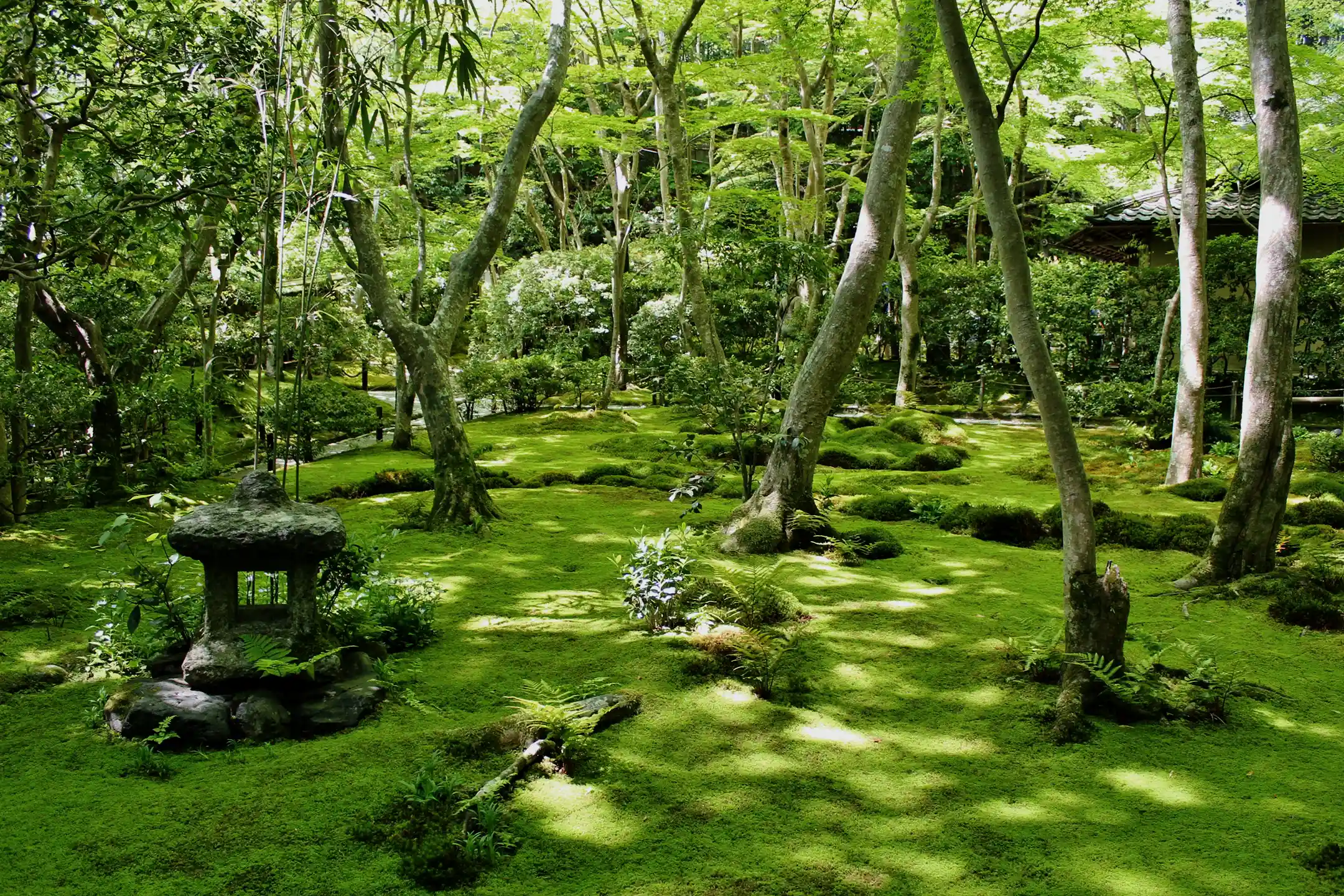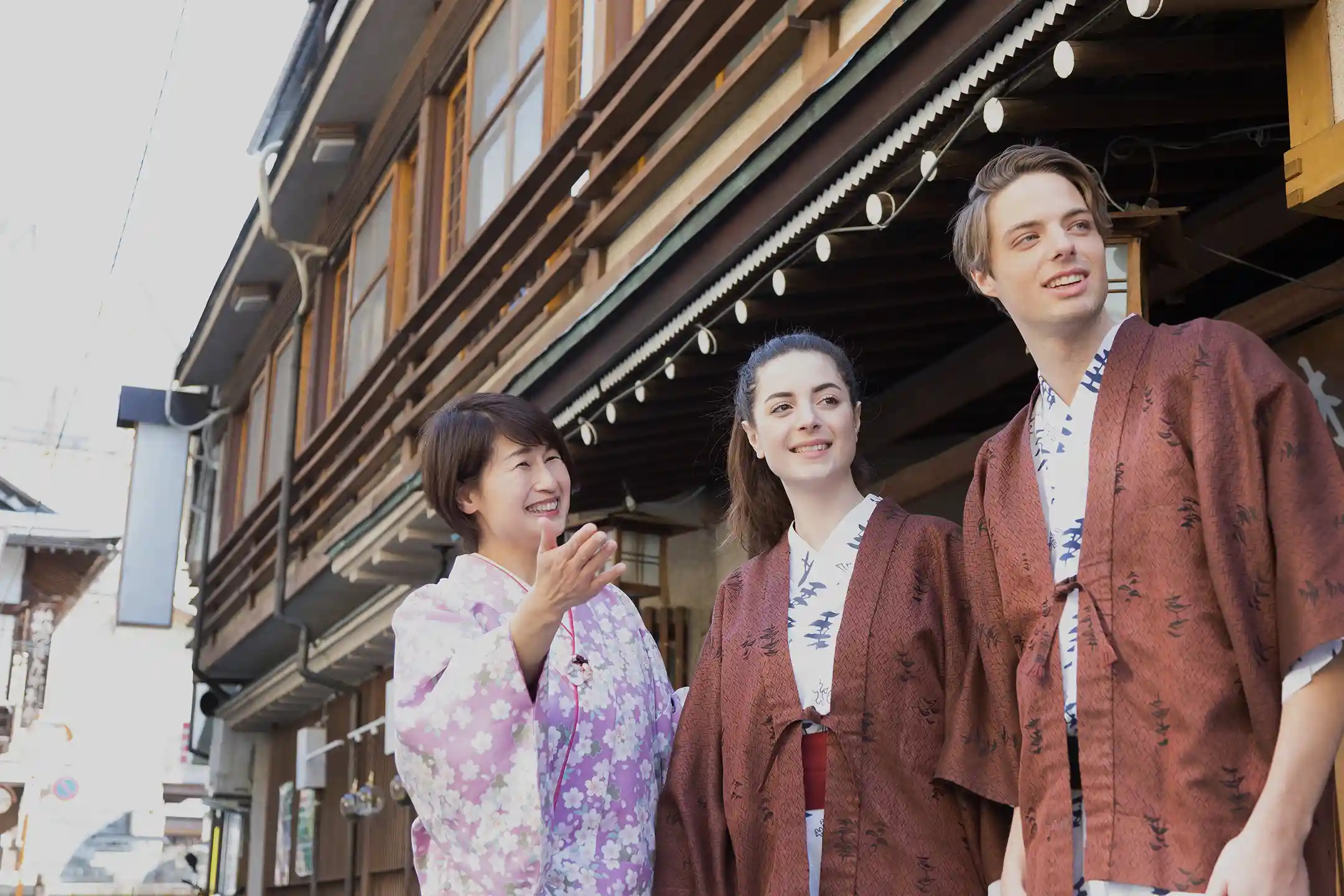
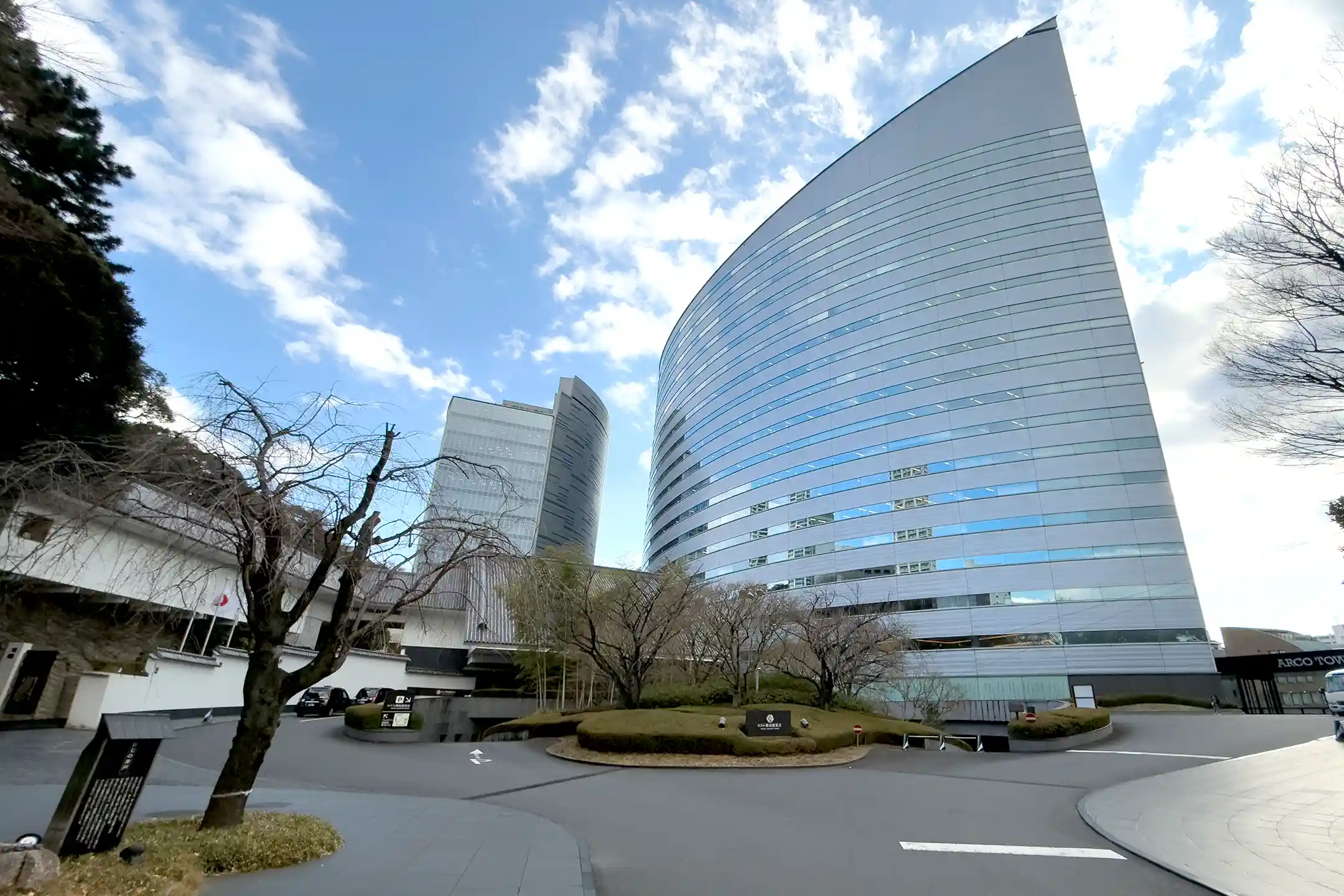
Tokyo is a city at the cutting edge of the world and, at the same time, a place where remarkably deep traditions and culture breathe. That very contrast is what gives the city its singular allure. If you want to elevate your time in Tokyo into something richer and more intellectually engaging, choosing a quintessentially Japanese ryokan makes all the difference.
In this article, you’ll discover one‑of‑a‑kind experiences offered by Tokyo’s luxury ryokan—designed for travelers who care about culture, the arts, fine dining, and sustainability. By stepping into refined spaces and experiencing wholehearted hospitality, you’ll meet a new side of Tokyo you might never have expected.
The Appeal Unique to Tokyo Ryokan|A Stay Where Tradition and Innovation Converge
Japanese ryokan, grounded in the time‑honored spirit of omotenashi (wholehearted hospitality)(*1), strike a beautiful balance between traditional atmosphere and modern comfort. Even in one of the world’s great metropolises, you can feel the coexistence of heritage and hyper‑modern life at every turn(*1).
For example, some properties in the city repurpose buildings of high historical value, preserving the grace of registered wooden cultural assets so well that you feel as if you’ve slipped back a century in time(*2).
Meanwhile, other ryokan occupy upper floors of high‑rises yet commit to a uniquely Japanese mode of stay: tatami‑matted corridors on every level and a shoes‑off policy that extends right into the elevators. Some even pipe natural hot spring water from deep underground to rooftop baths, letting you gaze up at the night sky while soaking in the open air—an emblem of tradition fused with the latest engineering(*3).
Design reflects this pairing, too. Facades may feature metal lattices patterned with Edo komon motifs, while interiors lavishly use natural materials like wood and washi paper.
Tatami‑matted hallways and the gentle light filtering through shoji screens harmonize with contemporary interiors, and curated craft pieces placed throughout express a cultivated aesthetic(*3). In short, Tokyo’s ryokan offer a rare lodging experience that marries an aesthetic shaped by tradition with the city’s spirit of innovation.
Engage with Culture and Art|Special Art Experiences at Tokyo Ryokan
At Tokyo’s luxury ryokan, the stay itself often becomes a museum‑like cultural immersion. Some properties maintain in‑house gallery spaces where you can linger over paintings and sculpture without ever leaving the building.
For instance, the long‑established luxury hotel Meguro Gajoen hosts large‑scale exhibitions—set inside the historic “Hyakudan Kaidan” (One Hundred Steps), a Tokyo‑designated Tangible Cultural Property—where the theme changes annually. You’ll encounter everything from traditional crafts to contemporary works and enjoy moments that feel very much like time in a museum(*1).
In many ryokan, guest rooms and corridors quietly showcase regional artworks and artisan pieces so you naturally absorb Japanese aesthetics as you move through your day. Some even offer guided tours of their collections for staying guests; you can listen to English audio guides introducing decorative elements such as fusuma (sliding‑door) paintings and ornaments crafted from house parts dating back about a century(*2).
Certain ryokan also host events that connect you with artists and keepers of traditional performing arts. At HOSHINOYA Tokyo, for example, tea ceremony sessions are offered to guests on a regular basis, and intimate mini‑performances of shamisen or koto are staged in the lounge—close enough for you to appreciate the finesse of each performer’s craft(*2).
These programs often invite you to participate—whisking your own bowl of matcha or speaking directly with performers—so the experience goes beyond passive viewing. In addition, many Tokyo ryokan create time‑limited projects that bring Japan’s heritage into focus.
One example is a property‑wide showcase of traditional crafts and artworks from around the country. With more than a hundred exquisite pieces by master artisans displayed across the premises, you can encounter the cultural diversity of Japan while simply going about your stay(*3). In this way, Tokyo’s ryokan offer a wealth of art experiences—from art appreciation to live encounters with traditional performance—that satisfy your curiosity.
Savor Refined Gastronomy|Culinary Experiences at Tokyo Ryokan
Meals—one of the joys of a ryokan stay—become exquisitely balanced encounters with tradition and innovation at Tokyo’s top properties. Some ryokan serve modern courses that reinterpret kaiseki, the pinnacle of classic Japanese cuisine, so you can enjoy culinary creativity that truly feels like “the art of food.”
At one luxury ryokan’s dining room, a signature “Nippon Cuisine” course blends French techniques with peak‑season Japanese ingredients. Over roughly three hours, each dish reveals a different facet of the season in an experience as thoughtful as it is delicious(*1).
The head chef is an award‑winning talent who unites time‑honored Japanese wisdom with leading‑edge methods, expressing both “the best of the old” and “new taste adventures” within a single course(*1).
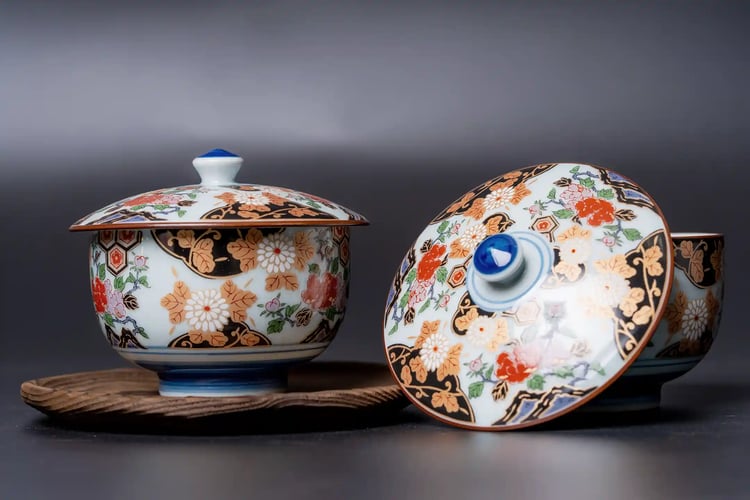
Presentation heightens the pleasure. Tableware and spatial design are curated with care: elegant ceramics and lacquerware mirror the seasons, and plating turns each dish into a canvas. Shapes and motifs—cherry blossoms in spring, fiery maples in autumn—are selected to echo the ingredients, so vessel and cuisine together create art you savor with all five senses(*2).
From lighting and furnishings to views beyond the window, everything contributes to a refined atmosphere. A quiet meal while gazing at a pocket garden, for example, becomes a moment of pure harmony with Japanese aesthetics(*2).
Some ryokan also host programs that deepen your appreciation of food and drink. Seminars and events led by chefs or sommeliers let you taste while learning about seasonal produce and pairings with sake or wine.
At HOSHINOYA Tokyo, an evening tasting event pairs premium sake with seasonal dishes; as you sip, you can reflect on the history of Japan’s food culture and appreciate each pour more fully(*3). In short, Tokyo ryokan invite you not merely to dine but to experience, study, and feel the seasons through cuisine.
Stimulate Your Curiosity|Cultural Activities at Tokyo Ryokan
Tokyo ryokan curate a diverse range of programs to delight your curiosity.
First, hands‑on workshops in Japanese culture are perennial favorites. You can join beginner‑friendly classes in tea ceremony, flower arrangement (ikebana), or incense ceremony (kōdō) without stepping outside.
At HOSHINOYA Tokyo, for example, a purpose‑built tea room welcomes you to learn the basics and whisk a bowl of matcha yourself—an intimate pause of stillness and wabi‑sabi in the heart of the city(*1). With expert instructors and staff offering careful explanations in English, even first‑timers feel at ease.
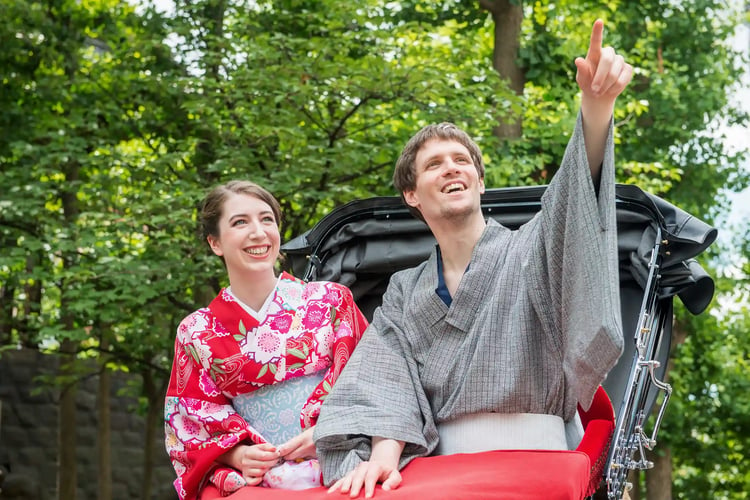
There are also special neighborhood walks that make the most of Tokyo’s setting. On guided tours led by experts in history and architecture, you might depart the ryokan by traditional rickshaw, winding through downtown lanes and historical sites while stories bring Edo‑period culture to life(*2). Seeing the city at an unhurried pace reveals things you might otherwise miss.
Ryokan often serve as places where guests meet and learn together. You may find nightly sake tastings in a shared lounge or casual conversations by an irori hearth—chances to connect with other travelers and staff.
Especially notable are collaborations with outside cultural institutions. One luxury ryokan, for example, partners with a prestigious department‑store culture salon to offer recurring “Learn Japanese Culture” stay plans(*3).
The inaugural program centered on nihonshu (sake). During the stay, a sake professional led a seminar covering terroir—how soil in the rice‑growing regions shapes flavor—and the historical ties between Japanese life, rice, and sake. Guests then compared notable bottles from across the country(*3).
At dinner, a special course focused on fermented foods was paired with six carefully chosen summer sakes. As you enjoyed the pairings, the lecturer explained each label and highlighted tasting points(*3).
Because these programs are intimate in size, you can exchange impressions with fellow participants and ask questions freely, creating a depth of learning rare even at home. By offering “places of learning and exchange,” Tokyo ryokan heighten the value of travel well beyond the overnight stay.
Enjoy a Sustainable Stay|Eco‑Friendly Ryokan in Tokyo
In recent years, sustainability has become a clear priority among Tokyo’s luxury ryokan and hotels. While it may seem unexpected in a vast metropolis, the citywide drive toward carbon neutrality by 2050 has inspired the hospitality sector to adopt ambitious eco‑friendly measures.
For example, some high‑end properties deploy Building Energy Management Systems (BEMS) to optimize efficiency across entire facilities. Others reclaim heat from HVAC exhaust or kitchen wastewater, reuse rainwater or groundwater, and make robust efforts toward circular resource use behind the scenes(*1).
You’ll also see full LED lighting with motion sensors, heat‑exchange ventilation that improves HVAC performance, and high‑insulation glazing—signs of cutting‑edge environmental technology at work(*1). Interior materials may include domestically sourced wood and thinned timber, reducing transport emissions and helping forest stewardship(*1).
Reducing plastic waste is another major theme. At one luxury hotel, plastic straws have been replaced with paper or biodegradable alternatives; amenity containers in guest rooms have shifted to recycled paper or glass, part of a thorough plastic‑reduction policy(*2).
Across the industry, you’ll notice bamboo or wooden alternatives to single‑use plastic toothbrushes and combs, and even heritage hotels are announcing the partial phase‑out of plastic amenities(*3).
As more guests travel by electric vehicle, EV charging is increasingly common. In central Tokyo, high‑end hotels install Tesla Superchargers and universal chargers in their garages so you can top up confidently during your stay(*3).
For example, a hotel in Akasaka provides four Tesla Superchargers and two Destination Chargers, while a property in the Marunouchi area offers rapid chargers that can replenish your car in roughly thirty minutes(*3).
By embracing environmental care and the latest technology, these properties overturn the old idea that “luxury equals heavy impact,” proving that indulgence and sustainability can coexist.
Some hotels even help you learn about their initiatives. Through on‑site displays and guided staff tours, they introduce their energy‑saving systems and waste‑recycling efforts so your stay prompts reflection on sustainability itself.
Given Tokyo’s push toward zero emissions, expect these green practices across ryokan and hotels to progress even further.
Best Ryokan in Tokyo|Five Picks for the Curiosity‑Driven Traveler
Five High‑End Tokyo Ryokan with Exceptional Cultural Value
Here are five carefully selected Tokyo ryokan we especially recommend if you value learning and seek a refined journey. Each commands ¥40,000 or more per night, and each is celebrated—domestically and abroad—for delivering an experience worthy of the price.
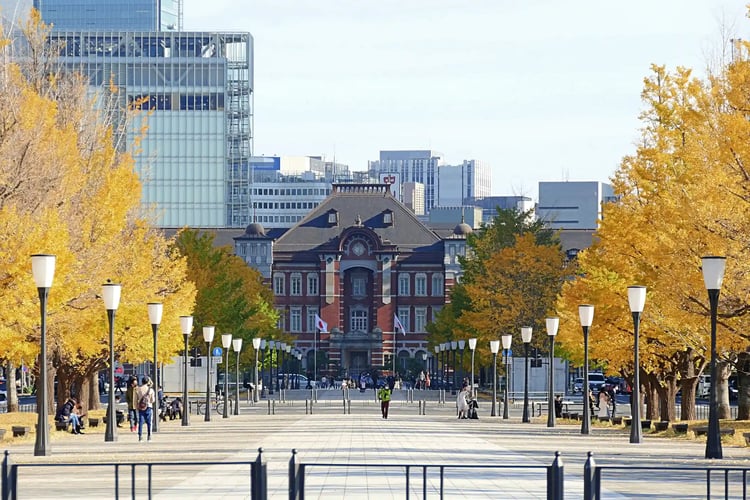
- HOSHINOYA Tokyo (Ōtemachi) – A luxury ryokan often described as an “urban hideaway” where tradition and contemporary sensibility meet. Steps from Tokyo Station and surrounded by skyscrapers, you enter a different world of hush and harmony the moment you cross the threshold. Expect tatami‑lined corridors, cypress‑scented rooms, and a dramatic public bath graced by bold gold‑leaf art—classic ryokan beauty reinterpreted with modern design.
Each floor has its own Ochanoma Lounge, where you can relax with complimentary tea, sweets, and sake, creating a sense of privacy like a small ryokan on every level.
The rooftop open‑air bath draws hot spring water from 1,500 meters below ground; soaking while looking up at Tokyo’s sky is a luxury you won’t easily find elsewhere. HOSHINOYA Tokyo earns high praise from guests who say it feels like “traveling to another world” while keeping today’s comforts close at hand(*1).
- Hotel Gajoen Tokyo (Meguro) – A storied luxury hotel with more than 90 years of history, embodying Japanese artistry and opulence. Nicknamed the “Ryūgūjō of the Shōwa era” (a legendary palace under the sea), the interiors bloom with Japanese paintings and carvings; guided tours showcase the famed Hyakudan Kaidan and the hotel’s art collection.
Some original early‑20th‑century architectural spaces—masterpieces of craftsmanship—are preserved for viewing with audio guides, a guest‑favorite cultural perk(*2). Rooms blend Japanese design notes with modern amenities, and the grounds include a Japanese garden complete with waterfalls.
At Tōfūtei, the hotel’s kaiseki restaurant, you can savor seasonal ingredients prepared with meticulous care, tasting Japan’s sense of season and beauty through cuisine(*2). For travelers who want to immerse themselves in tradition without sacrificing comfort, Hotel Gajoen Tokyo is an ideal choice.
- Chashitsu Ryokan Ginza (Asakusa) – Opened in 2019 in a nostalgic corner of Asakusa, this small luxury ryokan is conceived around the tea room. True to its name, you’ll feel the spirit of tea ceremony and the grace of traditional architecture throughout. Interiors embrace shadow and restraint; guest rooms are simple, calm, and beautifully composed(*3).
All rooms have tatami and futon, and the shoji‑ and fusuma‑lined spaces feel as serene as a tea gathering(*3). There’s a foot‑bath area and a small moss garden, offering soothing pockets of “wa” even in the city.
Breakfast can be tailored—Japanese or Western—while dinner is intentionally left open so you can enjoy Asakusa’s vibrant food scene(*3). With a location perfect for strolling, this hideaway suits travelers who want to feel tradition and old‑town culture with their own senses.
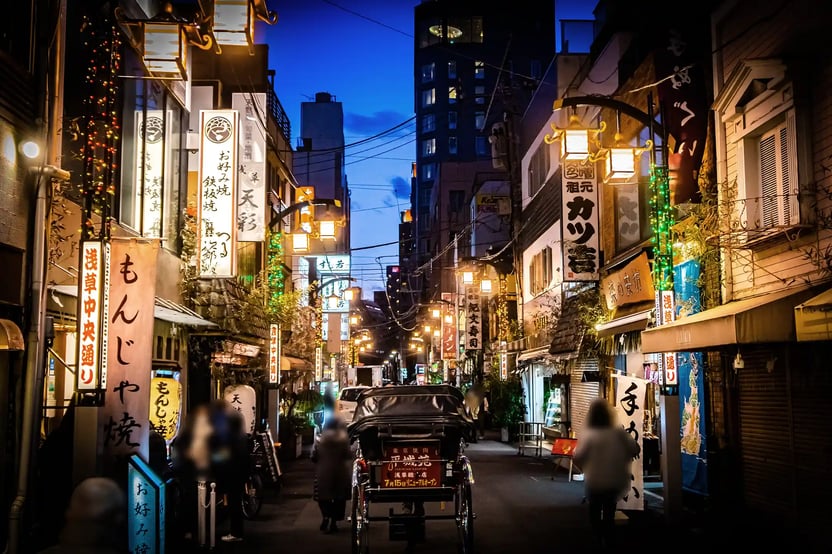
- ONSEN RYOKAN YUEN BETTEI DAITA (Tokyo–Daita) – In quiet Setagaya‑ku Daita, this refined 35‑room onsen ryokan offers the ease of “staying at a hometown hot spring” without leaving the city. Nestled in a residential neighborhood, it keeps a low profile.
The design fuses classic Japanese beauty with modern sensibility; in addition to serene Japanese‑style rooms, some accommodations offer Western‑style beds so you can be comfortable even if tatami isn’t your preference(*4). True to its name, the hot spring is the star: high‑quality water is brought from Hakone and enjoyed in the large baths and in some rooms’ private open‑air tubs.
From the rooftop open‑air bath, you can see the Shinjuku skyline in the distance—a much‑talked‑about pairing of city views and thermal waters. The restaurant earns acclaim for skillful Japanese dinners such as teppan and tempura(*4). For travelers seeking calm, renewal, and convenience, this is an ideal retreat just beyond the bustle.
- TRUNK(HOUSE) (Kagurazaka) – One of Tokyo’s most distinctive, invitation‑only stays hides in a Kagurazaka backstreet. Limited to a single party per night, this fully private, single‑building accommodation is a painstakingly restored former geisha house from 70 years ago.
Its black fences and pines whisper history; inside, a tatami tea room and a hearth room blend period atmosphere with modern luxury in a way that feels almost cinematic(*5).
Antique furnishings and a cypress‑wood bath accented with shunga coexist with modern touches like leather sofas and terrazzo floors(*5). The showstopper: a sound‑insulated private disco room underground, complete with a neon‑lit bar and dance floor—an indulgence reserved just for you(*5).
Attentive service by a dedicated butler and chef consistently earns raves. Conceived as a “Tokyo salon,” TRUNK(HOUSE) invites curious guests to savor both culture and play, all with absolute privacy.
Cultural Background to Know Before Your Tokyo Ryokan Stay
A bit of cultural grounding enriches your ryokan experience. Some say ryokan date back to the Nara period, but they truly flourished during the Edo period (1603–1868).
Along the five highways maintained by the shogunate, post‑town lodgings—honjin and hatago—served feudal lords and merchants, and these became the direct ancestors of today’s ryokan(*6). This lineage continues in Tokyo.
Modern Tokyo ryokan still prize traditional style and the spirit of hospitality—welcoming you to relax as if at home. You’ll often remove your shoes at the entrance and slip into slippers, sit at a low table on tatami to enjoy tea, and discover ways of being that differ from a conventional hotel(*7).
Rooms typically feature low tables and cushions, and a tokonoma alcove may display seasonal flowers—spaces that invite you to feel the Japanese sense of ma (intentional space) and quiet. Public bath etiquette (rinsing before soaking, keeping voices low) and wearing a yukata may be new, but staff explain everything with care, so you can relax.
Because Tokyo ryokan welcome international guests, signage and explanations in English are common, easing any worries about cultural differences.
Above all, ryokan cherish a hospitality ethos: to help you truly unwind. In Japanese, it’s called omotenashi—you’ll feel it in the small kindnesses and warm attention from staff. A casual preference mentioned in conversation might result in seasonal wagashi waiting in your room, or a staff member might thoughtfully help with sightseeing and dining advice. As you encounter this spirit, your understanding of Japanese culture deepens—and so does your sense of calm.
Learning these basics before you go makes your stay that much richer.
Planning Tips to Enrich Your Tokyo Ryokan Stay
To make the most of a ryokan stay in Tokyo, consider a few practical pointers:
First, when booking, look into meal‑inclusive plans. Dinner kaiseki and breakfast are cornerstones of the ryokan experience and a superb way to meet Japan’s seasons and local flavors. Many ryokan include both meals by default, serving beautifully presented dishes made with fresh regional ingredients(*1). Whether served in your room or at a dining venue depends on the property, but either way, it’s a special, guest‑only culinary moment you won’t want to miss(*1).
Next, check for seasonal events and activities unique to the property. In autumn you might find moon‑viewing evenings; around New Year’s, special hot‑spring rituals or otoso (spiced sake) service.
One ryokan’s “Moon‑Viewing Stay” offered moon‑viewing dumplings and signature cocktails on the night of the full moon—an experience that earned glowing feedback(*2). These limited‑availability plans can book up quickly, so early inquiries are wise.
During your stay, join cultural programs that catch your eye: tea ceremony, incense, guided neighborhood walks, or an in‑house art tour. Saying “yes” opens the door to new discoveries and conversations, and your trip becomes that much more memorable.
At check‑in, listen carefully as staff explain facilities and services, and ask questions as needed. Tokyo ryokan teams are accustomed to assisting in English. Don’t hesitate to confirm details such as public bath hours, private‑bath reservations, where you can go in loungewear, and more. Some traditional ryokan set a nighttime curfew, so if you plan to be out late, it’s good to check in advance(*3).
If you’re arriving by EV, contact the property about charging; you’ll feel more relaxed knowing your options. Finally, embrace the luxury of “doing nothing.” Reading quietly in your room or garden, or chatting with fellow travelers in the lounge, offers a kind of renewal that thoughtful travelers especially value.
With a little preparation and the right mindset, you’ll feel the deeper layers of what makes a ryokan stay in Tokyo so rewarding. Use the tips above to design a stay that feels uniquely yours.

.webp)