In Kyoto, the thousand-year capital, tasting Kobe beef is far more than enjoying a “luxury steak.” It is an invitation to step into Japan’s history, spirituality, and aesthetics all at once. Here, ancient temples and shrines quietly mark the passage of time, while innovative chefs continue to push the boundaries of culinary expression.
In this fascinating intersection of contrasts, comparing Japanese and Western approaches to beef—how it is chosen, prepared, and savored—reveals cultural values embedded in each. For example, in the West, bold flavors from dry aging and the texture of lean cuts are often prized. In Japan, it is the intricate marbling and melt-in-your-mouth tenderness that define perfection.
It’s not about which is superior. Instead, by appreciating Kobe beef from the perspective of “diverse tastes shaped by environment and history,” your journey becomes richer, offering not just a meal but a deeper understanding of cultural diversity. For travelers seeking the
For many Western travelers, “Kobe Beef” is one of the first encounters with Japan through taste—an iconic experience that lingers long after the journey ends. Unlike Western steak culture, where bold, lean cuts often take center stage, in Japan the fine marbling of fat is prized as a kind of “melting sweetness.”
This difference in taste becomes an entry point into understanding each other’s food cultures more deeply. In this article, you’ll trace the history and production background of Kobe Beef, explore Kobe’s unique cityscape, and discover recommended restaurants—useful if you’re wondering where to eat Kobe beef in Japan—so your trip transforms into a richer journey of cultural connection.
What Is Kobe Beef? History and the Appeal of the Brand
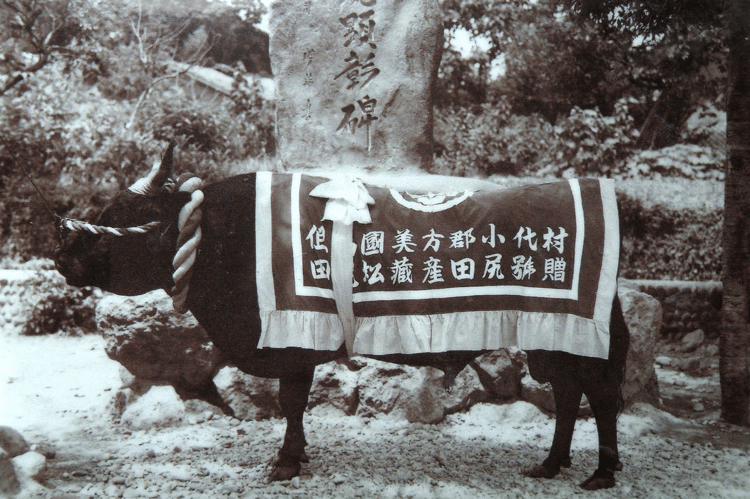
Kobe Beef refers to a rare type of Wagyu from Hyogo Prefecture’s Tajima cattle that meets the strictest standards. While in the West the focus is often on “breed” or “cut,” in Japan quality is defined by a trinity of bloodline, rearing environment, and final finish. In the Tajima region, cattle have long been integral to farming and transport.
The lineage of Tajima cattle is said to stretch back more than 1,000 years, but it was after the Meiji era that refinements led to the Wagyu culture you see today—a path that stands in stark contrast to Europe, where the Industrial Revolution propelled livestock farming toward mass production.
Tajima’s climate, with sharp temperature shifts and pure water sources, fosters grasses that encourage fat to spread slowly and finely into muscle fibers. Farmers treat cattle not as “resources” but as “family,” raising them for around 30 months in low-stress environments. This way of “living together” reflects a rural Japanese philosophy of human–animal coexistence.
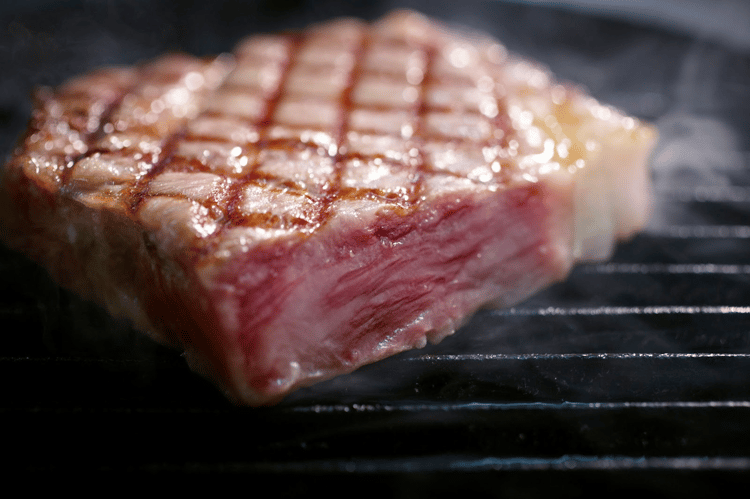
Behind the beautiful marbling—often praised as a “work of art”—lies a Japanese sensibility that honors harmony between nature and people. The brand’s strict certification and GI recognition further protect its authenticity and reputation.
A Walking Guide to Kobe: Where Food and Culture Meet
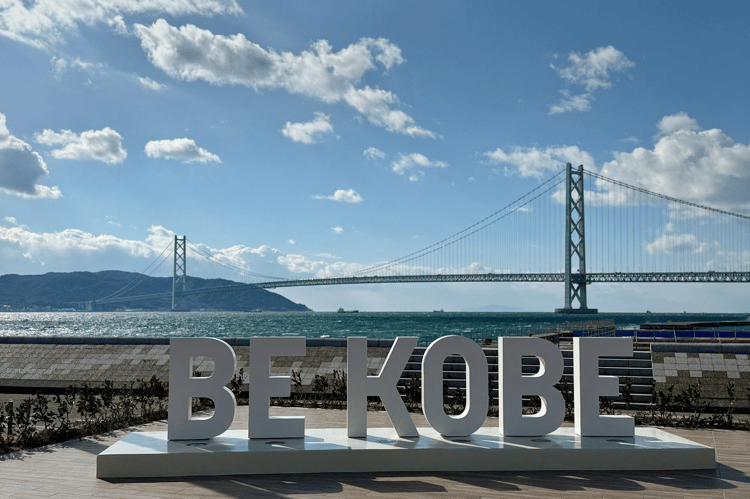
Since its opening as a port city in the 19th century, Kobe has thrived as a gateway where cultures intersect. In Kitano, the Western-style residences of the Ijinkan district stand in striking contrast to traditional Japanese wooden homes, with stone architecture expressing foreign aspirations yet blending with Japanese roof tiles and verandas. This hybrid aesthetic reflects Japan’s remarkable ability to adopt outside influences and make them its own.
The grid-like streets of the Old Foreign Settlement are remnants of Western city planning. As you pass stone façades of historic buildings, you’ll notice how seamlessly Japanese life has woven such architecture into daily rhythms. By the time you head to a steakhouse under the glow of gas lamps at dusk, you no longer feel like a visitor but part of the unfolding story.
Recommended Restaurants: Where to Eat Kobe Beef in Japan
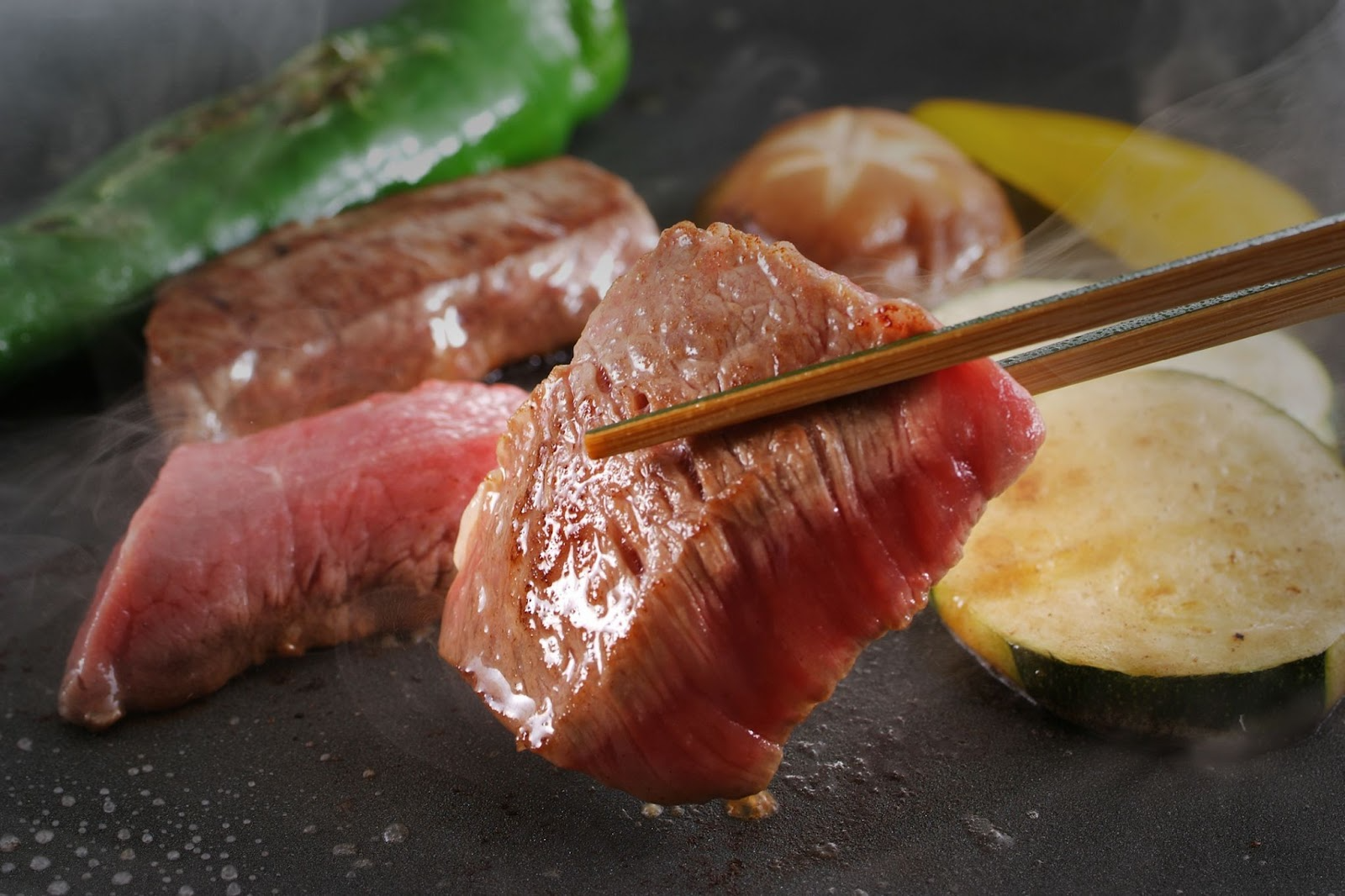
Misono Kobe Main Restaurant – Founded in 1945, this legendary teppanyaki house pioneered the live-cooking style you see today. Inspired by “open-kitchen” concepts brought by foreign residents after the war and fused with Japanese craftsmanship, its sizzling iron grill becomes a stage where sound, aroma, and anticipation transcend language.
Kobe Steak Restaurant Mouriya – At this long-established counter-style restaurant, chefs cook Kobe Beef right before your eyes. While Japanese culture often emphasizes concealing backstage work, here transparency builds trust—an encounter with openness that resonates with Western dining values.
Steakland Kobe-kan – A large, popular spot offering Kobe Beef at more approachable prices. Sharing a line with others may feel unusual if you value personal space, but conversations while waiting often spark a sense of camaraderie that transcends borders and generations.
How to Choose a Kobe Beef Restaurant: Enjoying Different Styles
Teppanyaki Style – Immersed in the Drama
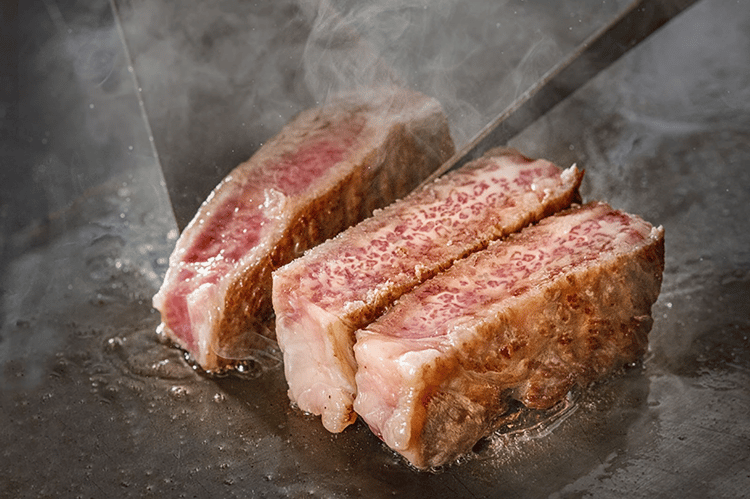
Teppanyaki is where food and entertainment merge. While Western BBQ celebrates boldness, Japanese teppanyaki captivates with quiet pauses and refined movements. Sharing your preferences with the chef and watching flavors shaped just for you becomes a cross-cultural dance of mutual trust.
Kaiseki Style – Experiencing the Heart of Japanese Aesthetics
From lacquered bowls to plates adorned with seasonal flowers, every dish embodies the idea that “you eat with your eyes.” When Kobe Beef appears mid-course, it feels like the star rising onto the stage—heightening emotion within a serene flow. Savoring this slower rhythm lets you feel the heartbeat of Japanese culture.
Casual Steakhouses – Affordable Indulgence with Japanese Hospitality
Standing bars and beef sushi may recall Western street food, but the moment staff greet you in polite Japanese, you discover the distinct charm of “casual comfort wrapped in courtesy.”
Restaurants Where Design Meets Culinary Art
Modern-Classic Fusion Spaces
At Kobe Beef 512, the interplay of wood, stone, and light creates minimalist elegance that embodies the Japanese idea of appreciating “empty space.” Unlike lavish Western interiors, the pared-back design elevates the cuisine as the true protagonist.
Private Dining Luxury
In Kyoto’s Nikuyakou, private rooms with attentive staff adapt to the subtle rhythms of your presence. The balance of Western privacy and Japanese omotenashi turns dining into a resonant, deeply personal experience.
(Reference: Kobe Beef 512 Official Website “Interior” – Modern Japanese-style interior using wooden lattice and earthen walls, promoting the “fusion of Japanese tradition and modernity” https://kobebeef512.jp/interior/)
(Reference: Ikkyu Restaurant (Nikuyakou) Listing “A Special Moment to Savor the Finest Meat in a Private Space” – Kyoto restaurant offering Kobe Beef and branded Wagyu in all-private dining rooms https://restaurant.ikyu.com/113017/plan11486050)
Sustainable Kobe Beef – Supporting Farmers and Communities
Just as the “Farm to Table” movement has spread in the West, the Tajima region has long practiced a cyclical lifestyle where rice straw feeds cattle and manure fertilizes fields. This sustainable cycle echoes today’s environmental consciousness.
In Kurodasho, circular farming systems and educational programs at Tajima Bokujo Park help connect producers’ voices directly to your plate. When children look into the gentle eyes of cattle during farm tours, their understanding of what it means to “receive life” begins to shift. The Japanese phrase “itadakimasu,” spoken before meals, reflects this cultural and ethical awareness.
Where to Eat Kobe Beef Outside of Kobe
Tokyo Area Highlights
At Ginza’s Kobe Beef Steak Ishida, a minimalist counter turns a chef’s focus into theater. At Bifteck Kawamura, cattle ID numbers are displayed, reassuring guests who value food traceability. At Monsher Tonton, 1960s interiors preserve a nostalgic atmosphere—an example of Japan’s love for “aging with grace.”
Kansai and Beyond
In Osaka, the newly opened Kobe Beef Steak Murakami offers an intimate “mini-theater” atmosphere inside a modern mall. Meanwhile, the historic Misono Osaka branch keeps its lively postwar performance alive. In Kyoto’s Gion, Mouriya welcomes you into a traditional townhouse space where the taste of Kobe Beef and the quiet elegance of wabi-sabi unfold together.
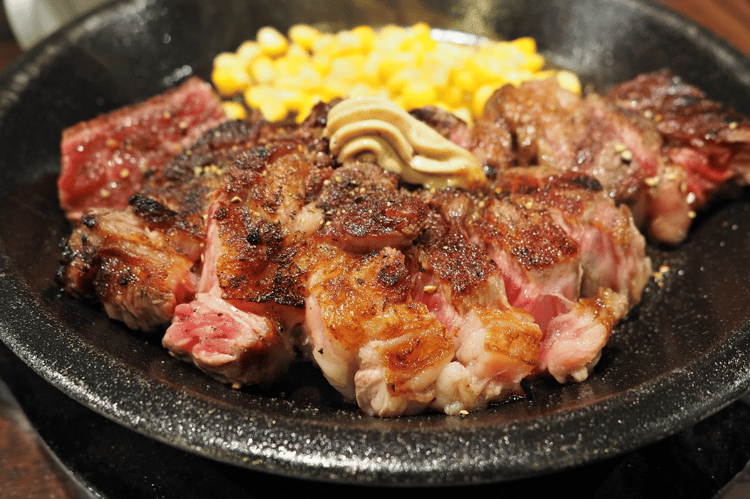
Why Kyoto Is the Best Place to Enjoy Kobe Beef
A Unique Atmosphere Born of History and Tradition
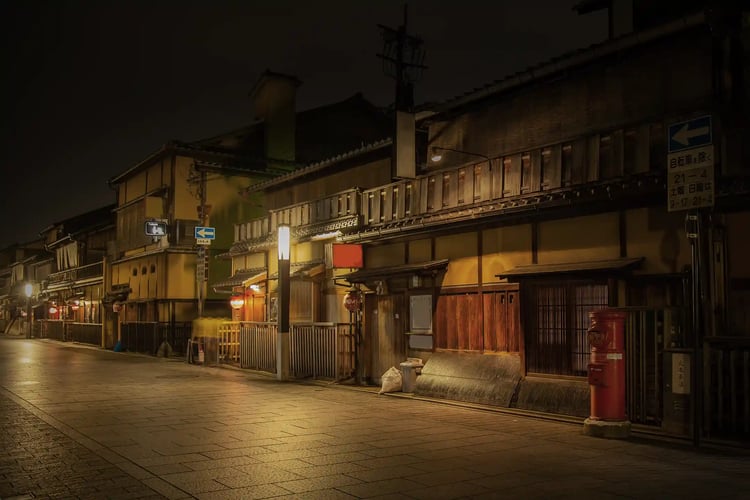
Kyoto has long preserved its cityscape not by clinging to the past, but by harmonizing heritage with daily life. That is why UNESCO-listed temples and shrines stand alongside bustling local shopping streets, all sharing the same rhythm of existence. In such spaces, dining becomes less about the dish itself and more about the setting in which it is experienced.
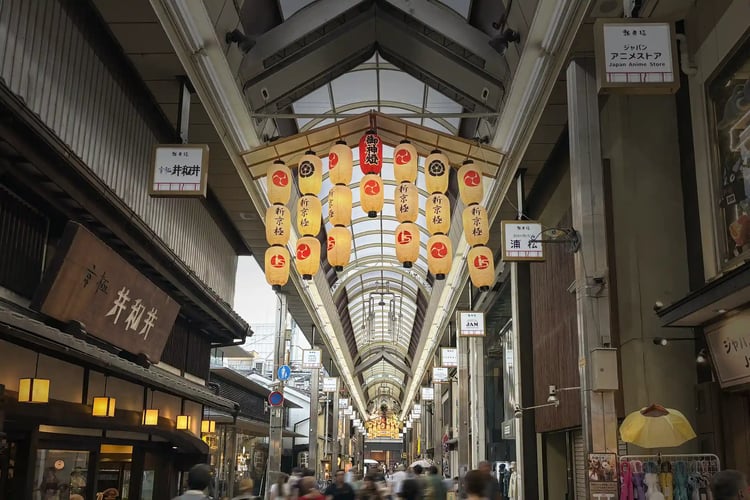
Whereas Western restaurants often emphasize food and service as independent criteria, Kyoto invites you to savor the whole environment—the hanging scroll in the alcove, the view of the garden, even the feel of a ceramic bowl in your hand. When you bring a slice of Kobe beef to your lips, the taste of its marbling is inseparable from the soft glow filtering through shoji screens or the quiet scent of tatami. In that moment, you feel you are sharing in history itself.
This comes from Japan’s deep respect for the “layers of time.” Even after the imperial capital shifted to Tokyo, Kyoto remained a cultural heart because of its devotion to continuity over rapid change. Knowing this, Kobe beef transforms from a mere luxury ingredient into a narrative handed down across generations, making Kyoto the natural destination for those searching for the best Kobe beef in Kyoto.
A Luxurious Way to Blend Sightseeing and Dining
In many Western cities, you might plan sightseeing and dining separately. In Kyoto, the real delight comes when you experience them together. Imagine spending your morning in a Zen temple, practicing stillness, followed by a tea ceremony where you sense the subtle rhythm of “ma” (the interval of time). Then, as dusk falls, you watch flames dance on a teppanyaki grill inside a machiya townhouse in Gion. This itinerary embodies Japan’s unique movement between “hare” (the extraordinary) and “ke” (the everyday).
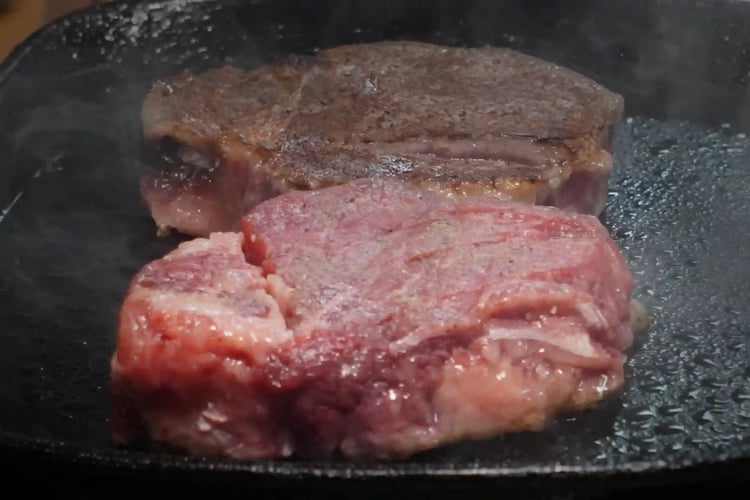
Unlike the “sharing culture” common in the West, Japan’s traditional kaiseki dining places meaning in each personal tray and dish—a quiet message of “you are cherished.” As your Kobe beef sizzles on the iron plate before you, the chef transforms the sounds and aromas into part of the performance. You, as the guest, become an active participant, sensing joy in the closeness between diner and chef. It is less like a Western stage play, where audience and performers are separated, and more like a shared narrative woven together on the same tatami floor.
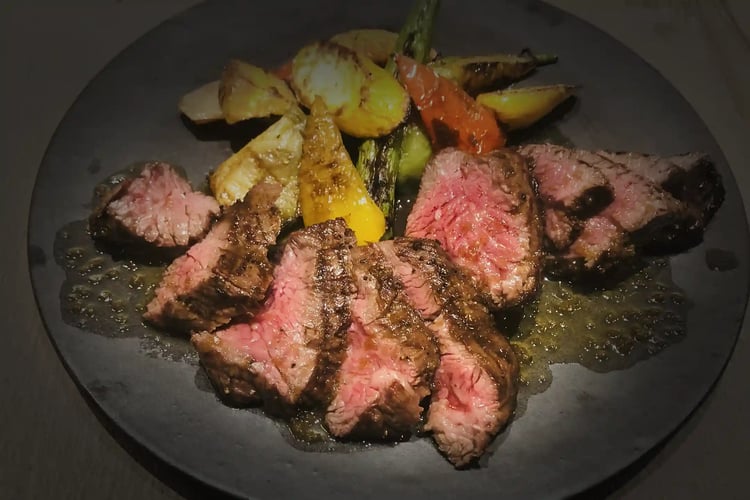
Fine Dining Restaurants in Kyoto to Savor Kobe Beef
Research Scope and Selection Criteria
Kyoto is home to exceptional restaurants that harmonize historic charm with cutting-edge gastronomy. From among them, five venues were chosen based on:
- Michelin stars or equivalent international recognition
- Historic architecture, such as preserved machiya townhouses
- English-friendly menus and service
- Premium pricing (around ¥20,000+ courses) suitable for a truly special evening
Below, you’ll discover the artistry of each restaurant’s Kobe beef dishes, alongside cultural model courses nearby to enhance your experience—perfect for anyone searching for the best Kobe beef in Kyoto.
Kodai-ji Jugyuan
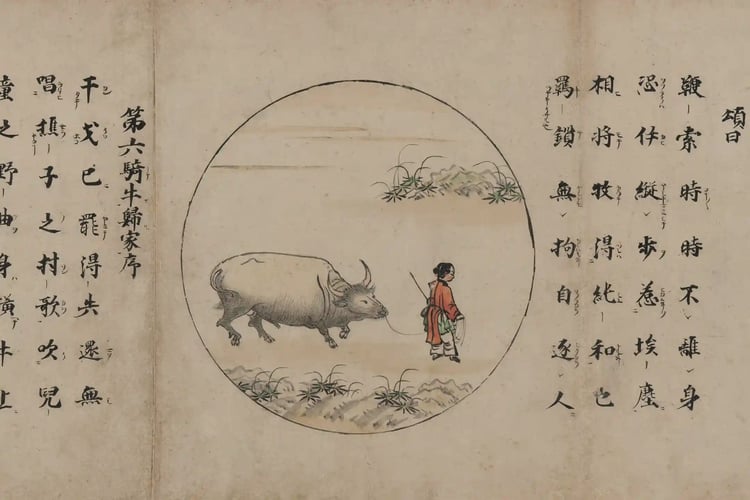
Near Kodai-ji Temple, linked to Toyotomi Hideyoshi’s wife Nene, stands this sukiya-style house. Its tasting menus, inspired by Zen paintings of the “Ten Ox-Herding Pictures,” elegantly merge Kyoto’s seasonal calendar with Wagyu cuisine. Techniques borrowed from French culinary firework infuse the beef dishes, offering both familiarity and surprise for international guests. Enjoying them in tranquil private rooms makes Western steak resonate with the cadence of Kyoto kaiseki.
Niku no Takumi Miyoshi
A hidden retreat inside a renovated Gion machiya. Its counter-style meat kaiseki embodies Japanese minimalism, exploring the textures of each beef cut in depth. Each course balances the Western emphasis on the character of individual cuts with the Japanese appreciation for delicate mouthfeel, leaving you with a journey of discovery at every bite.
Gion Mikaku
An establishment with roots dating back to the early Showa era, this venerable restaurant brings teppanyaki’s drama into harmony with Japanese sensibilities of silence and timing. Its founder embraced teppanyaki shortly after WWII, blending Western technique with Kyoto’s spirit of hospitality—a flexible ethos still honored today.
Kobe Beef Teppanyaki Gion Noichi
A modern star that purchases whole Kobe cattle to offer even rare cuts. At its counter, overlooking a tsuboniwa garden, sparks from the teppan reflect both the “stillness” of the Japanese garden and the “movement” of live grilling. Kyoto vegetables and dashi deepen the flavor, creating layers closer to a Japanese-style “slow simmer of umami” than Western-style grilling.
Mouriya Gion
Founded by one of Kobe’s most prestigious beef houses with over 140 years of history, this branch brings its legacy to Kyoto. Set in a traditional wooden building with modern comforts, it allows international steak lovers to feel both at ease and immersed in Kyoto’s charm. Servingware often features Kyoto ceramics, where the vivid red of beef meets the gentle glazes as though in quiet dialogue.
Kobe Beef and Artistic Presentation
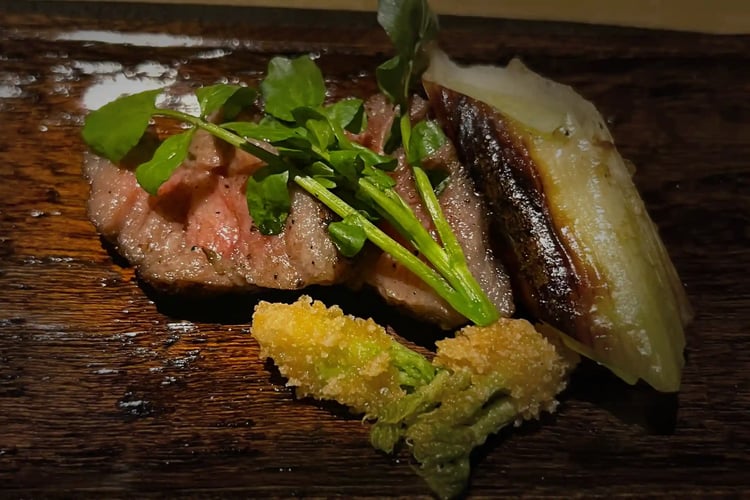
In Kyoto’s fine dining, every dish is carefully staged to tell a story. At Gion Noichi, for instance, appetizers are arranged like paintings inside a frame-like dish, resembling a folding screen. At Mouriya Gion, when a steak arrives at the table, the lights subtly dim so the marbling glimmers like a starry night. These touches exemplify Japan’s tradition of engaging all five senses, turning cuisine into a form of “total art” that goes far beyond taste alone.
Suggested Post-Dinner Cultural Experiences
To extend the magic of your meal, step from Jugyuan into a special nighttime viewing of Kodai-ji Temple. The illuminated gardens echo the same seasonal rhythms you tasted in the dishes. In Gion, you might stroll along cobblestone streets, watching the glow through wooden lattice windows of machiya townhouses.
In Western cities, late-night bars often serve as social spaces. In Kyoto, nights foster connection through shared quietude. If fortune favors you, you may even cross paths with a geiko or maiko, experiencing the crossing layers of time in a fleeting, unforgettable moment.
Kobe Beef Cooking Classes and Wagyu Culture Seminars in Kyoto
Cooking classes and hands-on programs let you move beyond “seeing” and “eating” to actively “creating.”
At HARU Cooking Class, you stand in a home-style kitchen, drawing kombu dashi and searing steak yourself. While Western schools may focus on perfecting a single dish, Japanese cooking classes emphasize recreating an entire dining table, capturing the essence of shared meals.
At Maikoya Kyoto Nishiki, you can observe a maiko preparing trays, learning hospitality through gestures and mannerisms. Beyond eating, you sense the nuances of human interaction—something central to Japanese omotenashi, distinct from Western standards that often prize friendliness or speed.
At Haku Kyoto Cuisine, a ryotei experience in a building tied to Meiji-era patriots, you savor Kobe beef sukiyaki while learning the stories behind calligraphy and furnishings. You don’t just consume the meat—you absorb the space itself, letting history and cuisine unfold together.