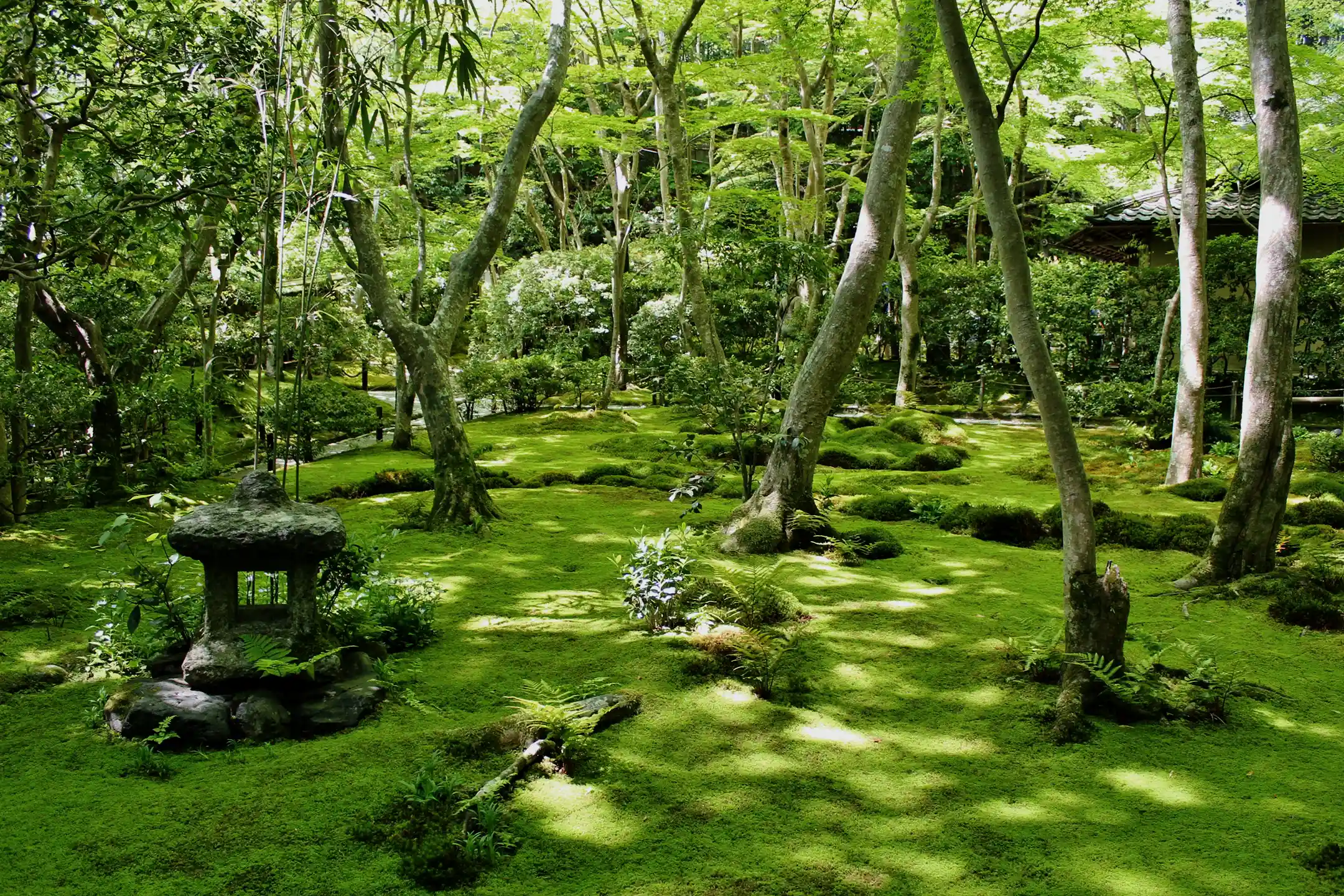
When you step into a ryokan in Kyoto, you enter a hush and a sense of beauty you rarely encounter in everyday life. The fragrance of tatami, the quiet presence of a garden, a simply arranged flower, a hanging scroll—each detail gently awakens your sensibility and draws you toward the depth of Japanese culture. Moments spent with kyo-kaiseki cuisine, tea ceremony, calligraphy, craftsmanship, and architectural beauty go beyond an ordinary stay, gradually becoming a journey that enriches your cultural literacy.
In this article, we unravel the appeal of Kyoto’s intellectually rewarding ryokan experience—from the heritage of long-established inns to the innovation of design-forward properties, as well as cultural programs and sustainability initiatives that are shaping the future of hospitality.
What Is a Kyoto Ryokan? A Stay That Distills Japanese Culture
A Kyoto ryokan is an accommodation that embodies Japan’s traditional culture of hospitality. Laying out futon bedding in a tatami room, savoring seasonal kyo-kaiseki, and soaking in a large bath—perhaps even a hinoki-wood tub—each of these experiences, taken together, distills Japanese culture into a single stay.
In practice, Kyoto ryokan offer not only spaces designed for deep comfort, but also Kyoto cuisine crafted by skilled chefs, spacious Japanese-style bathing facilities, and interiors appointed with traditional crafts throughout—creating an unmistakably Japanese atmosphere for your time there (*1). Architectural styles, too, are wonderfully distinctive.
Many ryokan adopt design traditions rooted in Kyoto’s machiya townhouses or sukiya-style architecture inspired by tea rooms. Down to the finest details—latticed doors, painted fusuma sliding panels, and hanging scrolls displayed in the tokonoma alcove—you can feel Kyoto artisanship living and breathing within the space (*2).
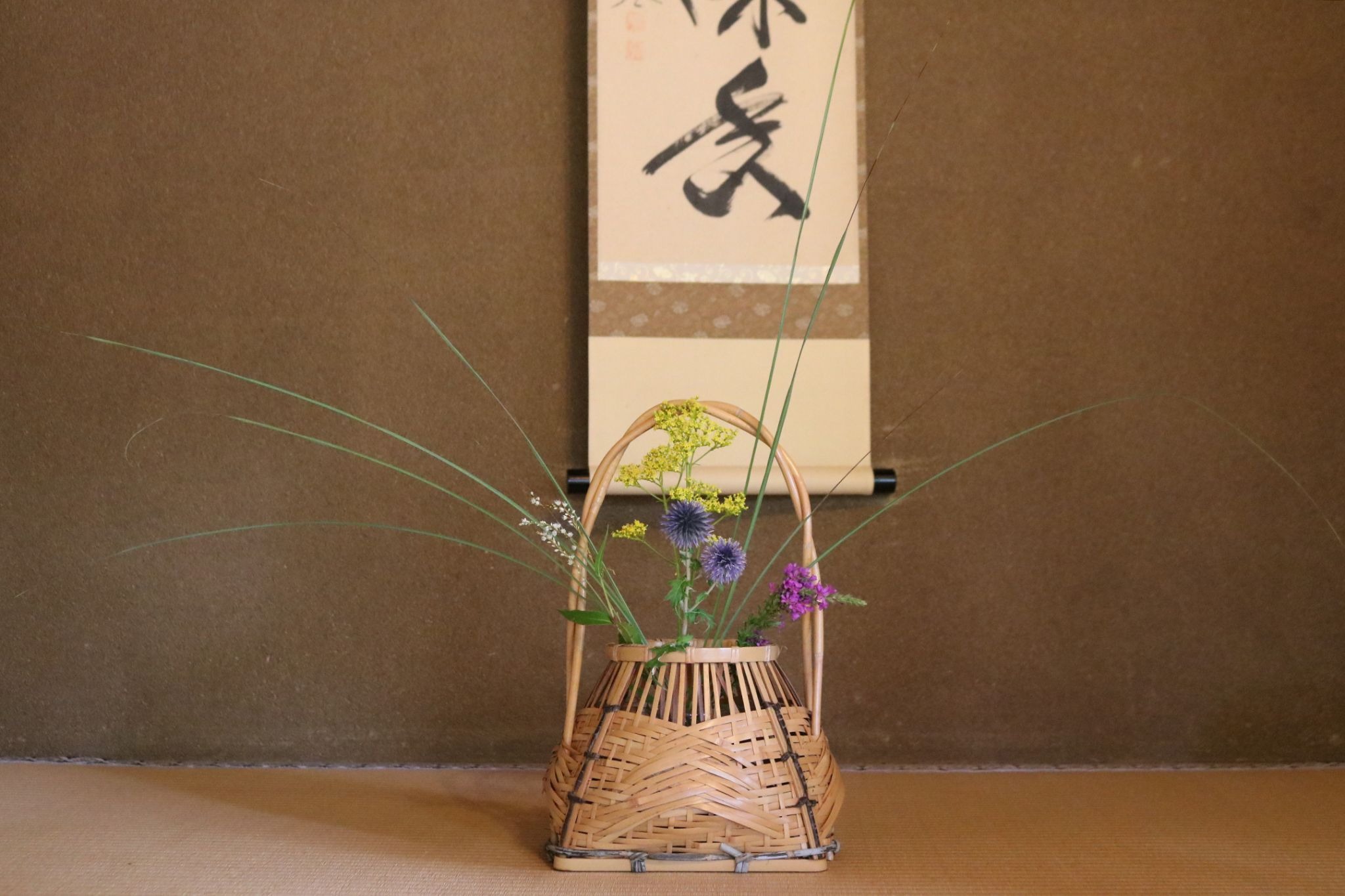
The spirit of hospitality shown by the okami and the staff is also exceptional. Seasonal ikebana arrangements and carefully chosen furnishings decorate the inn, welcoming you through the changing moods of the four seasons (*2). In particular, the attentive grace of the okami who oversees the ryokan is often seen as a symbol of ryokan culture itself. In casual conversations and in the smallest gestures, you can sense Japan’s distinct omotenashi—an approach to care that offers a warm, home-like comfort and a special feeling of ease.
Five Long-Established Kyoto Ryokan Where You Can Experience History and Culture
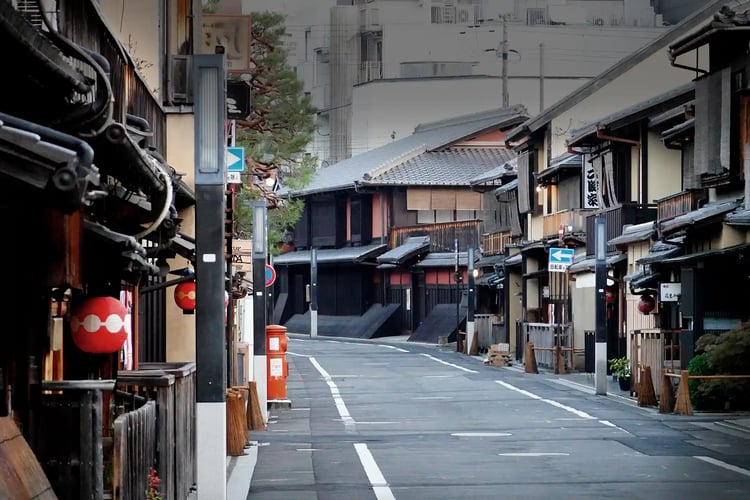
Kyoto is dotted with venerable ryokan that boast centuries of history and continue to carry traditional culture into the present day. Among the best-known are Tawaraya Ryokan, founded in the mid-Edo period (established in 1709) (*1), Hiiragiya (founded in 1818, the first year of Bunsei) (*2), and Sumiya Ryokan, which incorporated the spirit of tea into its hospitality during the Meiji era.
There are many other icons of tradition as well—Seikoro, founded in 1871, and Heihachijaya, which dates back to the Azuchi–Momoyama period and still operates today. Across Kyoto, such storied ryokan allow you to feel the weight of time not only in their buildings and gardens, but even in the artworks and objects that quietly inhabit their rooms.
Tawaraya Ryokan, for instance, is one of Kyoto’s most representative ryokan, with more than 300 years of history. In guest rooms facing its garden and along its amber-toned wooden corridors, you’ll find seasonal flowers and foliage arranged with understated confidence—often by leading ikebana masters—while by the soft glow of andon lantern light, folding screens and furnishings emerge with a calm, dignified presence (*4).
At Hiiragiya, guests are welcomed with a spirit akin to “Welcome home,” carried on through generations since the Edo period. The inn houses an abundance of calligraphy, paintings, and furnishings once loved by historical figures and cultural luminaries—so much so that simply being there can make you feel the lingering presence of writers and artists. And at Sumiya Ryokan, known as a “tea-ceremony ryokan,” tea gatherings for guests are held on the evenings of the 7th and 17th of each month, making it possible even for beginners to experience an authentic tea setting with ease (*3).
In these long-established ryokan, you can admire antiques and artworks displayed in guest rooms and shared spaces, or enjoy a bowl of matcha in a tea room. Your stay itself becomes a place of learning—an immersive encounter with history and culture.
A Ryokan Where You Can Learn Tea and Calligraphy—Hiiragiya’s Cultural Experiences
Among Kyoto’s venerable ryokan, some offer programs that let you receive gentle guidance in Japanese culture during your stay. Hiiragiya, in particular, provides an opening to tea and calligraphy within its refined Japanese spaces.
In some rooms, for example, an inkstone and brush are prepared for you. As you write while gazing out at a quiet garden, it’s said your mind naturally settles—and you begin to slip into the world of calligraphy (*5). Many of the works displayed within the inn—calligraphy and hanging scrolls—are also closely connected to notable calligraphers, and time spent surrounded by such pieces can itself be understood as an experience of living tradition (*5).
If you wish, you may be offered tea (a matcha service), or arrangements can sometimes be made for you to observe a tea preparation at a nearby tea room—allowing you to deepen your understanding of Japanese culture through the rhythm of your stay. Hiiragiya, with its 200-year history, has been beloved by late-Edo patriots as well as writers and artists. Yet the reason is likely not mere luxury of facilities, but the way the ryokan itself becomes a place of learning, quietly perfumed with culture.
A Space Overflowing with Antiques and Art—Tawaraya Ryokan’s Aesthetic Sensibility
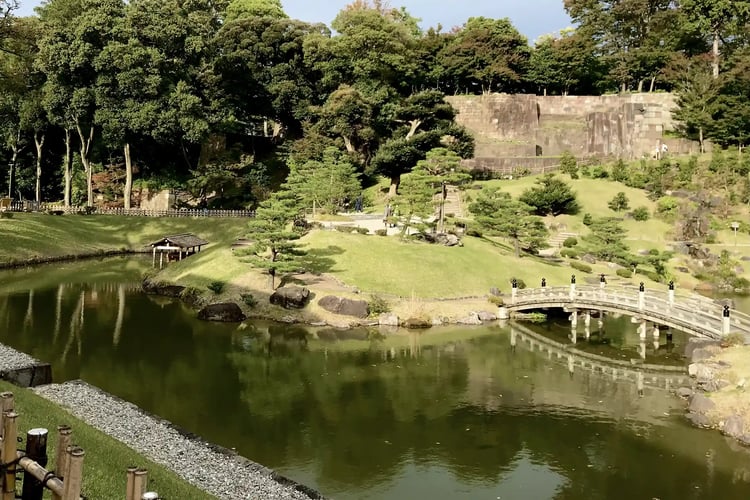
Tawaraya Ryokan—often described as a place you “should stay at least once in your lifetime”—has long been cherished by distinguished guests from Japan and abroad as one of the highest expressions of the Japanese ryokan. Its greatest allure lies in an aesthetic sensibility refined to the utmost. Along its corridors, fresh flowers and hanging scrolls are changed with the seasons, and lighting throughout favors only a soft glow reminiscent of candlelight—evidence of a meticulous attention to atmosphere in even the smallest details (*4).
Historic furnishings appear everywhere. Just beyond the stone-paved earthen entryway, exquisite fusuma paintings and folding screens float into view under gentle light, creating a feeling not unlike stepping into a museum. Indeed, Tawaraya holds a precious collection ranging from centuries-old art to contemporary craft, arranged with distinct design choices from one room to the next.
For example, seasonal tea sweets may be prepared in your room, presented in yusoku-style lacquered boxes or on Kyoto ceramics—and in the simple scene of admiring them before you taste, you can already sense the inn’s aesthetic philosophy at work. At Tawaraya, tradition is protected while the space is continually refined through a fresh and discerning eye. Spend even a single night here, and you can immerse yourself in a singular world of beauty where Japan’s wabi-sabi sensibility meets a modern, quietly confident elegance.
Kyoto Design Ryokan Where Tradition and Modern Comfort Live in Harmony
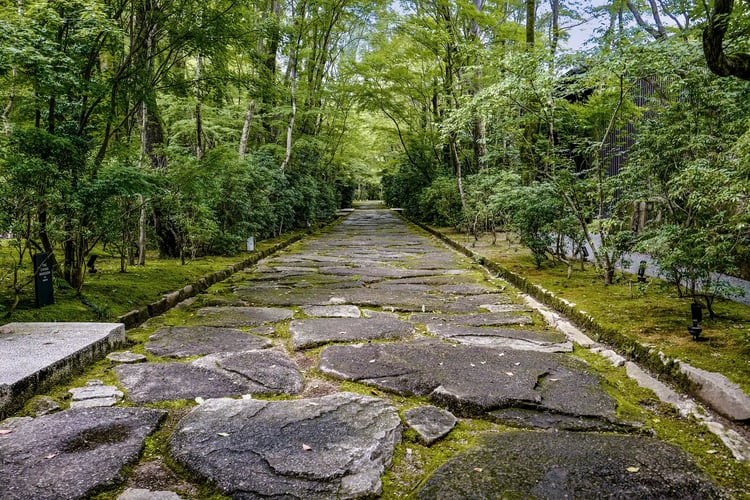
In recent years, Kyoto has also drawn attention for “design ryokan”—properties that blend traditional aesthetics with contemporary comfort. These stays honor Kyoto’s beloved atmosphere while integrating modern architecture and facilities, making them an ideal choice if you’re a traveler attuned to cultural nuance.
Take Aman Kyoto, a hideaway resort that sits quietly within the forested hills of northern Kyoto. Its defining character is a serene space that elevates Zen-inspired sensibilities into contemporary architecture. The moment you step onto the expansive, wooded grounds, you may feel as if you’ve entered another world—one so still it gently calms the mind (*1).
Its architecture is unified by a minimalist aesthetic inspired by tea rooms. Guest rooms filtered through wooden lattice screens admit soft natural light, and the design is carefully calculated so that interiors feel continuous with the moss-covered gardens outside (*2). Throughout the property, selected crafts and antiques from across Japan are placed with subtle restraint, creating a modern environment in which the presence of tradition is quietly felt (*2).
Meanwhile, Park Hyatt Kyoto is a luxury hotel set on the heights of Higashiyama. By incorporating a sukiya-style tea room and a Japanese garden into the hotel’s fabric, it achieves a remarkable balance between Kyoto’s traditional beauty and contemporary luxury.
On-site, a wooden tea-room structure with 360 years of history has been preserved and actively used, and you can even enjoy kaiseki cuisine from a long-established restaurant in private tatami rooms (*3). The interiors were designed by a globally recognized designer and feature local craftsmanship throughout—Kyoto-made washi paper shoji screens, richly fragrant domestic wood ceilings, and other elements that bring regional tradition into the present.
There are even touches such as custom ceramics—specially fired by a 16th-generation kiln in Uji—used in the hotel’s restaurants, so that while you’re staying in a modern hotel, you can still feel Kyoto’s heritage and skill in a tangible way (*3). In this way, design ryokan where tradition and modernity meet allow you to admire beautiful aesthetics while staying in deep comfort—making them especially compelling for culturally engaged travelers.
Beyond these, The Ritz-Carlton, Kyoto along the Kamogawa River has earned high praise worldwide for integrating Kyoto beauty—such as shippo enamel craft and folding-screen imagery—into its spatial design. And in the northern Kyoto area, ROKU KYOTO, LXR Hotels & Resorts blends the grand nature at the foot of Mt. Hiei with refined modern design, becoming a new base for digital nomads as well.
It’s no wonder international travel magazines have introduced stays like these with phrases such as, “A ryokan stay in Kyoto is one of the finest lodging experiences in Japan.”
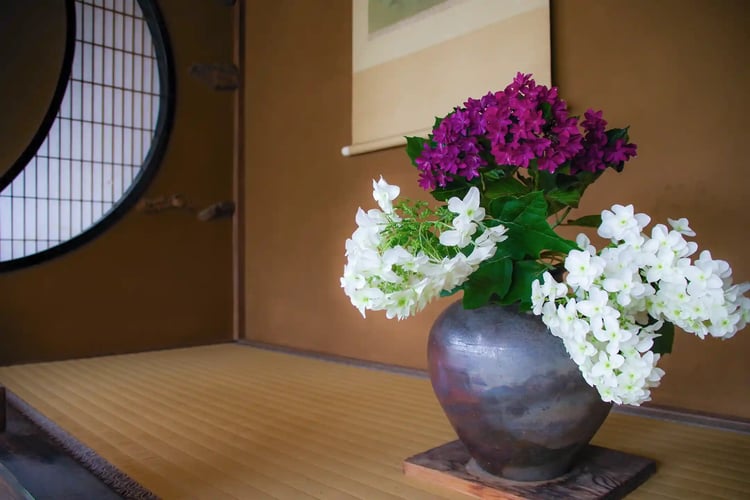
Zen and Contemporary Architecture in One—Aman Kyoto’s Tranquil World
Aman Kyoto is a resort where nature, history, and architecture come together beautifully across an expansive garden setting in Kyoto’s mountain foothills. Surrounded by an atmosphere that truly suits the word “hideaway,” the moment you enter the property, an environment opens up around you—forest and moss gardens stretching across some 38 hectares. Its presence is almost the embodiment of a Zen concept, and as you move through the lush landscape, you may feel your mind gradually, naturally settle into calm (*1).
The architect drew inspiration from traditional ryokan culture, and the 24 guest rooms and villas are composed with a minimalist restraint that still honors the delicate human scale of Japanese dwellings. Large glass shoji from floor to ceiling and wooden lattice elements connect inside and outside without a hard boundary—so even while you’re in your room, you can sense the garden’s seasonal shifts as if they were part of the interior (*2).
Across the property, art pieces by Kyoto creators and antique flower vessels are placed with quiet intention, and even the hanging scrolls in the rooms may depict mist rising over Kyoto’s mountains—allowing Japanese aesthetics to live gently within a contemporary setting (*2).
Modern comforts are, of course, superb—dimming systems, deep baths, and more—but what stands out is how skillfully these features are designed to harmonize with nature and tradition. At Aman Kyoto, you can spend time that feels almost like staying in a modern Zen temple: a tranquil retreat where you step away from the city’s noise, release both body and mind, and experience true restoration.
Reinterpreting Traditional Craft Through Modern Design—Park Hyatt Kyoto’s Philosophy
Park Hyatt Kyoto is a luxury hotel that dissolves contemporary architecture into Kyoto’s traditional cityscape.
Within the grounds, a wooden structure originally built in the Edo period—once used as a restaurant—has been preserved and now sits adjacent to the newly built hotel wing. In the area that includes this historic tea-room architecture, Kyogado, you can savor authentic kaiseki while gazing at a garden from a tatami room, enjoying an experience that feels distinctly Kyoto—almost as if you were staying at a refined ryokan (*3).
The hotel’s overall interior design centers on the fusion of tradition and modernity, and Kyoto craftsmanship can be felt everywhere. For example, guest-room shoji use washi produced in Kyoto, and coffered ceilings incorporate richly scented domestic wood.
The plates and tea bowls used throughout the property are also specially commissioned from a ceramic family in Uji that has continued for 16 generations—an approach that weaves local history and technique directly into the contemporary space (*3). When you step inside, you immediately notice how modern refinement and traditional motifs are brought into elegant balance. Walls and furnishings carry a polished design language, yet a distinct Japanese sensibility lingers throughout—the result of a true collaboration between overseas designers and Kyoto artisans.
Park Hyatt Kyoto is, in many ways, a “Kyoto residence reborn for the present day,” and its design philosophy holds a deep respect for Kyoto culture. The hotel’s form—where traditional wooden structures and the latest building technologies harmonize—also coexists beautifully with the natural slopes of Higashiyama and the area’s historic temples and shrines, leaving visitors with a vivid sense of Kyoto’s evolving charm.
Experience Programs Unique to Kyoto Ryokan That Spark Your Curiosity
In Kyoto ryokan, you can do far more than simply stay overnight—you can also satisfy your intellectual curiosity through a wide range of cultural programs. At properties with deep knowledge of traditional arts, lectures and workshops may be hosted by specialists or artists, making it entirely fair to call these places “cultural classrooms you can sleep in.”
For instance, at Hoshinoya Kyoto in Arashiyama, a special early-summer morning series is held under the title “Oku-Arashiyama Gyoten Lecture.” The day begins with meditation in a garden filled with fresh green maples, followed by a rare sequence of talks from cultural leaders representing Kyoto—an ikebana master, a Zen priest, a gardener, a kōdō (incense ceremony) lineage head, and a wagashi artisan—each speaking on the theme of expressing the seasons (*1). If you straighten your posture in the garden as the cool breeze passes through and listen closely to how each lecturer describes seasonal sensibility, you may find yourself newly moved by Kyoto culture’s depth—and leaving with insights you didn’t expect.
Other properties, such as Suiran, a Luxury Collection Hotel, Kyoto, also offer activities designed to engage all five senses. Programs may include wagashi-making with local artisans, early-morning zazen sessions, and even a boat ride down the Hozu River, with guests free to join according to interest (*2).
In wagashi-making, you learn directly from craftsmen about the seasonal meanings embedded in each sweet. In zazen, you quiet the mind under a Zen priest’s guidance—finding a kind of learning and resonance that simple sightseeing rarely provides. In their own ways, Kyoto ryokan create environments that stimulate curiosity, turning the stay itself into a place for cultural and artistic refinement.
These efforts do more than satisfy guests intellectually. They also contribute to the continuation of regional traditions and create opportunities for emerging artisans. In that sense, ryokan and community together can be said to play a role in carrying Kyoto’s culture forward into the future.
%20and%20green%20tea.webp?width=750&height=500&name=Sakura-mochi%20(domyoji%20style)%20and%20green%20tea.webp)
A Kyoto Culture Seminar Guided by Experts—Hoshinoya Kyoto
Hoshinoya Kyoto is a luxury ryokan celebrated for its traditional sukiya-style architecture and the beautiful scenery of the Oi River. Its Gyoten Lecture program has become especially popular as a rare opportunity to learn directly from leading figures across Kyoto’s cultural fields.
In the earliest hours of a summer morning, your day begins with meditation in the garden. Afterward, a relay-style series of talks unfolds with an impressive roster: an ikebana iemoto, an assistant head priest of the Rinzai school, the president of a long-established garden company, a head of a kōdō lineage, and the young master of a historic wagashi shop, among others (*1).
Themes are set by season—such as “summer”—and each speaker approaches the season through their own lens: flowers, Zen, gardens, incense, sweets. The content is sophisticated, yet the close distance between you and the lecturers makes it easy to ask questions, and the program is thoughtfully designed to be accessible even if you’re new to these worlds.
After the talks, breakfast may be served while you look out over the garden—sometimes with nagashi-sōmen—creating time for participants to connect with one another and with the lecturers. In the cool morning air, sharpening your senses and touching Kyoto culture’s essence in this way truly deserves to be called a “luxury of knowledge.”
Hoshinoya Kyoto also offers other elegant programs—nighttime Noh appreciation gatherings or riverside reading salons lit by kagari-bi torchlight—answering the hopes of guests seeking an intellectually rich journey.
Exchange Events with Local Artists—Suiran, a Luxury Collection Hotel, Kyoto
Suiran, a Luxury Collection Hotel, Kyoto in Arashiyama is known for its nature-rich setting and services that blend tradition with contemporary comfort.
For guests, the hotel offers a wide range of Kyoto-oriented cultural events. These may include workshops where you learn to make seasonal fresh wagashi from a visiting artisan, early-morning zazen sessions held at a temple in Arashiyama, and activities such as boating down the Hozu River that flows nearby (*2).
In wagashi-making, you can learn directly about the seasonal motifs embedded in nerikiri and try your hand at creating traditional confections yourself. In zazen, you still your mind in a quiet main hall and learn Zen principles from a priest—spending a moment that feels like true inner cultivation.
For guests who love art, tours may sometimes be organized to visit artworks placed around the hotel and nearby galleries in the Arashiyama area, and if you wish, the hotel may even help create opportunities to meet local artists.
Suiran’s approach is rooted in a desire for you to engage deeply with Kyoto’s culture and nature through your stay. When intellectual stimulation is added to an already luxurious experience, your sense of satisfaction can only deepen.
A Sustainability-Minded Stay at Kyoto Ryokan
Kyoto’s ryokan, dedicated to protecting a rich cultural heritage, are also increasingly attentive to environmental responsibility. To carry tradition into the future, more properties are incorporating eco-friendly ingenuity into both buildings and operations.
One representative example is GOOD NATURE HOTEL KYOTO. Located in the Shijo-Kawaramachi area, the hotel was created with the concept of five “GOODs”—good for your body, good for your mind, good for the community, good for society, and good for the planet—positioning itself as a place that contributes to building a sustainable society.
Inside, you are surrounded by one of Japan’s largest indoor vertical gardens (a green wall), offering the comfort of being held by greenery even in the heart of the city. In addition, the power used at the facility is effectively supplied by 100% renewable energy, enabling operations designed to reduce environmental impact (*1).
It has also become the world’s first to simultaneously obtain WELL certification (evaluation of health and comfort in buildings) and LEED certification (evaluation of environmental performance in buildings) in the hotel category, reflecting human- and planet-friendly design across air conditioning, daylighting, building materials, and more (*1).
In guest rooms, the hotel provides in-house developed organic cosmetics as amenities, and adopts packaging that minimizes disposable plastic, as well as bamboo toothbrushes and other thoughtful alternatives—showing careful attention to sustainability down to the smallest details (*2).
In its restaurants, locally sourced organic vegetables and fair-trade ingredients are actively used, while food waste is composted in partnership with farmers—supporting circular agriculture initiatives. These forward-looking efforts have been recognized, including receiving an Excellence Award in the sustainability category of the Japan Tourism Awards in 2022. As a hotel designed to coexist with the environment, it has drawn attention both within Japan and internationally as a successful model for sustainable hospitality.
Kyoto as a city is also promoting environmental responsibility as a destination, and ryokan are responding with sustainable services in step with this direction. By balancing tradition and innovation, Kyoto’s ryokan are increasingly becoming a new model for the tourism industry—asking, in a quiet but compelling way, what “true luxury” can mean.
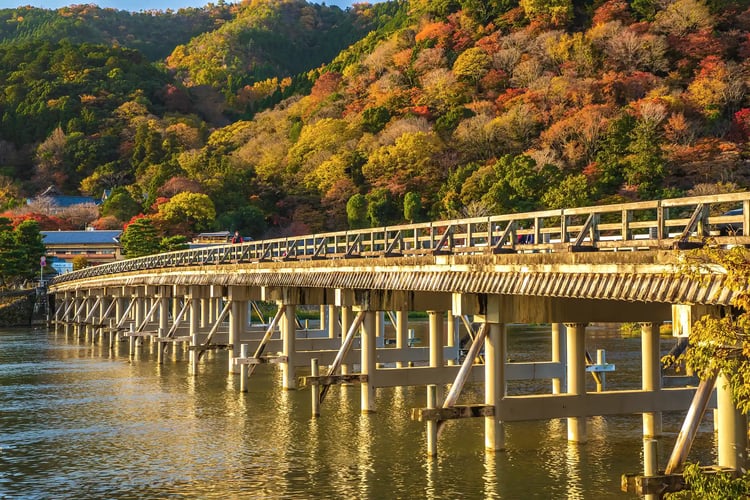
Eco-Friendly Comfort—GOOD NATURE HOTEL KYOTO’s Initiatives
GOOD NATURE HOTEL KYOTO aims to be a hotel where simply staying contributes to a sustainable society, and it puts that vision into practice through a wide range of initiatives. The building design draws in natural light and airflow to reduce energy consumption, and through extensive interior greenery it also helps mitigate the urban heat-island effect.
Most striking of all is the massive indoor green wall installed in the lobby, rising to a height equivalent to about four stories. From the moment you check in, you are wrapped in abundant greenery—so much so that you may feel a forest-like calm despite being in central Kyoto.
In terms of energy, the hotel covers nearly 100% of its electricity with renewable sources—an early and notable effort among Kyoto hotels (*1). Water use is also addressed through water-saving fixtures and rainwater utilization systems designed to reduce waste. Guest-room amenities reflect additional ingenuity. To reduce plastic, toothbrushes and hairbrushes made of bamboo or wood are distributed at the front desk only to those who need them, and are not permanently stocked in every room.
The hotel also adopted its self-developed organic cosmetics brand NEMOHAMO (Nemohamo) as amenities, with a petroleum-derived ingredient-free formulation and containers designed for reuse (*2). To tackle food loss, it composts kitchen waste from its restaurants and channels it into organic vegetable cultivation with partner farms.
In addition, guest rooms incorporate lighting systems aligned with the sun’s rhythm, creating a high-quality sleep environment while successfully reducing lighting energy use.
In this way, GOOD NATURE HOTEL KYOTO is valued as a leading example of sustainable tourism—balancing guest comfort with genuine care for the planet.
Luxury Ryokan with EV Charging—Environmental Consideration at Suiran, a Luxury Collection Hotel, Kyoto
The sustainability movement in Kyoto as a tourism city is also beginning to spread to high-end ryokan.
As more affluent travelers journey by electric vehicle (EV), some ryokan and hotels have started developing EV charging infrastructure. For example, The Westin Miyako Kyoto—one of Kyoto’s representative long-established hotels—has installed EV charging stands on its grounds as part of its SDGs initiatives (*3). This makes it easier for guests who choose environmentally considerate travel to stay with peace of mind.
Suiran, a Luxury Collection Hotel, Kyoto is also moving forward with measures such as introducing hybrid vehicles for guest transportation and replacing plastic straws with bamboo alternatives, and it is reportedly considering the installation of EV charging facilities as well. When lodging operators heighten their environmental awareness, it becomes easier for guests, too, to naturally choose actions that are kinder to the planet.
The willingness of Kyoto’s luxury ryokan and hotels to take the lead in environmental responsibility can be seen—like the continuation of traditional culture itself—as an investment in the future. To protect the beautiful environment of the ancient capital while still offering comfortable travel, expanding green infrastructure—starting with EV charging—may well become the next standard.
Enjoy Refined Food Culture Around Kyoto Ryokan
Adding even more color to your luxurious ryokan hours is Kyoto’s distinctive food culture. Of course, the meals served within the inn can be extraordinary—but around many ryokan, you’ll also find quietly refined restaurants and cafés.
Among them, Kitcho Arashiyama Honten, set in the tranquil Arashiyama area, is known as a celebrated kaiseki restaurant that embodies Kyoto tradition. Its refined aesthetic sensibility and flavors are highly regarded around the world. Meanwhile, within the city you’ll find many stylish cafés created through the renovation of traditional architecture—one example is Blue Bottle Coffee Kyoto Cafe, a popular spot where you can enjoy excellent coffee in a space that revives a machiya over 100 years old for the present day.
If, while staying at a ryokan, you also take time to visit these nearby restaurants and cafés, you’ll be able to feel Kyoto’s culinary depth firsthand. You can experience the layered richness of Kyoto gastronomy and its culture of taste.
Beyond these, Michelin-starred kappo establishments, Japanese cafés created from converted tea rooms, and other culturally resonant food spots are scattered around many ryokan areas. Being able to touch Kyoto’s world of fine food and cherished pleasures so easily—while anchored in the calm of your ryokan stay—is one of the city’s great delights.
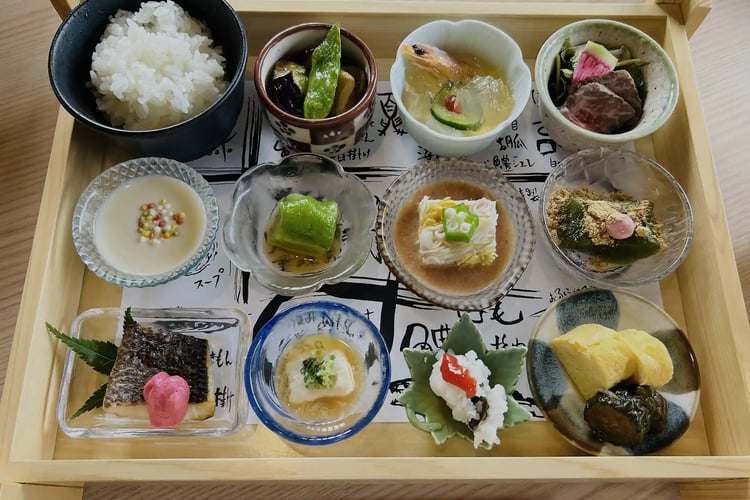
Taste Aesthetic Sensibility—Kaiseki at Kitcho Arashiyama Honten
Kyoto Kitcho Arashiyama Honten is a renowned restaurant offering kaiseki that can truly be called the art of food. Enjoyed in a sukiya-style building with grand views of Arashiyama, its kaiseki lets you feel the season through all five senses—not only taste, but also sight, scent, touch, and sound (*1).
The building, said to have once been a private villa of an antique dealer, has been carefully maintained by artisans such as gardeners and carpenters. It forms a complete worldview in which the beauty of Japanese culture is vividly reflected. From the grounds, the Arashiyama mountain range changes expression with the seasons, and the landscape’s subtle daily shifts combine with the mood of the cuisine to create a food experience found nowhere else (*1).
The dishes served are prepared using only the day’s finest ingredients, each course presented with a beauty like a small cosmos. Great care is given to the choice of vessels as well, with historic Kyoto ceramics and lacquerware selected to match each dish’s theme and seasonal feeling. Timing, too, is precisely considered, and the service—attuned to the diner’s pace—is unmistakably first-rate (*2).
For example, in an autumn menu you may be served a lidded bowl reflecting the colors of fall; when you open it, the aroma of mackerel sushi rises—and your eyes catch the maple-leaf garnish cut with playful precision. This level of aesthetic attention and omotenashi lives throughout Kitcho, turning the act of tasting itself into something like cultural appreciation, capable of leaving a deep, resonant impression.
Today, the head chef is Kunio Tokuoka, the grandson of founder Teiichi Yuki, carrying forward the original spirit while earning top evaluations in gourmet guides both in Japan and abroad. When you stay at a ryokan, why not extend your journey a little and savor Kyoto’s ultimate kaiseki—fully, with all five senses?
A Modern, High-Quality Café Experience—The Appeal of Blue Bottle Coffee Kyoto Cafe
In Kyoto—where tradition and modernity naturally cross—café culture also carries a distinctive refinement. A representative example is Blue Bottle Coffee Kyoto Cafe.
Located near Nanzen-ji, the shop was created by renovating a machiya more than 100 years old, and it became a topic of conversation for the way it harmonizes an American West Coast coffee brand with Kyoto’s townhouse architecture. The design concept focused on creating a space where everyone inside can relate to one another on an equal footing. To achieve this, a bold renovation removed the traditional 50-centimeter step-up that was once characteristic of machiya (the height difference from the entrance stone to the raised floor), connecting the earthen-floored doma and the interior with a flat, continuous floor level (*3).
By using the same stones as the outdoor stone-paved courtyard mixed into a terrazzo floor finish across the entire interior, the design creates a visual continuity from outside to inside (*3). Look up and you’ll find old machiya beams and earthen walls intentionally left exposed—producing a beautiful contrast between the texture of materials carrying a century of history and a minimal white interior (*3).
In this way, the renovation respects traditional architecture while creating an open design that aligns the barista’s and guest’s eye level—harmonizing Japan’s kissaten sensibility with American café culture (*3). Though it sits close to Nanzen-ji (founded in the 13th century) and its famous gardens, the experience remains removed from noise and bustle. The refined calm you find here can offer a richness not unlike viewing art—something that quietly deepens your Kyoto days.