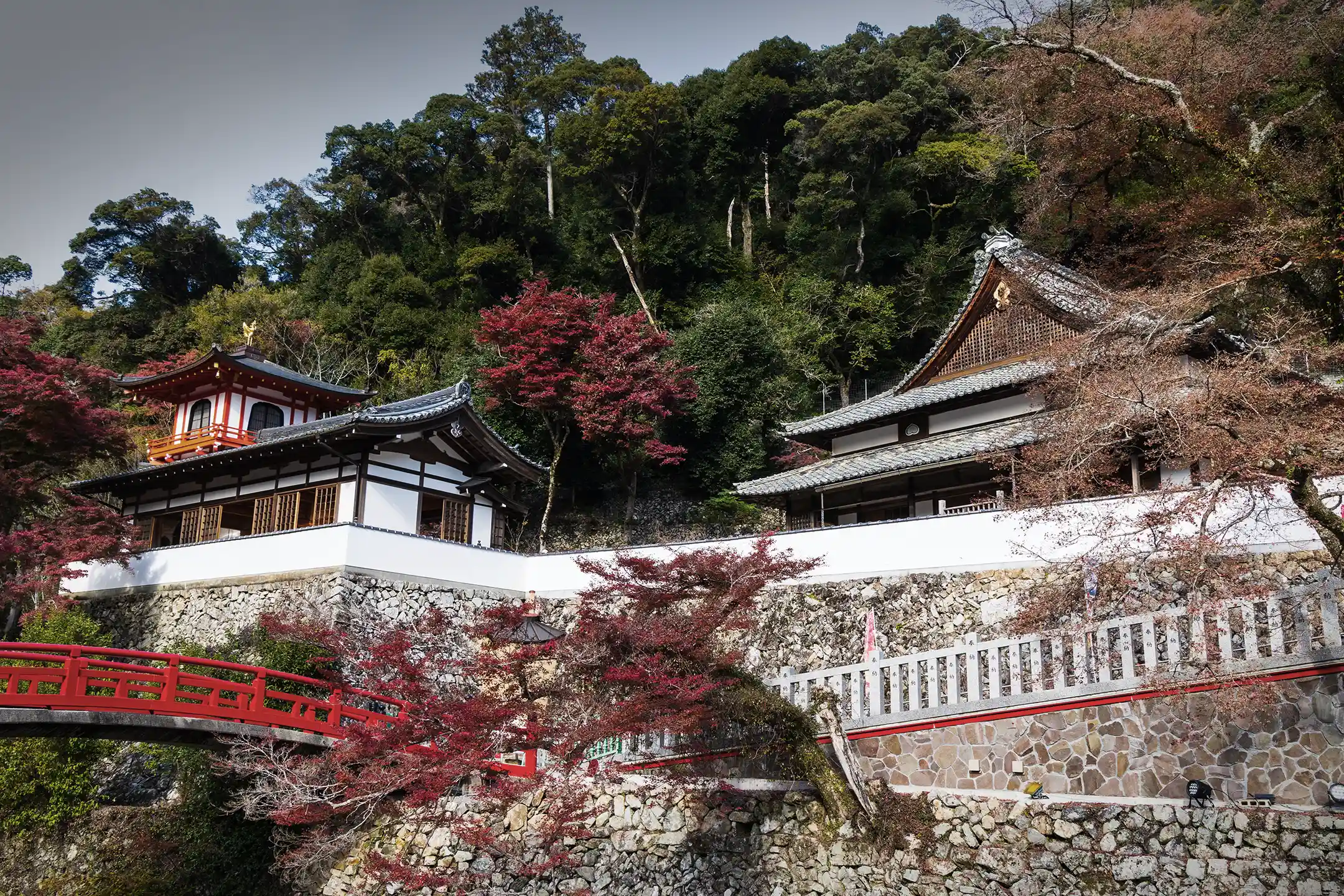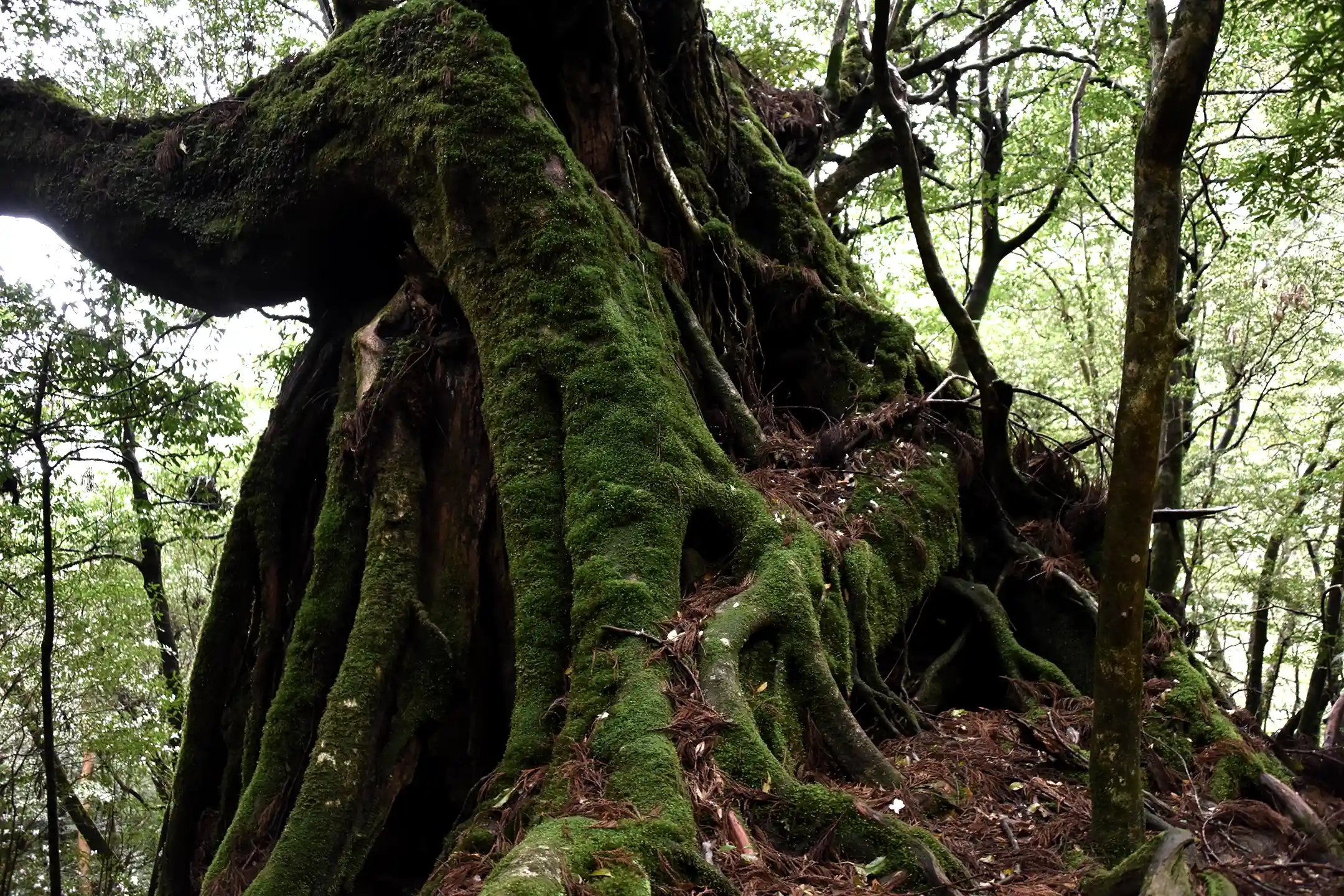
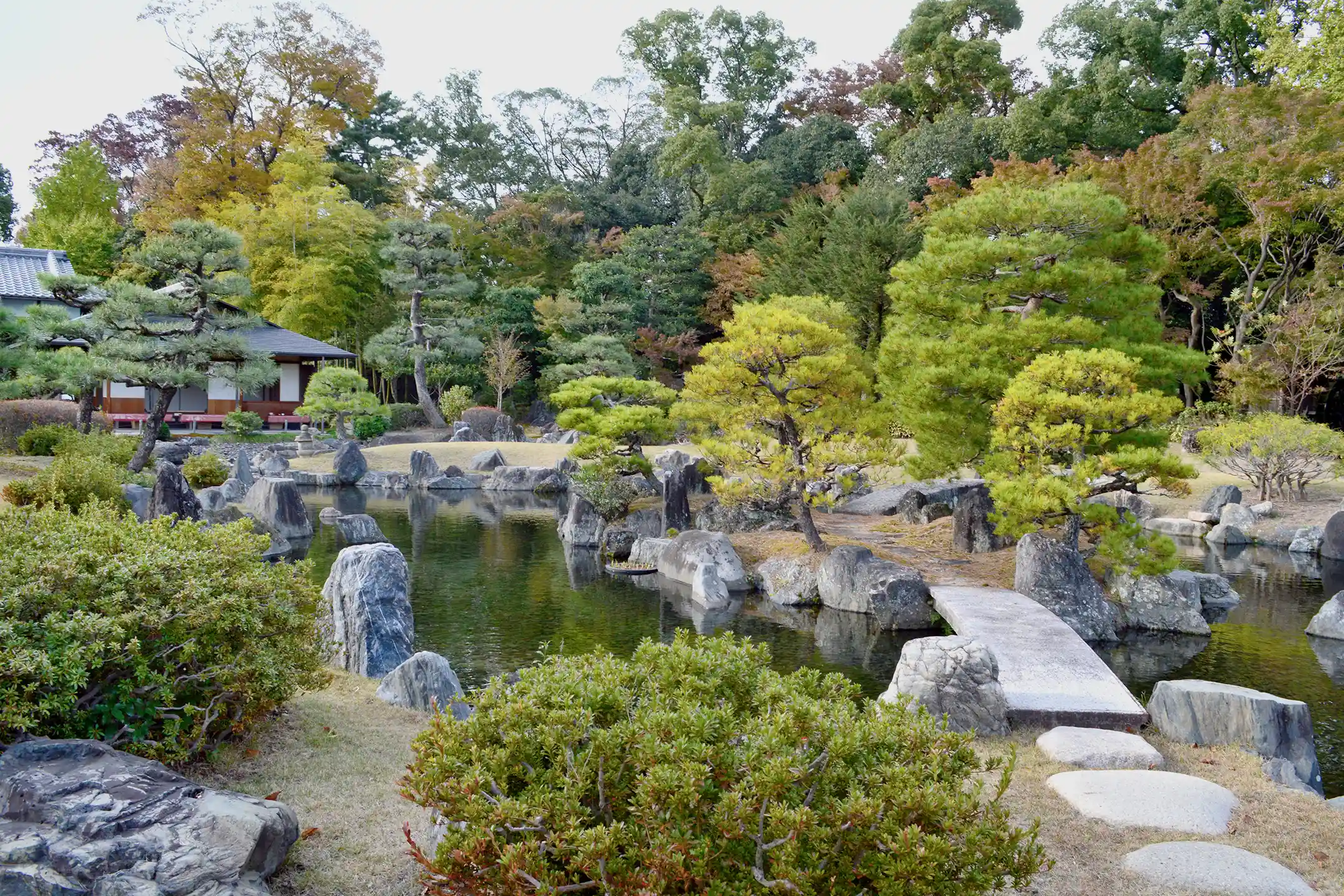
Set quietly along Tominokoji in Kyoto, the culinary ryokan “Tempura Yoshikawa” (hereafter, Yoshikawa)—often searched as “yoshikawa kyoto”—is a treasured address, known to those in the know, for spending a meaningful anniversary.
Within its hushed world of sukiya-style architecture and a garden attributed to tea master Enshū Kobori, you can savor authentic Kyoto kaiseki and time‑honored hospitality. This is a place that can refresh how you mark a hare‑no‑hi—a day of celebration—here in Kyoto(*1).
In this article, we explore Yoshikawa for couples willing to invest in luxury travel. We unpack the cultural value of Kyoto’s ryotei‑ryokan through a lightly academic lens, weave in sensorial moods and thoughtful touches that resonate, and add magazine‑style travel tips—so you can design a stay worthy of life’s milestones at Yoshikawa Kyoto.
Why “Yoshikawa Kyoto,” a Ryotei‑Ryokan, Is Chosen for Anniversaries
Among Kyoto’s many high‑end stays, Yoshikawa stands apart for the singular value rooted in what a ryotei‑ryokan is at its core. With refined Kyoto cuisine at the center and a serene setting shaped by traditional architecture and garden design, the property distills the essence of Kyoto culture into a single stage. Its few rooms enable meticulously personalized care, elevating the very act of lodging into the art of hospitality, and creating hours that leave a deep impression. The elevated calm, the memorable encounters, and the sense of occasion you want on a special day—all are fulfilled here. That is why Yoshikawa continues to be chosen.
What a Ryotei‑Ryokan Is—and Its Place in Kyoto
A ryotei‑ryokan is an accommodation style that fuses the qualities of an upscale Japanese restaurant (ryotei) with the lodging functions of a traditional inn. In Kyoto, the culture of ochaya and ryotei has long flourished; there is a tradition of experiencing fine Japanese cuisine and the ambience of a Japanese home as one. Founded in 1952, not long after the war, Yoshikawa is a culinary ryokan offering a rare hush despite being in the city center(*3).
More than a standard ryokan, a ryotei‑ryokan places special weight on cuisine and on the aesthetics of Japanese space. It is a leading example of what defines a “Kyoto‑esque” stay: primarily tatami rooms, Japanese cuisine, and service by attendants in kimono(*2). In other words, Yoshikawa itself is a stage that concentrates Kyoto’s food culture and aesthetic sense—your stay becomes a first‑rate Kyoto dining experience.
The Appeal and Strengths of Ryokan “Yoshikawa”
Yoshikawa’s greatest charm lies in the singular world woven by heritage architecture, garden, cuisine, and quiet. The sukiya‑style house, built in the early Taishō era, was originally the private residence of Kyoto man of letters Tenko Ema. The garden, Taikyō‑en, is said to be linked to Enshū Kobori and occupies a full third of the grounds(*3).
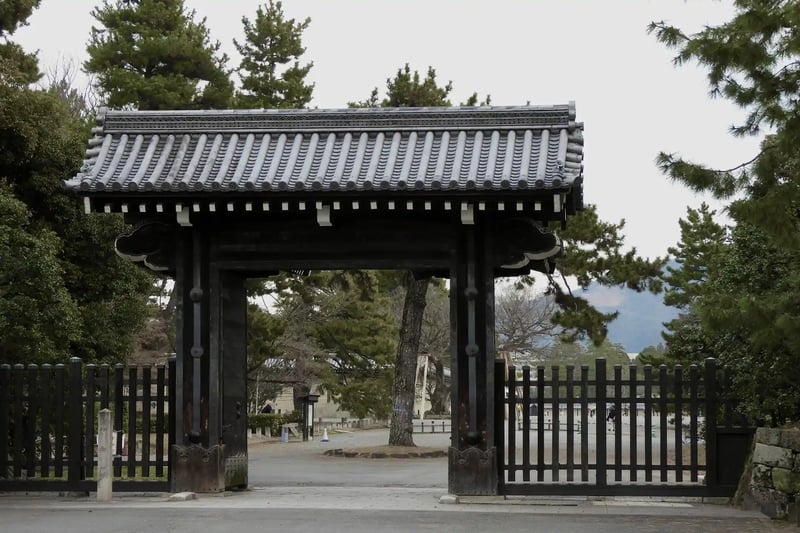
Step through the gate and you enter an old‑capital serenity you’d never expect in the city center. The garden greets you in changing seasonal expressions(*1). With only eight guest rooms, the inn carries the intimacy of a hidden retreat(*3).
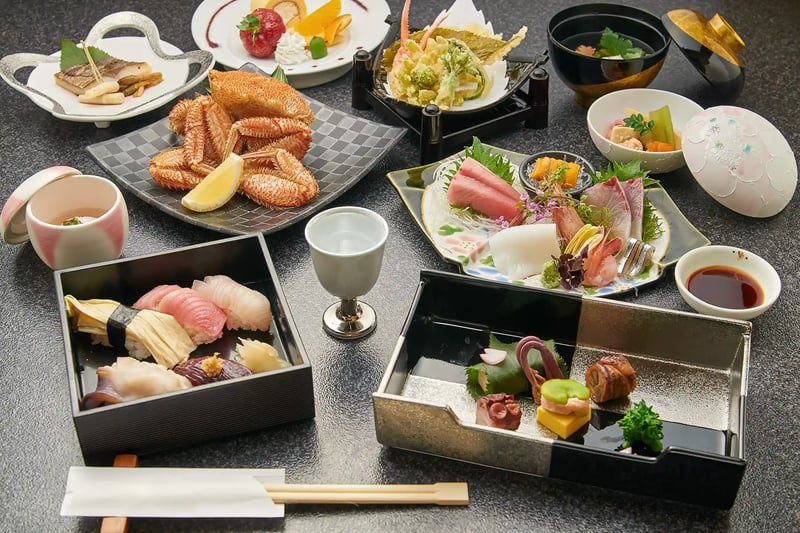
True to its promise—“Savor authentic Kyoto kaiseki amid a fully Kyoto‑esque atmosphere”—the cuisine expresses the heart of the seasons with select ingredients and precise technique(*1). Within its formality lives a warmth that puts you at ease; the team’s carefully attuned attention is often praised for dissolving the stiffness some grand inns can have(*1).
The setting is also exceptional: steps from the Kyoto Imperial Garden, Nijo Castle, and lively districts, yet once inside, the bustle falls away(*1). In history, environment, cuisine, and service alike, Yoshikawa is recognized as a singular presence among Kyoto’s luxury ryokan.
How to Judge an Anniversary Stay
On a milestone trip, what matters is whether you feel the value lives up to the price(*4). Lavish rooms and fine dishes are means to an end; ultimately, the question is whether you spent time that felt irreplaceable(*4).
As many guests say—“We celebrated my mother’s 77th birthday, and the heartfelt hospitality delighted her; it became a truly wonderful memory for our family”(*4)—the real gift is the time of sharing a loved one’s joy.
At Yoshikawa, advance requests can cover cakes, bouquets, and help with commemorative photos. Privacy, hospitality, and a sense of occasion—Yoshikawa meets these at a high standard, making it an ideal stage by any anniversary metric.
Guest Rooms—Private Design That Preserves Your Time for Two at Yoshikawa Kyoto
For a stay that frames a special anniversary, your choice of room profoundly shapes the experience. Yoshikawa offers only eight rooms, each with its own character. The dignity of Kyoto town‑house architecture and the meticulous Japanese aesthetic in every detail draw you, the moment you step in, into a different realm.
In this chapter, we look at views, layouts, and other points that help you choose, and reveal room features that heighten a luxurious stay. The right room for that one exceptional night will elevate the trip into a deeper, lasting memory.
How to Choose a Room Type
Yoshikawa has only eight rooms(*1). Each is individually appointed; once a man of letters’ private home, the house gives every room a distinct narrative(*1). For an anniversary, start by focusing on the view and layout.
Garden‑side rooms look out onto the main garden in the taste of Enshū Kobori, letting you share the seasons all to yourselves. Rooms facing the inner courtyard (tsuboniwa) feel cozier, with a more hideaway mood. Official information lists main‑garden‑view rooms from 45,000 yen per person per night, and courtyard‑side from 40,000 yen (both excluding tax and service charge)(*2). Choose by prioritizing view, budget, or privacy.
The building itself is an early‑Taishō Kyoto machiya. All rooms feature a tokonoma alcove and washi shoji screens, immersing you in Japanese culture. You sleep on plush futon rather than beds; attendants lay out the futon carefully in the evening, then clear them away in the morning so the tatami reappears neat and open(*2). The way a Japanese room transforms through the day is one of the stay’s quiet pleasures.
Options That Maximize Privacy
To preserve time just for two, Yoshikawa offers several thoughtful options. With so few rooms, the property rarely feels crowded, and you’ll seldom cross paths with other guests.
If you wish, there is a whole‑inn rental option limited to one party per day. Yoshikawa can be reserved as a single estate for up to about 20 people, accommodating special gatherings with family and friends(*3). In that case, you can dine in a banquet room overlooking the garden, creating a private atmosphere akin to inviting people to your own home.
Even during normal stays, the inn’s flow is designed so guests don’t run into each other. Many practices developed in recent years—such as staggered arrivals and fully private meal settings—remain reassuring for anniversary use.
There’s also flexibility with curfew and late‑night access (consult in advance if needed). You can return from an evening stroll in Kyoto and seamlessly continue your time together in quiet. Service is intentionally light to protect your privacy, yet immediate when you call—an ideal sense of distance.
Thoughtful Welcome and Turndown
Your Kyoto‑style welcome begins the instant you step inside. The proprietress and attendants greet you with a smile and guide you to your room after you remove your shoes. Often, matcha or roasted tea and a seasonal sweet are served as a welcome, easing away travel fatigue(*2). Sipping tea amid the scent of tatami, paired with the soft okaeri‑yasu (“welcome back”) of Kyoto dialect, you may feel as relaxed as if arriving home.
For anniversaries, you can request champagne or flowers to be set up in your room beforehand. Throughout your stay, the team gladly accommodates small requests—another pot of tea, an ice bucket—those little touches that feel wonderfully attentive.
While you’re out at dinner, staff perform turndown. Futon are laid, the lighting is warmed, and seasonal nightwear (yukata or samue) is prepared so a restful night awaits you on return. It’s the experience of “everything being set without you doing a thing,” a hallmark of top ryokan hospitality.
At checkout, the proprietress and staff see you off at the gate, letting the final moment linger with grace. On radiant anniversary mornings, you may even receive a handwritten card or commemorative photo (unofficial), a warm send‑off that deepens your bond.
Cuisine & Setting—Weaving Your Milestone Story Through Yoshikawa’s Kaiseki
On a day that celebrates life’s turning points, cuisine takes center stage. At Yoshikawa Kyoto, heritage kaiseki is served with elegant appointments, each course leaving a resonant aftertaste.
What you eat here is more than a meal; it’s an experience where the seasons and your moment in life are composed together. From the aesthetics of plates and presentation to the cadence of service, everything is considered—time unfolds like a poem. This chapter explores that culinary philosophy and ways to stage an anniversary‑worthy meal.
The Philosophy of Seasonal Kaiseki
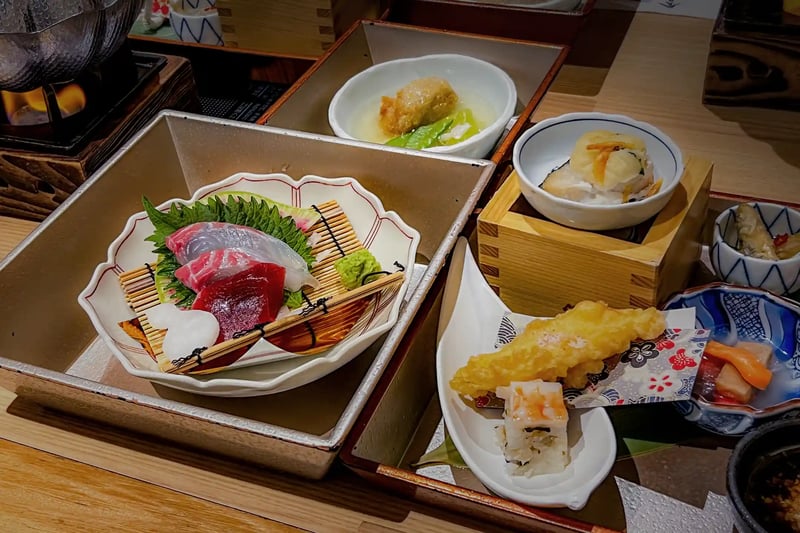
Yoshikawa’s true forte is, of course, its cuisine. Kyoto ryokan each offer distinctive kaiseki; at Yoshikawa, the signature Tempura Kaiseki anchors a menu of seasonal Kyoto courses(*1). At its core lives the philosophy of Japanese cuisine.
Kyoto cookery follows the “five tastes, five colors, five methods”: five tastes (sweet, spicy, salty, bitter, sour), five colors (green, red, yellow, white, black), and five techniques (raw, grilled, fried, simmered, steamed)—aiming for harmony and variety across the meal(*2).
Menus also embrace the spirit of hashiri, shun, nagori—the first arrivals, the seasonal peak, and the lingering tail—so you can feel the flow of the year with all five senses(*3)(*4). Spring’s mountain herbs wake you from winter; summer cools with refreshing plating and tableware; autumn’s harvest shows in vivid color and flavor; winter restores you with nourishing warmth. In this way, the cycle of the year overlays the milestones of a life.
Yoshikawa selects seasonal Kyoto vegetables and seafood, drawing out their essence with deft technique. The head chef and team craft each course with care to honor your celebration, composing the sequence so the whole meal reads as a story(*4).
Tellingly, there is no single “main dish” in Yoshikawa’s kaiseki(*4). Every course is a protagonist, carrying you—gently, with echo—into the next. That Kyoto philosophy lends depth to a meal that marks your milestone.
How to Celebrate: Private Rooms, In‑Room Dining, or Exclusive Spaces
Anniversary dining can be even more memorable with a touch of privacy and a sense of occasion. Yoshikawa gives you flexibility in how dinner unfolds.
As a guest, you typically choose between in‑room dining or the dedicated tempura counter(*1). Opt for in‑room dining and your suite transforms into a private dining room—linger, talk, and dine without feeling watched. Savor a tempura kaiseki in a sunken‑floor private room as you gaze at the garden—perfect for an intimate evening for two(*5).
The tempura counter, meanwhile, is another Yoshikawa hallmark. Set in a former tearoom, it has only a handful of seats; the chef fries tempura before your eyes. Banter with the chef over the counter, and the experience turns into a vivid anniversary memory. Whichever you choose, the culinary quality is on par: pick in‑room dining for privacy, or the counter for immediacy and craft‑in‑action.
Breakfast is also available either in your room or in a hall. With spaces and services this flexible, dining at Yoshikawa Kyoto becomes more than “delicious food”—it becomes a thoughtful staging that amplifies your bond.
Photogenic Guide—Capture a Once‑in‑a‑Lifetime Shot with Yoshikawa’s Garden, Light, and Tableware
Yoshikawa is full of moments you’ll want to photograph: the historic garden, the interplay of light and shadow, and each plated course that arrives like a miniature artwork. Everything you see—seasonal scenes in the garden, the character of a Kyoto machiya, even the edible artistry of kaiseki—can become your subject.
Memories of a special day live on not only in what you saw but also through photographs that carry them forward. This chapter highlights key spots and best times for light, plus ways to use attire and small props to stage meaningful images at Yoshikawa Kyoto.
Shooting Spots and Best Times
An anniversary at a Kyoto ryotei‑ryokan—especially at Yoshikawa—overflows with scenes worth capturing. Your first stop is the garden, Taikyō‑en. Said to be the work of master gardener Enshū Kobori, it occupies a third of the estate and changes with every season(*1).
In spring, fresh greens and azaleas blaze softly; in summer, dappled light pours through maple leaves and shimmers off the water; in autumn, foliage reflects in the pond; in winter, a dusting of snow makes the old capital feel even more tranquil.
Best time depends on season and aim, but morning’s soft light—especially early, before others stir—bathes the garden evenly. Carp glide in the pond; sunlight touches moss and stone lanterns for a quiet, dreamlike mood.
From dusk into night, gentle illumination brings out a different, ethereal beauty. Lanterns glow along stone paths like scenes from a painted scroll.
Don’t overlook the cuisine. Yoshikawa’s tempura kaiseki is artful course by course. When a dish arrives, first take in the composition and the vessel itself—and go ahead and photograph it(*2). Capture your best shots of garden, architecture, and cuisine, and your day at Yoshikawa will remain vivid for years.
Designing Attire and Props
To elevate your anniversary photos, add intention to what you wear. Start with the yukata provided by the inn.
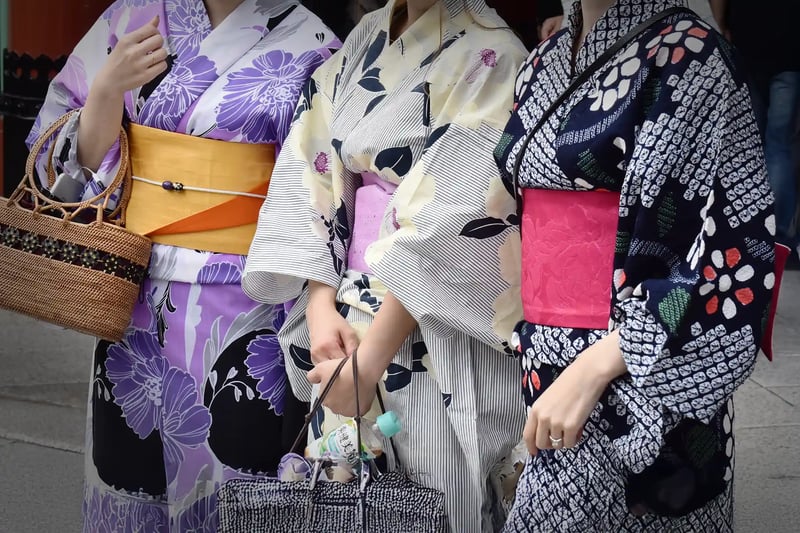
Yoshikawa offers comfortable cotton yukata and haori coats for all guests (with padded winter coats in colder months)(*3). A stroll in yukata through the garden after dinner or before breakfast is picturesque in itself. Calm indigo or unbleached tones pair beautifully with greenery and wood. Consider wearing complementary colors as a couple and taking a seated shot from behind—charming and timeless.
A special day also suits formalwear or traditional dress. Kyoto has many kimono rental shops, including long‑established specialists within walking distance of Yoshikawa(*4). Renting a formal visiting kimono or a crested hakama for a photo shoot in and around the inn makes for lifelong memories.
If you have an engagement ring or a keepsake, weave it into the frame—catch its light through a glass, or photograph your hands together so the jewelry subtly tells its story. Designing wardrobe and small details like this turns your Yoshikawa stay into a film‑like scene, imprinting the anniversary even more vividly.
Model Itinerary & Nearby Experiences—Deepening Your Story for Two in Kyoto
Here’s a one‑night, two‑day model plan tailored to anniversaries at Yoshikawa. It balances Kyoto‑ness with privacy so you can weave your story together.
One‑Night, Two‑Day Model
Day 1 (Afternoon): Check in around 3:00 p.m. An attendant guides you to your room; start with matcha and a seasonal sweet. Wander the property; let the main garden in Enshū taste soften your travel edges.
Afterward, stroll to the Kyoto Imperial Garden (the expansive grounds of the Imperial Palace) within walking distance(*1). Depending on the season, you can enjoy the weeping cherries and plum grove for free—a quiet setting for time together.
After 4:00 p.m., return and change into yukata to unwind before dinner.
6:00 p.m., begin your tempura kaiseki as in‑room dining. Course after course of seasonal dishes and just‑fried tempura invites slow conversation and savoring.
Around 9:00 p.m., stroll the corridors and view the garden by gentle evening light.
10:00 p.m., settle in on the prepared futon. Share a little Kyoto sake you picked up, and let the quiet and lantern glow ease you into the night.
Day 2 (Morning): Wake at 7:00 a.m. Step into the morning garden; you might catch sunlight on the water or spirited carp waiting for feed.
8:00 a.m., breakfast in your room (choose Japanese or Western). Kyoto‑style ozoni with white miso, grilled fish, and dashimaki omelet warm body and spirit. Pack at an easy pace; check out around 9:30 a.m. with a gracious send‑off.
Then walk 15–20 minutes to Nijo Castle(*1). A World Heritage site, it features the grand Kara‑mon gate, resplendent chambers, and a beautiful garden—soak in the brilliance of Momoyama culture. A two‑shot in the castle grounds makes you feel like leads in a historical tale.
11:30 a.m., enjoy a light lunch at a nearby machiya café and share highlights of the trip. In the afternoon, continue by subway from Kyoto Shiyakusho‑mae Station—or call it a trip and head home. Your anniversary journey closes on a note of calm.
%20and%20Sakura%20Mochi%20(cherry%20blossom%20rice%20cakes).webp?width=800&height=533&name=Ohagi%20(sweet%20rice%20balls%20coated%20with%20red%20bean%20paste%20and%20kinako)%20and%20Sakura%20Mochi%20(cherry%20blossom%20rice%20cakes).webp)
Recommended Nearby Experiences
Around Yoshikawa are experiences that deepen your connection. Within walking distance are, in addition to the Imperial Palace and Nijo Castle, the Kyoto International Manga Museum and the Museum of Kyoto. At the Manga Museum, you can freely read works from around the world; couples often relax on tatami areas with books in hand.
The Museum of Kyoto, a renovated Meiji‑era bank building, offers rich exhibits on Kyoto’s history and traditional crafts. It’s ideal for a refined rainy‑day date or shelter from summer heat; it has even been recommended as “perfect for an adult rainy‑day date”(*2).
Workshops in traditional culture are highly recommended. For example, some kilns offer wheel‑thrown ceramics in the Kiyomizu ware tradition(*3). Try making wagashi together and exchange what you’ve crafted—romantic, hands‑on, and memorable. Finally, souvenir hunting is a pleasure to share. Nishiki Market is about a 10‑minute walk; sample Kyoto pickles and dashi packs as you choose delicious mementos.
From curiosity‑stirring museums to making things with your hands to atmospheric walks, Yoshikawa’s neighborhood abounds in couple‑friendly experiences. Blend them between restful hours at the ryokan.
Choosing Seasons & Festivals—Your Best‑Timing Strategy
Kyoto transforms with every season. To stage the most dramatic anniversary at Yoshikawa, choose your timing strategically. Here’s a seasonal calendar of special elements you can experience.
Seasonal Staging Calendar
Spring (Mar–May): A season of partings and meetings, perfect for new chapters. In Yoshikawa’s garden, early blooms awaken; in early April, the cherries along Oike‑dori and in the Imperial Garden are in full bloom. Time your stay with the blossoms and you can raise a toast while petals drift across the view.
On May 15, the Aoi Matsuri (Heian‑period procession) passes through town; from Yoshikawa you can walk toward Shimogamo Shrine to glimpse the dignified parade(*1). Spring is ideal for sightseeing, but it’s popular—book early and start mornings early.
Summer (Jun–Aug): Though many avoid the heat, Kyoto’s summer carries its own charms. July’s Gion Matsuri spans an entire month; the Yamaboko processions and the glow of Yoiyama are worth seeing(*2). If you go while staying at Yoshikawa, avoid the densest crowds by standing a little apart from the Gion district (for example, stretches along Oike‑dori tend to be lighter).
At Yoshikawa, savor cooling traditions—bamboo blinds, sprinkled water—that make summer gentle. Nap or read in your room during the heat, then wander in yukata at dusk for a quietly beautiful Kyoto.
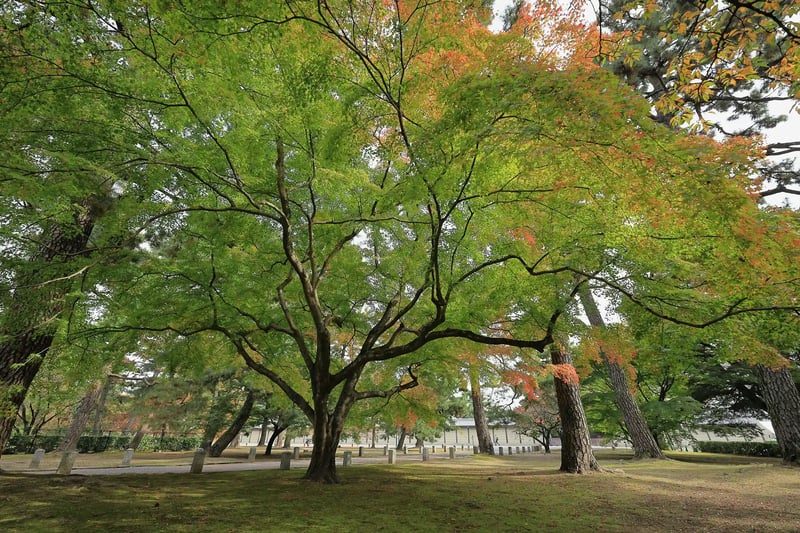
Autumn (Sep–Nov): The air turns mild again and Kyoto shines most brightly. Yoshikawa’s garden deepens in color with leaves and fallen foliage; blue autumn skies against crimson maples make striking photos. On October 22, the Jidai Matsuri parades historic costumes from the Meiji Restoration back to the Heian era, passing along Oike‑dori near Yoshikawa(*3). Sensing the procession from your window is a luxury of this location.
November brings peak foliage. East and Arashiyama will be crowded, but there are nearby quieter spots—like the golden‑yellow grove of weeping cherries in the Imperial Garden—with fewer visitors for leisurely walks. Autumn menus feature matsutake, chestnut, and pumpkin—perfect for celebrating harvest season together.
Winter (Dec–Feb): Often thought off‑season, winter is ideal if you want calm and atmosphere. Kyoto’s cold makes the ryokan’s warmth all the more comforting. At New Year’s, Yoshikawa serves special menus such as otoso (spiced sake) and osechi, and the proprietress may greet you in formal attire for a heartfelt welcome to the year(*4).
Around February, nearby shrines such as Suga Shrine hold Setsubun festivals—you might even witness a maiko scattering beans for good luck. A light snowfall on the garden at dawn is magical; making a tiny snowman together and photographing it becomes a tender memory. With good layering, winter’s thin crowds make for an ideal adult trip for two.
%20Gunkan%20Maki%20Sushi.webp)